
Lebanon is heading into a pivotal week as the government prepares for Friday’s cabinet session to discuss the army’s plan for “exclusive state control of weapons.”
The meeting has become a focal point of political debate, amid a flurry of consultations and reactions to Parliament Speaker Nabih Berri’s recent remarks marking the anniversary of Imam Musa al-Sadr’s disappearance. While some observers saw Berri aligning closely with Hezbollah’s stance, despite past differences, his call for dialogue over weapons exclusivity is shaping the political agenda.
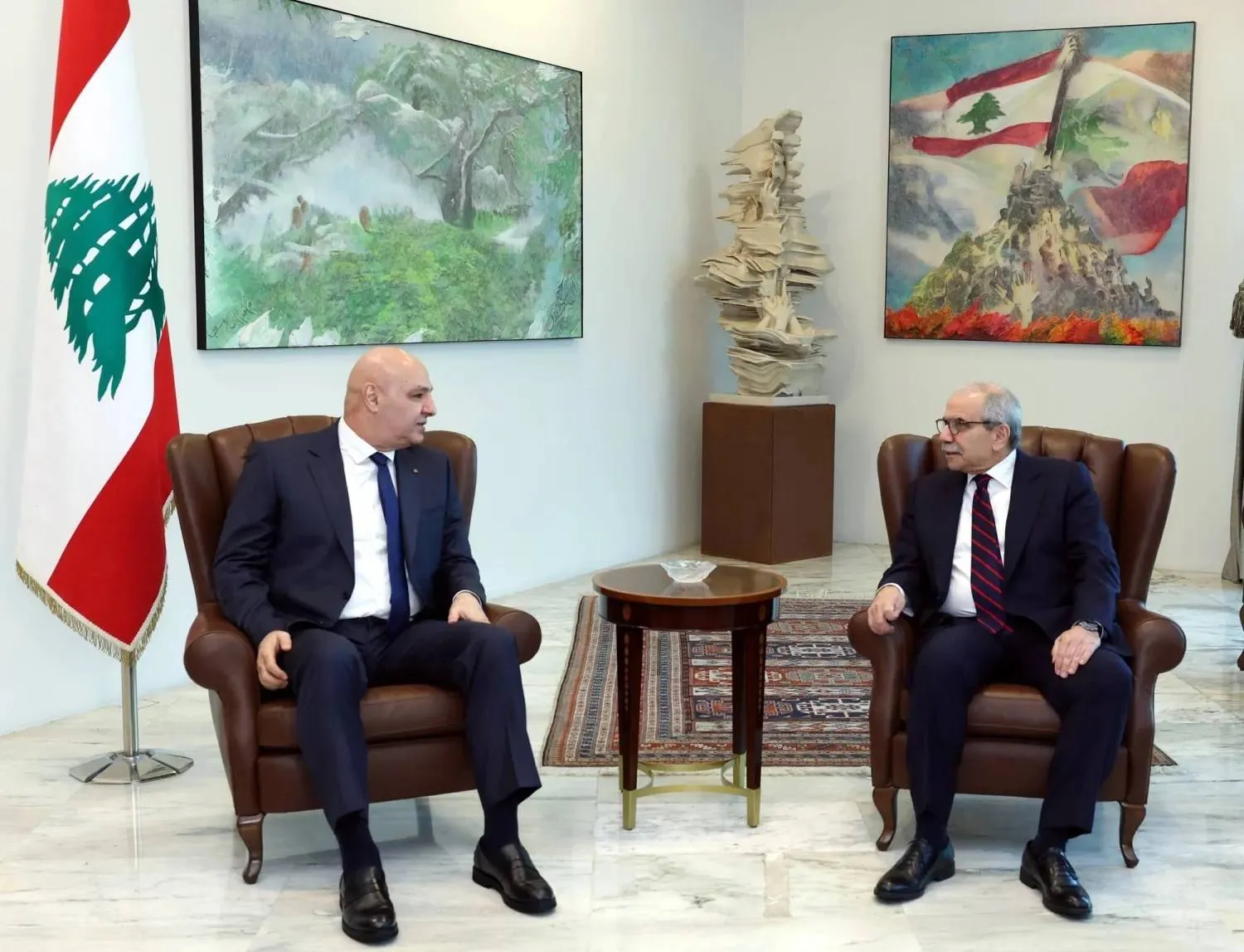
President Joseph Aoun and Prime Minister Nawaf Salam met Monday to review preparations for the session, with the presidency noting that Salam also briefed Aoun on his recent trip to Cairo.
Government sources told Asharq Al-Awsat that efforts are underway to prevent a showdown during Friday’s meeting. Ministers from Hezbollah and Amal are expected to attend, though they may leave the session if the plan is pushed to a vote, mirroring previous walkouts when the weapons issue arose.
Berri’s call for dialogue was raised directly in his meeting with Aoun and Salam. According to political sources, he effectively shifted the debate from implementing weapons exclusivity to reopening discussions about Hezbollah’s long-standing concept of “sacred arms.”
Deputy Speaker Elias Bou Saab, however, stressed after meeting Berri that the speaker remained flexible but firm on safeguarding Lebanon’s dignity. Bou Saab urged calm consensus, citing ongoing Israeli threats and pointing to the Taif Accord as the framework for state monopoly over arms through a national defense strategy.
For his part, Agriculture Minister Nizar Hani of the Progressive Socialist Party warned against returning to “square one,” but affirmed that disarming militias remains a government priority. He stressed that the issue should proceed through national dialogue, noting that the government has already begun removing weapons from the Palestinian refugee camps.
Meanwhile, Egyptian Ambassador Alaa Moussa, who delivered invitations from President Abdel Fattah al-Sisi for Lebanon’s leaders to attend Cairo’s upcoming museum inauguration, reiterated that exclusive state control over weapons is a non-negotiable principle.
He acknowledged, however, that dialogue will inevitably accompany implementation. Moussa also underlined Egyptian and international efforts to push Israel toward full compliance with last November’s ceasefire terms, including withdrawal from contested hills.
French Ambassador Hervé Magro likewise discussed the arms issue in meetings with Aoun and Salam, confirming that President Emmanuel Macron will soon dispatch former foreign minister Jean-Yves Le Drian to follow up, particularly after the renewal of the UNIFIL mandate. Paris is also preparing conferences on Lebanon’s reconstruction and support for the Lebanese Army.