
Lebanon’s Central Bank Shifts Responsibility for ‘al-Qard al-Hassan' to the State

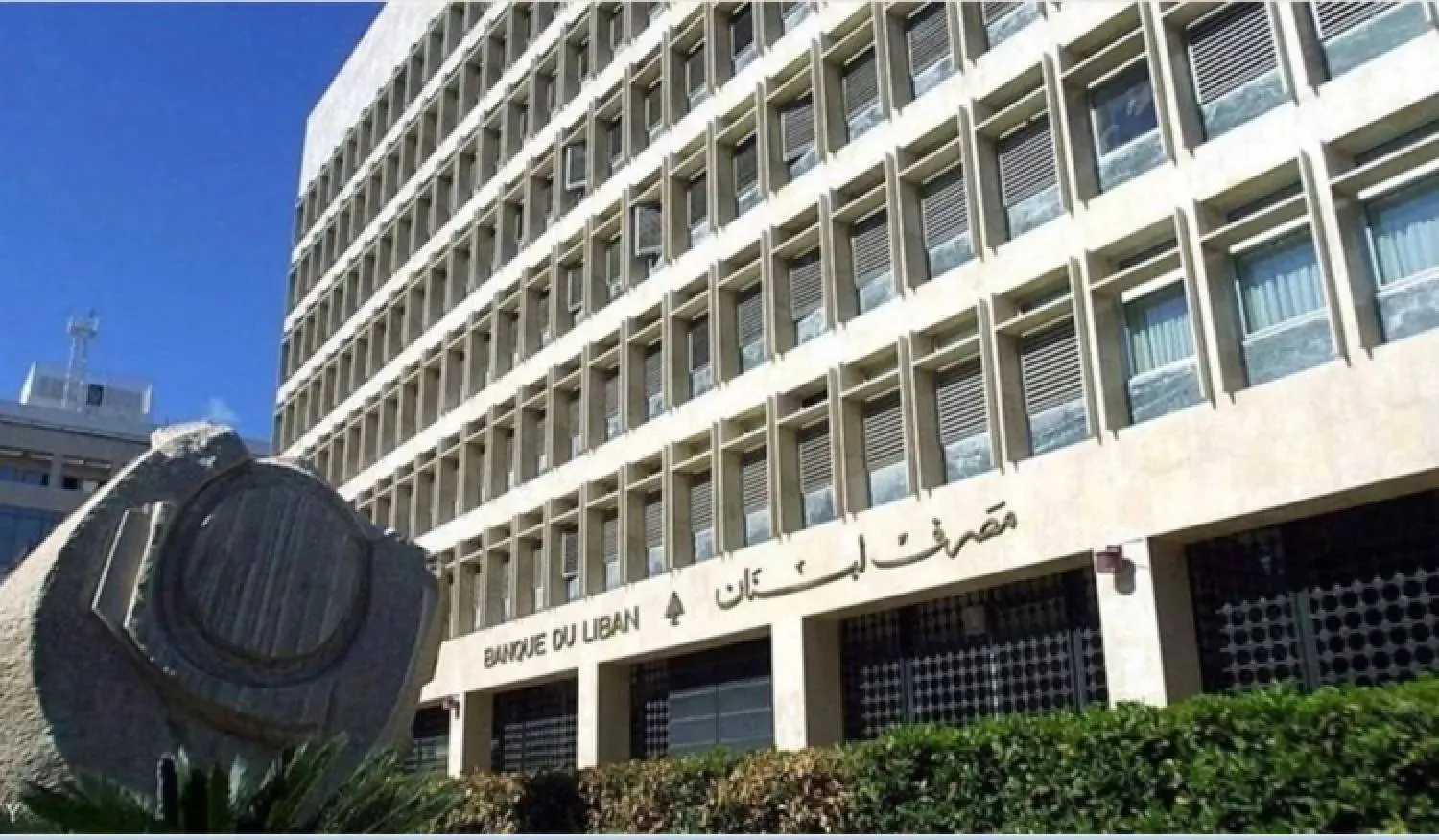
The BDL headquarters in Beirut (NNA) 
TT

Lebanon’s Central Bank Shifts Responsibility for ‘al-Qard al-Hassan' to the State

The BDL headquarters in Beirut (NNA) 

Lebanon’s central bank has placed responsibility for handling “al-Qard al-Hassan,” the financial arm of Hezbollah, squarely on the state.

In a statement clarifying Circular No. 170, issued in July, the Banque du Liban (BDL) called on the relevant ministries “to intervene in addressing the situation of any entity or organization under international sanctions that is neither licensed by the central bank nor subject to its supervision.”

The clarification came just hours after Finance Minister Yassin Jaber said BDL was attempting to address the activities of “al-Qard al-Hassan.”

Officials at the Finance Ministry later explained that Jaber’s remarks were not directed against the central bank. They noted that BDL is indeed responsible for licensing institutions engaged in lending and financial operations, but since “al-Qard al-Hassan” never obtained such authorization, the matter falls to the Interior Ministry, which originally issued its registration papers.

In Tuesday’s statement, BDL reaffirmed that the core objective of Circular 170 is “to prevent any funds, whether directly or indirectly, originating from Lebanese entities or organizations subject to international sanctions - particularly those from the US Office of Foreign Assets Control (OFAC) - from entering the formal Lebanese banking sector.”

The bank warned that allowing such funds into the system would jeopardize relations with correspondent banks abroad, especially in the United States, which handles dollar transfers.

“In cases involving any sanctioned body that is unlicensed and not under BDL’s jurisdiction,” the statement added, “the responsibility rests entirely with the state and its ministries. Any suggestion otherwise assigns powers to the central bank that it does not possess under the Code of Money and Credit.”

Observers noted that the original circular was intended as much as a signal to the international community as a directive at home. The central bank sought to draw a clear line between Lebanon’s regulated financial system and the activities of associations tied to Hezbollah or similar groups. Licensed banks, financial institutions, money transfer firms, investment funds, and brokerage houses were explicitly instructed to avoid any direct or indirect dealings with unlicensed entities.

A senior financial source told Asharq Al-Awsat that the updated clarification was a response to both local and international demands for “decisive” steps against illegal financial activities, particularly those of “al-Qard al-Hassan.” By identifying the Interior Ministry as the competent authority, the central bank underscored the legal framework governing the association, which operates under a registration granted by that ministry.

The activities of “al-Qard al-Hassan,” which provides financial services outside Lebanon’s official system, remain a central concern for international donors and watchdogs. Both the International Monetary Fund and the World Bank have pressed Lebanon to bring such operations under control as a prerequisite for financial support and as part of broader reforms to restore global confidence in the country’s economy.

The US, meanwhile, continues to pressure Beirut to curb Hezbollah’s financial networks, viewing them as a key element of the group’s influence over Lebanon’s economic and social fabric.

Central Bank Governor Karim Souaid has already held direct consultations with US Treasury officials, particularly those overseeing anti-money laundering and counterterrorism finance. Discussions focused on safeguarding Lebanon’s financial sector, including its ties with American correspondent banks, and on addressing concerns raised by the Financial Action Task Force (FATF).

Meeting these requirements, officials believe, would help remove Lebanon from the “grey list” and open the door to restoring vital international support.


Stocks Drop, Oil Rises after Trump Iran Threat

Donald Trump has deployed warships, fighter jets and other military hardware to the Middle East as he puts pressure on Iran. Hannah Tross / US NAVY/AFP
TT

Stocks Drop, Oil Rises after Trump Iran Threat

Donald Trump has deployed warships, fighter jets and other military hardware to the Middle East as he puts pressure on Iran. Hannah Tross / US NAVY/AFP

Most Asia equities fell and oil prices rose on Friday after Donald Trump ratcheted up Middle East tensions by hinting at possible military strikes on Iran if it did not make a "meaningful deal" in nuclear talks.

The remarks fanned geopolitical concerns and cast a pall over a tentative rebound in markets following an AI-fueled sell-off this month.

Traders are also looking ahead to the release of US data later in the day that will provide a fresh snapshot of the world's top economy, said AFP.

A slew of forecast-beating figures over the past few days have lifted optimism about the outlook but tempered expectations for more interest rate cuts.

The US president told the inaugural meeting of the "Board of Peace", his initiative to secure stability in Gaza, that Tehran should make a deal.

"It's proven to be over the years not easy to make a meaningful deal with Iran. We have to make a meaningful deal otherwise bad things happen," he said, as he deployed warships, fighter jets and other military hardware to the region.

He warned that Washington "may have to take it a step further" without any agreement, adding: "You're going to be finding out over the next probably 10 days."

Israeli Prime Minister Benjamin Netanyahu earlier warned: "If the ayatollahs make a mistake and attack us, they will receive a response they cannot even imagine."

The threats come days after the United States and Iran held a second round of Omani-mediated talks in Geneva as Washington looks to prevent the country from getting a nuclear bomb, which Tehran says it is not pursuing.

The prospect of a conflict in the crude-rich Middle East has sent oil prices surging this week, and they extended the gains Friday to sit at their highest levels since June.

Equity traders were also spooked.

Hong Kong fell as it reopened from a three-day break, while Tokyo, Sydney, Wellington and Bangkok were also down. However, Seoul continued to rally to a fresh record thanks to more tech buying, with Singapore, Manila and Mumbai also up.

City Index market analyst Matt Simpson said a strike was not certain.

"At its core, this looks like pressure and leverage rather than a prelude to invasion," he wrote.

"The US is pairing military readiness with stalled nuclear negotiations, signaling it has credible strike options if talks fail. That doesn't automatically translate into boots on the ground or a regime-change campaign.

"While military assets dominate headlines, diplomacy is still in motion. The fact talks are continuing at all suggests both sides are still probing for a diplomatic off-ramp before tensions harden further."

Shares in Jakarta slipped even after Trump and Indonesian President Prabowo Subianto reached a trade deal after months of wrangling.

The accord sets a 19 percent tariff on Indonesian goods entering the United States. The Southeast Asian country had been threatened with a potential 32 percent levy before the pact.

Jakarta also agreed to $33 billion in purchases of US energy commodities, agricultural products and aviation-related goods, including Boeing aircraft.


Third ‘Mirkaz AlBalad AlAmeen Platform’ to Open in Makkah on Sunday 

A street in the holy city of Makkah is decorated with Ramadan lights. (SPA)
TT

Third ‘Mirkaz AlBalad AlAmeen Platform’ to Open in Makkah on Sunday 

A street in the holy city of Makkah is decorated with Ramadan lights. (SPA)

The third edition of the “Mirkaz ABalad AlAmeen”, a leading platform for exchanging opportunities in Makkah, will kick off on Sunday, under the theme “Makkah Inspires the World.”

The platform, organized by the Holy Makkah Municipality, will feature 15 exceptional Ramadan evenings focused on dialogue, knowledge exchange, and cross-sector engagement.

Makkah Mayor Musad Aldaood said the platform redefines development from Makkah, where faith meets inspiration and values are transformed into a comprehensive civilizational experience.

He noted that the initiative reflects the ambitions of Saudi Vision 2030 and showcases Makkah to the world as a living model of creativity, leadership, and innovation.

The upcoming edition will host more than 65 speakers, including executive leaders and decision-makers from across all three sectors, alongside futurists, entrepreneurs, and leading voices in culture and inspiration from artists, writers, media professionals, and innovators.

The program targets 12 key sectors: technology and digital transformation, financial investment, communications and media, real estate development, transport and logistics, banking services, youth and sports, tourism and culture, hospitality and catering, Hajj and Umrah, the third sector, and healthcare.


Saudi Arabia’s Mawani Grants Unified License to Global Shipping Line 

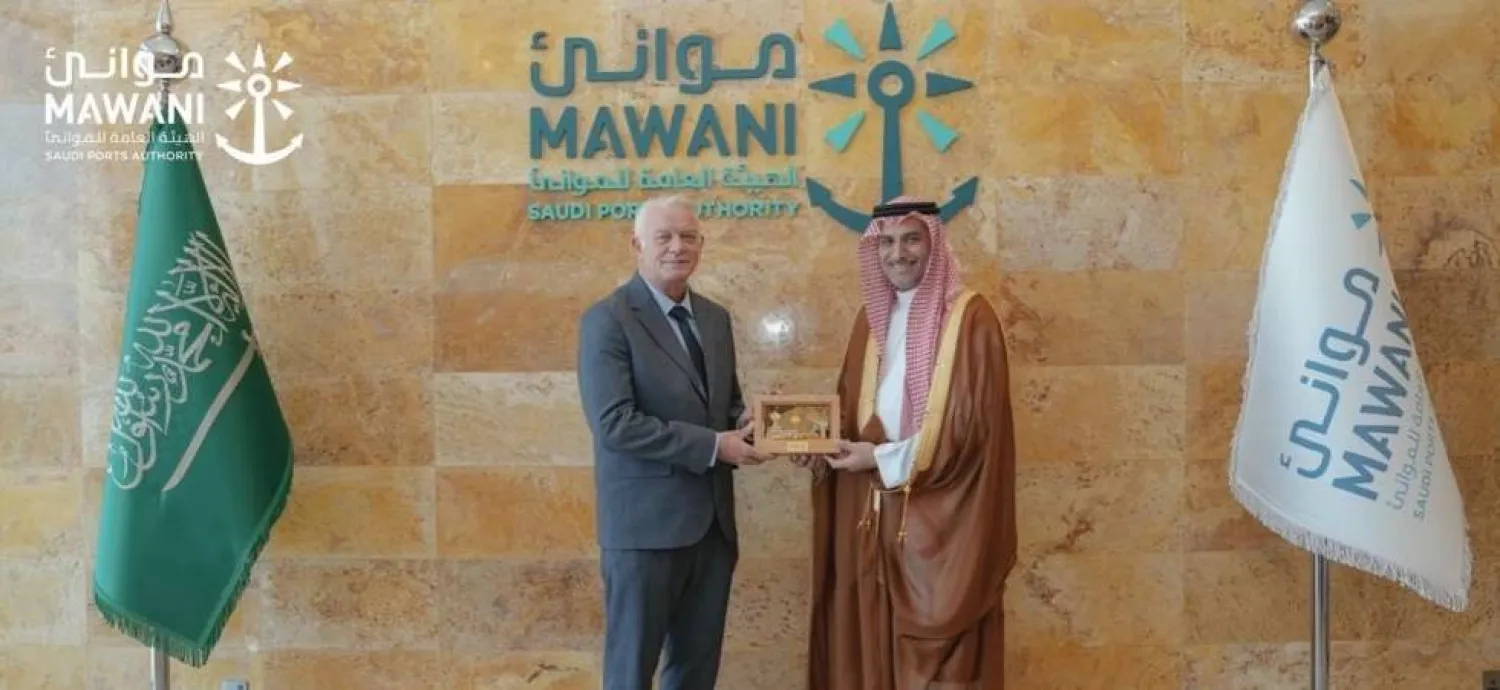
The initiative is part of Mawani's ongoing efforts to develop the maritime business environment, enable international companies to invest in the Saudi market, and increase competitiveness within the maritime sector. (Mawani)
TT

Saudi Arabia’s Mawani Grants Unified License to Global Shipping Line 

The initiative is part of Mawani's ongoing efforts to develop the maritime business environment, enable international companies to invest in the Saudi market, and increase competitiveness within the maritime sector. (Mawani)

The Saudi Ports Authority (Mawani) granted on Thursday a unified license to international shipping line Global Shipping Line (PIL), officially recognizing it as an authorized foreign investor to operate maritime agencies in the Kingdom's ports, reported the Saudi Press Agency.

The license is issued in accordance with the regulations outlined in the Maritime Agency Services, reflecting Mawani's commitment to boosting the efficiency of the maritime sector and improving the quality of operational services provided at ports.

It aims to attract global expertise and facilitate knowledge transfer within the Kingdom, aligning with international best practices in the maritime transport industry.

The initiative is part of Mawani's ongoing efforts to develop the maritime business environment, enable international companies to invest in the Saudi market, and increase competitiveness within the maritime sector.

PIL, which operates from its regional headquarters in Riyadh, manages operations in 29 countries.

The move strengthens the Kingdom's position as a crucial logistics hub, in line with the National Transport and Logistics Strategy, while attracting more international shipping lines. It reinforces Saudi Arabia's role as a key link among three continents.