




Many details of Israel’s attempt to assassinate Hamas leaders in Qatar will become clearer once the full results emerge.
But even as Israeli officials began acknowledging disappointment that Hamas’ leadership survived, they stressed the operation was meant to yield “deterrence gains” and pointed to what they call the “Munich approach,” a doctrine dating back to 1972 when Israel hunted down members of the Palestinian Black September group behind the killing of 11 Israeli athletes at the Munich Olympics.
Today, more than half a century later and after over 63,000 deaths in Gaza, Israel says it is striking back for the October 7, 2023 Hamas-led assault.
‘Munich in our era’
Israeli leaders hailed the Doha raid as a precision mission before its outcome became clear, comparing it to the killings of Hezbollah commanders and Iranian Revolutionary Guard officers. They spoke of “surgical strikes” involving 15 fighter jets, refueling aircraft, and precision-guided munitions.
But after Hamas declared its leaders had survived, Israeli officials shifted to urging patience while DNA tests confirmed casualties, before admitting privately to frustration. Military commentators framed the setback as a tactical hiccup while still claiming strategic benefits: Hamas leaders, they argued, would now feel hunted and restricted.
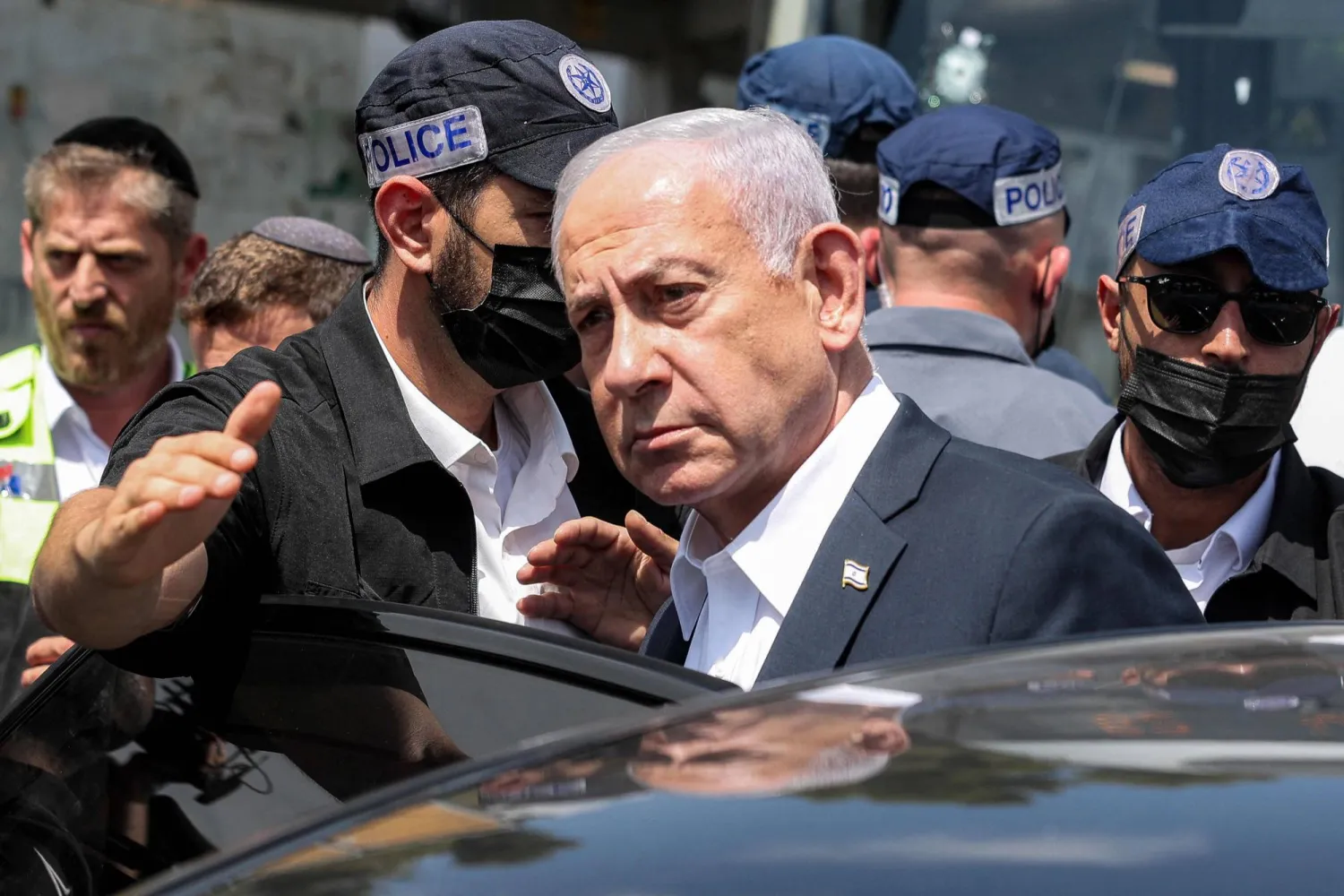
Former Shin Bet chief Ronen Bar reportedly described the operation as “Munich in our era,” echoing Golda Meir’s 1972 order to eliminate those behind the Olympic attack. Netanyahu, for his part, said Israel had targeted Hamas leaders “in the same place they celebrated October 7” - a statement contradicted by evidence that the group’s thanksgiving prayers took place in Türkiye, not Qatar.
A pre-approved hit list
According to Israeli media, the decision to assassinate Hamas’ top echelon was taken on Oct. 8, 2023. The Shin Bet was tasked with the campaign, which began with the killing of Saleh al-Arouri in Beirut, followed by Ismail Haniyeh, Yahya al-Sinwar, Mohammed Deif and Mohammed al-Sinwar.
Last week, army chief Eyal Zamir warned Hamas leaders abroad they would not be safe. Shortly after, Netanyahu ordered the Doha strike once intelligence indicated Hamas figures were meeting in the Qatari capital. Some senior officials, including the army’s representative to hostage talks, opposed the timing, fearing it would derail negotiations over Israeli captives. Netanyahu overruled them.
Multiple objectives
Analysts say the Qatar operation was designed to achieve several goals: reinforcing Israel’s image as the dominant military power in the Middle East, showcasing its reach against adversaries from Hezbollah to the Houthis
US angle and blame game
Netanyahu initially claimed the Doha strike was an exclusively Israeli operation, a line Israeli officials said was pressed by Washington to limit American exposure. US officials, according to Israeli leaks, were briefed but later distanced themselves once Arab outrage spread.
Seeking to deflect responsibility for the mission’s failure, Netanyahu’s allies suggested US President Donald Trump tipped off Qatar about the raid, allowing Hamas leaders to flee moments before the bombs hit.
Political fallout
Israeli sources now fear Trump could use the episode to recalibrate his Arab diplomacy, potentially demanding concessions from Netanyahu to reassure allies like Qatar that Washington does not condone strikes on their soil. Such a shift could revive pressure for a ceasefire and political talks.


