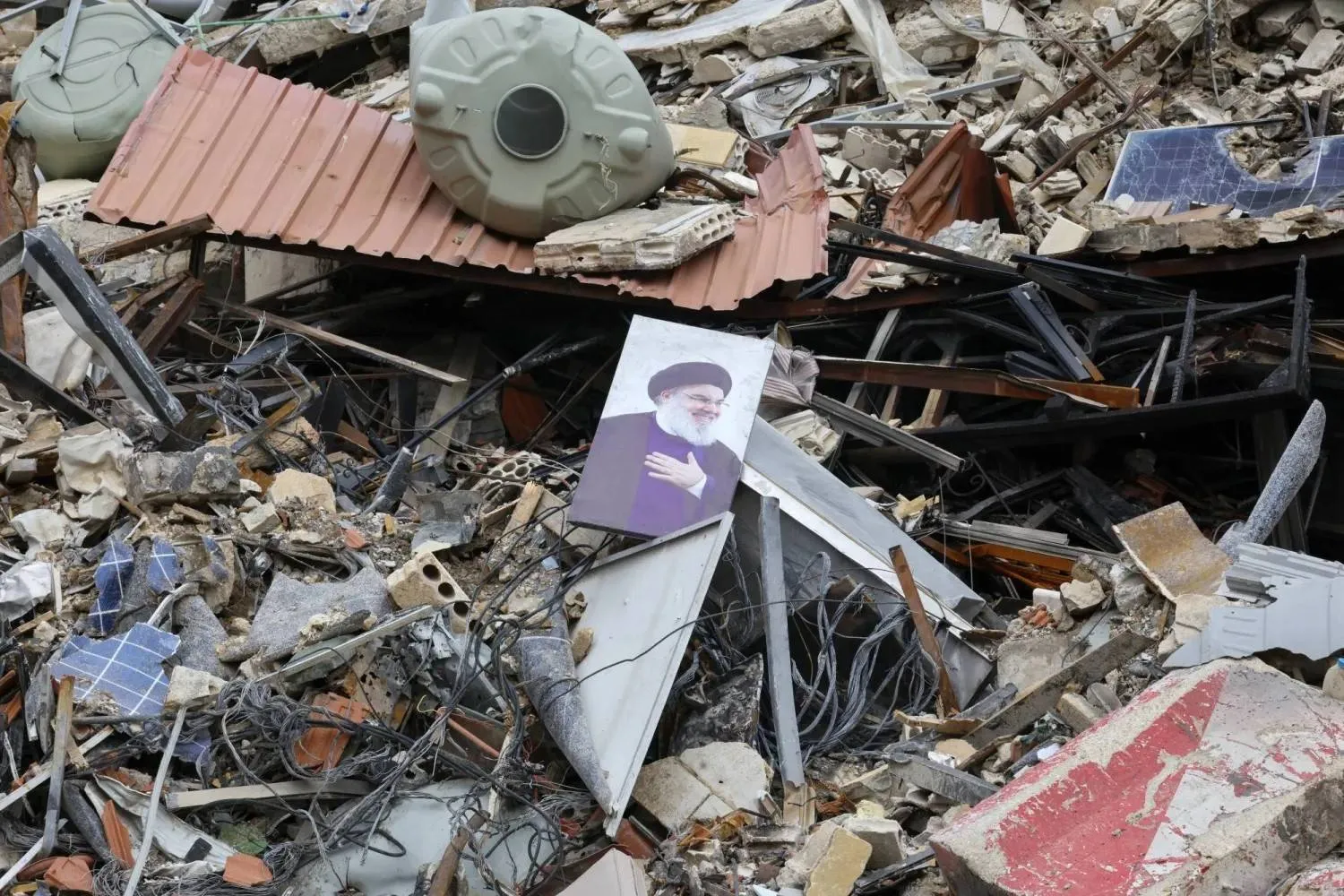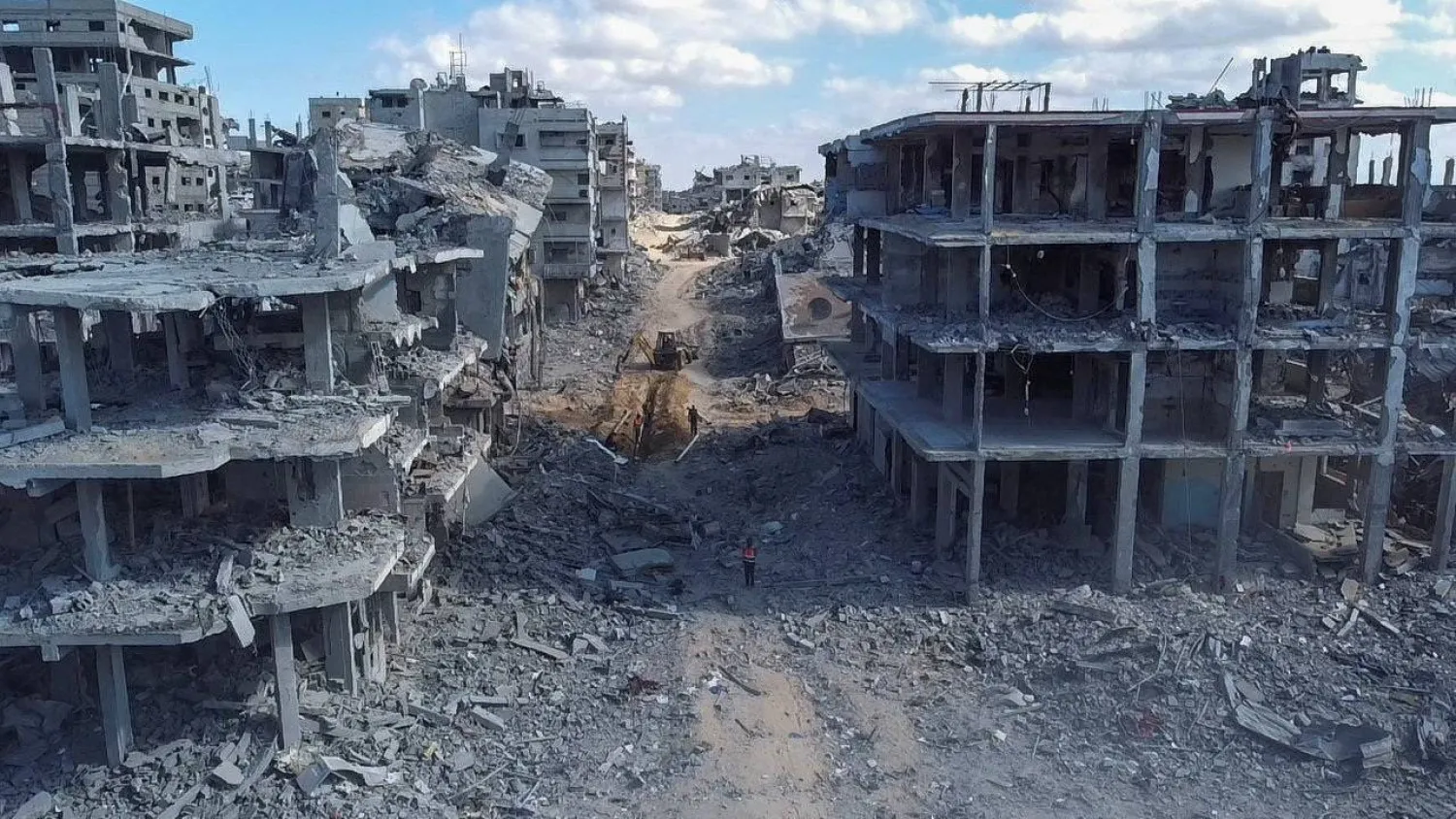

Israel may carry out additional strikes against Hamas in response to what it described as the group's "violations" of a ceasefire agreement on Sunday, a military official said.
The official, briefing reporters, said there were at least three incidents on Sunday in which Hamas fired towards Israeli troops behind the "yellow line", where Israeli forces had pulled back under the ceasefire agreement.
Residents in Gaza and local health authorities said that Israeli airstrikes and tank fire across the enclave killed at least 11 people.
Prime Minister Benjamin Netanyahu said that he had ordered the military to respond forcefully to what he described as Hamas' violations of the ceasefire.
However, Hamas' armed wing said in a statement that it remained committed to the ceasefire agreement in all of Gaza, adding that it was unaware of clashes in Rafah and that it has not been in contact with groups there since March.
The flare-up was the most serious test yet to the Gaza ceasefire, which took effect on October 11 halting two years of war and further dimmed hopes that the US-mediated truce would lead to a lasting peace.
The Israeli government and Hamas have been accusing each other of violations of the ceasefire for days, with Israel saying the Rafah border crossing between Gaza and Egypt will remain closed until further notice.
Rafah has largely been shut since May 2024. The ceasefire deal also includes the ramping up of aid into the enclave, where hundreds of thousands of people were determined in August to be affected by famine, according to the IPC global hunger monitor.
Israel and Hamas have been engaged in a dispute over the return of the bodies of deceased hostages. Israel demanded that Hamas fulfill its obligations in turning over the remaining bodies of all 28 hostages.
Hamas has returned all 20 live hostages and 12 of the deceased but said the process needs effort and special equipment to recover corpses buried under rubble.
Formidable obstacles to Trump's plan to end the war still remain. Key questions of Hamas disarming, the governance of Gaza, the make-up of an international "stabilization force", and moves towards the creation of a Palestinian state have yet to be resolved.