
Egyptian Intelligence Chief Major General Hassan Rashad visited Israel on Tuesday as part of mediator-led efforts to solidify the ceasefire in Gaza, marking a turning point in bilateral relations that have faced mounting tensions since Israel’s war on the Gaza Strip two years ago.
The strains had escalated to fears of a possible military confrontation, alongside accusations of breaching the 1979 peace treaty.
Rashad’s visit, the first by a senior Egyptian official since the war, included a meeting with Israeli Prime Minister Benjamin Netanyahu.
According to a statement from Netanyahu’s office, the two discussed Egyptian-Israeli relations and strengthening peace between the two countries, which observers described as “the beginning of tension containment.”
The deterioration in relations had reached low points over Israel’s control of the “Philadelphia axis” and oversight of the Palestinian side of the Rafah crossing, which Egypt refused to recognize.
Egyptian President Abdel Fattah el-Sisi warned last September at the extraordinary Arab-Islamic summit in Doha that continued conflict in Gaza “undermines the peace process.”
He told the Israeli people: “What is happening now threatens the future of peace, your security, and the security of all peoples in the region, obstructing any chance for new peace agreements and jeopardizing existing accords with regional states. The consequences would be grave.”
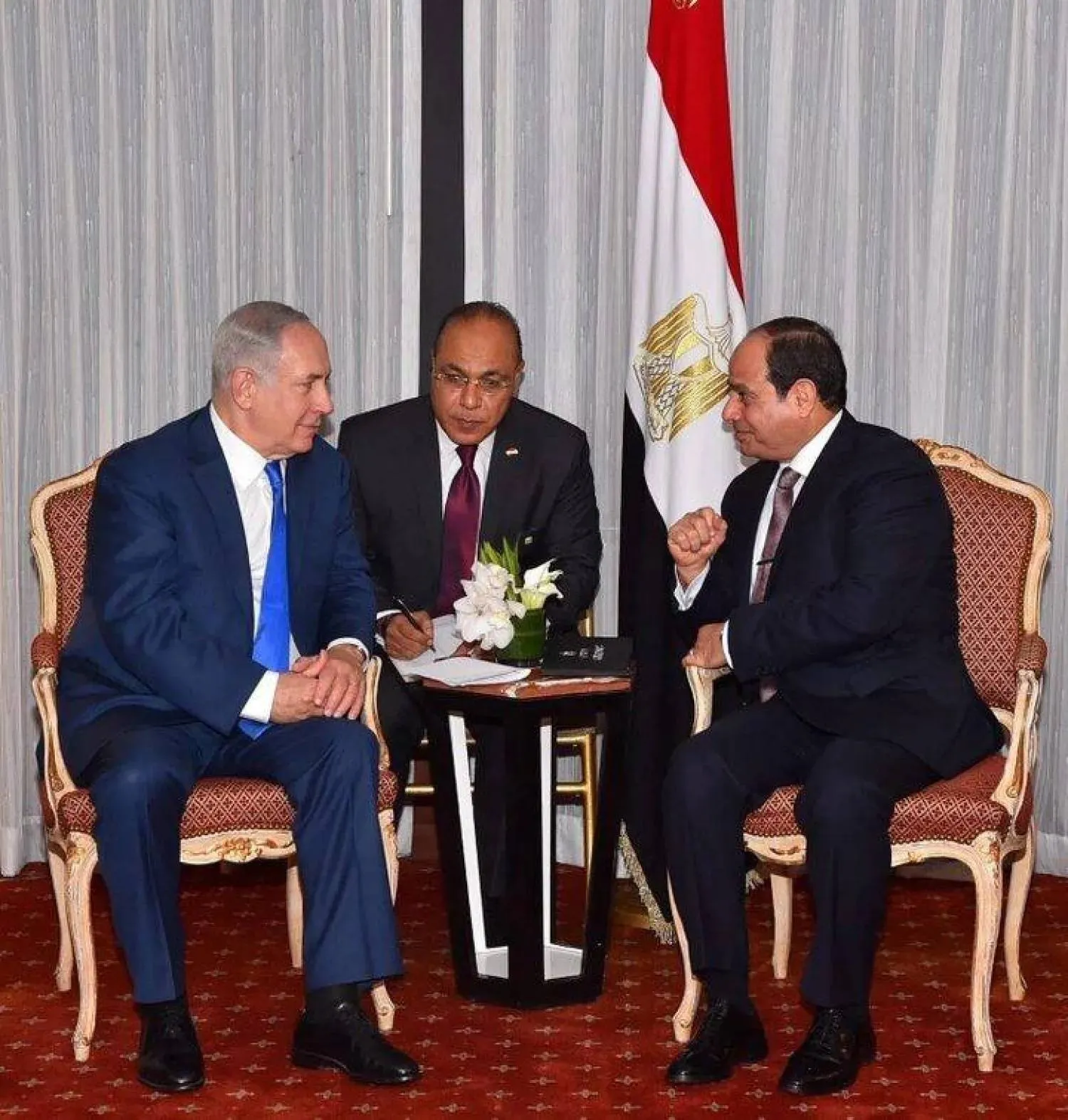
Military expert Brig. Gen. Samir Ragab, said Rashad’s visit is part of an Egyptian strategy to “penetrate decision-making circles in Israel,” building on contacts initiated between Sisi and Netanyahu during US President Donald Trump’s visit to Israel on October 13.
The Egyptian presidency said Sisi had received calls from Trump and Netanyahu, with Netanyahu agreeing to attend a peace summit in Sharm El-Sheikh—a decision he later reversed, citing the proximity of Israeli holidays.
Ragab added: “Tensions between Egypt and Israel remained within a framework of peace. Even during periods of reduced communication, relations never broke off completely. Now, they are returning to high-level engagement.”
Israeli media have repeatedly accused Egypt of violating the peace agreement. Last month, the US outlet Axios reported that Netanyahu asked the Trump administration to pressure Egypt to reduce its “current military buildup” in Sinai.
Egypt’s State Information Service responded swiftly, asserting that “the forces deployed in Sinai are primarily tasked with securing Egypt’s borders against all threats, including terrorism and smuggling.”
Reports from several Israeli media outlets in recent months indicated that President Sisi had refused calls from Netanyahu, while Cairo also delayed appointing a new ambassador to Israel and did not approve the credentials of Israel’s ambassador.
Yahya Kadawani, a member of the Egyptian House of Representatives’ Defense and National Security Committee, described Rashad’s visit as “important and aimed at preventing a flare-up, especially given Israeli violations of the ceasefire in recent days, which have obstructed the second phase of the agreement.”
The second phase involves discussions on rebuilding Gaza, the future of Hamas’ weapons, and post-war administration of the Strip. Cairo is preparing to host a Gaza reconstruction conference in November.
Ragab emphasized the visit’s significance, noting that “working solely with a negotiating team will not achieve the desired outcomes in upcoming stages, particularly given Netanyahu’s known centralization of power. Egyptian presence in Israel is crucial to influence Netanyahu’s decisions, advance the Gaza ceasefire, and implement subsequent phases.”
Kadawani told Asharq Al-Awsat the visit “marks the start of easing tensions between the two countries, while Egypt monitors Israel’s next steps and commitment to the agreement.”
Ragab said the visit aims not only to “ease tensions” but also to “bridge gaps and shift positions.” “Rashad is the highest-ranking Egyptian official on this file after the president, making this a high-level visit essential for advancing the peace process,” he said.
The military expert added: “Egypt has been able to influence Hamas; now that influence needs to extend to Israel. We are beginning to see some thawing of its previously frozen positions.”
Ragab did not rule out “repeat visits by Rashad or other Egyptian officials to Israel in the coming period if necessary,” predicting that “the intelligence chief’s visit will bear fruit and open a path for communications and negotiations with delegations.”