



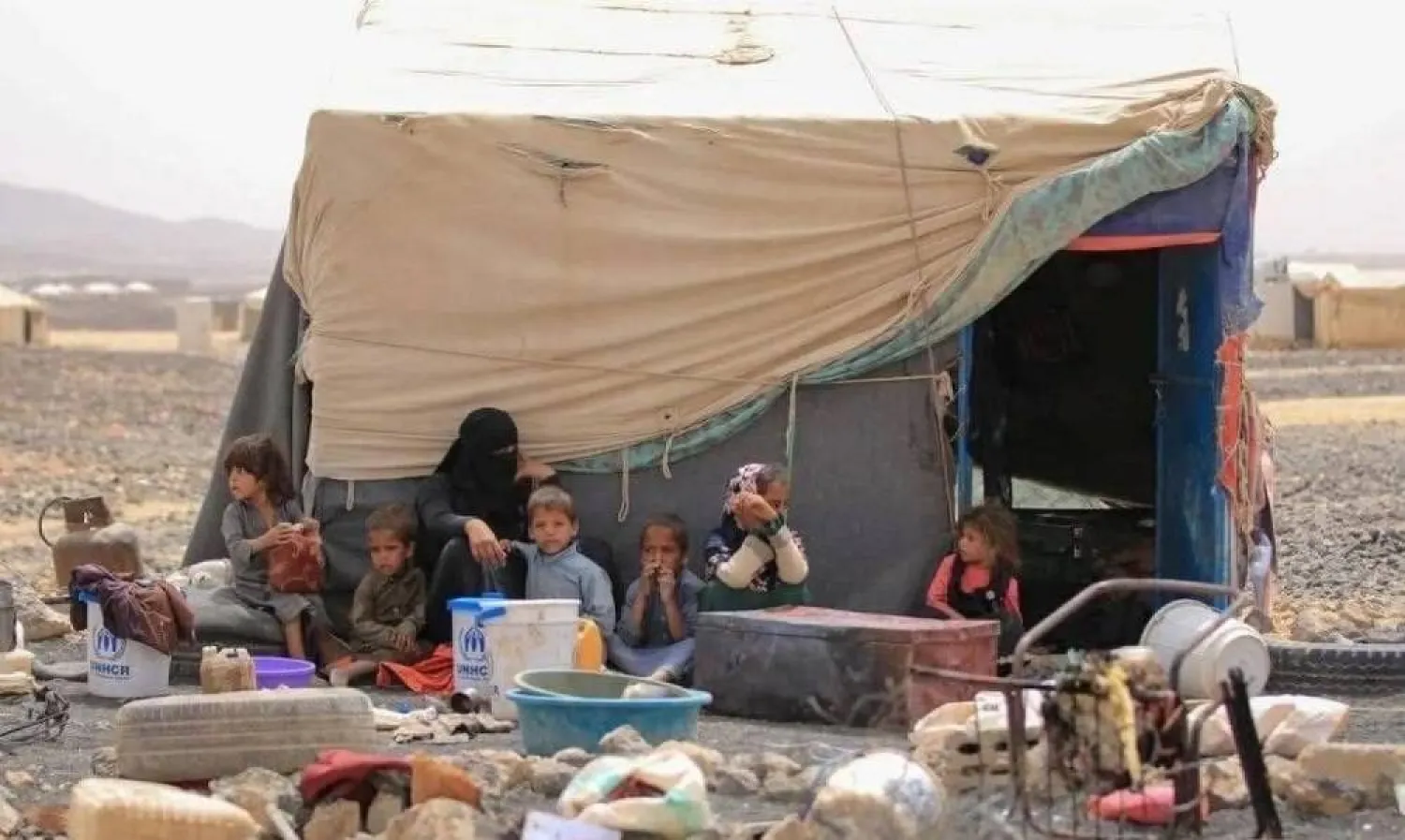

When the Houthis closed UN offices in areas under their control about two months ago, two-thirds of Yemen's population were unable to meet their food needs, while half of households nationwide restricted adult food intake to prioritize children, recent humanitarian data showed last week.
In the government-controlled ports, food imports increased by 52% year-on-year, according to the same data.
In its Yemen Food Security Update, the World Food Program (WFP) said that in September, two months after Houthis suspended delivering and distributing aid in areas under their control, around 61% of surveyed households in Yemen struggled to meet their minimum food needs.
The 2025 Global Hunger Index indicates that hunger remains alarming in Yemen, with available indicators pointing to deteriorating conditions and that the country is likely to fall into the “extremely alarming” category, it said.
In Houthi-held areas, humanitarian agencies face crippling challenges in the operating environment, and all the program’s activities have been paused in northern Yemen as of August 31, it added.
“All governorates in Yemen remained above the ‘very high’ threshold of more than 20% for poor food consumption, with peaks recorded in Al-Bayda, Lahj, Raymah, Dhale, and Al-Jawf (43%-48%),” WFP said.
It added that to cope with food shortages, half of households nationwide restricted adult food intake to prioritize children.
Most vulnerable groups
Data also showed that internally displaced Yemenis (IDPs) are among the most vulnerable groups, particularly those living in camps.
In September, among IDPs, 42% reported moderate to severe hunger, while 26% among residents.
Begging was adopted by 8% of IDPs, with higher levels among those in camps (13%).
WFP remote monitoring data indicated a very low dietary diversity score among children aged 6-23 months, with a very high prevalence of severe child food poverty.
Self-reported diarrhea affected 34% of ill children under five, putting them at risk of acute malnutrition.
Meanwhile, in government-controlled areas, the cost of the minimum food basket (MFB) declined by 6% month-on-month and by 16% Year-on-year, the largest YoY drop recorded to date.
Key drivers include the market’s gradual self-correction following currency appreciation, continued decline in fuel prices, and strengthened market monitoring by the government.
However, economic challenges persist, as the IMF indicated critically low US dollar reserves in government-controlled areas, and public debt exceeded 100% of IRG GDP as of mid-2025.
WFP also noted that the 2025 Global Peace Index ranked Yemen as the fifth least peaceful country globally.
The continued attacks on Red Sea ports resulted in damage to infrastructure and reduced capacity, primarily triggering a 23% decline in food imports and 26% in fuel imports during January-September 2025 compared to the same period in 2024, it said.


