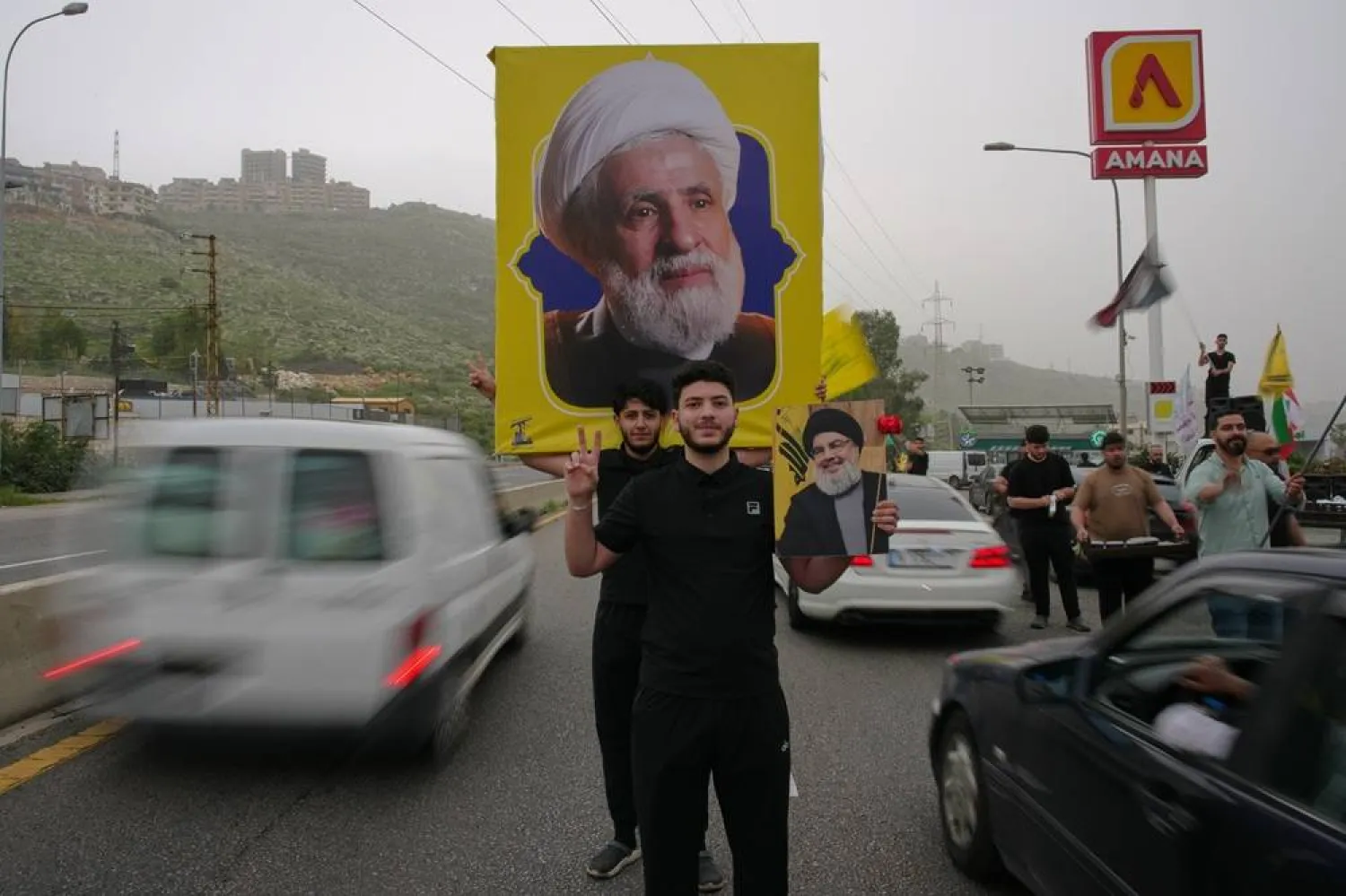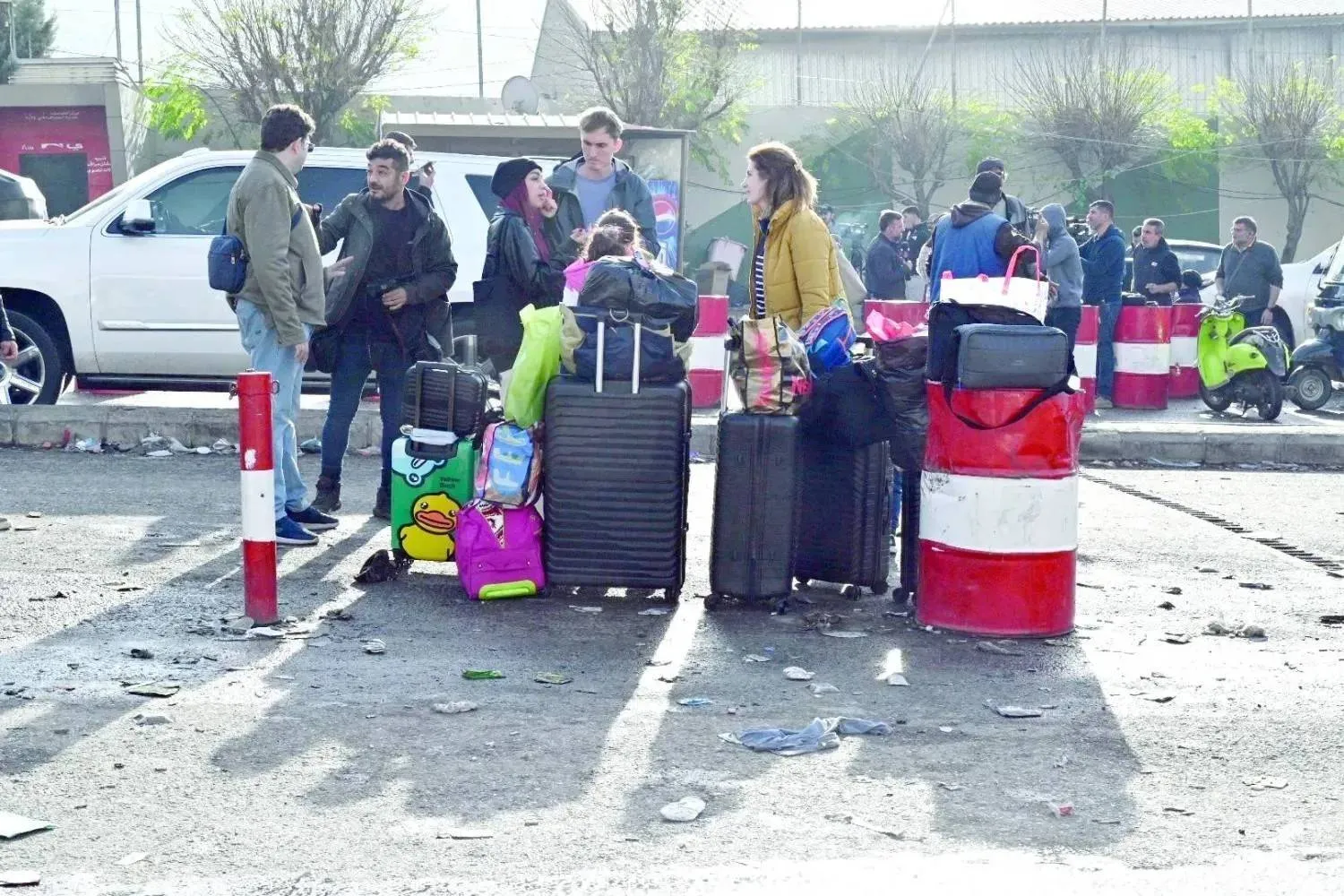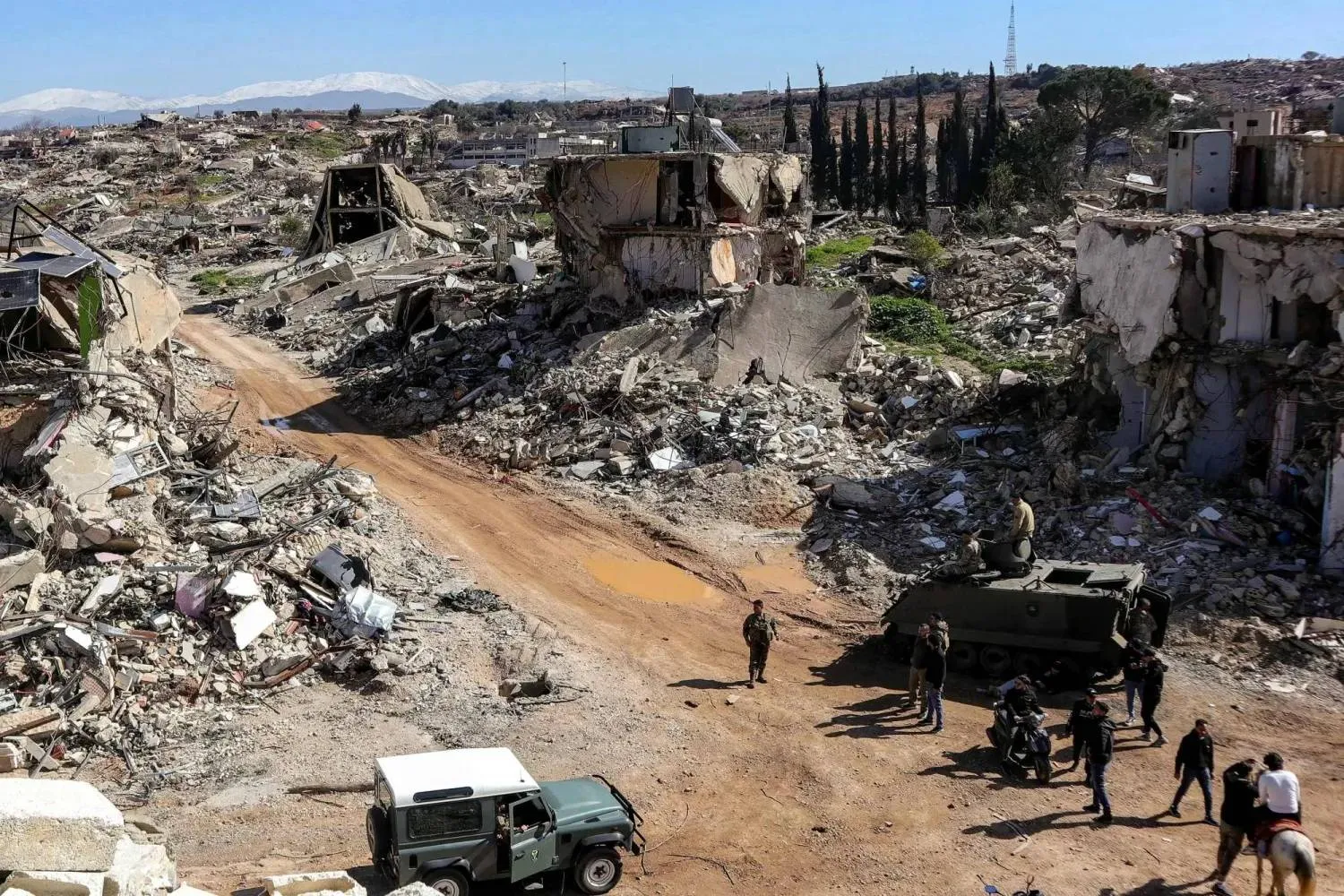

South Lebanon enters its first year after the ceasefire under a heavy scene where rubble mixes with fear, and the frontline villages live suspended between a fragile truce and a reality that has yet to close the chapter on war.
Twelve months after the ceasefire was announced, residents say calm has remained largely theoretical, while life on the ground still feels like the heart of a storm. Three testimonies from Aitaroun, Kfar Shouba and Houla paint a precise picture of a south caught between a fragile truce and deep anxiety.
Shifting Realities
Ali Murad from Aitaroun describes the first year after the truce in stark terms.
“A year after the ceasefire, residents of frontline villages, like Lebanese in general, continue to live with the consequences of Hezbollah’s military defeat, along with its strategic losses and the clear fragility of the southern landscape,” he told Asharq Al-Awsat.
Murad says the south is “destroyed,” adding that frontline villages are in extremely difficult condition and still have no practical plan for return or reconstruction. He says people are living “a real sense of despair and an almost complete loss of confidence in the future amid persistent violations and the absence of any clear horizon.”
He argues that Hezbollah’s refusal to acknowledge the scale of the south’s difficult reality and its failure to shift to a new political approach are preventing the protection of civilians. The group, he says, no longer has the military capability to confront Israel as it once did, while the priority now should be safeguarding residents and reinforcing national unity.
“What is needed is to recognize the changes and deal with them with political realism rather than denial,” he adds. Southerners, he says, “understand that an entire era has ended and that their interest lies in adapting to the new reality in order to rebuild and return.”
He stresses that southerners today primarily want to return home, secure Israel’s withdrawal and end the attacks, hoping the 2024 war will be the last fought on their land.
Kfar Shouba
From the Arqoub area, Basel Saleh of Kfar Shouba offers a field-level view of what he calls a “cosmetic truce.”
“The agreement has not ended the danger or the attacks, nor has it dispelled the daily anxiety people live with,” he told Asharq Al-Awsat.
He says he can no longer visit his land regularly because of constant fear over the security situation, repeated attacks on shepherds and near-daily shootings and arrests along Kfar Shouba’s edges.
Saleh says the war not only restricted movement but also dealt a blow to what remained of social and economic stability.
Many residents, he adds, had to rebuild their lives elsewhere after the risks of returning home grew, and with time, returning became harder for families who had already moved schools and jobs to Beirut or outside the south.
Describing the devastation, he says the town “has been destroyed five times over the decades,” with residents paying heavy prices each time. Today they are again asking whether reconstruction is even possible amid ongoing threats and no guarantees.
“No one knows if a ground incursion or new occupation could wipe everything out again,” he says.
Agricultural lands have become hazardous zones, he adds, with many fields rendered inaccessible because of unexploded ordnance or shelling.
On living conditions, Saleh says southerners are “paying the price of war even if they are outside the village.” Inflation, financial collapse, soaring gold prices and declining remittances have deepened daily hardship.
“We entered the war while already collapsing, and the war only made everything worse, putting our lives under real existential threat.”
He concludes: “People are exhausted. They want to live two peaceful days before they die. They want to sleep without the sound of drones, shelling or sweeping fire, without fear of sudden evacuation or abandoning their homes. The war in Arqoub has not ended. Its humanitarian, social, economic and security consequences remain and are growing harsher.”
Houla
From Houla, Farouk Yaacoub speaks more bluntly, saying the truce “never reached” his town.
“This anniversary means nothing to border villages because we simply did not experience a ceasefire,” he told Asharq Al-Awsat.
“The decision that they call the end of the war did not apply to us. We still face near-daily shelling and ongoing attacks, and we are still under direct threat from the occupation. For us, the war never stopped.”
He says returning to the town is “almost impossible,” with residents afraid, houses destroyed and basic infrastructure absent.
“There is no electricity, no water, no healthcare, no form of normal life,” he adds.
Even those who returned did so unwillingly because they could no longer afford displacement. With soaring rents and economic collapse, many had no option but to return to damaged homes in high-risk areas.
Yaacoub says residents live in “real terror,” adding that the greater fear is not the shelling itself but the possibility of never returning to their land. “This fear follows us every day. We worry the area could become a new permanent reality.”
He concludes: “We are tired. This area has endured more than it can bear. We only hope our future is not this uncertain, and that we can return to our land and homes in a dignified and lasting way.”