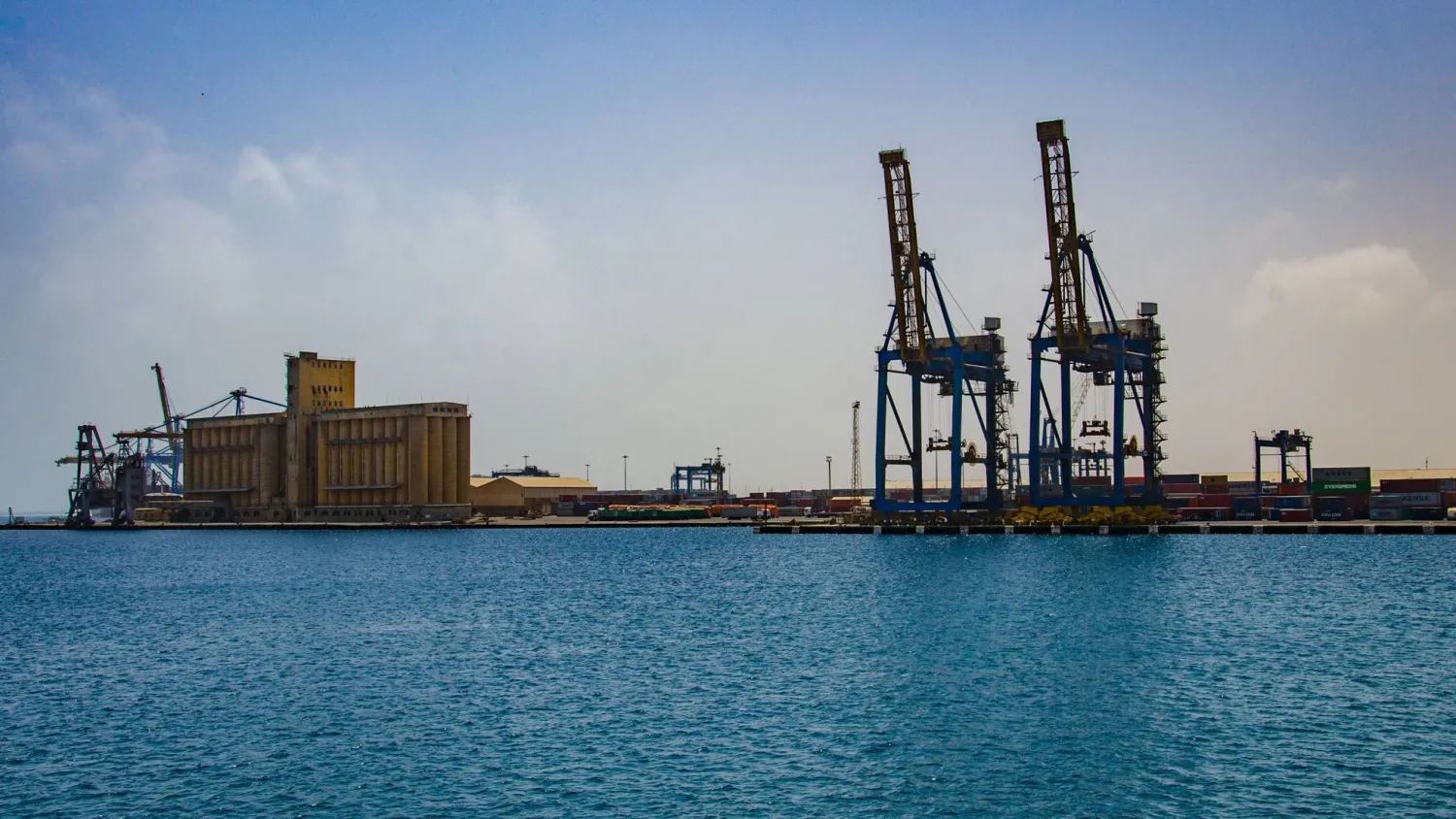

Sudan’s government, based in the interim capital Port Sudan, has offered Russia its first naval base in Africa and investments in the mining sector, particularly gold, in exchange for weapons, according to US and Sudanese sources.
According to Sudanese officials who spoke to the newspaper, the offer includes a 25-year agreement allowing Moscow to deploy up to 300 soldiers and four warships, including nuclear-powered vessels, in Port Sudan or another naval facility on the Red Sea.
The newspaper said the location provides Russia with a strategic foothold that directly overlooks trade routes passing through the Suez Canal, which handles about 12% of global trade.
The Wall Street Journal quoted a senior US official warning that a Russian base in Port Sudan or Libya “could expand Moscow's capacity to use force and allow it to operate without restraint.”
Retired General Mark Hicks, the former commander of US special forces in Africa, said the base “enhances Russia's international standing and expands its influence.”
This development comes while the Sudanese military leadership is seeking new sources of arms amid a fierce war against the Rapid Support Forces led by Mohamed Hamdan Dagalo.
The Journal said that according to a Sudanese official, the country needs air defense systems and advanced weapons, though “entering into a deal with Russia could create problems with the United States and the European Union.”
Meanwhile, sources cited by broadcaster Al Arabiya unveiled additional details of the new US proposal to end the fighting in Sudan.
The proposal is built on a three-track roadmap: military, humanitarian, and political that excludes elements of the former regime, Islamists, and the Muslim Brotherhood.
The sources said the military track addresses measures to achieve a full ceasefire and open corridors for a broad humanitarian operation that allows aid to enter and services to resume in all regions of the country.
It also calls for the formation of an international committee to monitor the ceasefire, secure humanitarian routes, protect civilians, and address any potential violations.
In the political track, Al Arabiya said the proposal outlines the launch of a political transition led by civilian forces, excluding members of the former regime and Islamist groups, to support the truce and lay the groundwork for a full end to the war.
The proposal also includes a comprehensive military and security reform process, involving the removal of Muslim Brotherhood-affiliated elements from the army and security agencies, restructuring these institutions through the integration of armed groups, and dismantling combat forces aligned with both sides, ultimately leading to a unified, professional army under civilian authority resulting from the political process.
Last September, US envoy Massad Boulos had submitted a similar roadmap to delegations from the Sudanese government and the RSF.
On November 25, he announced that both sides had not agreed to it, urging them to accept the US plan “without preconditions.”