


Britain Imposes Sanctions on RSF Leaders, Including Hemedti’s Brother

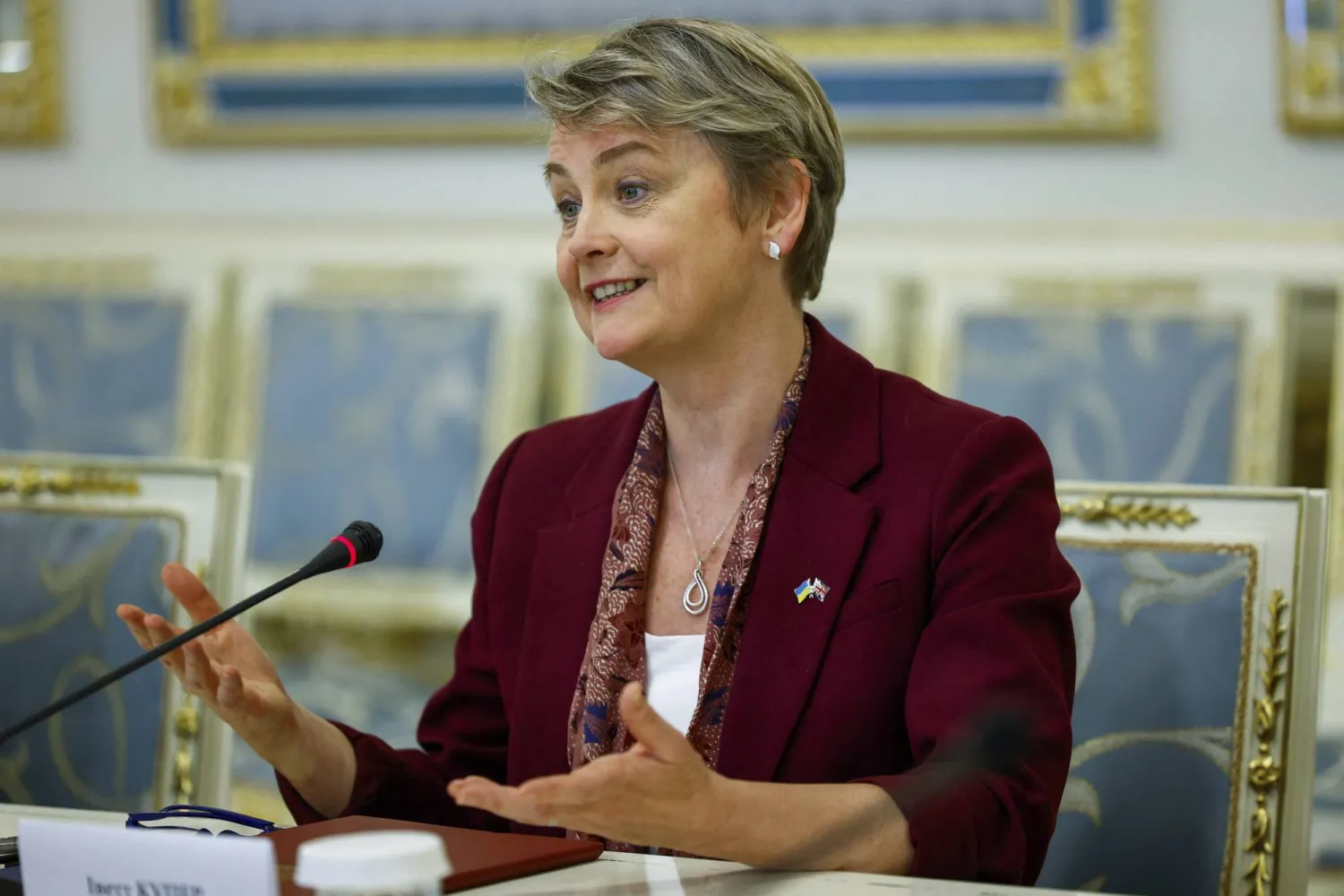
British Foreign Secretary Yvette Cooper. (AP)
TT

Britain Imposes Sanctions on RSF Leaders, Including Hemedti’s Brother

British Foreign Secretary Yvette Cooper. (AP)

Britain on Friday imposed sanctions on senior commanders of Sudan’s Rapid Support Forces (RSF), accusing them of involvement in mass killings, systematic sexual violence and deliberate attacks on civilians in Sudan.

The UK government said Abdul Rahim Hamdan Dagalo, the RSF’s deputy commander and brother of its leader Mohamed Hamdan Dagalo, known as Hemedti, along with three other commanders suspected of involvement in the crimes, are now subject to asset freezes and travel bans.

In an official statement, British Foreign Secretary Yvette Cooper said: “The atrocities taking place in Sudan are so horrific they scar the conscience of the world. The overwhelming evidence of heinous crimes - mass executions, starvation, and the systematic and calculated use of rape as a weapon of war - cannot and will not go unpunished.”

The RSF’s actions in el-Fasher are not random: they are part of a “deliberate strategy to terrorize” populations and seize control through fear and violence. The impact of their actions is visible from space. Satellite images of el-Fasher show blood-stained sand, clusters of bodies, and evidence of mass graves where victims have been burned and buried. There needs to be accountability for these actions, and urgent steps taken to avoid this happening again, it added.

Sanctioning RSF leaders suspected of mass killings and sexual violence in el-Fasher “sends a clear message that those who commit atrocities will be held accountable,” it continued, underscoring Britain’s commitment to preventing further crimes.

Those sanctioned include Abdul Rahim Hamdan Dagalo, the RSF deputy commander, whom the UK said there are reasonable grounds to suspect of involvement in mass killings, ethnically motivated executions, systematic sexual violence including gang rape, kidnapping for ransom, arbitrary detention, and attacks on health facilities and aid workers.

Also sanctioned is Gedo Hamdan Ahmed, the RSF commander in North Darfur, who is suspected of involvement in mass killings, sexual violence, kidnappings and attacks on medical teams and humanitarian staff.

The list further includes Al-Fateh Abdullah Idris, an RSF brigadier suspected of responsibility for violence against people based on ethnicity and religion and for deliberately targeting civilians, and Tijani Ibrahim Moussa Mohamed, an RSF field commander suspected of responsibility for the deliberate targeting of civilians in el-Fasher.

Britain urged all parties to the conflict to immediately end atrocities, protect civilians and remove obstacles to humanitarian access.

The government also pledged an additional £21 million to provide food, shelter, healthcare and protection for women and children in hard-to-reach areas on the brink of collapse. The funding, the statement said, will enable aid agencies to reach 150,000 people, meet basic needs, keep hospitals operating and reunite families separated by war.

The sanctions come after the United States, the United Arab Emirates, Egypt and Saudi Arabia proposed a three-month ceasefire plan in November, followed by peace talks. While the RSF initially accepted the plan, it later launched intensive drone strikes on army-held areas.

The war in Sudan, which erupted in April 2023 between the army and the RSF, has displaced millions.

Earlier this month, the UN Human Rights Council adopted a UK-led resolution condemning atrocities and mandating an urgent investigation into crimes committed in el-Fasher.

UN Secretary-General Antonio Guterres has described the war as a “scandal,” announcing plans to convene talks between the Sudanese army and the RSF in Geneva to press both sides to respect international humanitarian law, protect civilians and implement commitments made under the Jeddah Declaration.



Iraq to Keep Crude Output at 1.4 million bpd amid Hormuz Tensions, Oil Minister Says

Technicians working at the Majnoon oil field in Basra, Iraq. (Reuters)
TT

Iraq to Keep Crude Output at 1.4 million bpd amid Hormuz Tensions, Oil Minister Says

Technicians working at the Majnoon oil field in Basra, Iraq. (Reuters)

Iraq has decided to continue producing crude oil at a level of 1.4 million barrels per day, Oil Minister Hayan Abdel-Ghani said on Thursday, according to its state news agency, Reuters reported.

The minister said that 200,000 barrels per day are being transported via reservoirs through Türkiye, Syria, and Jordan, noting that Iraq has put in place a plan to manage the current situation, especially after the events in the Strait of Hormuz.


51 Crew Rescued, 1 Dead after Attack on Tankers Off Iraq

An oil tanker burns after being hit by an Iranian strike in the ship-to-ship transfer zone at Khor al-Zubair port near Basra, Iraq, late Wednesday, March 11, 2026. (AP Photo)
TT

51 Crew Rescued, 1 Dead after Attack on Tankers Off Iraq

An oil tanker burns after being hit by an Iranian strike in the ship-to-ship transfer zone at Khor al-Zubair port near Basra, Iraq, late Wednesday, March 11, 2026. (AP Photo)

More than 50 crew members were rescued after an attack on two oil tankers in Iraq's territorial waters, Farhan al-Fartousi of the port authorities told AFP.

Fartousi, from Iraq's General Company for Ports, said "all crew members of the two tankers were rescued," adding that the 51 workers were in good condition.

The attack killed at least one crew member, an Indian national.

Iran's Revolutionary Guards said Thursday they had struck a Marshall Islands-flagged ship, which they claimed was US-owned, in the north of the Gulf.

The vessel, Safesea Vishnu, came under attack March 11 while operating near Basra, India’s embassy said.

The remaining 15 Indian crew members were evacuated and are safe, the embassy added.


Israel Orders Army to Prepare for 'Expanding' Lebanon Operations

A man stands by the rubble of a destroyed building in the aftermath of overnight Israeli airstrikes in the southern Lebanese coastal city of Tyre on March 12, 2026. (Photo by Kawnat HAJU / AFP)
TT

Israel Orders Army to Prepare for 'Expanding' Lebanon Operations

A man stands by the rubble of a destroyed building in the aftermath of overnight Israeli airstrikes in the southern Lebanese coastal city of Tyre on March 12, 2026. (Photo by Kawnat HAJU / AFP)

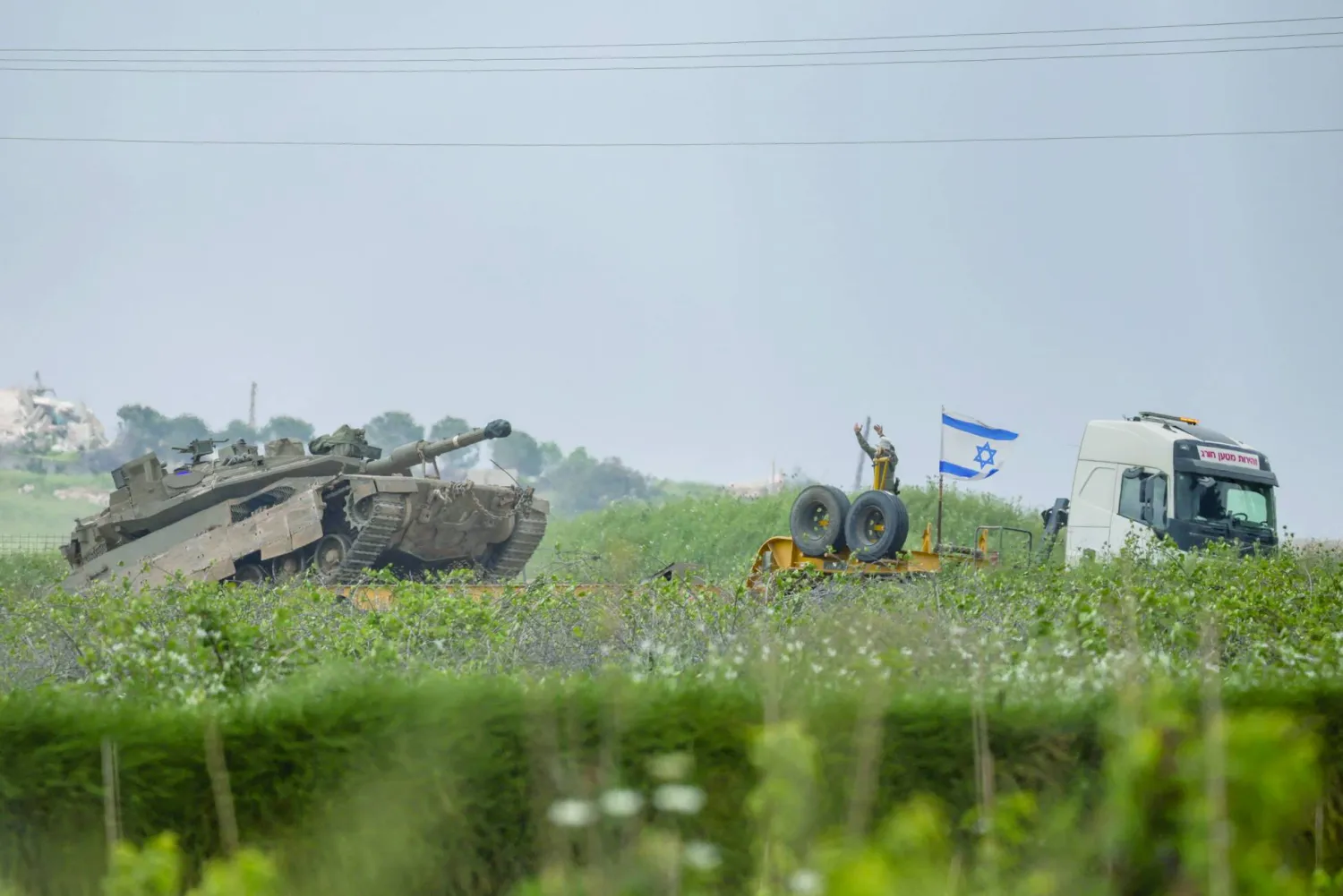
Israeli Defense Minister Israel Katz said Thursday that he had ordered the military to prepare for expanding operations in Lebanon after Hezbollah fired a heavy barrage of rockets ⁠at Israel overnight.

"The Prime Minister and I have instructed the IDF to prepare for expanding IDF operations in Lebanon and for restoring quiet and security to the northern communities," Katz was quoted as saying in a statement.

"I warned the President of Lebanon that if the Lebanese government does not know how to control the territory and prevent Hezbollah from threatening northern communities and firing toward Israel -- we will take the territory and do it ourselves," Katz said in a situation assessment, according to the statement from his ministry.


A man walks over blood stains, in the aftermath of an Israeli strike in Ramlet al-Bayda at Corniche Beirut, in Beirut, Lebanon, March 12, 2026. REUTERS/Claudia Greco


An Israeli strike hit a car Thursday in Ramlet al-Bayda, a major seaside tourist area of Beirut where dozens of displaced people have been sheltering. Eight people were killed and 31 others were wounded, the Lebanese Health Ministry said.

In Aramoun, a town about 10 kilometers south of Beirut, another three people were killed and a child was wounded in another early Israeli attack.

At least 634 people have been killed in Lebanon since the latest fighting began, the Health Ministry said.

Lebanon was drawn into the Middle East war last week when Hezbollah attacked Israel in response to the killing of Iranian supreme leader Ali Khamenei in US-Israeli strikes.

Hezbollah launched some 200 rockets at Israel’s north and deeper into the country overnight, the Israeli military says.

Many rockets were intercepted and no serious injuries were reported.