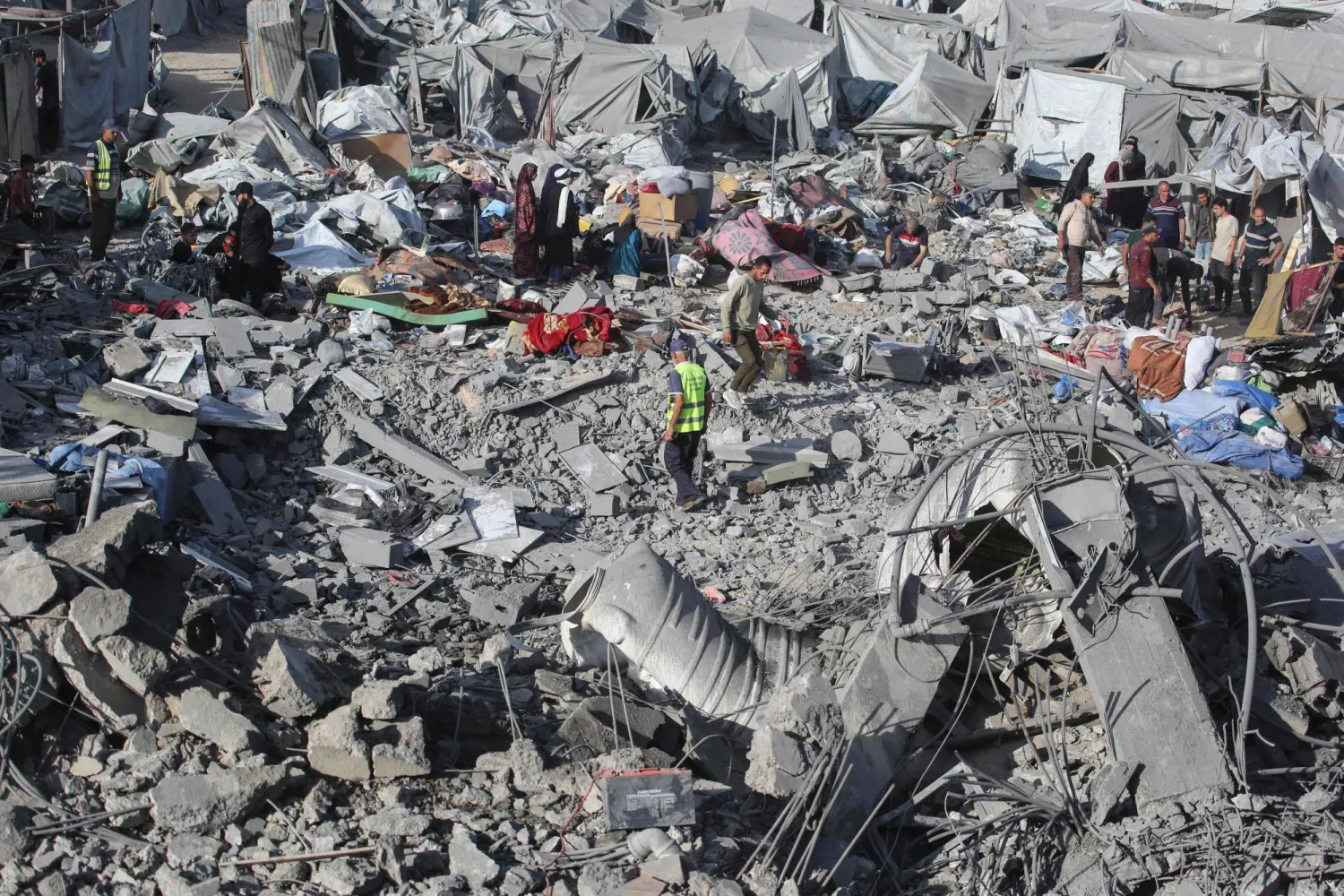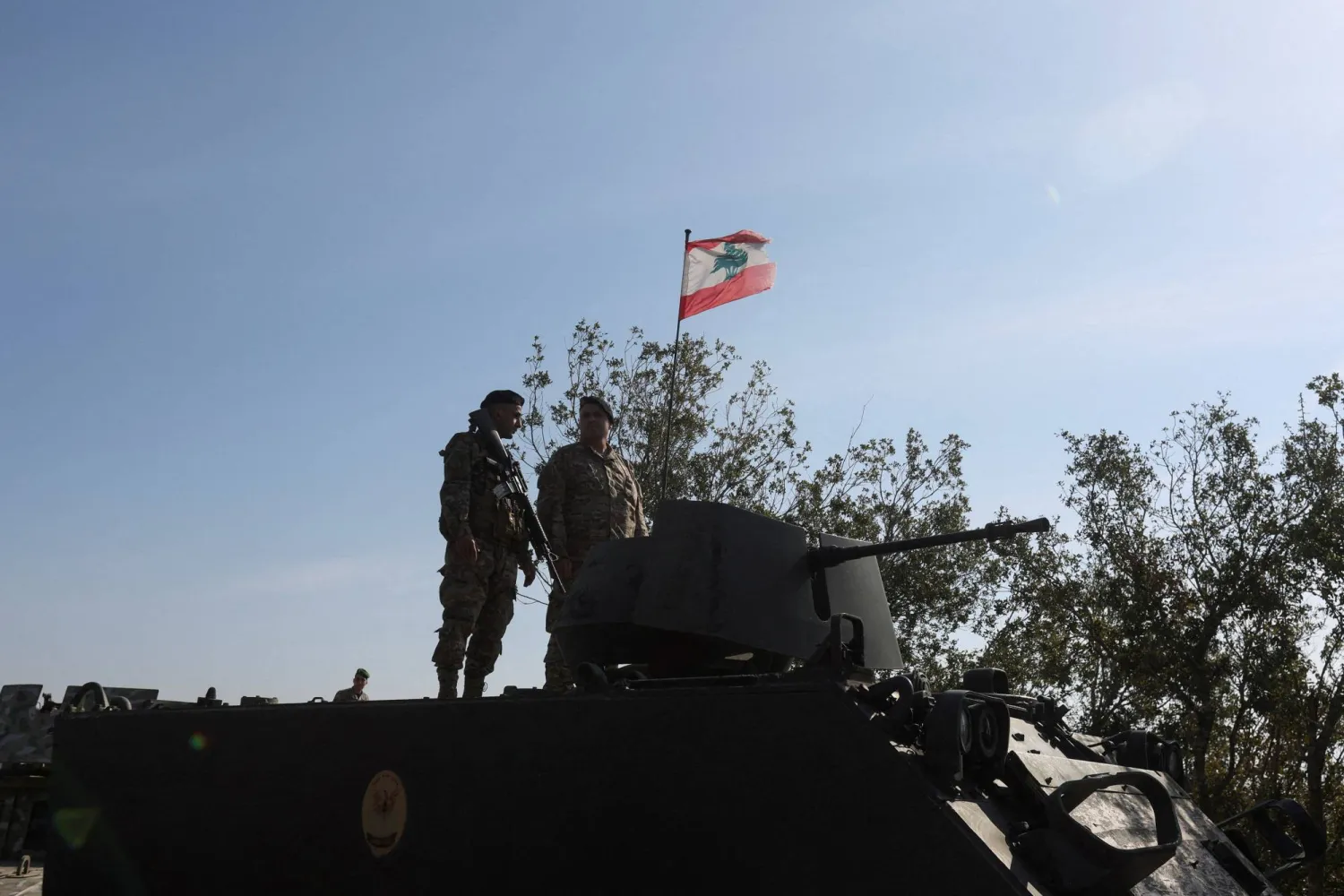

The Lebanese army has uncovered a tunnel built by Hezbollah in the southern town of Touline after carrying out an excavation at the request of the ceasefire oversight committee known as the Mechanism, Lebanese media reported. The site had previously been struck by an Israeli attack, according to the reports.
This was not the first time the Lebanese army has inspected sites at the request of the Mechanism or following Israeli threats, as part of coordination between the military, the committee overseeing the cessation of hostilities and the United Nations Interim Force in Lebanon (UNIFIL).
A similar inspection took place last week when the army conducted a thorough search of a building in the southern town of Yanouh after Israel threatened to strike the house.
No weapons were found. After the Lebanese army deployed, the Israeli military announced it had temporarily suspended the strike it had threatened on what it described as Hezbollah military infrastructure in the town.
The developments came as Israeli strikes on southern Lebanon continued, with an air raid on Wednesday hitting the town of Kfar Kila. No casualties were reported, said the state-run National News Agency.
Meanwhile, Deputy Prime Minister Tarek Mitri described the Mechanism as a “platform for discussion and a framework for oversight and verification of compliance with agreements”, stressing that Lebanon has adhered to its commitments since the first day of the 2024 ceasefire, while Israeli violations have continued.
On Hezbollah’s weapons, Mitri said during the opening session of the eighth conference of the Carnegie Middle East Center in Beirut that Lebanese army commander General Rodolphe Haykal had proposed a five-phase plan starting with strengthening the army’s capabilities.
He stressed that extending state authority in the area surrounding the Litani River was making gradual progress, with the army nearing completion of its mission south of the Litani in preparation for moving to later phases.
On reconstruction, Mitri added that the international community was making the extension of state authority a key condition for support. He hoped that Arab states would play a supportive role through their international relations.
The developments come ahead of a new meeting of the Mechanism tasked with monitoring the ceasefire, scheduled for Dec. 19.
It will be the second meeting attended by the head of the Lebanese delegation, Ambassador Simon Karam, after his participation alongside an Israeli civilian in the previous session earlier this month, marking the first direct talks between the two countries.
President Joseph Aoun met Karam on Wednesday and provided him with guidance ahead of the meeting.
The ceasefire monitoring committee includes Lebanon, Israel, France, the United States and the United Nations.
The ceasefire agreement stipulates a halt to hostilities, the withdrawal of Hezbollah north of the Litani River, leading to its disarmament across Lebanon, and the withdrawal of Israeli forces from positions they occupied during the latest war.
Israel, however, maintains a presence at five “strategic” sites inside Lebanese territory, while Hezbollah refuses to disarm.