



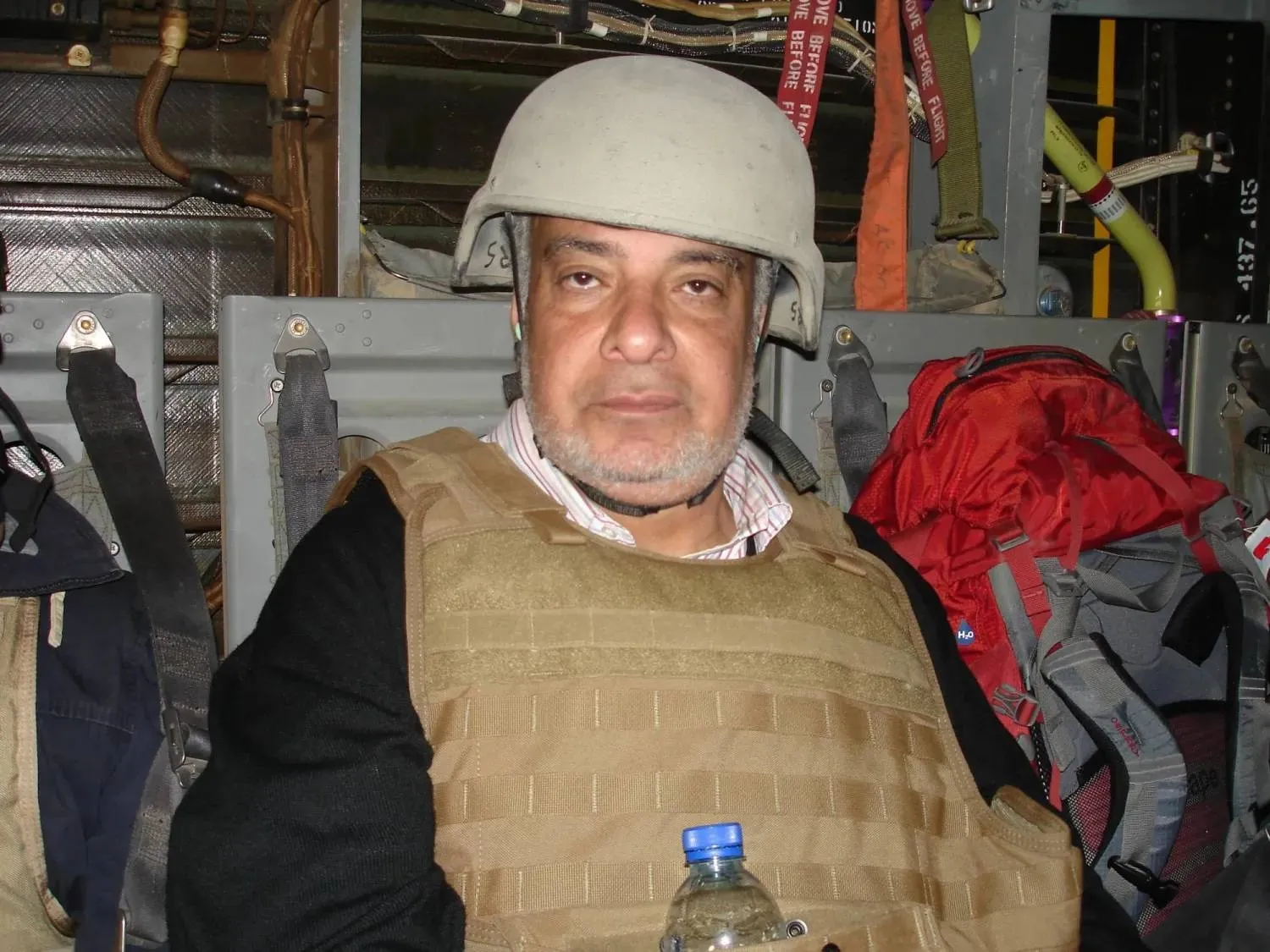

Mohammed al-Shafei, one of Asharq Al-Awsat's most prominent journalists, passed away at 74 on Wednesday, leaving behind a career that spanned over 40 years during which he tackled the thorniest and most complex files.
Al-Shafei specialized in extremist groups and was among the first journalists to have written about these issues in Arab press. He pursued his stories with strict professionalism, seeking out sources. He joined Asharq Al-Awsat in 1982, kicking off a long, dedicated career, marked by accuracy, commitment and high professionalism.
Al-Shafei was born in Egypt in 1951. He earned a Bachelor of Islamic Archeology from the University of Cairo in 1974. He traveled to London in 1977 and earned a Postgraduate Diploma in translation from the University of Westminster. He pursued further studies in journalistic translation at the School of Oriental and African Studies (SOAS) in the mid-1980s, forging his unique skills in handling foreign sources, complex documents and sensitive security and political texts.
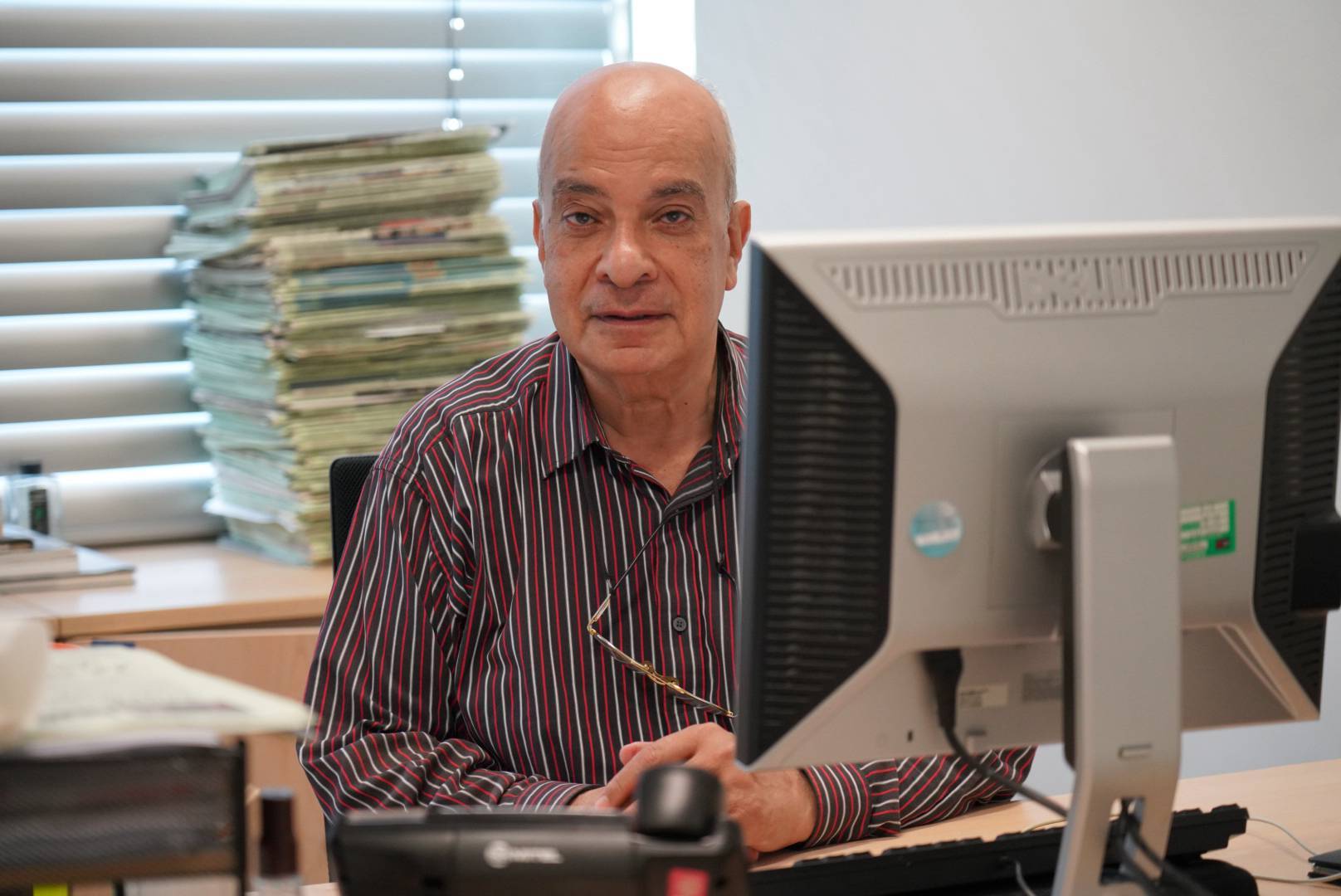
He kicked off his journalism career in London in the 1980s. He worked at several Arabic newspapers published abroad, including “Al-Muslimoon” newspaper that was published by the Saudi Research & Publishing Company (SRMG) and the London-based “Al-Arab” newspaper. He returned to SRMG by working for the “Al-Zahira” newspaper that was established after the Iraqi invasion of Kuwait. The years he will spend at the newspaper will shape his deep knowledge of regional conflicts and their complexities.
He joined Asharq Al-Awsat newspaper in 1991, starting off in the sports section, where he worked for 15 years, during which he showed high professionalism and a remarkable ability to follow up and analyze news before moving on to the next step in his career by handling the terrorism file. He became a pioneer in Arab journalism, relying on accurate documentation and deep analyses while steering clear of sensationalism in tackling the most sensitive issues.
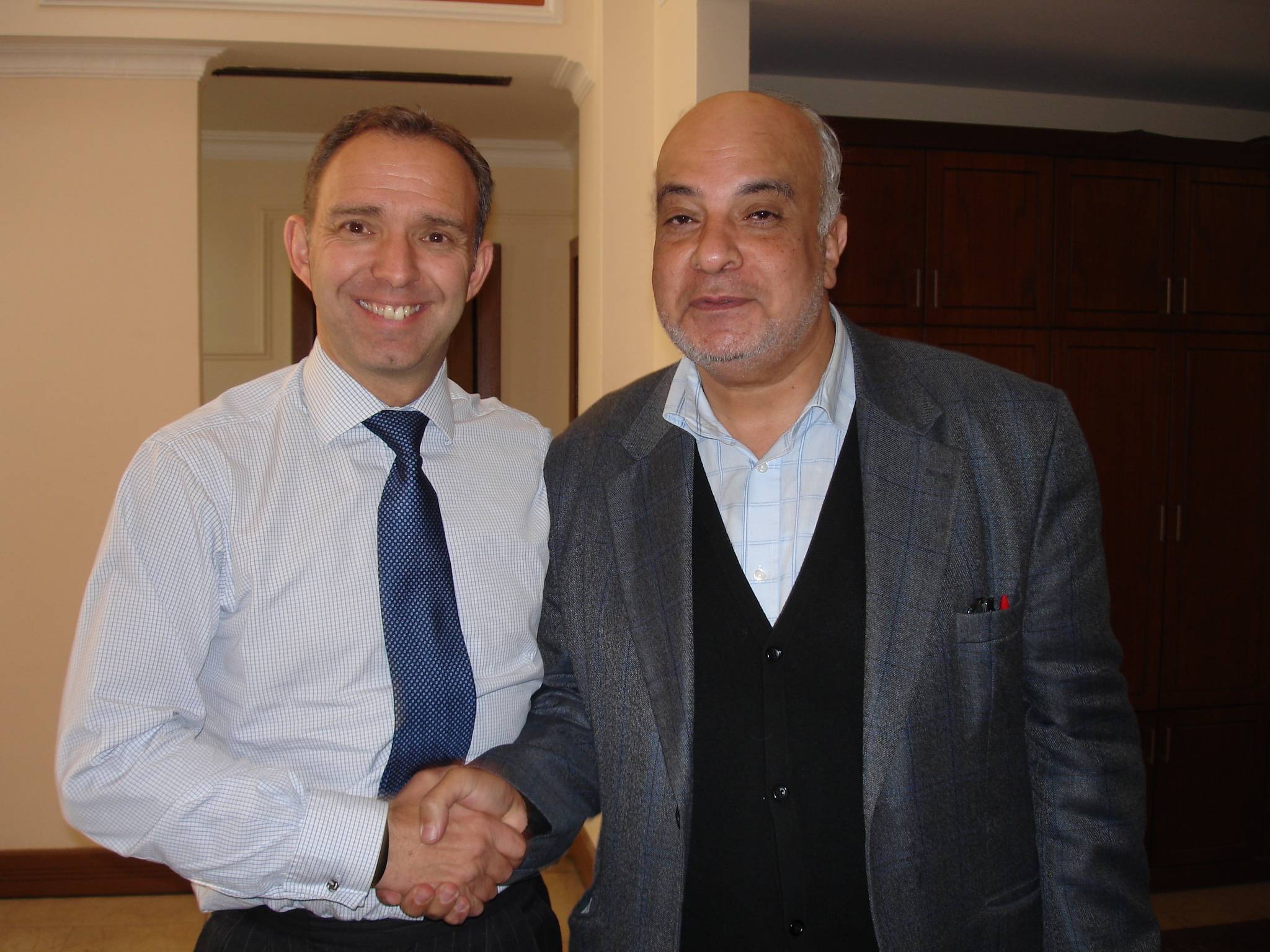
His accomplishments include holding direct interviews with senior al-Qaeda leaders, including Mullah Omar. He traveled to Afghanistan where he interviewed Taliban leaders during times of heightened tensions. The rare insights offered by his interviews became a main reference for researchers and journalists interested in jihadists groups.
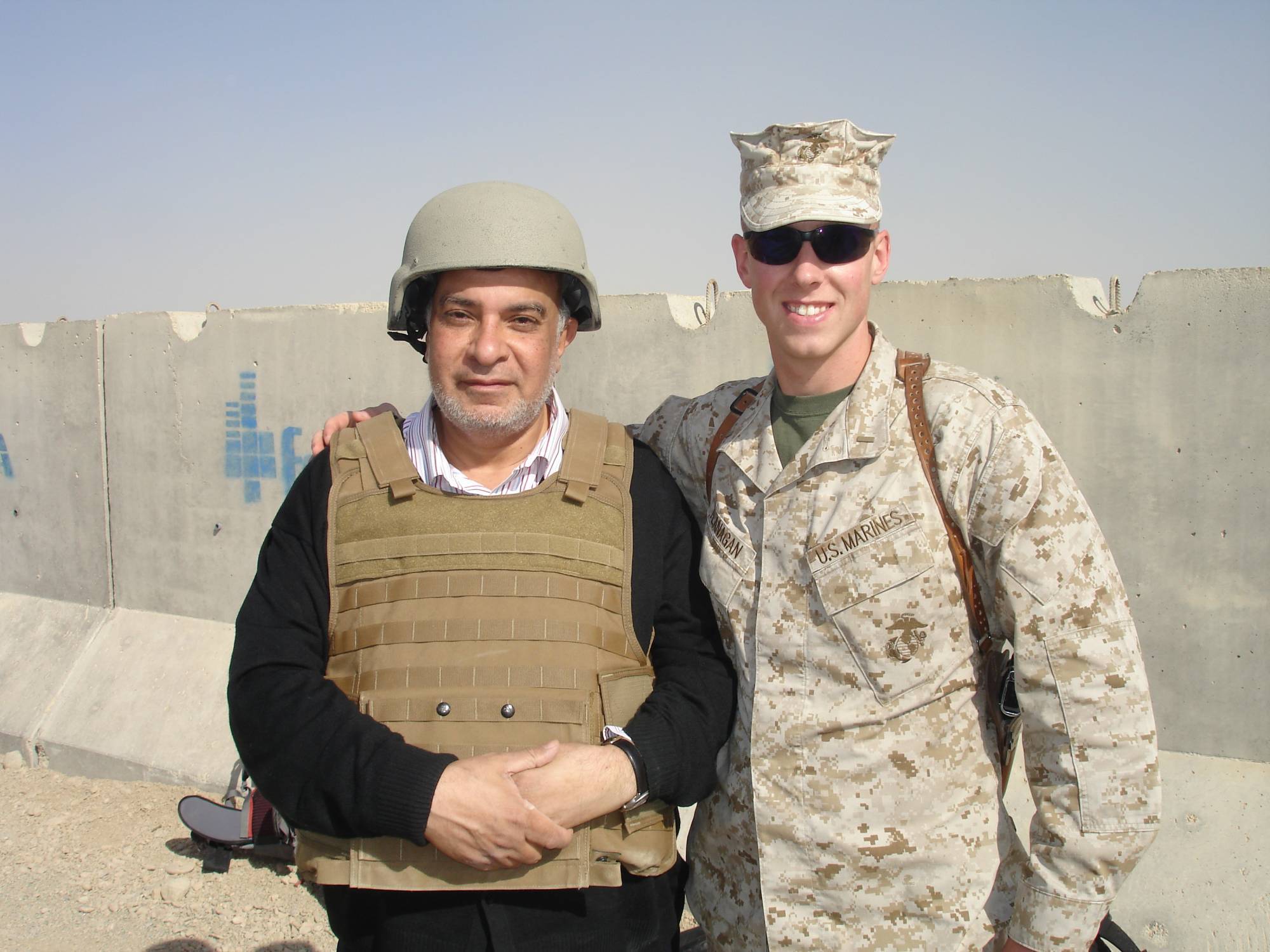
During the war on al-Qaeda, al-Shafei made several field visits to American bases in Afghanistan, joined international forces in conflict zones and carried out investigative reports from the battlefield, offering a glimpse of developments on the ground, the nature of the operations and the complexities of the scene, which was rare in Arab journalism at the time.
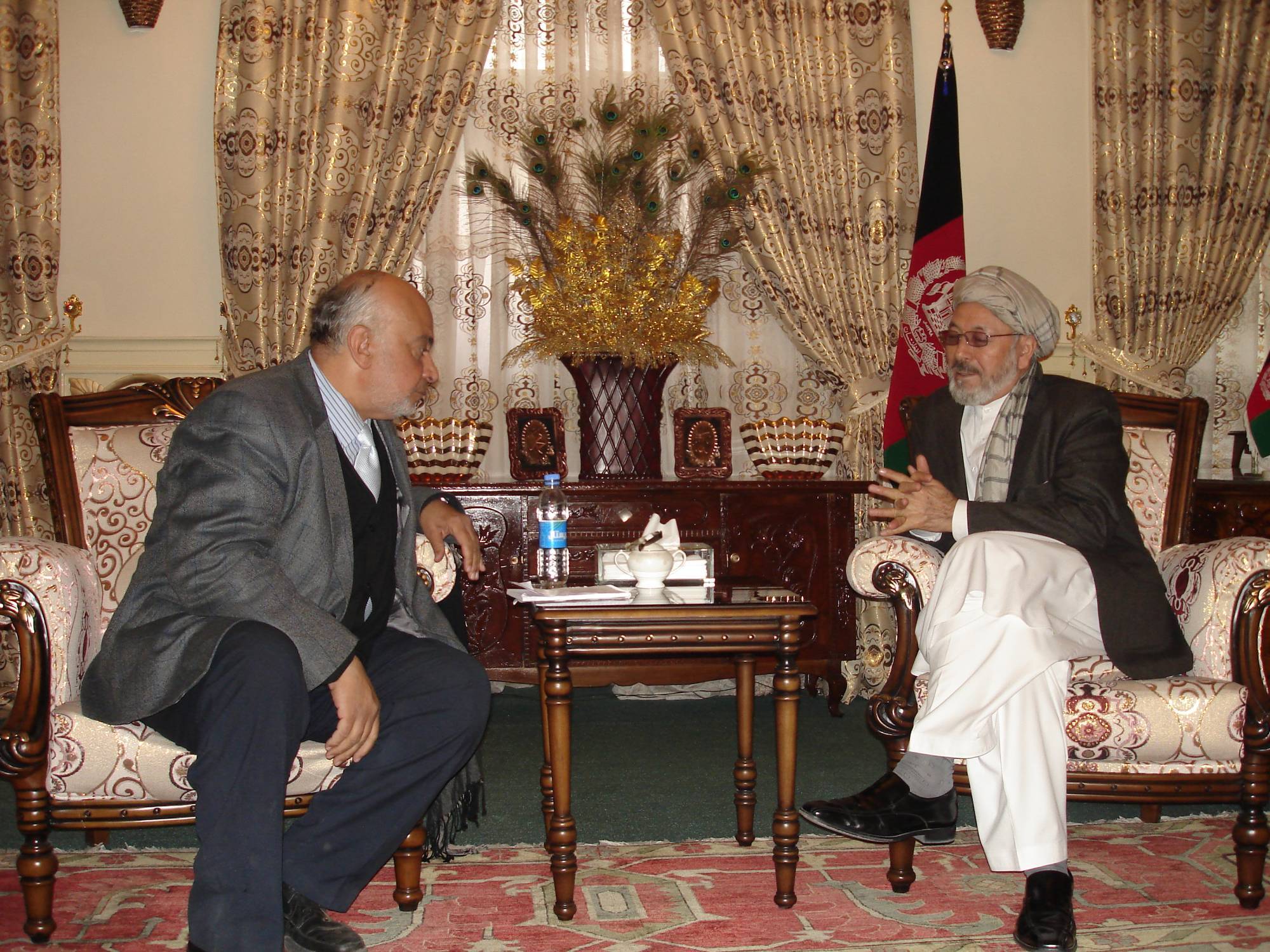
Al-Shafei also carried out several interviews of Osama bin Laden’s son, presenting a humanitarian angle of the news and underscoring his professional ability to reach what were perceived as inaccessible sources, all without losing his professionalism and objectivity.
He was among the few Arab journalists who carried out interviews from Guantanamo prison where al-Qaeda members were being detained. The interviews offered yet another rare insight into terrorism issues and how these groups operate.
Al-Shafei helped in writing the book, “Al-Qaeda’s Men in Iran... A Safe Haven and Suspicious Alliance”, which was a result of years of research. It is seen as one of the first Arab publications about Iran’s ties to al-Qaeda, revealing that they had existed for years and were based on mutual interests.
Al-Shafei married a Turkish woman in London in the late 1970s. They have a son and daughter. His son, Mahmoud, followed in his father’s footsteps, pursuing a career in journalism. He worked for Asharq Al-Awsat for three years.
Hours before his passing, al-Shafei remained dedicated to his profession. He wrote several articles that he sent to Asharq Al-Awsat and was in touch with his colleague by telephone to follow up on his work as was his habit throughout his career. With his passing, Arab journalism loses a calm and hardworking journalist, who was known by his colleagues for his discipline and humility.


