




Amid rapidly evolving developments on the ground led by the leadership of the Coalition Forces to Restore Legitimacy in Yemen, efforts are continuing to normalize life in Aden, the country’s temporary capital, within a comprehensive vision aimed at restoring the city’s civil character and strengthening the role of the state and its service and security institutions.
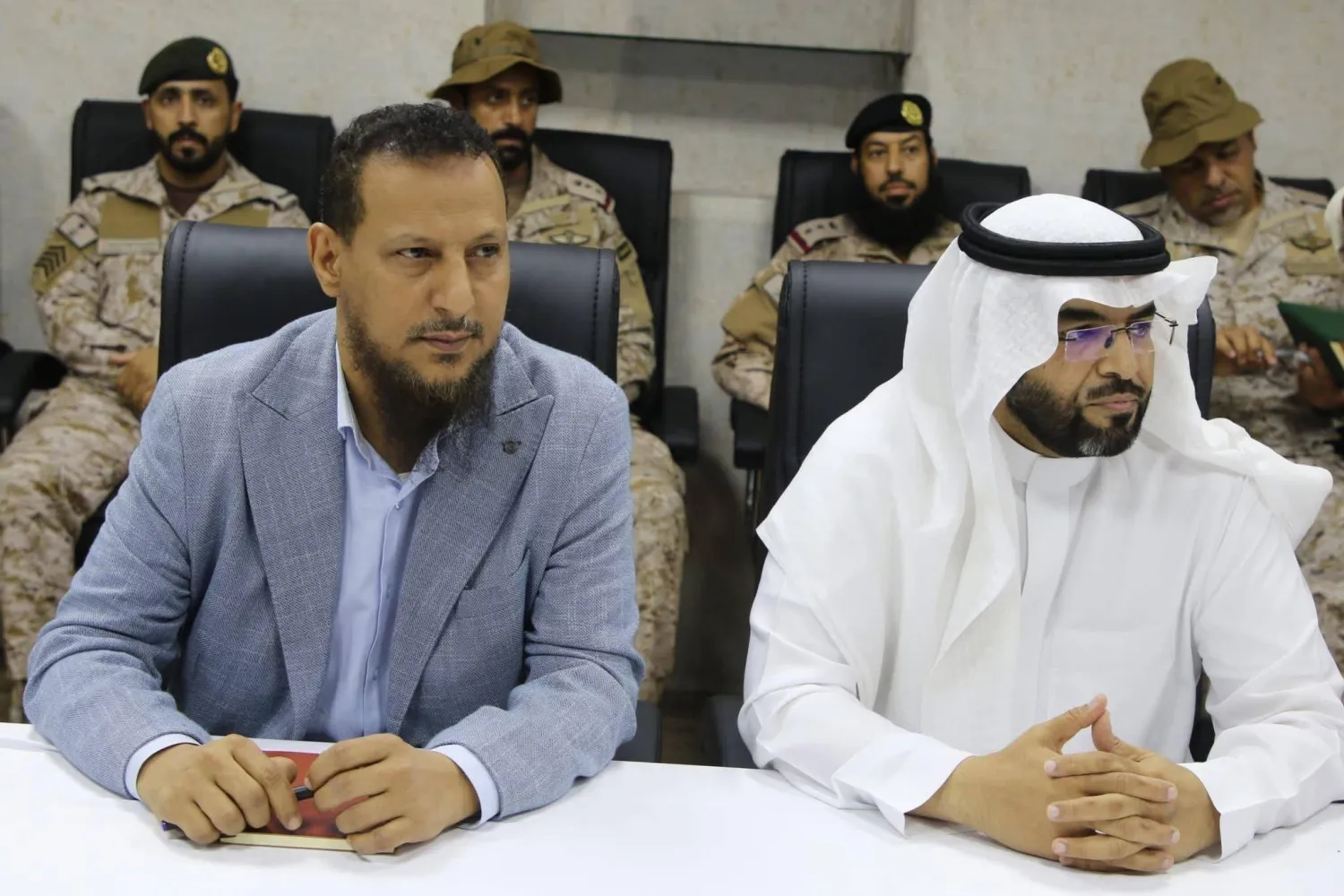
Major General Falah Al-Shahrani, adviser to the Coalition Forces to Restore Legitimacy in Yemen, has intensified meetings with representatives of civil sectors, activists, and media professionals, seeking to build broad partnerships with Aden’s community and expand participation in shaping and implementing a plan to restore the city’s civil identity after years of conflict.
Alongside the daily follow-up of plans to remove military camps from Aden and restructure and integrate security units, the adviser to the joint forces is giving particular priority to basic services—especially electricity and water—viewed as a practical gateway to restoring public trust and improving living standards.
Al-Shahrani has also been holding regular meetings with journalists, activists, and community figures, listening to their views on the challenges facing the city and the aspirations of its residents in this new phase. Many hope this stage will restore Aden’s economic, cultural, and social standing as one of the oldest cities that embodied values of coexistence and openness.
Participants in these meetings stressed the importance of granting Aden’s residents a greater and more meaningful role in decision-making, noting that they had suffered marginalization in previous periods and that any successful plan to restore the city’s civil character must begin with their inclusion as direct stakeholders.
They also emphasized the need to give top priority to the education sector, describing it as the cornerstone of reconstruction and sustainable development and the primary foundation for rebuilding civic awareness and entrenching a culture of the rule of law.
Participants further called for directing support toward sustainable projects, foremost among them the rehabilitation of buildings damaged by the Houthi invasion of the city in 2015, given the direct impact of such projects on residents’ lives in terms of housing, services, and economic activity.
They noted that discussions with Al-Shahrani were marked by seriousness and transparency, reflecting the Coalition leadership’s determination to listen directly to public concerns beyond rigid official frameworks.
They affirmed that they sensed a genuine commitment and a clear vision to rebuild what the war had destroyed in Aden and other liberated provinces, in parallel with efforts to consolidate security and stability.


