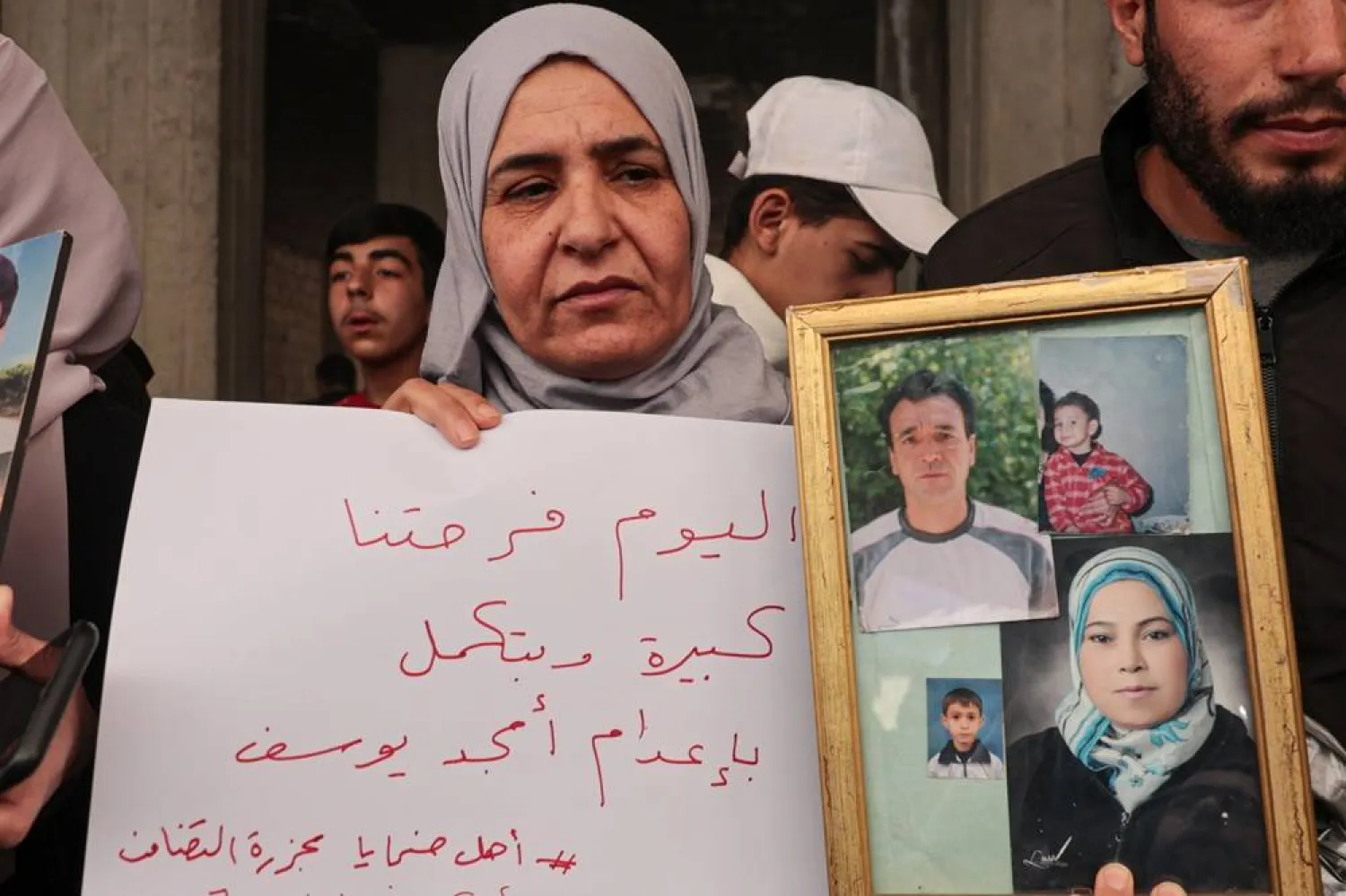

For many residents of Damascus’ Tadamon district, Friday felt like a holiday.
Celebratory chants rang through the streets and women handed out sweets after authorities officially announced the arrest of “Amjad Youssef,” 40, a criminal who was a former member of military intelligence under Bashar al-Assad and the main suspect in the Tadamon massacre during the early years of the uprising.
Residents of the district in southern Damascus woke up to a statement by the Interior Ministry announcing a “precise security operation” that led to Youssef’s arrest.
The ministry said he was the main suspect in the massacre in Damascus, in which dozens of innocent people were killed.
The ministry said surveillance and tracking operations had continued for several days before the raid was carried out in the Ghab region in rural Hama, adding that efforts would continue to pursue the remaining perpetrators and bring them to justice.
Justice Minister Mazhar al-Wais said Youssef’s arrest was “proof that the state is moving steadily on the path of accountability and preventing impunity.”
In a post on X, Wais said: “Justice will take its course in a way that ensures fairness for the victims and preserves their dignity.” He thanked the security forces for their efforts in pursuing those involved and bringing them to justice.
Syrian Interior Ministry spokesman Nour al-Din al-Baba said Youssef had been on the list of the most wanted suspects since the beginning of Syria’s liberation and the fall of the former regime because of the global impact of the massacre and its brutality.
Baba said security agencies had made several attempts in recent months to locate and arrest Youssef, including one in September that failed. Monitoring continued until his approximate location was identified about a month ago in the village of Nabaa al-Tayeb in rural Hama.
He said Youssef had left Syria after his identity was revealed following the circulation of videos documenting the massacre, before later returning to Damascus and maintaining ties with military intelligence until liberation.
He then went into hiding, moving between several areas, including the Qardaha countryside and Ghab area.
Local media quoted Abdul Basit Abdul Latif, Chairman of the National Authority for Transitional Justice, as saying Youssef’s arrest was “a pivotal step on the road to justice. These crimes are not subject to a statute of limitations, and the rights of the victims will not be forgotten. Accountability is coming, and justice will continue until the end.”
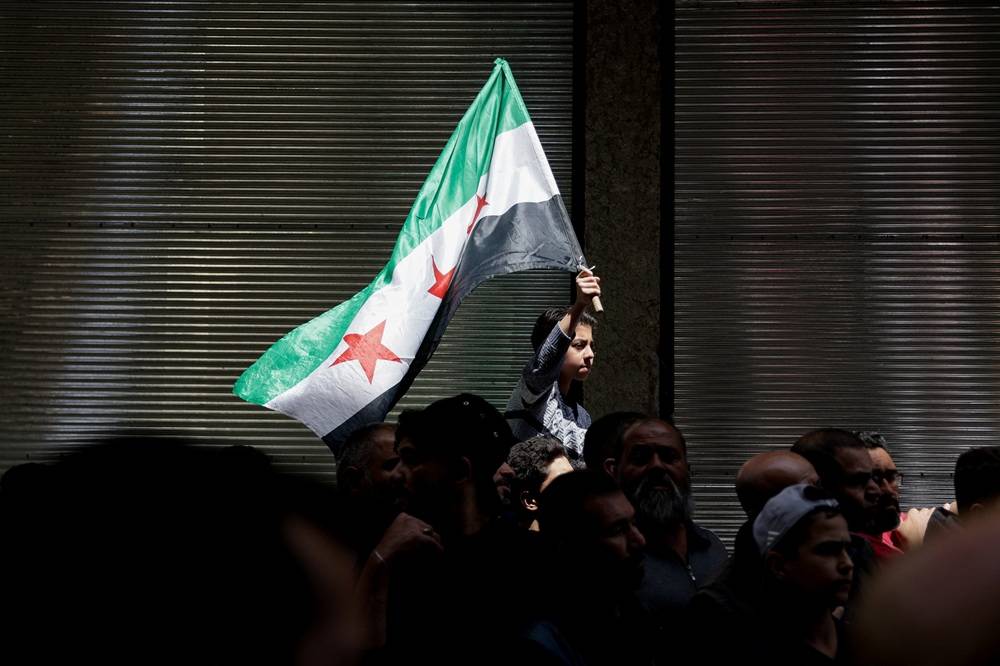
Crowds gathered outside Al-Zubair Mosque in the center of Tadamon following the news.
After Friday prayers, worshippers chanted “God is greatest” and demanded the arrest and punishment of the remaining criminals, including Fadi Saqr, who had led the National Defense Forces militia that supported the regime’s army during the years of the uprising. Residents accuse him of involvement in the massacre.
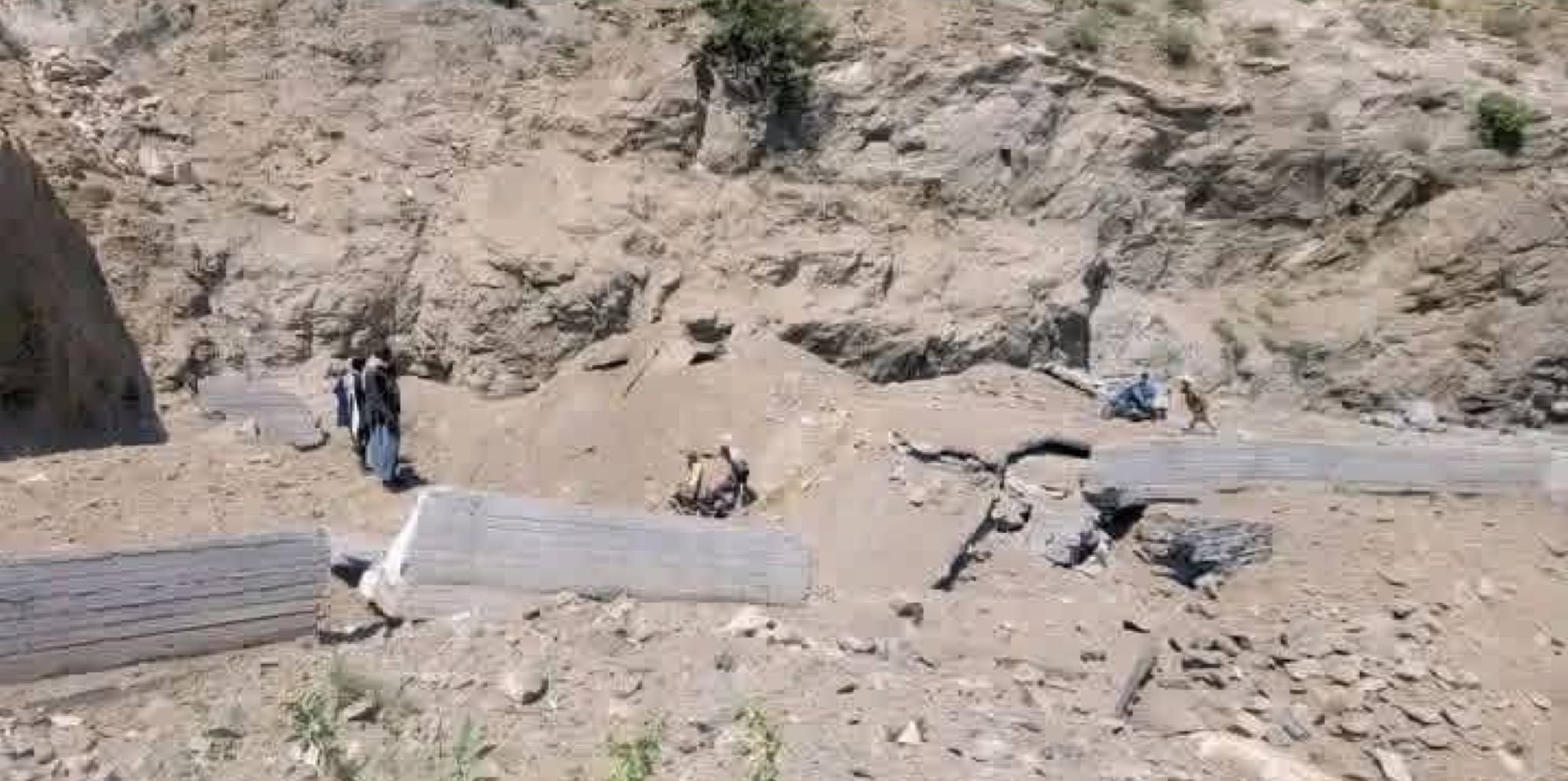
Participants marched from the mosque toward the massacre site in the far east of the district.
Abdul Moneim Zain al-Din, the “General Coordinator of the Syrian revolution,” told Asharq Al-Awsat during the march that “there are 27 videos of the Tadamon massacre in Britain, and only one has been published,” calling for the release of the rest. He said the total number of victims was 280.
He urged the government to speed up justice for the families of those killed in the uprising.
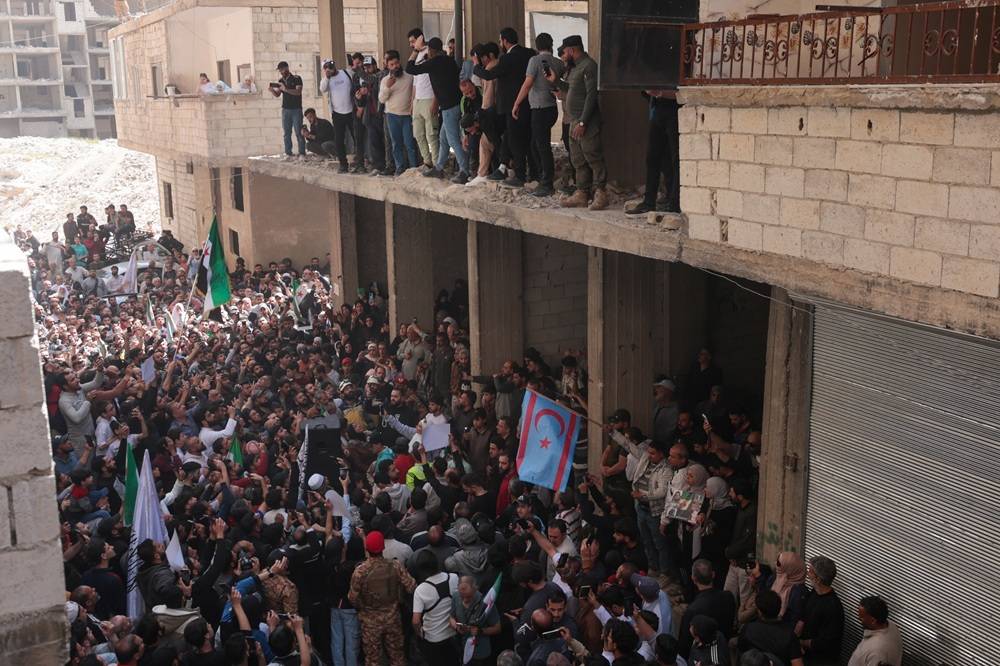
“We want to see the gallows of the criminals in the streets. Amjad Youssef was not alone; he had partners,” he said.
“We want the execution of Amjad Youssef, Fadi Saqr and everyone who killed the people’s sons in this square.”
The celebrations over Youssef’s arrest extended to other provinces. Local media said celebrations were held in Homs in central Syria and in the Akyoul neighborhood of Aleppo in the north.
With Youssef’s arrest, the number of suspects accused of carrying out the Tadamon massacre has reached seven, according to local media.
The Guardian revealed details of the massacre in an investigation published on April 27, 2022. It said Assad forces carried out the massacre on April 16, 2013, in Tadamon, killing about 41 people and burying them in a mass grave.
The investigation showed footage of a non-commissioned officer named Amjad Youssef from the military intelligence pushing dozens of blindfolded people into a large, deep pit before shooting them after they fell inside and then burning their bodies.
The massacre is considered one of the most horrific documented acts of violence attributed to the Assad regime during the civil war that began in 2011 and lasted 14 years.
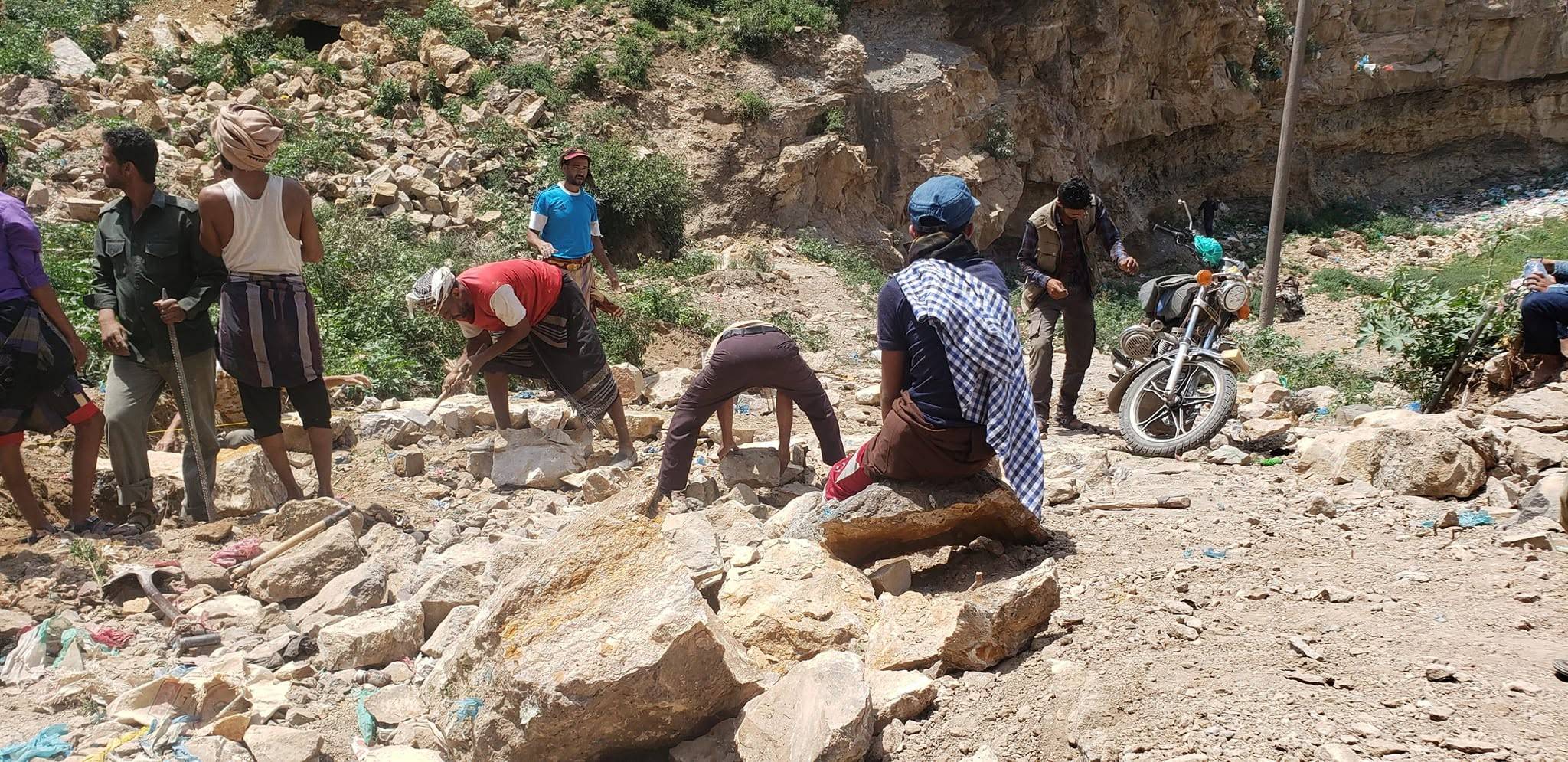
After Syria was liberated from the former regime, Asharq Al-Awsat made several field visits to the area and found that the Tadamon massacre was not the only massacre committed in the district. It identified several other sites where other massacres or executions had taken place, as indicated by the discovery of human bones.