
Statements made by the Israeli military on war objectives in southern Lebanon, along with battlefield developments, point to a prolonged conflict, as Israel seeks demographic change and the removal of villages to pave the way for a future occupation, while Hezbollah shows signs of preparing for a long fight by upgrading its combat tools, experts say.
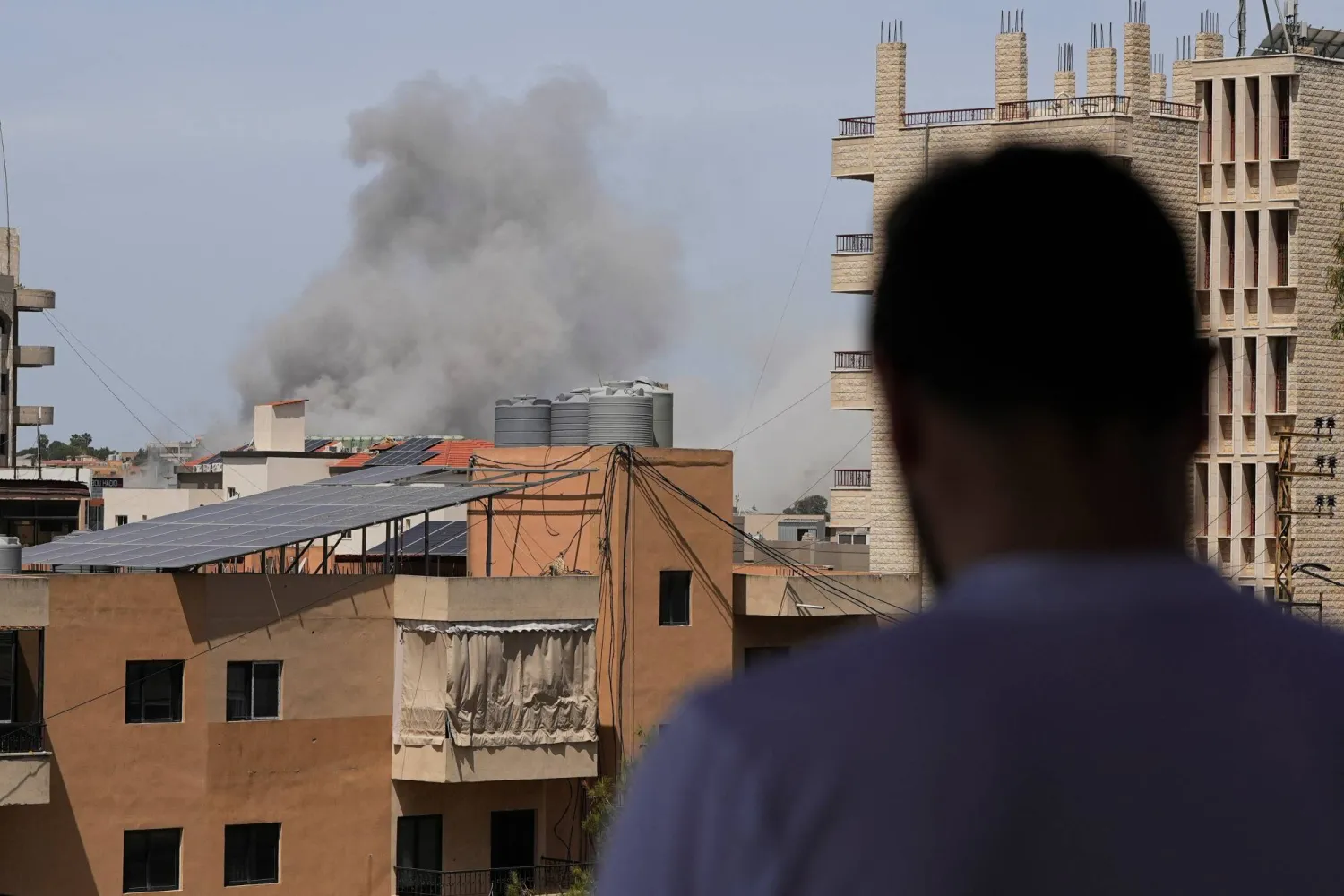
Strikes have reached villages in the Nabatieh and Tyre districts, more than 30 km from the border, a move seen in Beirut as pressure on the Lebanese state and Hezbollah.
‘Yellow Line’, long-term withdrawal
Retired brigadier general Saeed Qazah told Asharq Al-Awsat that an Israeli withdrawal from the buffer zone defined by the “Yellow Line” in southern Lebanon would not come easily or unilaterally.
He said it would likely hinge on clear security arrangements similar to past agreements that set understandings between the two sides.
Israel will not give up the area without a price, he said, but will seek to use it as leverage on the Lebanese government, aiming to reach a final agreement with the Lebanese state and pressure Hezbollah to hand over its weapons.
Qazah said the situation is likely to escalate. The relative calm in some areas will not hold, he added, as any direct negotiation track between Lebanon and Israel could trigger escalation and lead to its collapse, while even a limited security incident could reignite the front.
New tools
Technological developments on the battlefield, particularly drones, are adding complexity, Qazah said. Even a limited operation could trigger wider escalation, especially if it causes heavy casualties, prompting a large-scale Israeli response.
He added that the conflict’s expansion is tied not only to developments in Lebanon but also to the regional situation. Any confrontation between Iran and the United States could directly affect the southern front and further complicate it.
He said the duration of Israeli troop presence in the buffer zone will remain subject to political and security understandings.
Without a clear agreement that ensures security in northern Israel, there will be no quick withdrawal, opening the door to a phase that may resemble, in some respects, the period before 2000.
Beyond destruction to reshaping realities
Retired brigadier general Naji Malaeb said Israeli intentions are evident despite multiple and sometimes ambiguous statements, pointing to the positions of Prime Minister Benjamin Netanyahu, especially with open US backing that allows him to use force under political cover.
“We are facing a situation that goes beyond destruction itself,” Malaeb said, adding that what is happening inside the “Yellow Line” is a process of erasing landmarks, settling scores with Hezbollah and exhausting it.
He said the main objectives are threefold. First, consolidating the “zero zone,” extending not only on land but into the sea off Naqoura, effectively stripping Lebanon of rights to the Qana field and cancelling the 2022 maritime demarcation deal, placing the area under Israeli control and allowing exploration without adhering to the agreement.
Second, there is intent to annex areas extending toward the Litani River, particularly zones within two to three kilometers of the border, as reflected by blasts hitting villages beyond the river within the Yellow Line, opening the way for a long-standing Israeli goal of controlling Litani waters.
Third, when Netanyahu speaks of an area stretching from the sea to Mount Hermon, he is referring to expanding control across that space, including areas not considered part of Hezbollah’s base and that have not seen direct fighting, within a security project placing the zone from the occupied Golan Heights to the sea under Israeli control.
Demographic concerns
Malaeb said the destruction serves no real military purpose. Destroying a few kilometers does not secure northern Israel, given the range of rockets and drones, making that logic invalid.
“What is happening is an attempt to engineer demographic change and remove villages in preparation for imposing a future occupation reality, if Israel is able to expand and entrench its presence,” he said.
Regarding the US role, he said that statements by the US embassy on restoring Lebanon’s sovereignty and on reconstruction remain conditional.
Washington links any negotiation outcomes to ending the war with Iran and halting its involvement in Lebanon through Hezbollah, meaning all promises remain tied to that track.