
A Palestinian source and a Western source close to the office of Nickolay Mladenov, the High Representative for Gaza at the Board of Peace, said Mladenov is studying “new options” with Israel on moving forward with the second phase of US President Donald Trump’s Gaza ceasefire plan.
The options include “allowing the Gaza Administration Committee, led by Ali Shaath, to enter areas from which Israel will withdraw inside Gaza, with the committee assuming civilian government responsibility there and deploying members of its new police force with support from Arab countries.”
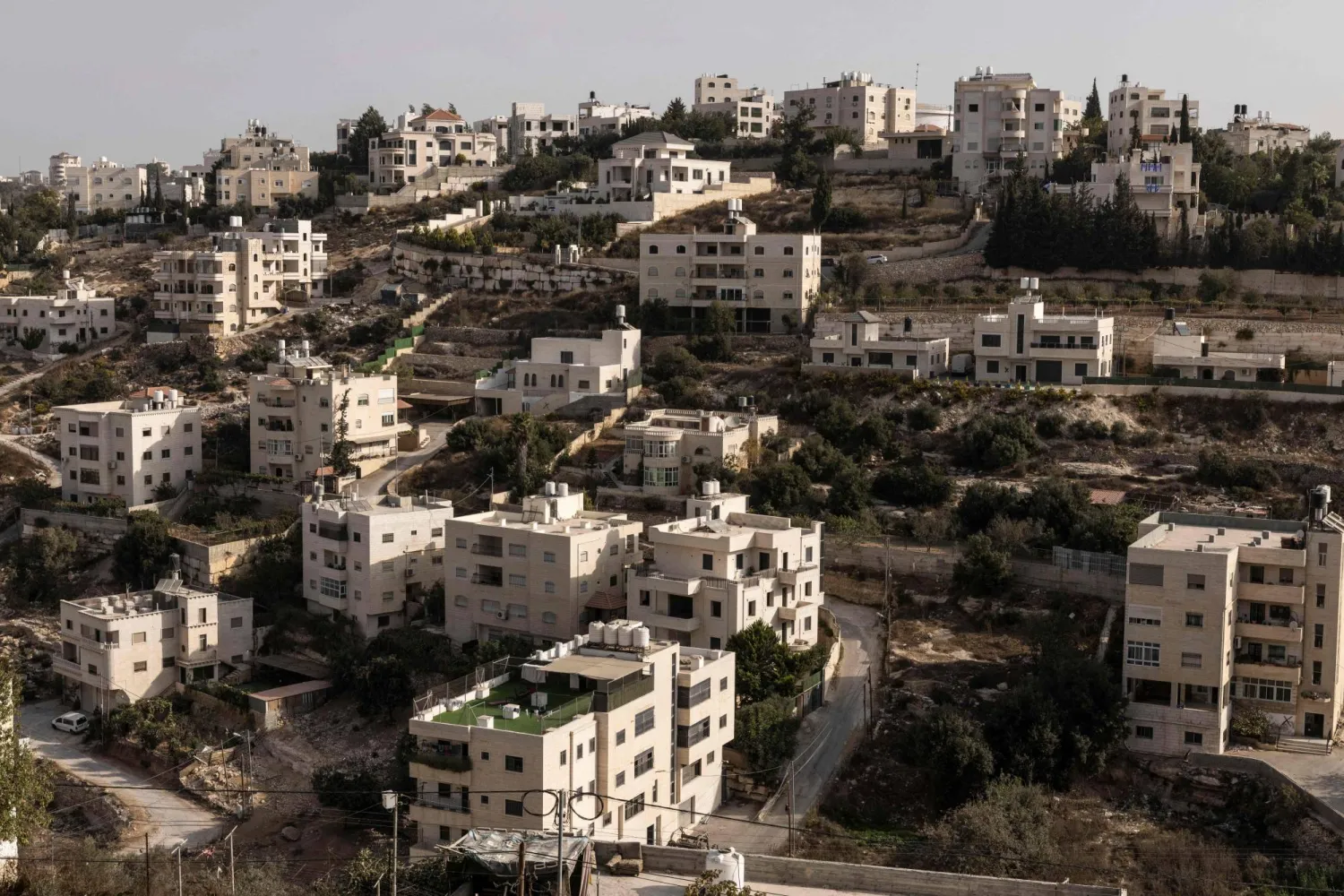
Since the ceasefire agreement between Hamas and Israel took effect last October, Israel has controlled more than 55 % of the Gaza Strip, east of the notional “yellow line” that separates it from areas under Hamas influence west of the line.
The Western source told Asharq Al-Awsat that “this approach points to a decision being taken without coordination with or approval from Hamas,” adding that “the goal is to encourage Gaza residents to move to areas where the committee will assume responsibility and governance and improve their living conditions.”
Hamas and other factions insist that Israel withdraw from the areas it occupies under the ceasefire agreement.
Negotiations have stalled over a mechanism to implement the terms of the first phase, which Hamas is demanding, including humanitarian commitments, as well as the second phase, which Israel is pressing to activate, particularly the provision on “disarming” Gaza.
It is unclear whether the Gaza Committee can succeed in extending its authority over areas from which Israel withdraws without coordination with Hamas.
But the move is in line with Israeli measures in recent months, including expanding its control by shifting the “yellow line,” attacks by pro-Israel armed gangs on contact areas to force residents to move to zones under Israeli control, and a plan to rebuild sites in Rafah in the southern Gaza by placing temporary mobile homes, or caravans.
Dispute and Hamas attack
Public disagreements between Hamas and Mladenov have widened in recent weeks. One episode came on Wednesday, when Hamas political bureau member Bassem Naim attacked the senior Board of Peace official, saying he had adopted “fascist and racist positions and terminology against Hamas,” as he put it.
The remarks came after Mladenov reposted on X a post sharply criticizing Hamas and accusing it of preventing Palestinian contractors from moving from areas under its control toward sites controlled by Israel.
Israel’s public broadcaster reported on Tuesday evening that Hamas had prevented, “under threat of arms,” contractors living in Gaza from working in the planned new Palestinian city in Rafah, a city controlled by Israel.
It said the move had been fully coordinated with the United States and marked the first time Hamas had blocked activity coordinated by the US leadership and approved by the Board of Peace.
The Western source said they had confirmed information that Hamas had prevented the contractors, but that the Board of Peace had not been informed of any intention to resume the war in Gaza.
The Palestinian source close to the Gaza Administration Committee said they had “learned from Mladenov about the ban, and do not have further details about what is happening.”
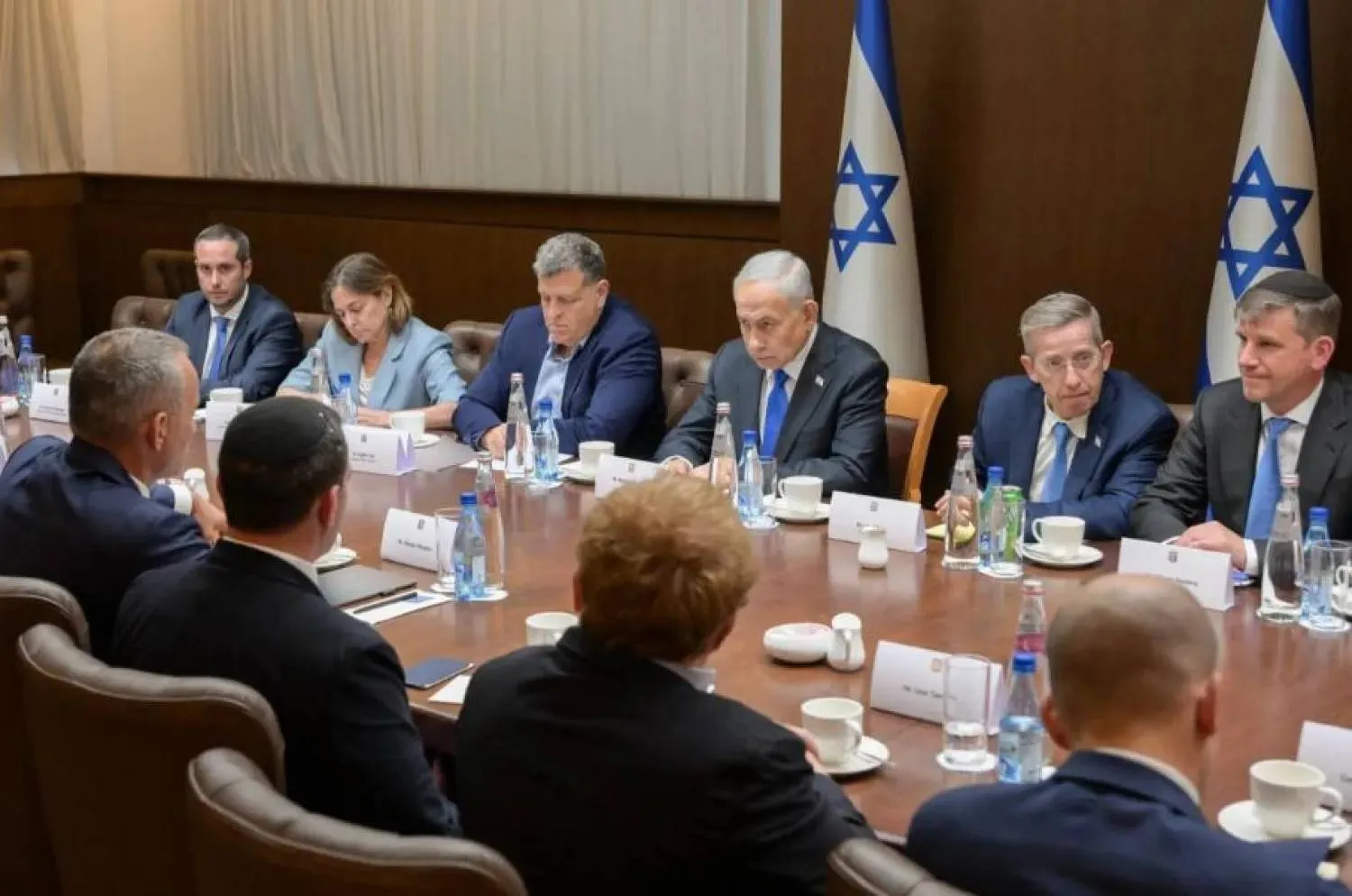
Asharq Al-Awsat learned that Mladenov returned to Israel two days ago and is holding meetings with officials there. He is expected to hold another meeting with Israeli Prime Minister Benjamin Netanyahu, whom he met last Tuesday.
Resuming negotiations
Sources in Hamas and Palestinian factions said Cairo will host a new round of negotiations before Eid al-Adha to try to bridge gaps and bring views closer with Israel on the ceasefire in Gaza and the transition to the second phase.
Two Hamas sources and a third source from a Palestinian faction currently in Cairo told Asharq Al-Awsat that Egypt, on behalf of the mediators, had invited the Hamas delegation to return to Cairo in the coming days to resume negotiations and resolve outstanding disputes.
The talks come as Israel insists on its conditions related to weapons, while the factions insist that the first phase must be implemented before entering negotiations on the second phase.
The three sources said that delegations from the factions remain in Cairo, while some leaders from those factions, along with the Hamas delegation, will return in the coming days.
The sources said mediators, particularly Egypt, had prepared a new paper after consultations among themselves and with the US, to present to the factions for renewed discussion.
They said a draft of the paper had also been discussed briefly with Hamas leaders to speed up talks in the coming days.
Hamas may settle the election of its new political bureau chief before heading to Cairo, a step that could affect decision-making on the ceasefire negotiations.