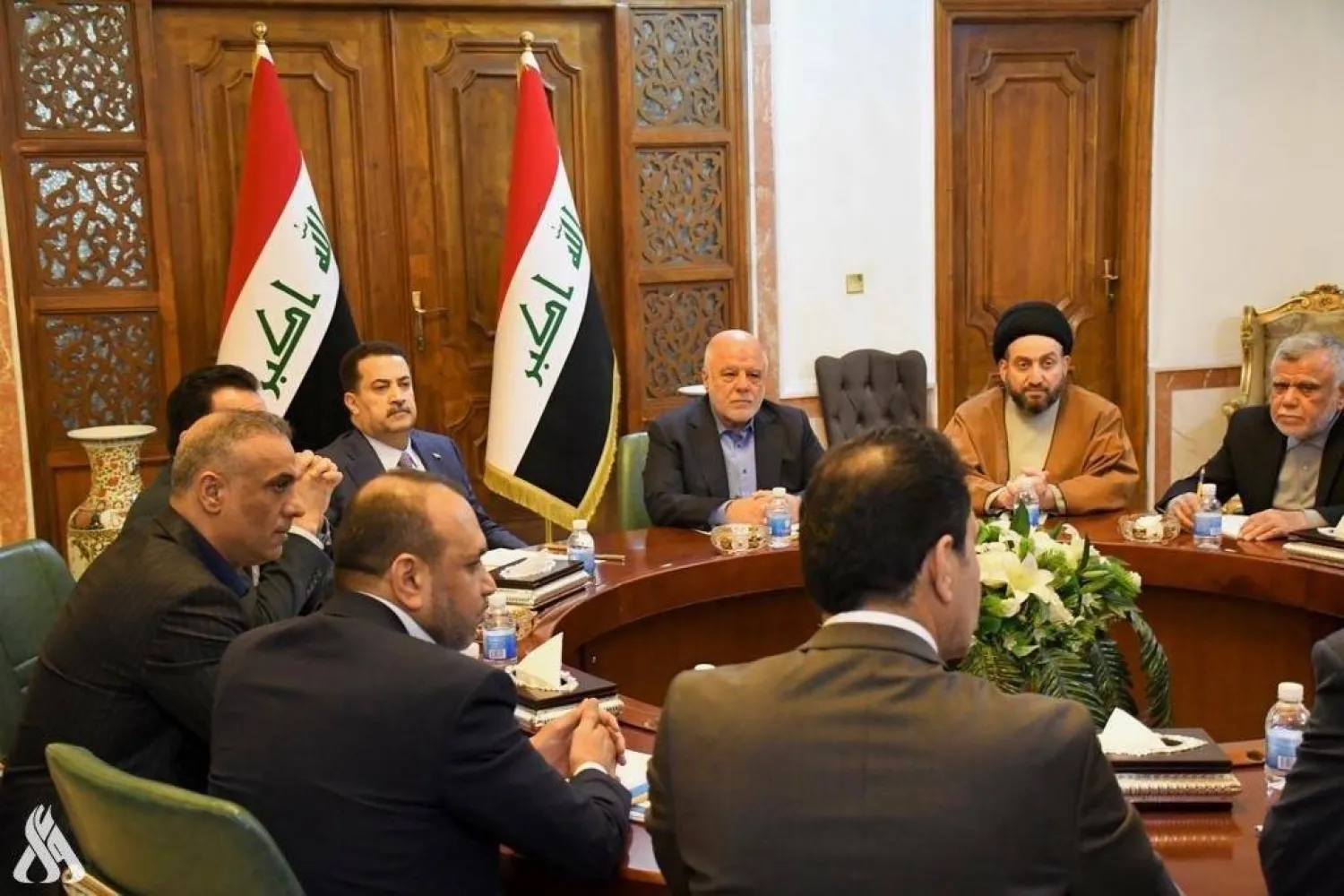

Sadrist Movement leader Muqtada al-Sadr is facing mounting criticism over reports that he supports Iraq’s new prime minister, Ali al-Zaidi, as major political factions reassess their alliances after failing to secure key cabinet posts in the new government.
Among the dissatisfied parties are Nouri al-Maliki’s State of Law Coalition and Masoud Barzani’s Kurdistan Democratic Party (KDP), both of which saw their influence weakened by the passage of al-Zaidi’s cabinet. The developments have revived debate over the collapse of the Tripartite Alliance formed in 2021 by the Sadrist Movement, the KDP, and the Sunni-led Taqaddum coalition.
Al-Sadr’s phone call with al-Zaidi earlier this week further complicated the political landscape, reportedly unsettling factions within the Coordination Framework, the umbrella coalition of Iran-aligned Shiite groups, as well as Kurdish parties angered by the parliamentary confidence vote.
Shakhawan Abdullah, head of the KDP bloc in parliament, said candidates from both the KDP and the State of Law Coalition had filed appeals with Iraq’s Federal Supreme Court challenging the legitimacy of the session that approved al-Zaidi’s government.
According to Abdullah, the appeals focus on voting procedures and the rejection of certain nominees. He claimed there are “documents and recordings” proving procedural violations during the parliamentary vote on ministerial portfolios.
Legal experts say candidates who failed to win parliamentary approval cannot be renominated under parliament’s internal rules, which require political blocs to submit alternative names for vacant ministries.
Despite the political turmoil, al-Zaidi has sought to project an image of decisiveness. During his first cabinet meeting, he issued rapid directives aimed at addressing administrative problems, reducing bureaucracy, and accelerating government procedures.
The clearest shift, however, came in his tougher stance toward armed factions. Al-Zaidi strongly condemned attacks targeting neighboring countries, including Saudi Arabia and the United Arab Emirates, even though the factions denied responsibility.
On May 17, 2026, al-Sadr called al-Zaidi to congratulate him on forming the government and urged him to improve public services and combat corruption.
Observers believe al-Sadr’s support could provide al-Zaidi with political cover if he chooses to confront the influence of armed groups, especially amid widening divisions within the Coordination Framework.
At the same time, support voiced by US President Donald Trump for al-Zaidi has placed both the prime minister and al-Sadr in indirect confrontation with factions that identify themselves as the “Resistance” and accuse their rivals of being too close to Washington.
Al-Sadr responded sharply to the criticism, accusing some opponents of “selling their consciences” and attempting to distort his political positions through media campaigns and personal attacks.
He said he was dealing with critics “patiently,” but warned against accusations of “treason” or collaboration with foreign powers, threatening legal action against those promoting such claims.