
The Israeli army made on Wednesday further incursions around the southern Lebanese city of Nabatieh beyond the Israeli-declared "yellow line” while increasing airstrikes up to 20 kilometers from the border and forcing the full evacuation of towns around the city.
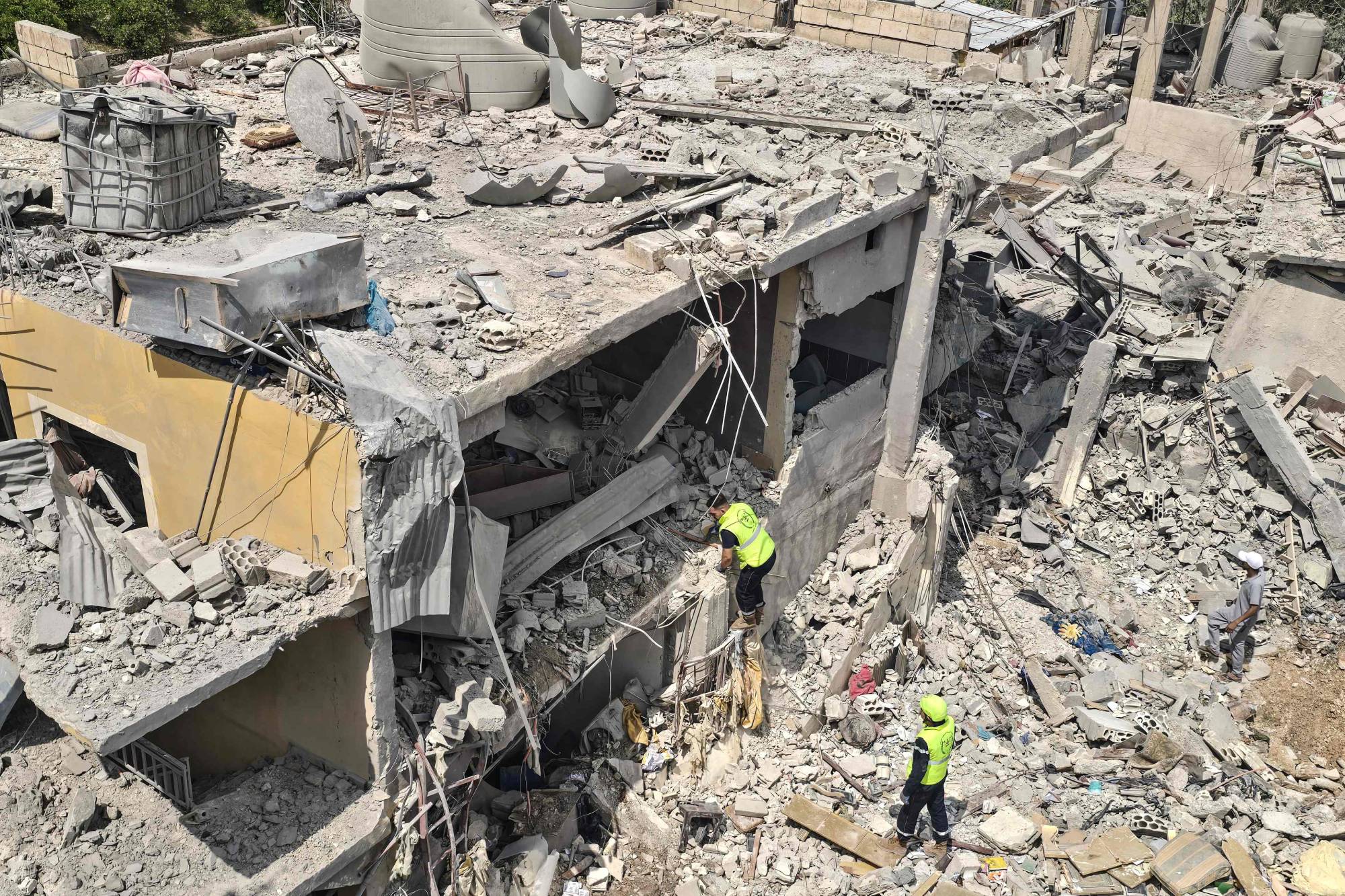
The advance followed Israeli threats to expand beyond the yellow line and coincided with what Israel’s Channel 14 described as the widespread, systematic destruction of more than 10,000 buildings in southern Lebanese border villages, about 70% of the structures Israel plans to demolish in the area.
“We are expanding our operations in Lebanon to deepen the scale of the damage we are inflicting on Hezbollah,” Israeli army Chief of Staff Eyal Zamir said on Wednesday.
New push north of the river
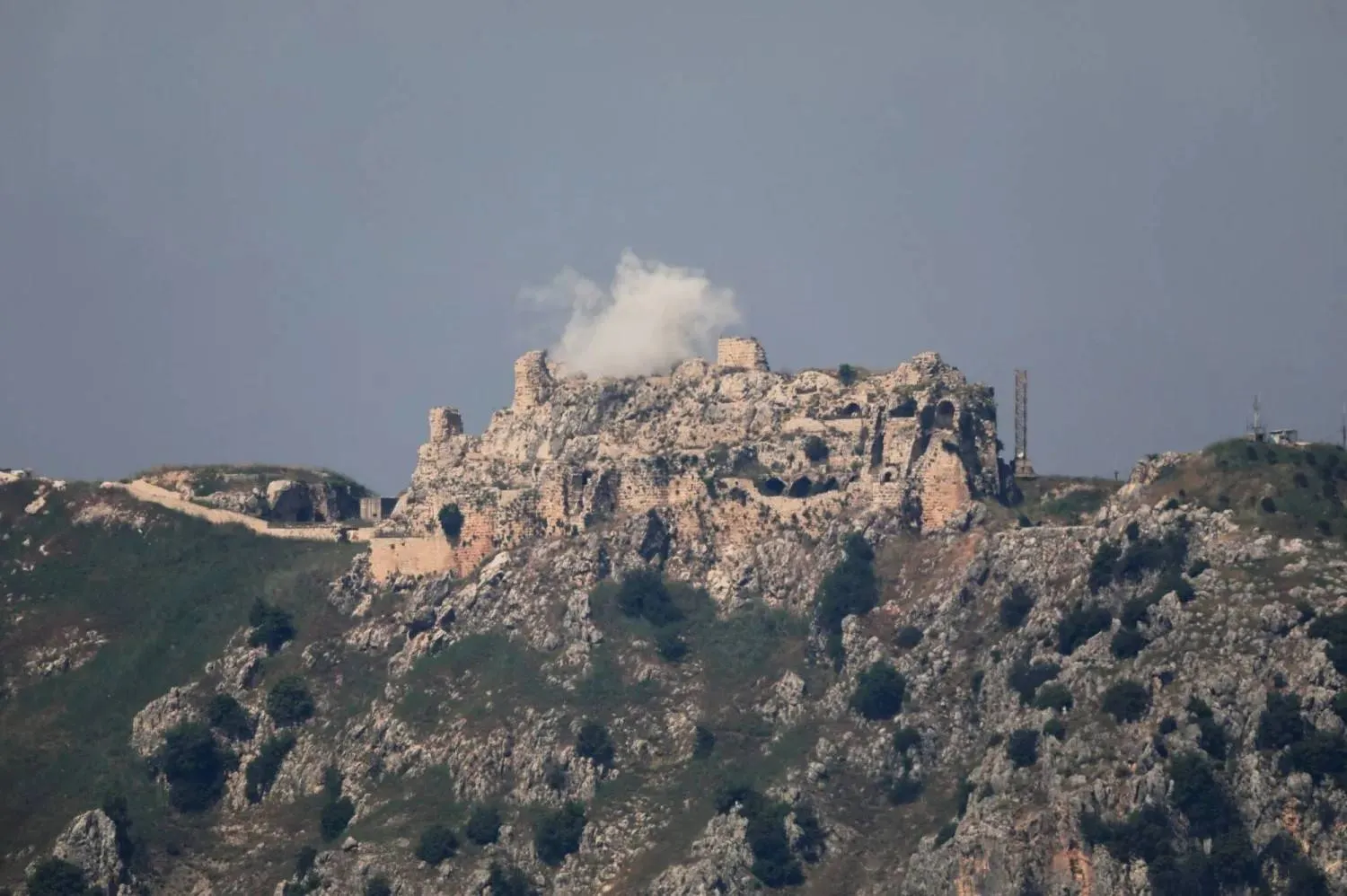
Israeli forces entered eastern Zawtar, a town on the northern bank of the Litani, advancing on its outskirts as they sought to reach the strategic Beaufort Castle east of Nabatieh.
The castle overlooks, from the east, Lebanese towns under Israeli occupation, as well as northern Israeli settlements less than 10 kilometers away. Israel has placed the castle and the towns of Zawtar, Arnoun and Yohmor al-Shaqif within the yellow line, although they lie north of the Litani.
Local sources in southern Lebanon told Asharq Al-Awsat that Israeli forces sent unmanned vehicles deep into an area near Mayfadoun to probe defenses and reconnaissance capabilities.
They said the move pointed to attempts to push toward the hills south of Nabatieh, especially Mayfadoun and Shawkin, to isolate the city, which was placed under a full evacuation warning on Wednesday for a second day in a row.
The sources said airstrikes intensified on Beaufort Castle and nearby Yohmor, Kfar Tebnit and Arnoun, areas overlooking Nabatieh from the east.
The Israeli army gave no details on the fighting.
In a statement sent in response to a question from Agence France Presse and attributed to a military official, the army said it was operating in a targeted manner beyond the forward defense line to eliminate direct threats to the citizens of the State of Israel and to soldiers ... in accordance with directives from the political leadership.
Specific details regarding the locations of soldiers cannot be provided, the official said.
Clashes at point-blank range
In a statement Wednesday, Hezbollah said its fighters "clashed with the enemy forces at point-blank range" with light and medium weapons in the town of Zawtar al-Sharqiyah.
Since dawn on Tuesday, Hezbollah had said it targeted Israeli forces trying to enter the town with rocket-propelled grenades and explosive drones. It later said its fighters fired rockets and drones at Israeli forces on the town’s outskirts and near its entrance by the riverbed.
Al-Manar, Hezbollah’s television channel, said Israeli forces were moving along three axes on the outskirts of Zawtar al-Sharqiyah from the Hamra side. It said clashes were underway at three points, but denied that Israeli forces had advanced toward Mayfadoun or the inner neighborhoods of Zawtar al-Sharqiyah.
The town’s position north of the Litani gives it strategic significance due to its proximity to Nabatieh, southern Lebanon’s largest city. Israel accuses Hezbollah of violating the ceasefire.
Zawtar al-Sharqiyah lies next to the yellow line that the Israeli army drew last month in southern Lebanon. The line runs around 10 kilometers deep inside Lebanese territory and where residents have been warned not to return.
The advance into the town coincided with an Israeli army statement on Tuesday saying it was “operating in a targeted manner beyond the forward defense line to eliminate direct threats to the citizens of the State of Israel and to soldiers.”
Emptying Nabatieh’s surroundings
As it tries to advance, Israel is also working to isolate Nabatieh and its surroundings by expanding the fire-enforced buffer zone to nearly 20 kilometers from the border.
Field sources in southern Lebanon told Asharq Al-Awsat that the line of fire had been cleared to Doueir, where no one can now enter, including ambulances, which need permission from the so-called mechanism - an internationally brokered monitoring committee established to oversee the ceasefire - to access the town.
The sources said the evacuation sweep covered Doueir, Harouf, Jebchit, Zebdine, Toul, Kfar Jouz, Deir al-Zahrani, Habboush, Kfar Roummane, Mayfadoun and Shawkin. It also included towns north of the river, southwest of Nabatieh, overlooking the Litani’s bank.
The developments came hours after evacuation warnings on Tuesday covered about 50 Lebanese villages and towns, including all towns in the districts of Bint Jbeil, Marjayoun and Tyre, as well as a large part of the Nabatieh district.
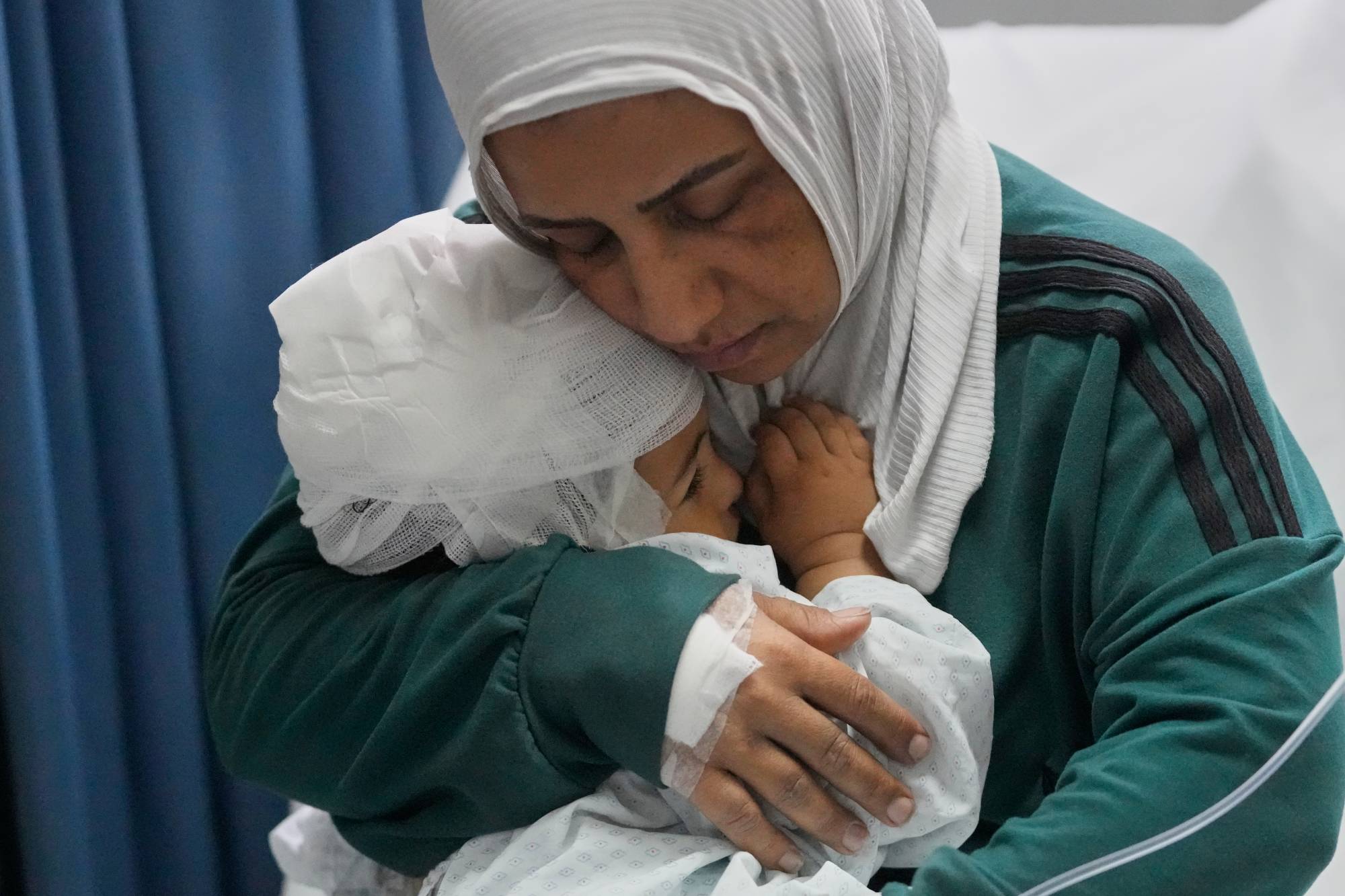
The Israeli army carried out about 150 airstrikes on Tuesday, killing 31 people and wounding 40, according to Lebanon’s Health Ministry. The ministry said 14 people were killed in Burj al-Shamali near Tyre.
On Wednesday, the bombing expanded into the Zahrani district, hitting Tafahta, as well as large parts of villages around Nabatieh. Lebanon’s official National News Agency said a strike near Nabih Berri Governmental Hospital caused “major damage to hospital wards.”