
As economic and humanitarian crises deepen across areas under Houthi control, the group's leader, Abdul Malik al-Houthi, used his latest televised address on Thursday to escalate his political and military rhetoric at both the domestic and regional levels.
He threatened confrontation with Israel and the United States, warned of attacks in Somalia, and signaled readiness to intervene alongside Iran in any future regional conflict.
Al-Houthi's remarks coincided with an intensified campaign of internal mobilization and mass recruitment, reflecting the group's continued commitment to escalation despite the deteriorating living conditions of millions of Yemenis.
His speech carried multiple messages, beginning with renewed assertions of what the group describes as its unwavering position toward the United States and Israel, and a pledge to continue coordinating with the so-called "Axis of Resistance."
He also reaffirmed the group's readiness to participate in any future round of escalation, particularly if linked to the Gaza Strip or any other regional front.
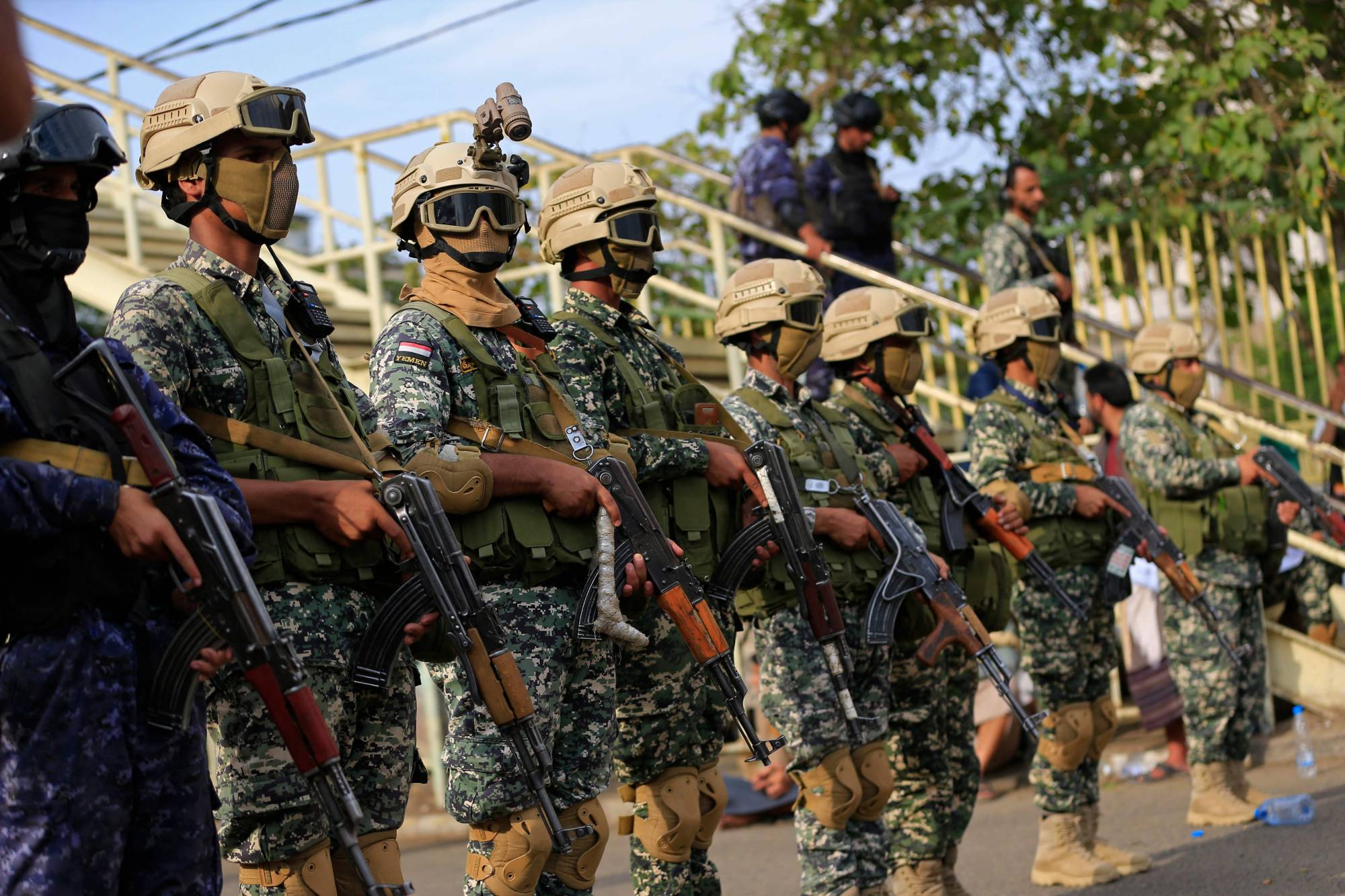
The Houthi leader also congratulated Iran on what he described as its "victory" in its recent confrontation with Israel, arguing that the outcome represented a triumph for the entire "Axis of Resistance," in another affirmation of the group's continued alignment with the Tehran-led alliance.
Al-Houthi's speech extended beyond the conflict in Gaza and the confrontation with Israel to the Horn of Africa. He warned of what he described as Israeli efforts to establish a presence in Somaliland, claiming the move was intended to secure control over the Gulf of Aden, the Bab al-Mandab Strait, and the Red Sea.
He threatened that his group would target any potential Israeli presence in the area "by all available means," while calling on Red Sea littoral states to adopt a unified position to prevent such a development, further expanding the group's military rhetoric beyond Yemen's borders.
Internal Political and Military Mobilization
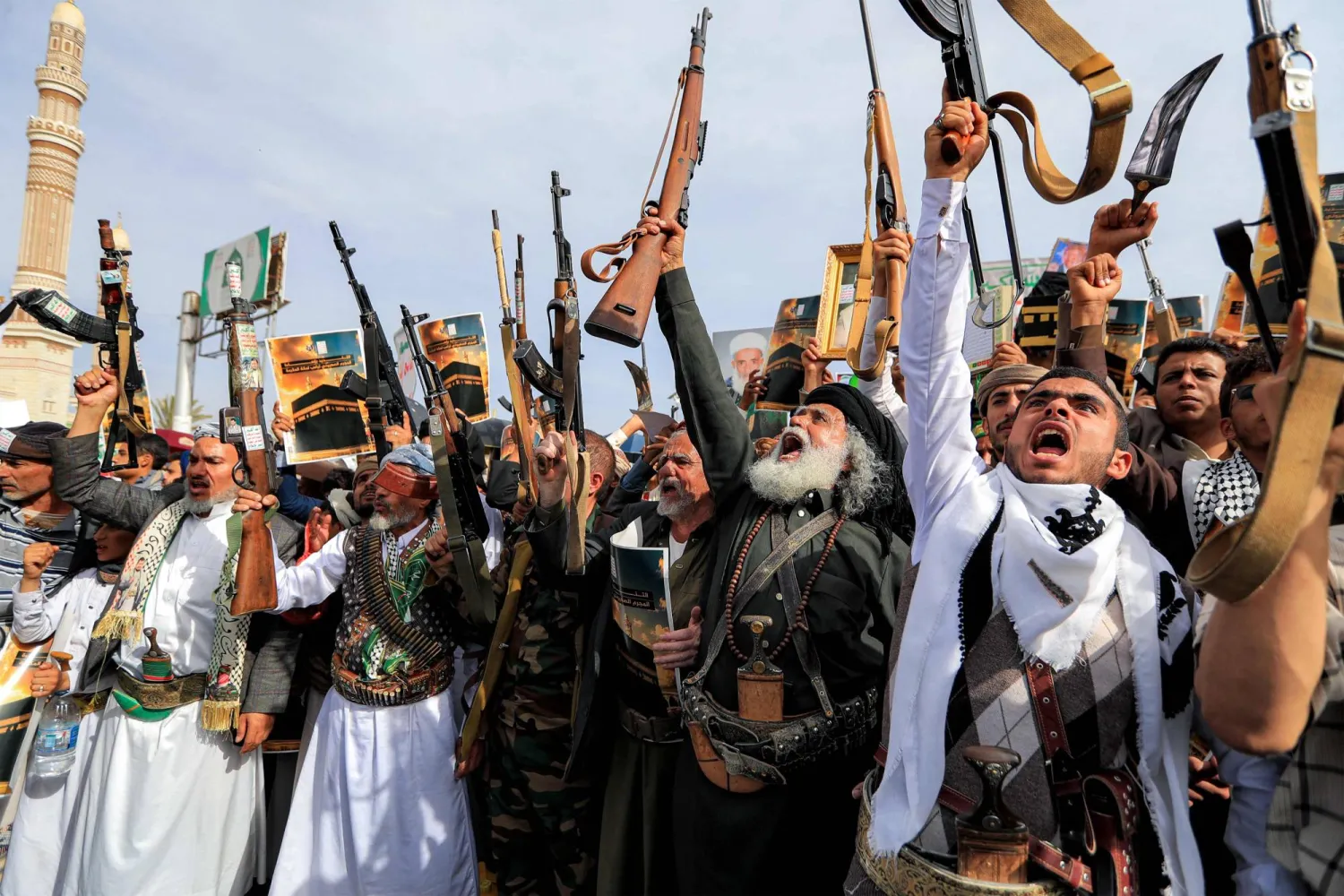
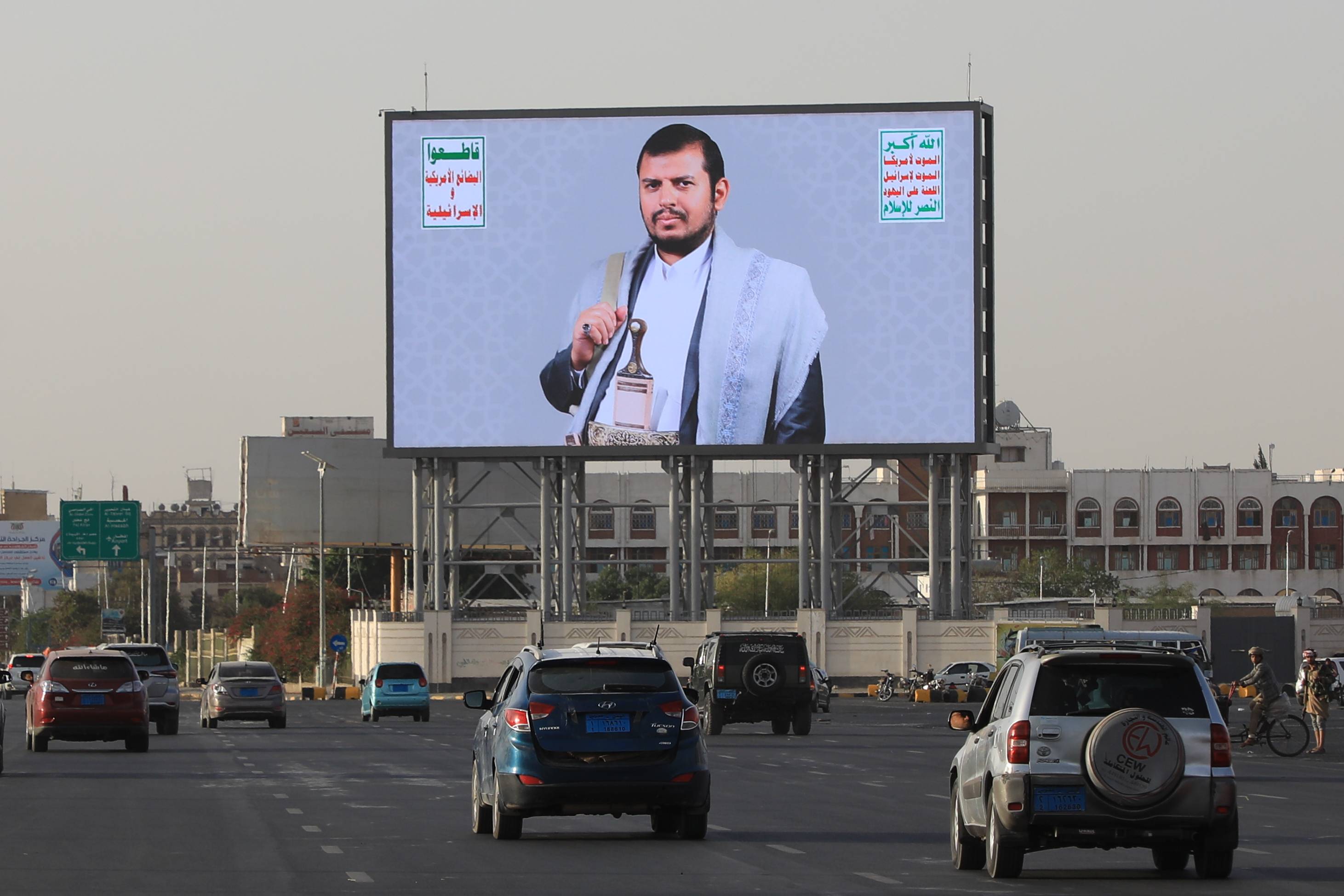
Alongside the political escalation, the Houthis have intensified mobilization efforts in recent days ahead of Ashura, organizing large-scale events in the Houthi-held capital, Sanaa, and other areas under their control.
Local sources said Houthi supervisors carried out field campaigns in neighborhoods, government institutions, and educational facilities, compelling residents, employees, and students to attend the events. Attendance lists were reportedly compiled and submitted to the organizing authorities.
Residents in Sanaa said many participants attended under direct pressure for fear of questioning or harassment, while the group relied on loudspeakers and extensive propaganda campaigns to maximize turnout.
One resident of Maeen district said neighborhood leaders had received explicit instructions to mobilize as many residents as possible. Government employees also reported being ordered to attend despite having gone unpaid for years.
Residents say the focus on sectarian events and mass mobilization comes at a time when families are struggling daily to secure food, medicine, and other basic necessities amid rising prices and declining purchasing power.
Al-Houthi also called for preserving what he described as the "home front" and urged the continuation of public mobilization programs and military training courses, while praising tribal initiatives and popular activities organized by the group across areas under its control.
Observers say these calls reflect the group's continued investment in military and ideological mobilization through religious occasions with a sectarian character, which have, over the years, become tools for expanding political and military influence and recruiting additional fighters.
They also argue that the latest speech is consistent with the group's approach since the outbreak of the war in Gaza, using regional developments to reinforce its domestic narrative and keep its support base in a constant state of mobilization.
Food Emergency
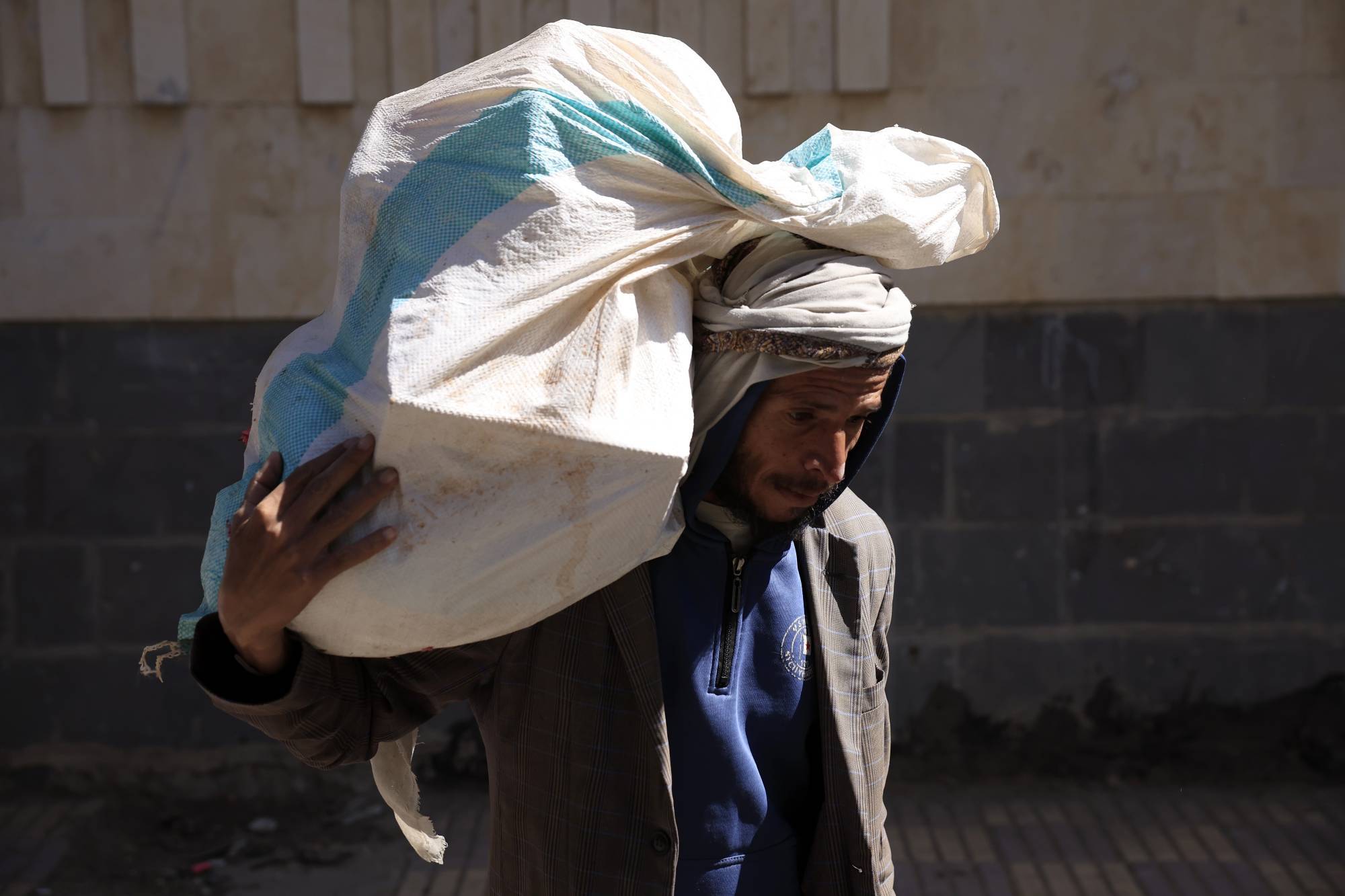
The Houthi escalation comes as international warnings continue over Yemen's worsening humanitarian situation. UN and international reports maintain that the country remains one of the world's worst humanitarian crises, with millions of people in urgent need of food and humanitarian assistance.
In its latest report, the Famine Early Warning Systems Network forecast that severe food insecurity across Houthi-controlled areas will persist through the end of the third quarter of this year.
The governorates of Hodeidah, Hajjah, and parts of Taiz are expected to remain at emergency food insecurity levels, while the rest of the group's territory will continue to face crisis-level conditions.
The report attributed the continuing crisis to a deteriorating business environment, restrictions on economic activity, limited income-generating opportunities, and the ongoing impact of the war, all of which have contributed to expanding poverty and increasing humanitarian needs.