

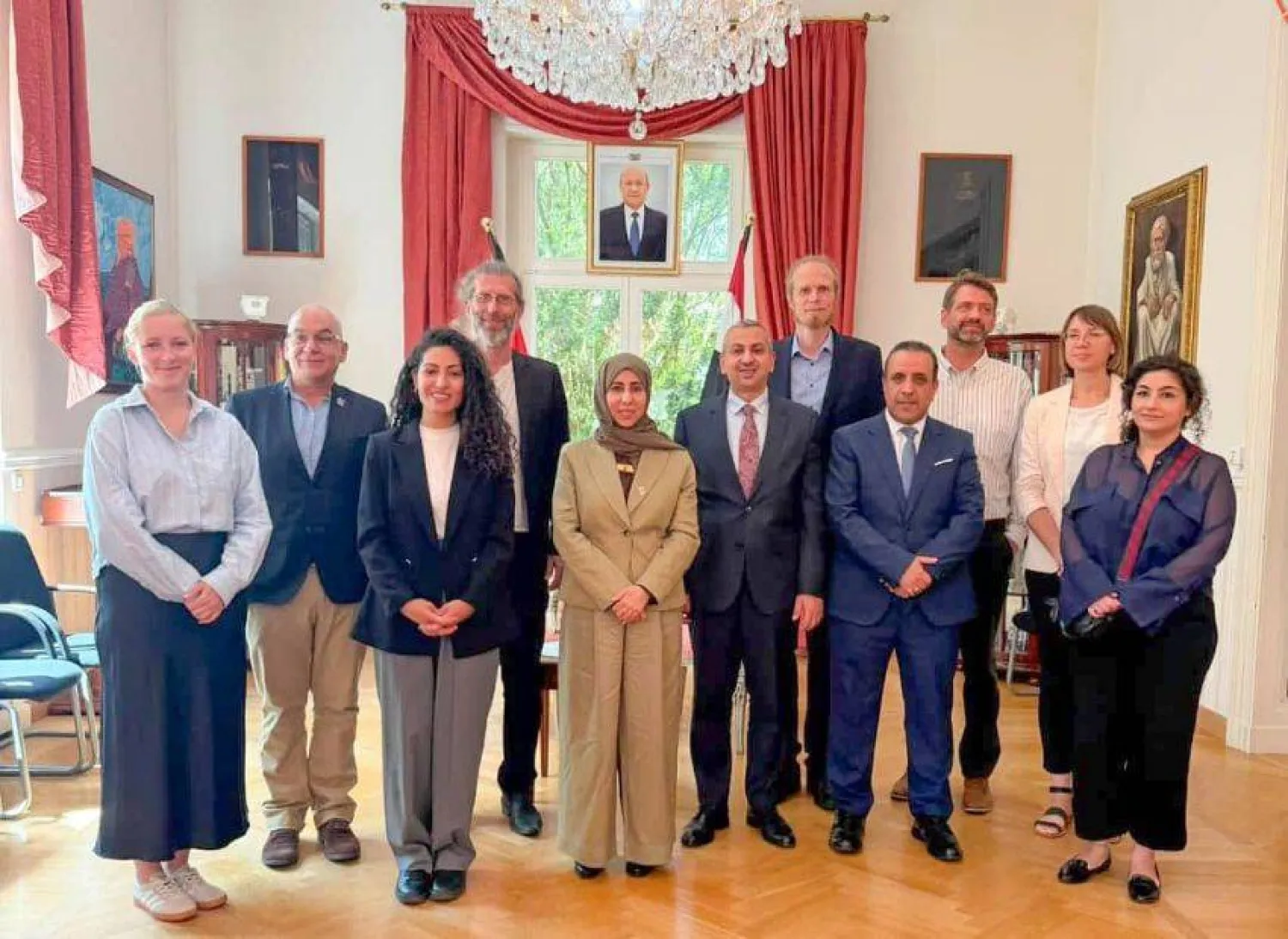

Al-Zouba Leads Yemeni Efforts to Link Relief With Sustainable Development

Yemeni Planning and International Cooperation Minister Afrah al-Zouba meets representatives of international organizations partnering with Yemen to discuss strengthening development cooperation (Saba).
TT

Al-Zouba Leads Yemeni Efforts to Link Relief With Sustainable Development

Yemeni Planning and International Cooperation Minister Afrah al-Zouba meets representatives of international organizations partnering with Yemen to discuss strengthening development cooperation (Saba).

The Yemeni government has intensified its diplomatic and development efforts in Germany through a series of meetings held by Minister of Planning and International Cooperation Afrah al-Zouba with international organizations, partner organizations, and the World Food Programme (WFP), aimed at strengthening cooperation and mobilizing support for Yemen's economic recovery and sustainable development.

The meetings took place on the sidelines of the Hamburg Sustainability Conference 2026, where al-Zouba met representatives of Vision Hope, CARE, Save the Children, and Oxfam to discuss ways to improve the implementation of humanitarian and development projects and overcome challenges facing various sectors, with the goal of improving project implementation and maximizing their impact on target communities.

During the meetings, al-Zouba stressed the importance of the strategic partnership between the Yemeni government and international organizations, praising their role in implementing humanitarian and development programs. She also highlighted the need to transfer successful experiences, strengthen knowledge exchange, and promote best practices.

The minister underscored the importance of conducting comprehensive and realistic assessments to measure the development impact of completed projects and incorporating lessons learned into the design of future programs and projects to enhance performance and achieve more sustainable development outcomes.

According to state media, representatives of the international organizations reaffirmed their commitment to continuing support for Yemen's development efforts and expressed appreciation for the Planning Ministry's efforts to strengthen dialogue and coordination aimed at improving project efficiency and achieving sustainable development impact.
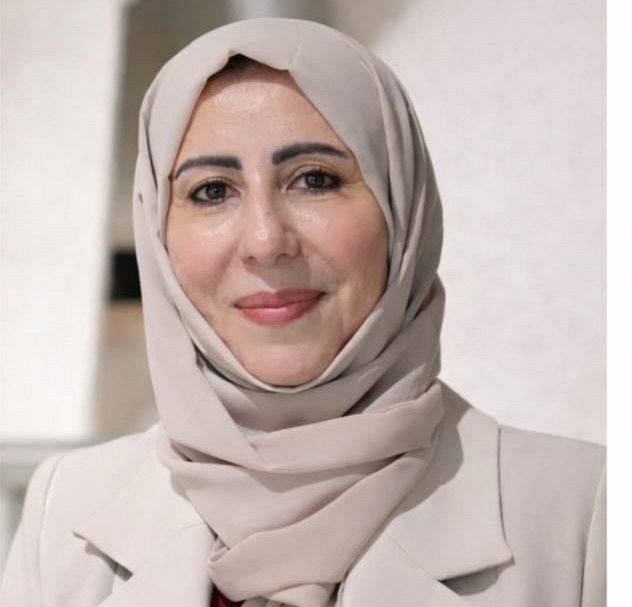
Yemeni Minister of Planning and International Cooperation Afrah al-Zouba (Saba)

Supporting Reforms and Peace

In the German capital, Berlin, the Yemeni minister met officials from the Friedrich Ebert Foundation to discuss expanding cooperation in the areas of social and economic policy, supporting peacebuilding efforts, and improving aid effectiveness in line with the Yemeni government's priorities and its reform and recovery plans.

The discussions also covered social protection, economic reforms, community dialogue, as well as support for applied research and evidence-based policymaking to improve public policy and strengthen coordination among partners.

Both sides reaffirmed their commitment to continued coordination and expanding areas of joint cooperation in support of the government's efforts to achieve sustainable development and strengthen economic recovery.

Al-Zouba also expressed the government's appreciation for the foundation's continued presence in Yemen and its decision to continue operating from the interim capital, Aden, describing the move as a reflection of its commitment to supporting national institutions and strengthening cooperation with the government.
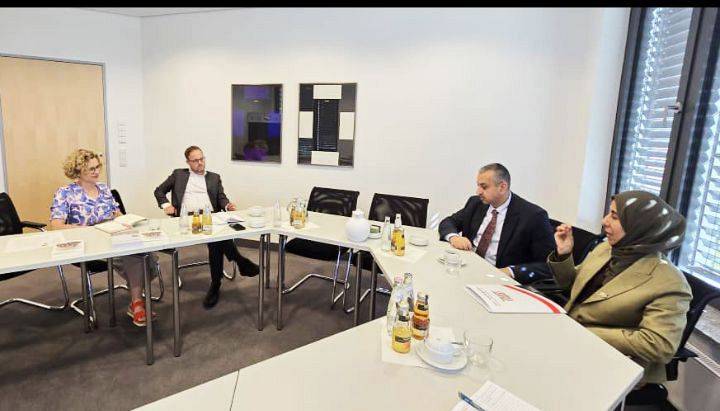
Yemeni Planning Minister Afrah al-Zouba Meets Officials of Germany's Friedrich Ebert Foundation (Saba)

Food Security Tops Agenda

In a separate meeting, al-Zouba met with World Food Programme (WFP) Acting Executive Director Carl Skau to discuss ways to improve food access for the most vulnerable groups, particularly children and mothers, while reducing costs through innovative mechanisms that make use of local markets and support producers, farmers, and fishermen.

The minister stressed the importance of integrating these efforts with national social safety nets and school feeding programs, while highlighting success stories that demonstrate the impact of the partnership between the government and the WFP. She emphasized the need to shift from humanitarian response toward building resilience, promoting development, and breaking cycles of dependency.

Al-Zouba also called for stronger international advocacy efforts to mobilize funding for Yemen amid declining humanitarian assistance and urged that the challenges facing fragile states be placed on the G20 agenda. She noted that Yemen continues to bear the consequences of external crises, including the impacts of climate change.

According to state media, the UN official reaffirmed the WFP's commitment to continuing its support for Yemen and stressed the importance of encouraging donors to focus on the country's needs. He also expressed support for strengthening national capacities and investing in resilience and development.

The meetings came days after the minister announced that the International Development Association (IDA), part of the World Bank Group, had approved a $101.8 million Cash for Nutrition and Livelihoods Project for Yemen.

The project targets households with pregnant and breastfeeding women, as well as mothers of children under the age of two, in governorates most affected by malnutrition. It will provide targeted cash transfers, nutrition awareness programs, early screening for malnutrition, and components aimed at supporting livelihoods, strengthening institutional capacity, and enhancing social protection systems and digital payment systems.

Al-Zouba said the project's approval reflects the strength of the partnership between the Yemeni government and the World Bank and supports the priorities of the 2026-2030 Country Partnership Framework, which aims to strengthen food security, improve livelihoods, and gradually transition from humanitarian response toward building the capacity of national institutions.


IMF Says Lebanon Needs Key Reforms for Program

People walk along the Corniche Al-Manara seafront promenade on the coast of the Mediterranean Sea as the sun sets in Beirut, Lebanon, 30 September 2026. (EPA)
TT

IMF Says Lebanon Needs Key Reforms for Program

People walk along the Corniche Al-Manara seafront promenade on the coast of the Mediterranean Sea as the sun sets in Beirut, Lebanon, 30 September 2026. (EPA)

Lebanon must push through a number of key economic and banking sector reforms to secure a new International Monetary Fund program, the Fund said on Thursday.

"It will require continued progress on key reforms, including the entry into force of the bank resolution ‌law, and appropriate ‌financial gap laws ‌consistent ⁠with international standards," IMF ⁠spokesperson Julie Kozack told reporters during a press conference.

She added a 2027 budget and medium-term fiscal framework that were "consistent with debt sustainability for the country" were also ⁠required.

Lebanon first signed a ‌preliminary agreement ‌with the IMF in April 2022, more ‌than two years after its ‌financial system imploded following decades of profligate spending and corruption in the ruling elite.

It recently passed a new ‌banking restructuring law which was welcomed by the IMF, but ⁠this ⁠week Lebanon's President Joseph Aoun quietly referred that law to the country’s constitutional council, triggering a review.

The move has sparked concerns among reformists in Lebanon that the country is backtracking on the key piece of legislation and potentially putting its IMF support hopes at risk.


Lebanon Army Says Seized 245 Kg of TNT at Syria Border

An army unit seized approximately 245 kg of TNT. (Lebanese Army on X)
TT

Lebanon Army Says Seized 245 Kg of TNT at Syria Border

An army unit seized approximately 245 kg of TNT. (Lebanese Army on X)

The Lebanese army announced on Thursday that it had seized nearly 250 kilograms (around 550 pounds) of explosives being transported from neighboring Syria into Lebanon, though it was unable to apprehend the smugglers.

"An army unit seized approximately 245 kg of TNT, four explosive devices, eight detonators and electrical wiring for the detonators", which were being "smuggled from Syrian territory into Lebanese territory", the army said in a statement.

"The smugglers fled back toward Syria as soon as an army patrol arrived at the scene," it added.

Lebanon and Syria share a 330-kilometer (205-mile) border known for being porous.

Since the fall of longtime Syrian ruler Bashar al-Assad in late 2024, both Lebanon and Syria have been working to stamp out overland smuggling along their shared border -- including the trafficking of weapons and captagon.

Damascus regularly announces the interception of arms shipments destined for Lebanon on behalf of Hezbollah, an organization that denies any presence or activity in Syrian territory.


UN Worried about Impact of Latest Lebanon War on Agriculture

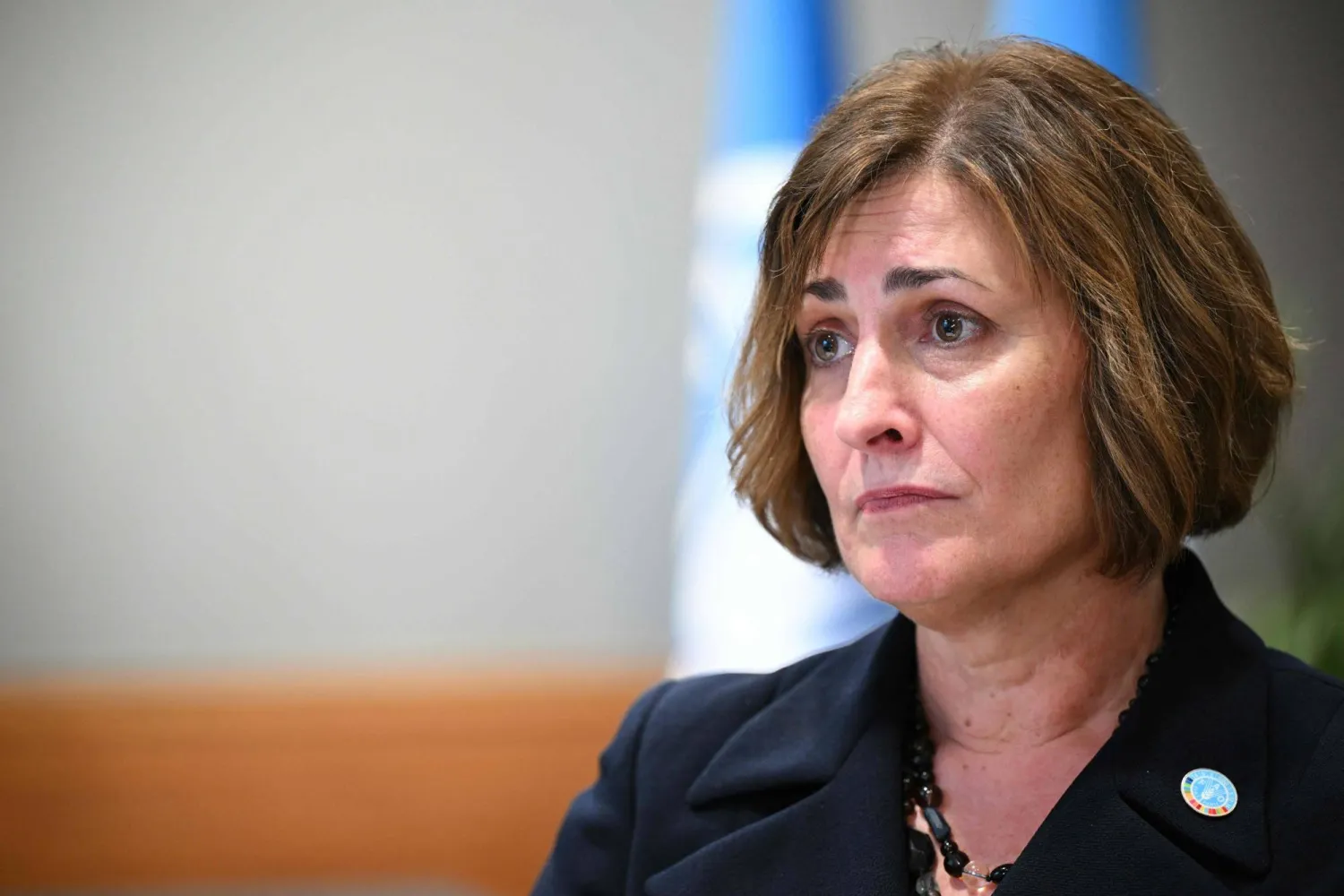
Deputy Director-General of the UN's Food and Agriculture Organization (FAO) Beth Bechdol speaks during an interview with AFP in Beirut on October 1, 2026. (AFP)
TT

UN Worried about Impact of Latest Lebanon War on Agriculture

Deputy Director-General of the UN's Food and Agriculture Organization (FAO) Beth Bechdol speaks during an interview with AFP in Beirut on October 1, 2026. (AFP)

The deputy director-general of the UN's Food and Agriculture Organization told AFP on Thursday that she was "deeply concerned" about the impact of the latest Israel-Hezbollah conflict on agriculture in south Lebanon.

The latest war "puts additional pressure on farmers and rural communities that, frankly, were already facing considerable hardships", said the FAO's Beth Bechdol.

"We're deeply concerned" about the situation in south Lebanon, where agriculture is "at the heart" of livelihoods, she said in an interview in Beirut.

"It is our best assessment that 56,000 hectares, which is more than 22 percent of Lebanon's agricultural land, has been reported as affected or damaged," including burned or physically damaged, she said.

The Iran-backed Hezbollah group drew Lebanon into the Middle East war in March by attacking Israel, which responded with massive airstrikes and a ground invasion that Lebanon says have killed more than 4,300 people.

The conflict came after hostilities that erupted in 2023 and all-out war the following year.

While the latest violence has decreased since a June ceasefire, hundreds of thousands of people remain displaced, mainly from the south, and Israel maintains troops in a self-declared "security zone" running around 10 kilometers (six miles) deep inside Lebanon along the border.

Israeli forces have been carrying out widespread demolitions affecting villages and farmland.

"Farmers and their families are no longer able to be connected to their agricultural land," Bechdol said, noting that the conflict has also "disrupted markets and reduced access" to essentials for food production including fertilizers.

In June, a UN-backed assessment from Lebanese authorities estimated agricultural production losses in south Lebanon this year had reached at least $530 million.

Bechdol also expressed concern about potential contamination and soil damage in south Lebanon due to unexploded ordnance and residues from military operations.

She said she had held discussions in recent days on the possibility of the FAO getting involved in partnerships on de-mining work in south Lebanon.

She also said she was "very concerned about just general food security levels" in Lebanon.

In April, a UN-backed report said more than 1.2 million people in Lebanon were expected to face acute hunger in the following months due to the latest war.

This week, UNICEF said four in five households in Lebanon "are struggling to afford basic necessities as conflict compounds years of economic crisis".