A Republican member of the US House of Representatives has introduced legislation proposing an economic partnership with Sudan that would exchange Sudanese mineral and natural resources for American technology, equipment and expertise in agriculture and mining.
The initiative ties future economic cooperation to tangible progress in protecting civilians, establishing political stability and securing legitimate civilian-led governance in Sudan.
Introduced on October 13 by Rep. Jim Baird of Indiana, the proposal highlights US interest in Sudan’s natural wealth, particularly minerals used in modern industries. However, it sets political and security conditions for turning that interest into a partnership in a country devastated by war between the army and the Rapid Support Forces (RSF) since April 2023.
The legislation is titled the Sudan Investing in Minerals, Partnership, Agriculture, Commerce, and Trade Act, or Sudan IMPACT Act. It has been referred to the House Foreign Affairs Committee for consideration.
Minerals in exchange for technology
The bill proposes establishing a United States-Sudan Agriculture and Minerals Partnership under which Washington would provide modern agricultural machinery, precision farming and irrigation technologies, and agricultural processing equipment.
It also envisages cooperation in mining technology, geological surveying, mine safety improvements and environmental remediation.
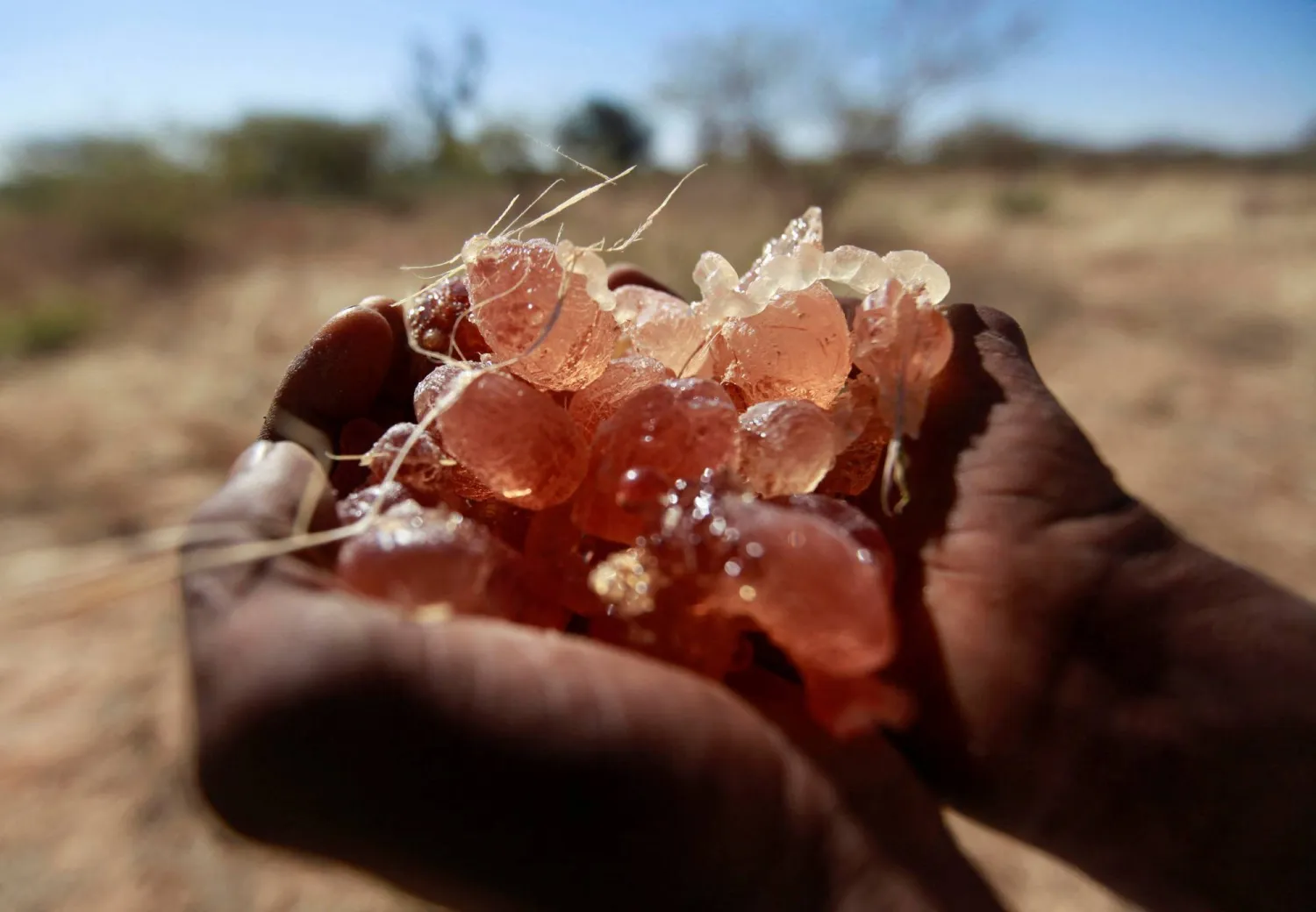
In return, under arrangements to be negotiated, the United States would gain access to Sudanese resources specified in the legislation, including gold, uranium, copper, chromium, iron, manganese, zinc, nickel and silver, as well as crude oil and gum arabic.
The range of resources underscores that the initiative extends beyond gold, one of Sudan’s main sources of foreign currency, to materials used in manufacturing, technology and supply chains, alongside commercially important agricultural products.
In a statement issued by his office, Baird noted that Sudan’s mineral resources could help expand supplies of materials used in everyday American technologies, including phones and cars, while creating economic opportunities for Sudanese citizens.
He also warned that the war was devastating lives and undermining Sudan’s future, stressing that civilian protection must come before expanded economic cooperation.
Civilian rule as a prerequisite
The legislation contains political conditions that go beyond the congressman’s brief announcement.
Section 2 outlines a proposed partnership with Sudan under a legitimate civilian-led governing authority that has made substantial progress in reducing violence against civilians.
Section 3 goes further, barring the establishment of the partnership until the US secretary of state determines that Sudan’s civilian-led authorities have taken sufficient steps to achieve measurable improvements in three areas: civilian protection, political stability and responsible governance of natural resources.
The bill also requires the agreement of the relevant Sudanese authorities in a civilian-led government before cooperation arrangements can proceed.
Its introduction therefore creates no automatic obligations for Khartoum and grants Washington no immediate rights to exploit Sudanese resources.
The conditions give the initiative a clear political dimension, making a transition to legitimate civilian rule and improved civilian protection potential gateways to broader economic relations with the United States.
However, the proposal does not outline a detailed model for political transition or establish a timetable for forming a civilian government. Nor does it constitute an agreement with Sudanese authorities at this stage.
Gold at the center of economic calculations
The initiative comes as gold assumes growing importance in Sudan’s economy, following a war that has disrupted major productive sectors, weakened public revenues and deepened the country’s foreign currency crisis.
According to figures cited by Business Insider Africa from London-based Metals Focus and the World Gold Council, Sudan produced approximately 74.6 metric tons of gold in 2025, ranking fifth in Africa.
Yet the metal’s significance extends beyond production volumes. The conflict has raised mounting questions about gold smuggling networks, export routes and how much of the revenue reaches the state, amid competing control over mining and trading areas.
Against this backdrop, the bill’s requirement for responsible resource governance carries particular significance.
It links potential US cooperation not only to continued production but also to who manages the resources, how revenues are controlled and whether accountable institutions can be established.
A long legislative process
Despite its political and economic implications, the proposal remains at an early legislative stage, having been referred to the House Foreign Affairs Committee.
For the bill to become law, it must complete the congressional process, including approval by both the House of Representatives and the Senate, before being signed by the US president.