



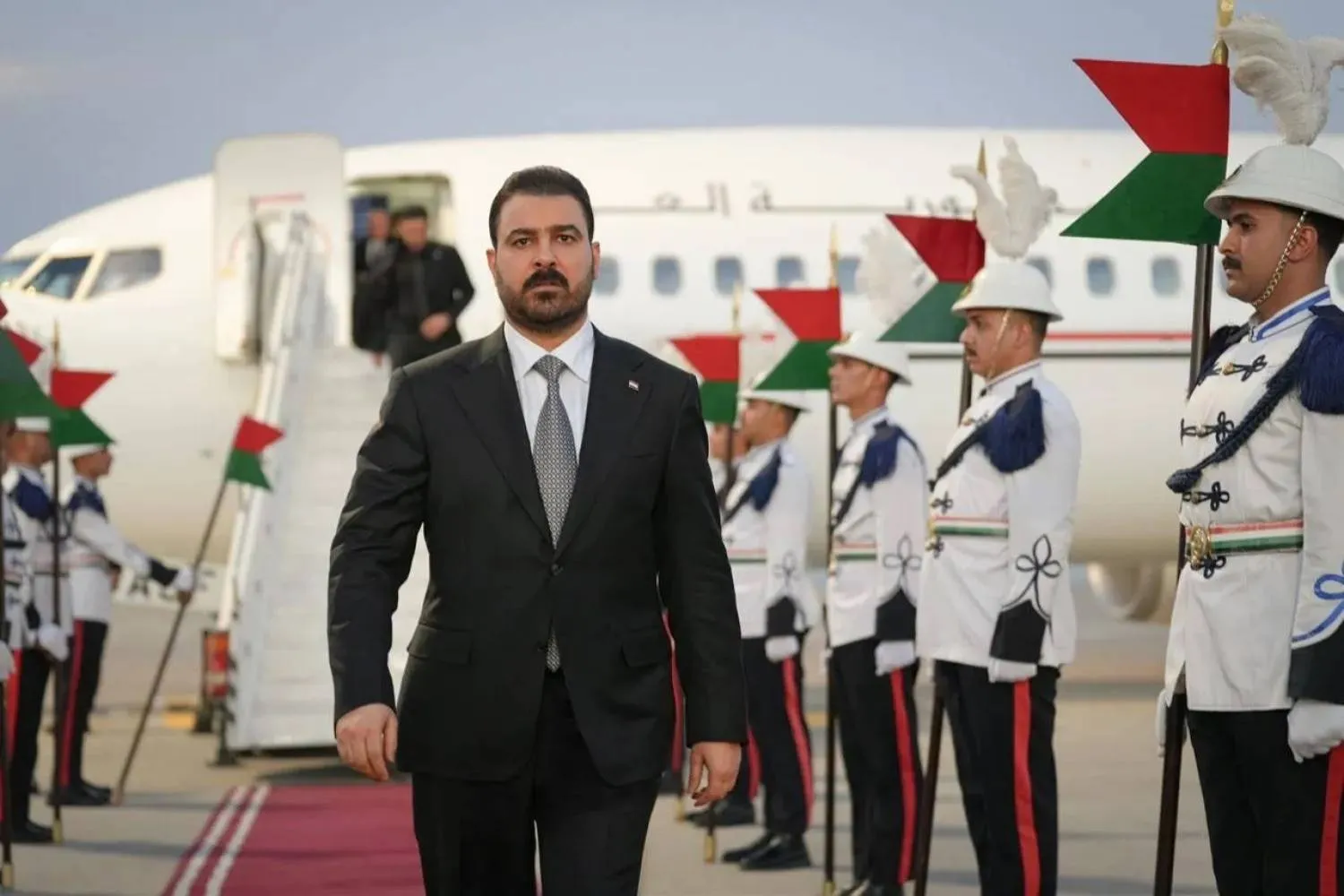

Iraqi Prime Minister Ali al-Zaidi will visit Iran and Türkiye in the coming days after concluding an official trip to Washington, where he met US President Donald Trump and senior administration officials, government spokesman Haider al-Aboudi announced Monday.
Tehran has traditionally been the next stop for Iraqi prime ministers after visits to Washington.
The visits come after Iranian figures and Tehran-aligned Iraqi allies sharply criticized al-Zaidi over his White House meeting and Trump’s remarks about former Quds Force commander Qassem Soleimani and former Popular Mobilization Forces (PMF) deputy chief Abu Mahdi al-Muhandis.
Al-Aboudi told the Iraqi News Agency that the visits are part of the government’s program to strengthen Iraq’s ties with neighboring countries and regional and international partners, particularly following what he described as the positive results of al-Zaidi’s official visit to the United States.
He said the talks would cover bilateral issues as well as regional developments and ongoing efforts to reduce tensions and promote security and stability. Iraq’s balanced relations with regional actors, he added, position it to support dialogue and help ease tensions.
Addressing the issue of limiting arms to the state, al-Aboudi said it is “a sovereign Iraqi matter” to be managed in accordance with the constitution and the law, through an independent national decision, as part of the government’s program to strengthen state sovereignty and the rule of law.
Government and media circles, meanwhile, say al-Zaidi is expected to raise with Iranian officials the issue of dissolving armed factions and surrendering their weapons before the scheduled withdrawal of US and international coalition forces from Iraq at the end of September.
Many Iraqi observers believe dismantling the factions and disarming them can only be achieved through an understanding with Tehran, given its influence over most armed groups that oppose disarmament. Others doubt al-Zaidi can secure meaningful concessions from Iran, particularly as Tehran faces mounting US military and economic pressure. Some also believe Iran could deliberately put him in an awkward position in response to his restrained handling of Trump’s remarks about Soleimani and al-Muhandis.
During last week’s White House meeting, Trump boasted about ordering the January 2020 strike near Baghdad International Airport that killed Soleimani and al-Muhandis. Jokingly, he asked al-Zaidi whether he had done Iraq “a favor.” Al-Zaidi replied that he had not been involved in politics at the time and that his visit was focused on the future, a response that drew sharp criticism from Iran and its Iraqi allies.
Among the harshest critics was Ali Akbar Velayati, a senior adviser to Iran’s supreme leader, who described the visit as “regrettable” and said it had harmed the Iraqi people’s struggle.
Amid the criticism, Iranian Foreign Minister Abbas Araghchi sought to ease tensions during a phone call Sunday with Iraqi Foreign Minister Fuad Hussein, stressing that the remarks directed at al-Zaidi were “personal and unofficial” and would not undermine the two countries’ strategic relationship, according to Iran’s IRNA news agency. Iraq’s Foreign Ministry issued no statement on the call.


