
Compensation for victims of the latest war with Israel has stalled, with neither the Lebanese state nor Hezbollah putting forward a mechanism to begin payments.
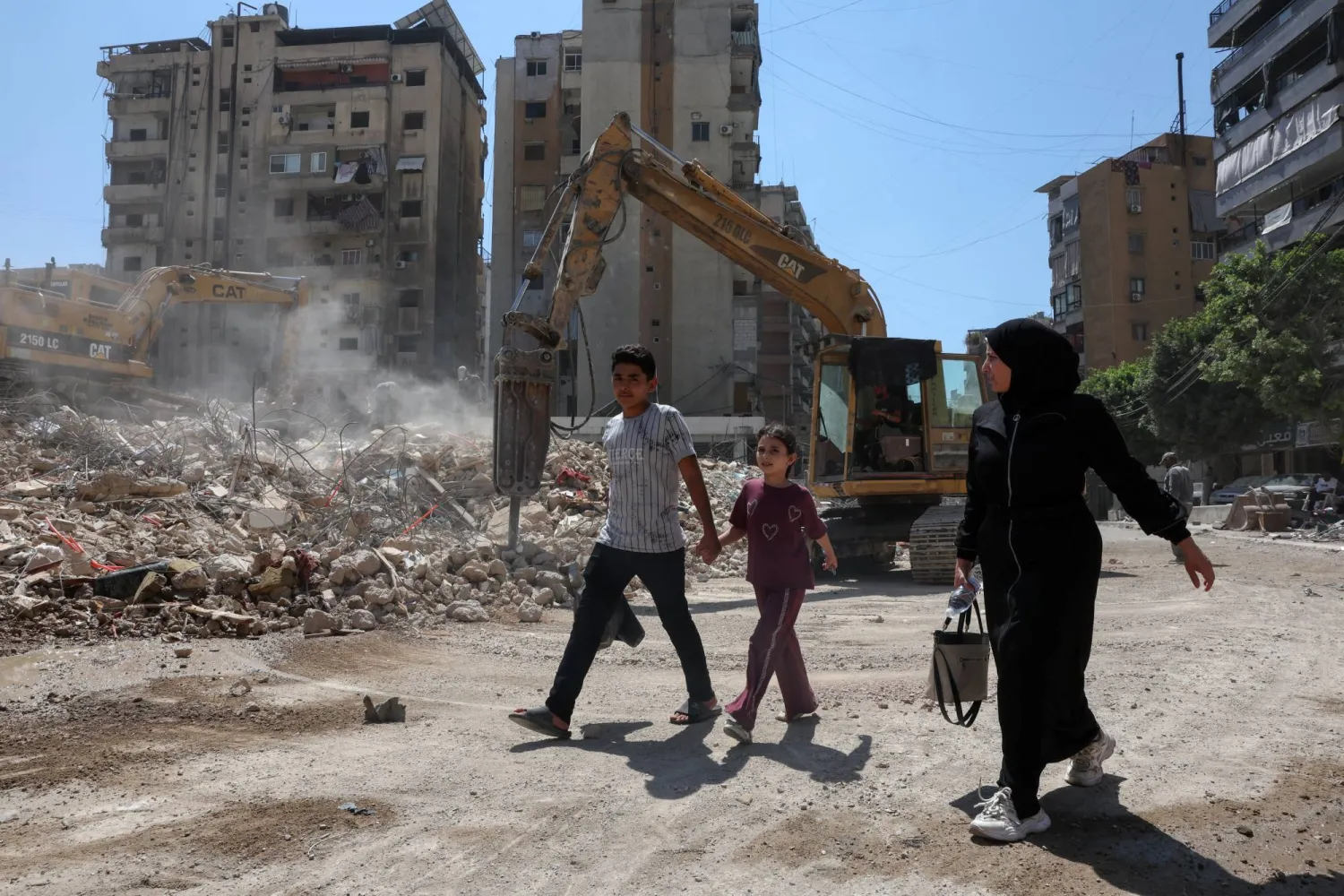
Damage surveys are continuing in several areas, but thousands of residents are still waiting for an official announcement on when compensation will start and how it will be paid.
Informed sources said Hezbollah was still conducting internal reviews and had yet to begin surveying the damage itself. The Lebanese state, meanwhile, says it lacks the money to launch a compensation program.
Sources in Beirut’s southern suburbs told Asharq Al-Awsat that Hezbollah had not paid any compensation to those affected by the war.
The compensation mechanism remains under review by the relevant bodies within the group, the sources said. Claims are being examined and verified, but no decision has been made to start payments.
Victims receive neither compensation nor housing aid
Residents say there is little on the ground to suggest payments will begin soon.
A local source from Beirut’s southern suburbs, who asked not to be named, said compensation remained “effectively frozen.”
He said he had received neither compensation nor housing assistance, although his home in Haret Hreik was partially destroyed during the latest war.
Another home he owns in a town in the Nabatieh district of southern Lebanon was also damaged, but he has received no compensation or financial aid for that property either.
“Some municipalities carried out preliminary inspections to document the damage and prepare for a later stage,” he said. “But there has been no compensation mechanism and no survey by Hezbollah, unlike after the 2024 war.”
Many residents believe the war has not truly ended and that compensation will therefore remain on hold, he added. They have received no clear information on when payments might begin or how they will be distributed.
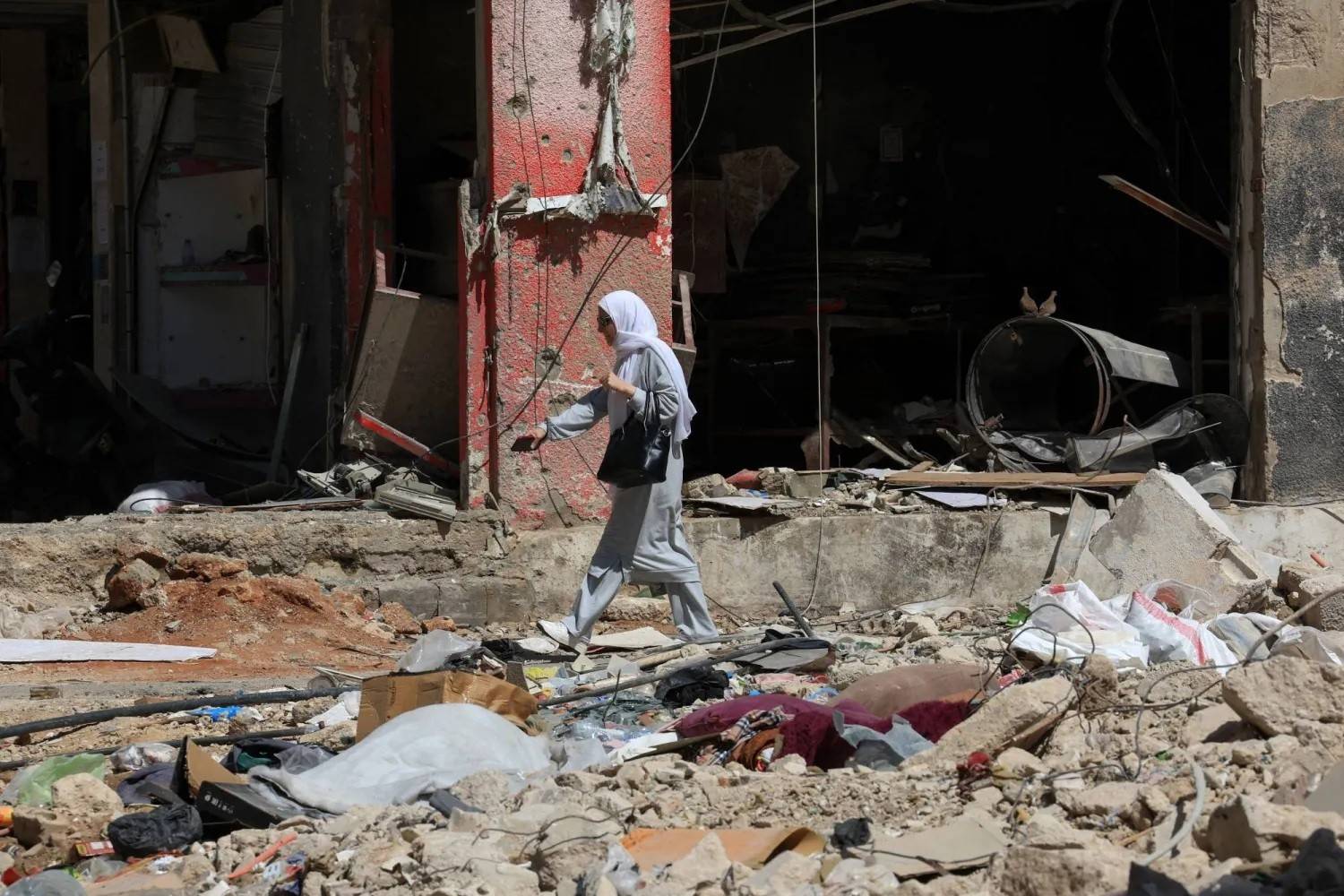
Financial strain forces Hezbollah to reset priorities
Psychology professor Mona Fayad said Hezbollah’s failure to pay compensation pointed to a deeper financial crisis, not merely an administrative delay.
“Hezbollah’s delay in compensating those affected is not due to organizational or administrative considerations,” Fayad told Asharq Al-Awsat.
“It reflects growing financial pressure caused by regional shifts and the pressures facing the group.”
She said Hezbollah had been forced to reorder its financial priorities as its sources of support declined.
“The group continues to pay salaries and provide some limited assistance, but it has not begun paying actual compensation,” she said. “This shows that its resources no longer allow it to meet its previous commitments.”
“Basic expenses now come first, while files requiring substantial liquidity, above all compensation, have been postponed.”
Fayad said declining Iranian influence in several regional arenas, particularly Syria and Iraq, had directly weakened Hezbollah’s financial capacity.
Restrictions on supply routes and mounting pressure on the group’s financial infrastructure had forced it to draw on its core resources, she said. Financial institutions linked to Hezbollah were also operating under greater scrutiny and pressure than before.
“The financial crisis is now clearly visible in the failure to compensate those affected,” she said.
But discontent within Hezbollah’s support base remains limited because the state is also unable to offer an alternative, she added. Many residents are still waiting for assistance from the group despite the delay.
Surveys begin, but the state has no money to pay
Hashem Haidar, head of Lebanon’s Council for the South, said damage surveys began as soon as the ceasefire took hold, but compensation payments had not started because funding was unavailable.
“We began surveying damage immediately after the ceasefire in every area that had become safe and was no longer being targeted,” Haidar told Asharq Al-Awsat.
“We could not enter dangerous areas or those where the occupation remains present.”
Survey teams began with homes that had been completely destroyed, he said, allowing the relevant authorities to remove rubble while inspections continued.
But the state has not paid any compensation.
“There has been no compensation at all so far,” Haidar said. “Those affected have received no money because the state lacks the financial means.”
He said preliminary estimates of the damage were available, but accurate figures would not be possible until the full survey was completed.
Inspection teams have still not entered some areas, particularly those within what is known as the “yellow zone,” because access remains impossible.
Until those areas can be reached, Haidar said, the full scale of the losses cannot be determined.