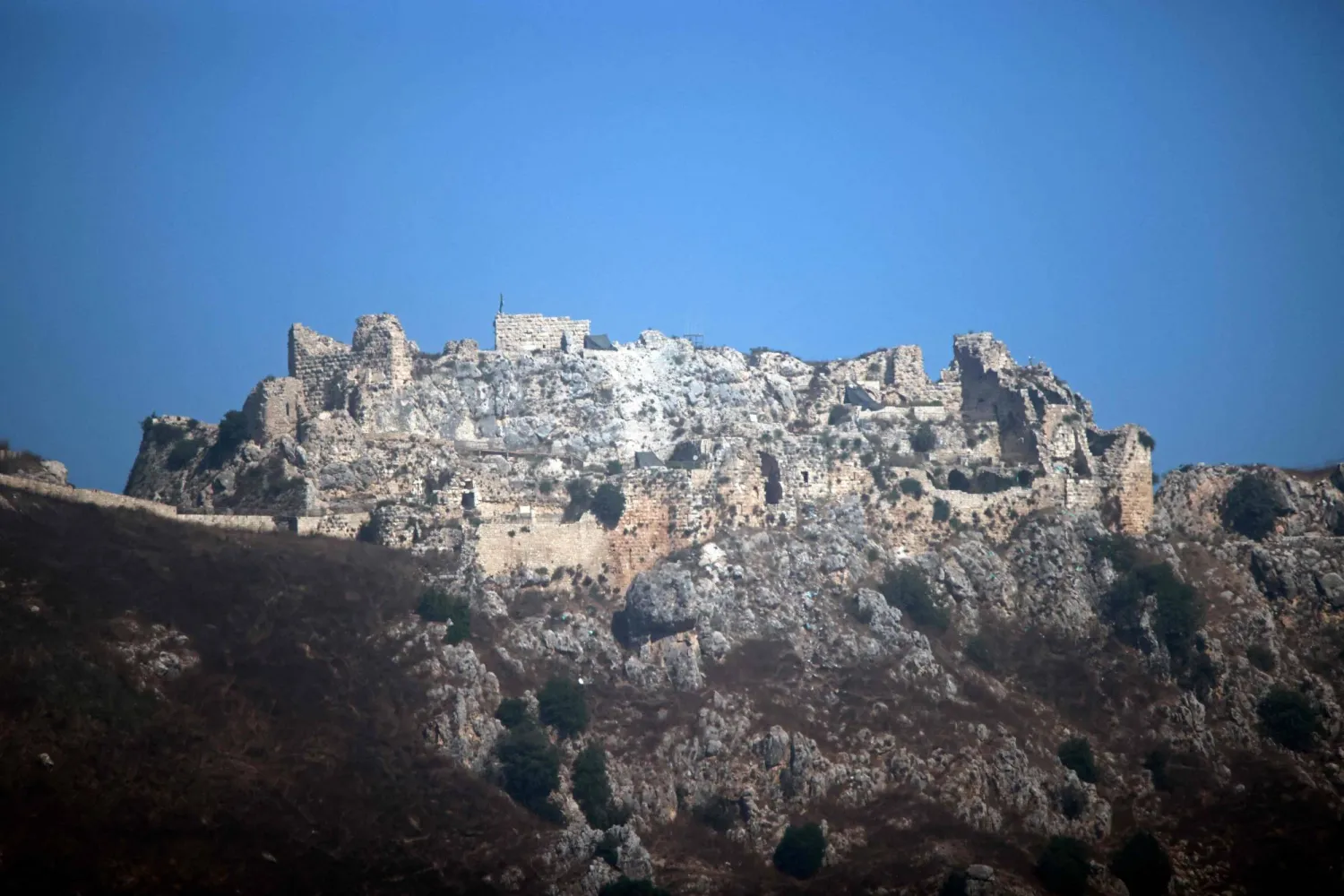

Israel launched a new phase of operations in southern Lebanon at dawn on Friday, carrying out one of its largest demolitions since the war began.
The Israeli military said it used about 700 tons of explosives to destroy a tunnel network it said belonged to Hezbollah near Beaufort Castle.
The blasts sent tremors across southern Lebanon and were heard in distant areas. Military experts said the operation appeared to be part of an Israeli strategy to destroy infrastructure before any possible withdrawal from territory under its control.
Blasts reshape Beaufort landscape
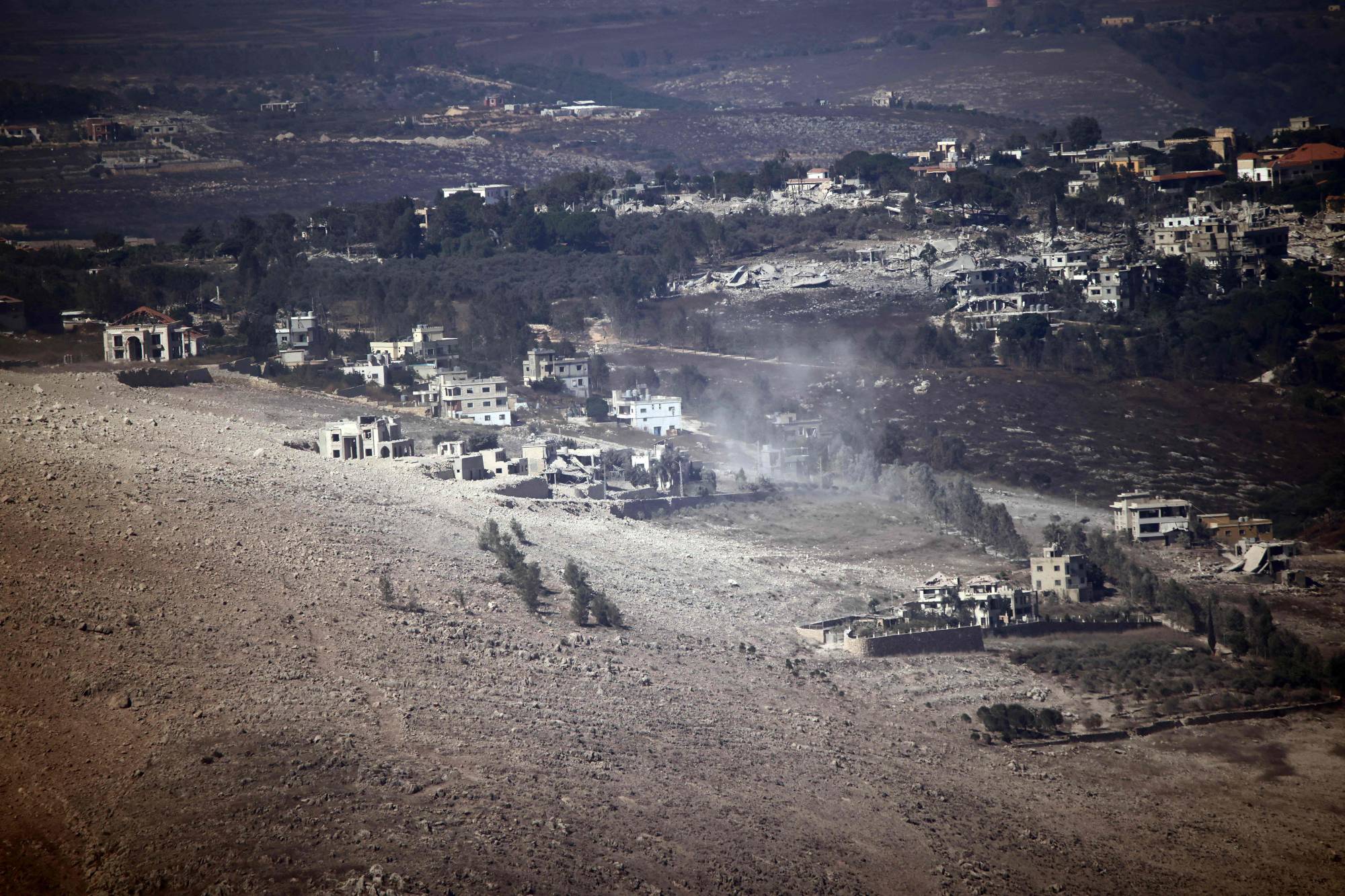
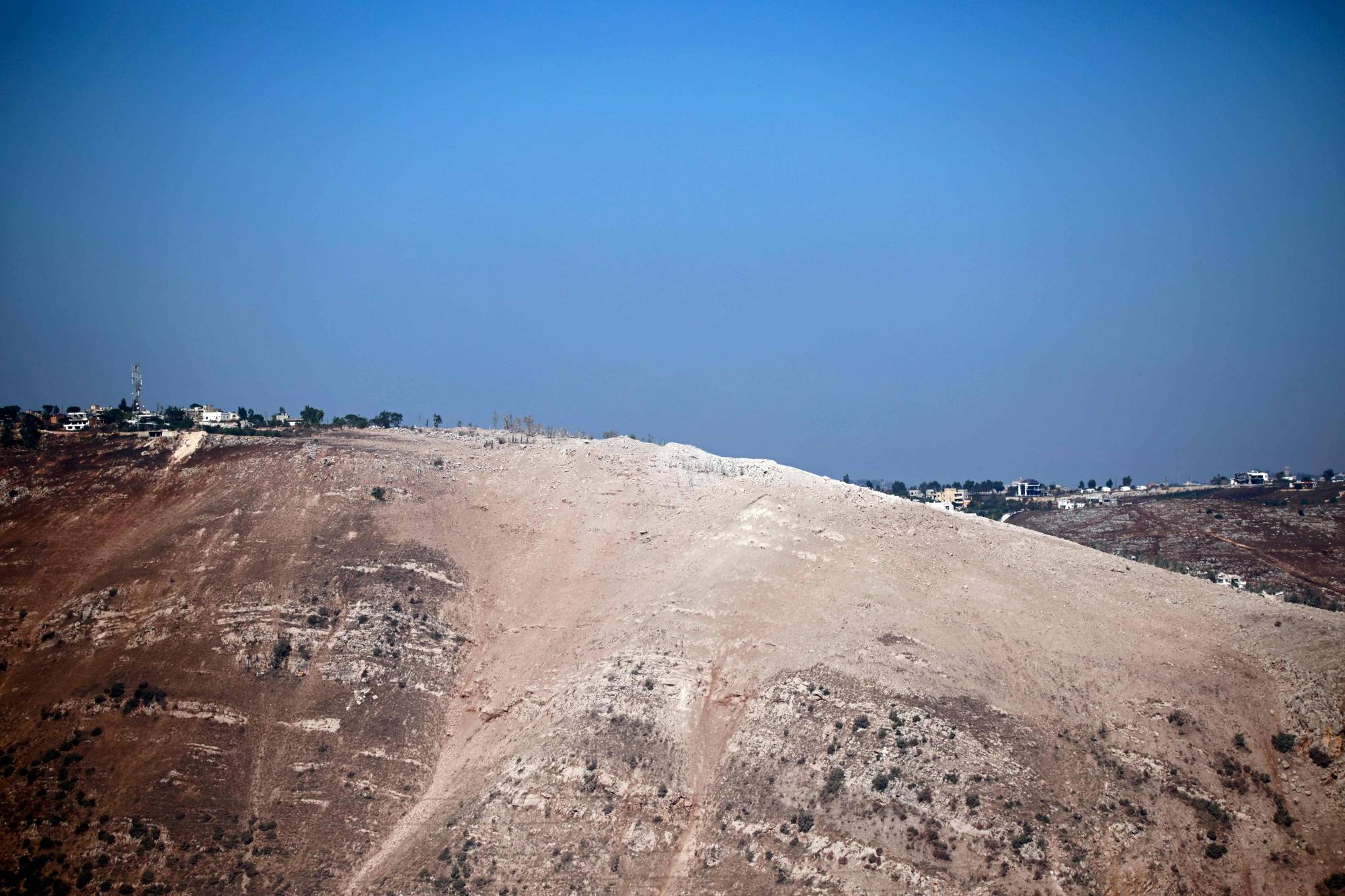
The explosions shook areas across the south, while footage from the scene showed major changes to the landscape stretching south of Beaufort Castle toward Yohmor al-Shaqif.
Rocky hills and farmland were covered in rubble and limestone debris. The castle itself appeared to have sustained no direct damage.
The Geophysics Center said it recorded ground waves equivalent to a magnitude 3.8 earthquake.
Lebanon’s Culture Ministry stated the castle had not been directly damaged, but said Israeli occupation made it impossible to assess damage in the surrounding area.
The operation came a week after the castle was placed on the UNESCO List of World Heritage in Danger.
Destruction before withdrawal
Military expert Hassan Jouni said the scale of the blast reflected Israel’s broader strategy in areas under its control.
“Israel works to completely destroy the infrastructure in any area it controls because it does not want to withdraw and leave behind facilities or positions that could be restored or used again,” Jouni told Asharq Al-Awsat.
“This is a policy it is clearly pursuing.”
He described the explosion as “extremely large,” saying reports that hundreds of tons of explosives were used pointed to the presence of military infrastructure.
“Beaufort Castle and its surroundings are a strategic location, so it is natural for infrastructure to exist in this area,” he said.
Jouni said the Israeli military had spent weeks preparing the operation.
“According to the available information, the Israeli army had been making engineering preparations for this operation for several weeks, but chose to carry it out now,” he said.
“The timing was not random. It suited its operational calculations.”
He said the timing could also be linked to Israel’s announcement that a drone had attacked an engineering vehicle.
Israel may also have used the operation to cause additional environmental damage and deepen its psychological and morale impact, he said.
The blast had “clear psychological repercussions” and geological effects because of the volume of explosives used, he added.
Possible prelude to new pilot zones
Jouni did not rule out the possibility that the demolition was linked to a new phase involving what have been described as “pilot zones.”
“If there is an intention to withdraw from Zawtar al-Sharqiya and include it in the next phase of the pilot zones, this explosion could be read in that context,” he said.
Zawtar al-Sharqiya borders Zawtar al-Gharbiya and had been included in the initial plan for those areas, he added.
A withdrawal from Zawtar al-Sharqiya would restrict Israeli movement around the area, Jouni said, potentially prompting Israel to complete demolition work before pulling back.
“It may seek to pre-empt any possible withdrawal by first completing its demolition and blasting operations,” he said.
Similar explosions elsewhere in southern Lebanon showed that Israel was continuing the same approach, he added.
“The infrastructure in these areas no longer represents a military need that would justify destruction on this scale,” he said.
Sweeping the area to prevent Hezbollah from rebuilding
Retired Brigadier General Saeed Qazah offered a similar assessment, saying Israeli demolitions, including the Beaufort operation, were part of a single strategy.
The aim, he said, was to remove any infrastructure Hezbollah could use if Israeli forces withdrew from the areas they occupy.
“The Israeli army does not want to leave behind any infrastructure that Hezbollah could use later, whether tunnels, operations rooms, command-and-control centers, ammunition depots, logistical warehouses or combat equipment,” Qazah told Asharq Al-Awsat.
Such facilities had formed a central part of Hezbollah’s military structure for years, he said.
Qazah said Israel was drawing lessons from the latest pilot war.
“Not all the tunnels were destroyed during the 15 months of fighting, and Hezbollah was later able to reuse some of them,” he said.
“The Israeli army is therefore searching the area inch by inch to ensure the destruction of everything that could contribute to rebuilding Hezbollah’s military strength if Israel withdraws from these areas in the future.”
He said Israel aimed to prevent Hezbollah from rebuilding the military capabilities it had developed between 2006 and 2023.
“Every area Israel classifies as part of the Yellow Zone, or where it stations its forces, will see similar operations to destroy the existing military infrastructure,” he said.
Field searches would continue to uncover additional facilities and equipment, he added.
Qazah said artillery fire and sweeping operations were also part of the same strategy.
“The Israeli army follows a shoot-on-suspicion policy whenever it detects movement around its forces, whether through radar, sensors, or visual surveillance,” he said.
“The area is immediately shelled out of concern that there may be an attempt to infiltrate toward Israeli forces stationed inside occupied Lebanese territory.”
Israel says most tunnels destroyed
The Israeli military said it had destroyed most of the tunnel network around Beaufort Castle.
It said the operation was carried out in response to a drone that Hezbollah allegedly launched toward an engineering vehicle on Ali al-Taher Hill.
Israeli Prime Minister Benjamin Netanyahu and Defense Minister Israel Katz said Israeli forces would remain inside the “security zone” in southern Lebanon and continue destroying infrastructure to prevent Hezbollah from rebuilding its military capabilities.
Operations continue across the south
Israeli military operations continued in southern Lebanon, with forces carrying out demolitions, shelling and sweeping operations in Deir Seryan, the Dabsha area, the Ali al-Taher heights, Kfar Tibnit, Mansouri, Majdal Zoun and Talloussa.
The blasts near Beaufort Castle caused material damage and shattered windows in several homes in Qlayaa because of the force of the tremors.
Israeli forces continued sweeping the outskirts of Mansouri and Buyout al-Sayyad. Tanks were heard near Baraashit Hill, while explosions were reported in both the eastern and western sectors.