
The International Monetary Fund on Tuesday said it had agreed a wide-ranging technical assistance program for conflict-ravaged Syria, where the new government is rebuilding the economy after more than a decade of civil war.
An IMF team undertook a five-day trip to Damascus from July 19, after resuming missions to the country last year for the first time since 2009.
"Given Syria's large humanitarian and development needs, strong and timely international financial support is still needed," said Ron van Rooden, a senior IMF official who led the visit.
"Sustainable reintegration of returning refugees and internally displaced people requires support beyond humanitarian assistance, focused also on creating productive employment opportunities, enhancing public service delivery, and restoring housing and infrastructure."
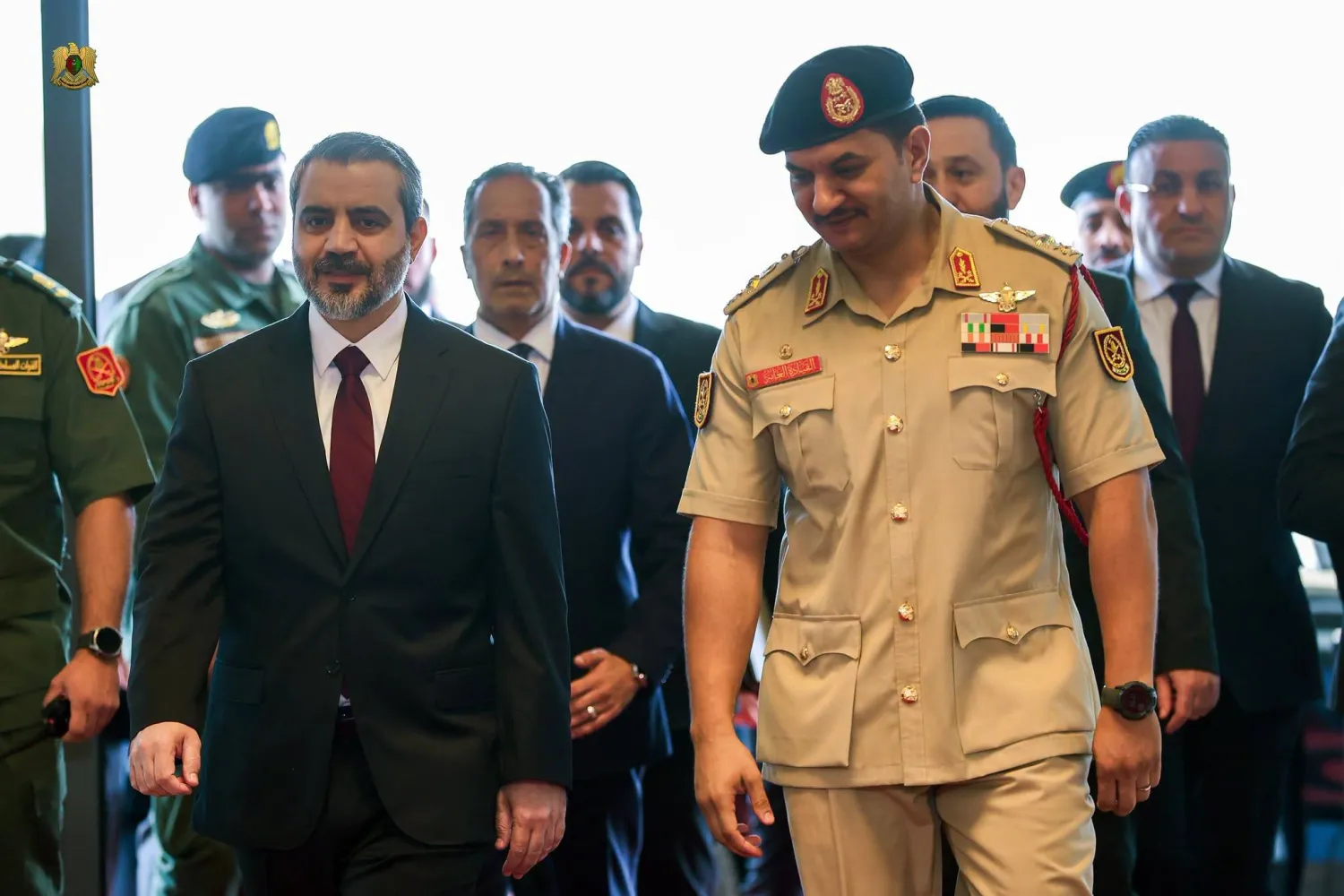
The IMF delegation met with Finance Minister Yisr Barnieh, central bank Governor Safwat Raslan and other senior officials, an IMF statement said.
Syria's economy was devastated by more than 13 years of war, as armed opposition groups and pro-democracy activists fought against former president Bashar al-Assad's brutal rule.
The new Syrian authorities are led by President Ahmed al-Sharaa. The opposition overthrew Assad in December 2024.
The United States and some of its allies have announced the easing of sanctions on Syria since then, but investors have remained cautious. The World Bank has estimated the country's post-war reconstruction could cost $216 billion.
Syria has not officially asked the IMF for a bailout package. Such a request would be contingent on a debt analysis and possible restructuring, and negotiations with the IMF.
IMF official van Rooden said the IMF was continuing to support authorities "in their efforts to rehabilitate Syria's economy and improve the functioning of key economic institutions."
The agreed-upon IMF technical assistance program will include helping Syrian authorities with capacity building on fiscal reforms, revenue mobilization and public debt management.
The program will also focus on financial sector reforms, including preparing new legislation and regulations, helping to rehabilitate the crippled banking sector and enhancing anti-money-laundering and anti-terrorism-financing controls.
The IMF said that progress had been made on a debt sustainability analysis, including the compilation of comprehensive debt data.
Van Rooden warned, however, that gaps in the data remain and that the technical assistance mission would also contribute to building better economic data collection and analysis systems.