
For many families in southern Lebanon, choosing a school is no longer a decision made months in advance.
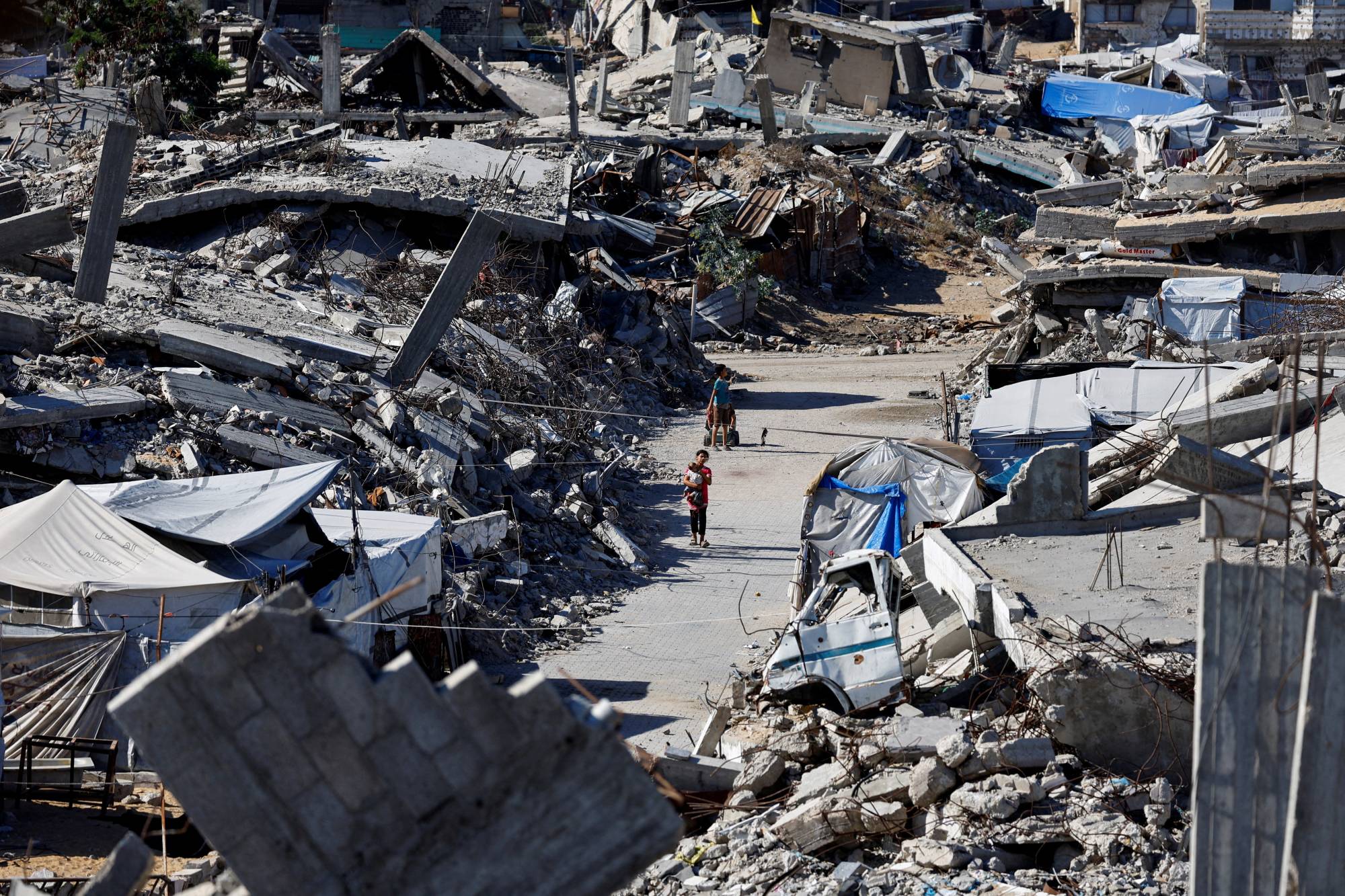
With September approaching, parents are still weighing where to enroll their children, watching the security situation and recalling the upheaval of the past two years, when thousands of students were kept out of classrooms, families were displaced and schools shifted from in-person to remote learning.
The uncertainty has produced starkly different choices. Some families are enrolling children in schools in the areas where they were displaced.
Others are opting for lower-cost public schools in case classrooms are forced to close again. Some are seeking schools in safer areas that stayed open during the previous war.
Normally, most Lebanese schools, particularly private ones, complete enrollment by the end of the previous academic year, allowing the new school year to begin with student lists already finalized.
This year, some schools are keeping registration open through the first two weeks of September as parents hesitate over where to send their children.
“I enrolled my children, but I still haven’t bought their books,” said Abeer, a mother of three.
“Every day I look at the book lists and wonder: Should I wait, or pay for them and have the same thing happen as in the past two years? I’ll wait until mid-September before deciding.”
For Maryam, safety means keeping school close to home.
“My son is in first grade. I enrolled him in the public school near us in the village,” she said. “That way, if anything happens, I can pick him up quickly and flee at any moment.”
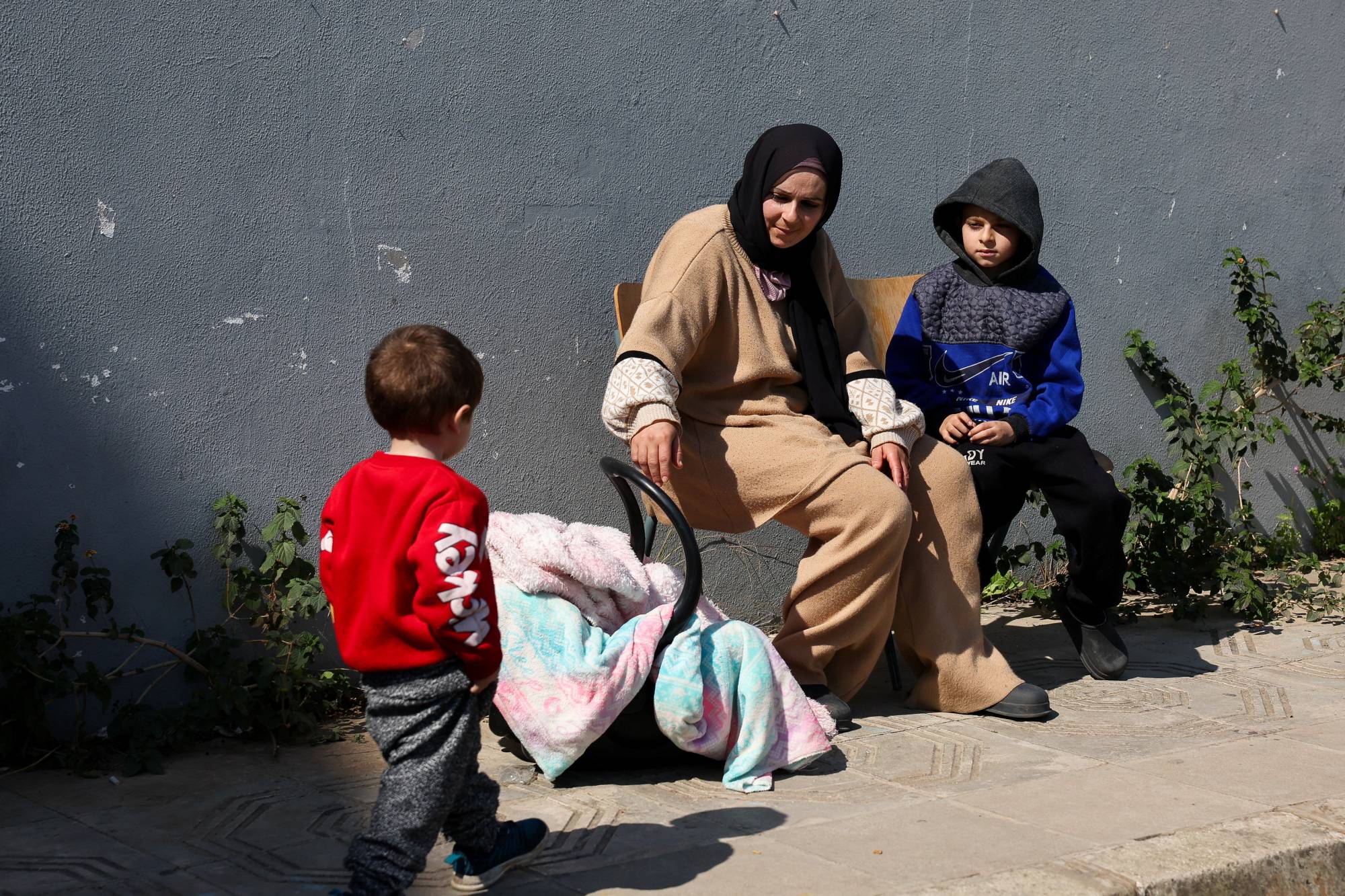
Parents from border areas who do not expect to return home soon are among those searching for schools where they have been displaced.
Others are turning to public schools, known for their lower fees, wary of paying high tuition only for schools to close again.
Some families are taking another approach: looking for schools in safer areas that managed to keep classrooms open during the previous war.
For parents reluctant to repeat the experience of remote learning, that has become a key condition.
“We decided to stay in the area where we were displaced,” said Um Ahmad. “So I looked for a school that did not close during the war and enrolled my children there.”
“I don’t believe remote learning is as beneficial as in-person education,” she said. “There is also the severe psychological strain that war places on my children and on us adults alike. So I believe in-person learning is better as long as it remains possible.”
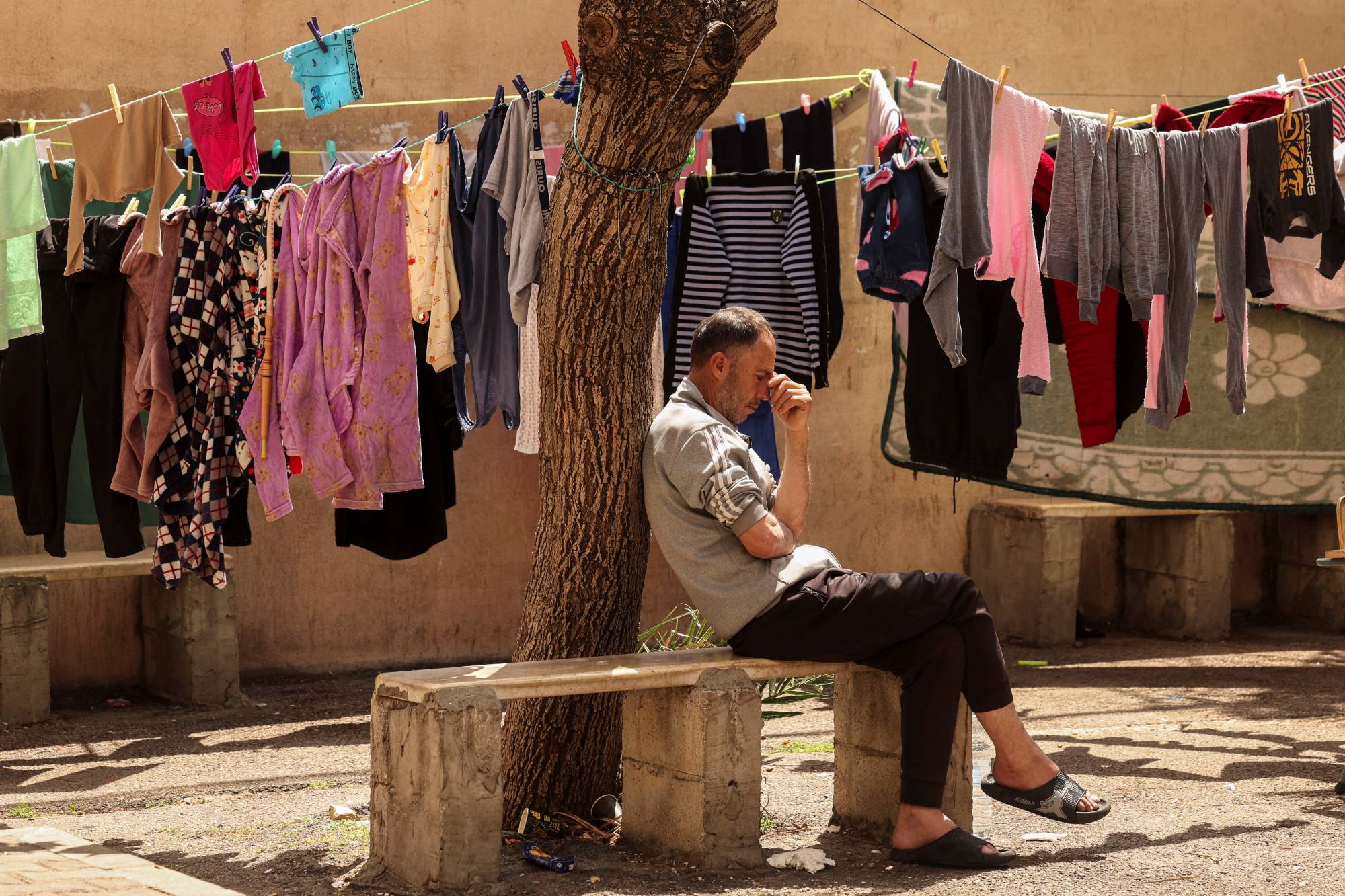
Schools prepare for both scenarios
Schools are facing the same uncertainty.
Several schools in southern Lebanon outside areas exposed to bombardment are preparing to open for the new academic year, but they are not assuming in-person learning will remain possible throughout it.
One private school in Nabatieh told parents it was preparing to “adopt in-person learning whenever security conditions allow.”
The message reflects a broader effort by schools to prepare for either in-person or remote teaching, depending on developments on the ground.
The approach is also in line with the Education Ministry’s plan for the 2026-27 academic year, which seeks to keep education running according to conditions in each area: in-person teaching where safety and preparedness allow, and remote learning in areas affected by the security situation.
Between school and home, safety comes first
Some families have made the opposite calculation, choosing remote learning as the safer option.
Leila’s children had been attending a secondary school in Toul, in the Nabatieh district. She decided to move them to another school in Zebdine after their former school said it would return to in-person teaching next year, while the new school announced it would continue remotely.
“I’ll keep them with me at home,” she said. “That will feel safer to me.”
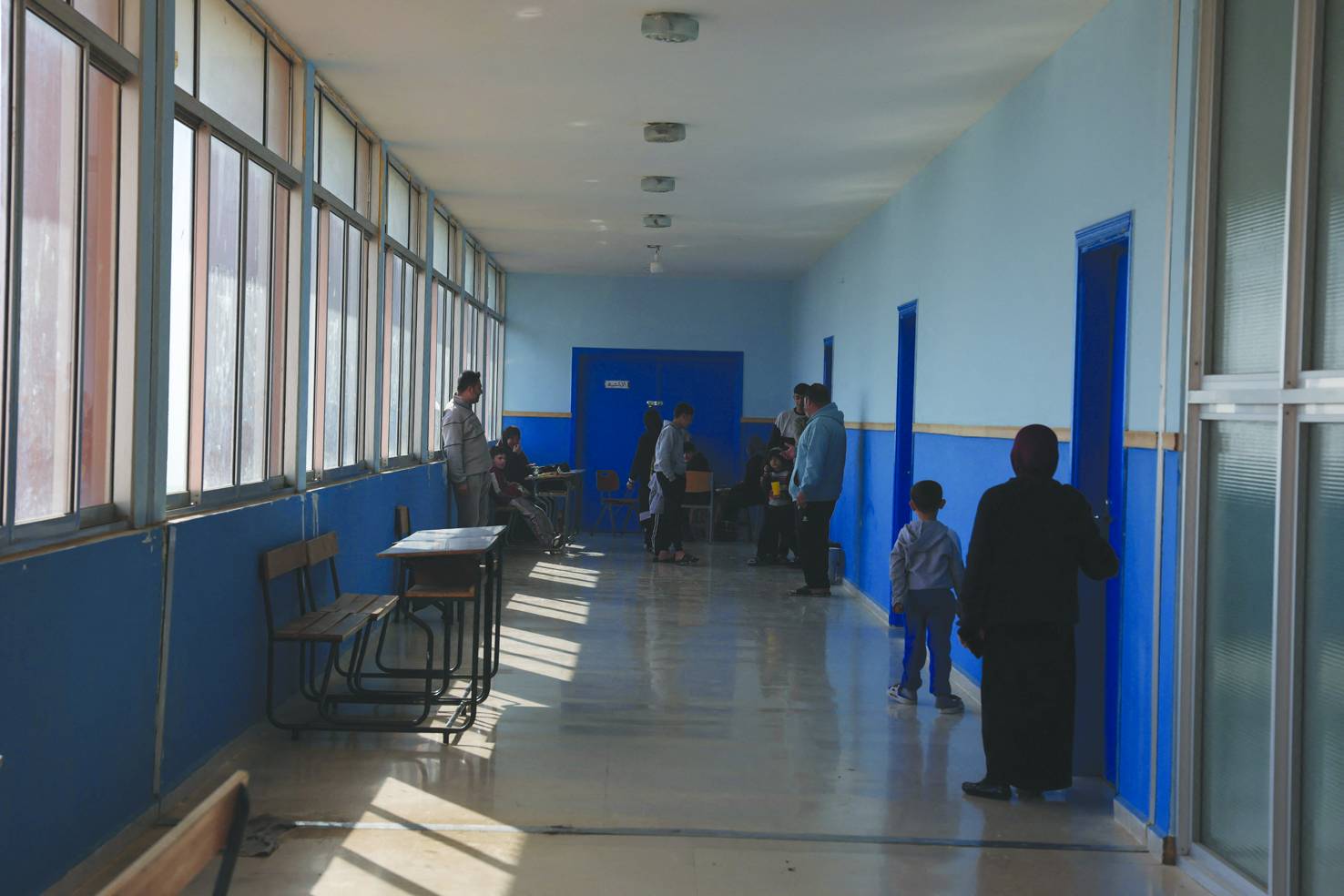
The Tarhini family made a similar choice from abroad.
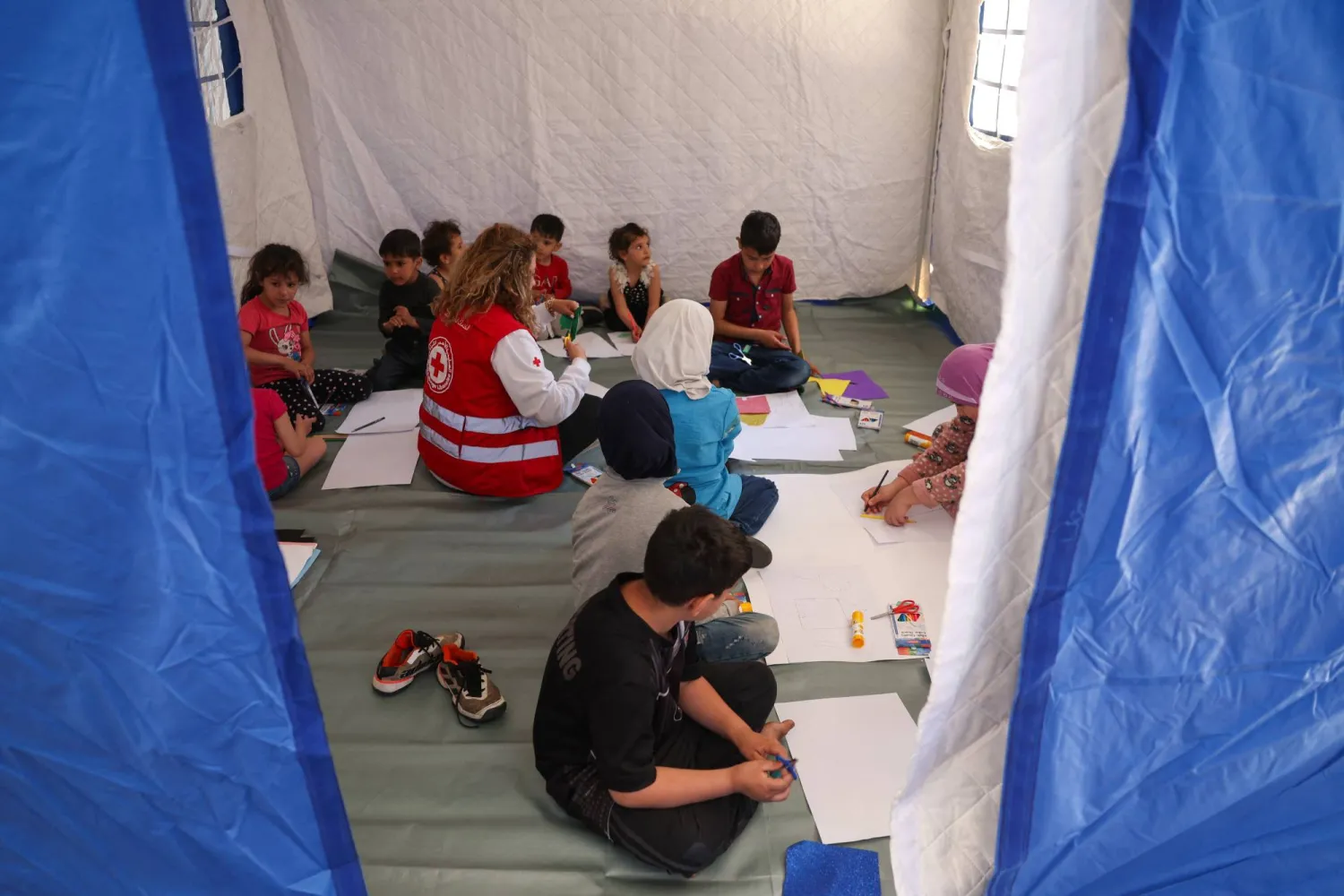
They left for Africa after the war broke out and enrolled their children in a Lebanese school offering remote learning while they waited for the situation to stabilize.
“The political and battlefield developments do not bode well, and it seems the war will undoubtedly return,” the father said, adding that the family’s decision gave him greater peace of mind for now.