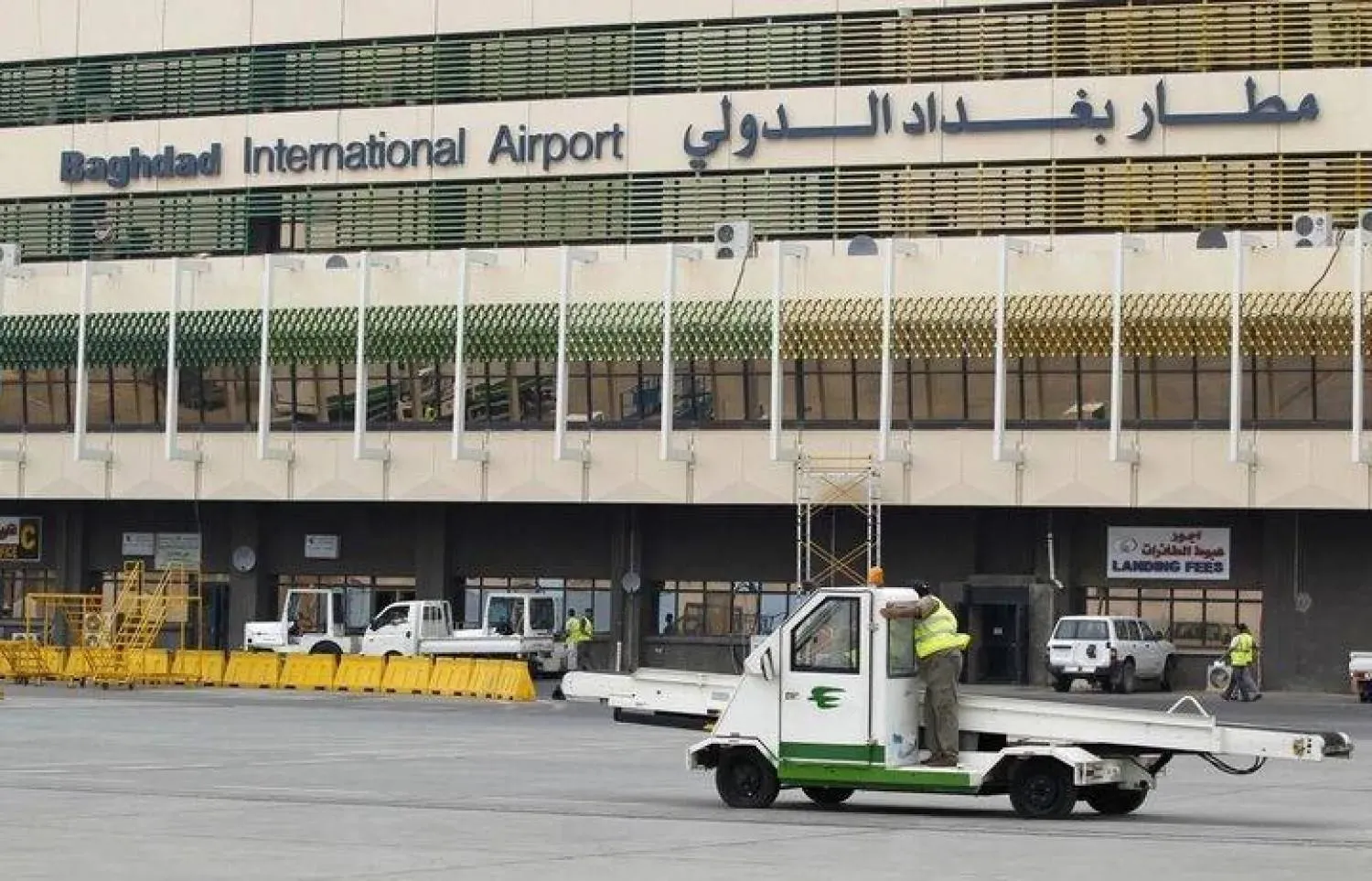

Iraq said on Friday it had reopened parts of its airspace that had been reserved for military operations against ISIS to civilian aviation after a 10-year closure.
The areas are now available to civilian aircraft, including flights transiting Iraqi airspace, in a move economists said could lower aviation operating costs.
Iraq’s airport management company said areas designated for military operations within the country’s airspace were no longer being used for that purpose and were now ready for civilian air traffic.
The state news agency quoted the company’s director, Ehab Karim, as saying that airspace previously reserved across western Iraq, from north to south, had been handed over to the General Company for Airports and Air Navigation Management for civilian aviation use.
The areas, stretching from the northernmost reaches of Nineveh province to the southern Anbar desert, had largely been reserved for sorties by the international coalition fighting ISIS and the Iraqi Air Force. Iraq began closing them in late 2016.
Karim said procedures to reopen the areas to civilian aviation would pave the way for Iraq’s Aeronautical Information Publication to be updated and made available to international airlines.
Returning the areas to civilian use would provide greater flexibility to establish new air routes, increase revenue, streamline civilian air traffic and support the national economy, Karim said.
He added that Iraqi airports were ready to provide services to all domestic and foreign airlines once the routes opened.
Iraq’s recovery
The Office of the Commander-in-Chief of the Armed Forces said it was ready to support the General Company for Airports and Air Navigation Management following the formal closure of the file on restricted zones in Iraqi airspace.
“This announcement represents an important step towards restoring Iraq’s regional and international standing in air navigation and confirms the country’s recovery and security stability,” the office said in a statement.
It said the move would help improve the management of Iraqi airspace, increase national revenue from aircraft transit fees and facilitate civilian air traffic between continents.
Iraq’s Transport Ministry said in a statement that an airspace management team at the Air Operations Center had established on a technical basis that the military air zones listed in Iraq’s Aeronautical Information Publication were no longer being used for military operations.
The development would pave the way for the completion of technical and regulatory procedures to remove the zones from the publication in coordination with the relevant authorities, the ministry added.
Security expert Fadel Abu Raghif told Asharq Al-Awsat that Iraq was capable of efficiently managing and securing its airspace after the routes were opened.
He also noted the importance of the decision coinciding with the withdrawal of international coalition forces from Iraq by Sept. 30, 2026.
Major shift
Economic expert Ziad al-Hashimi described the decision as a “major shift” for Iraq’s aviation sector, saying it would allow greater traffic and flexibility in the movement and management of air routes through Iraqi airspace.
Al-Hashimi said the decision was likely to shorten flight times and reduce operating costs for airlines transiting Iraqi airspace, particularly those arriving from Europe and Asia.
He added that it would help attract more airlines that had previously regarded alternative or restricted routes as costly to operate.
“The more flights that transit Iraqi airspace, the greater the revenue received by the Iraqi government,” he said.
Al-Hashimi cautioned, however, that European restrictions continued to impede the effective use of Iraqi airspace, with a warning remaining in effect until the end of this month.
After that, he said, the Iraqi government would need to persuade the European Union Aviation Safety Agency to allow European airlines to resume using Iraqi airspace and provide the necessary assurances, particularly regarding the safety of new and existing air routes.