



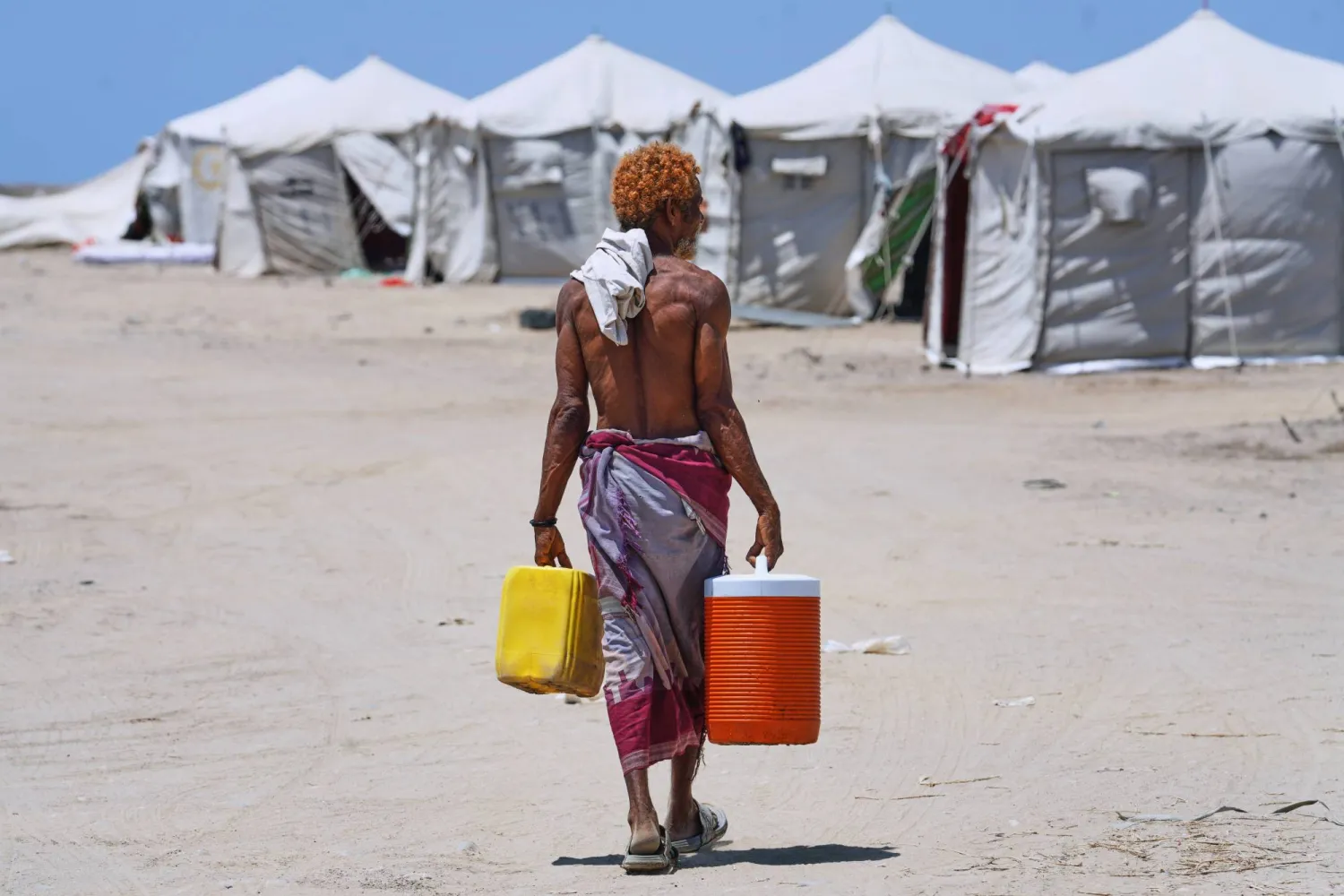

The health and humanitarian situations in Yemen continue to deteriorate as fighting intensifies, with 809 new casualties recorded during the reporting period between September 19 and 26, including 164 deaths, the World Health Organization said on Monday.
The new figures brought the cumulative total since Aug. 6 to 4,481 casualties, including 838 deaths.
In its fifth Situation Report on the Conflict Escalation in Yemen, WHO said deaths represented 20% of newly reported casualties during the reporting period, compared with 24% in the previous period and 17% before that, while casualties continue to rise at roughly 100 per day.
It said Lahj remains the heaviest front where Al-Madharibah wa Ras Al-Arah and the Bab Al-Mandab coast accounted for the largest daily burden on both days for which detailed field reports were available, it said.
The area recorded 47 casualties on Sept. 21, including 18 deaths, and 34 casualties on Sept. 26.
The next highest casualty burdens were reported in Marib and Taiz, according to WHO.
Displacement Doubled
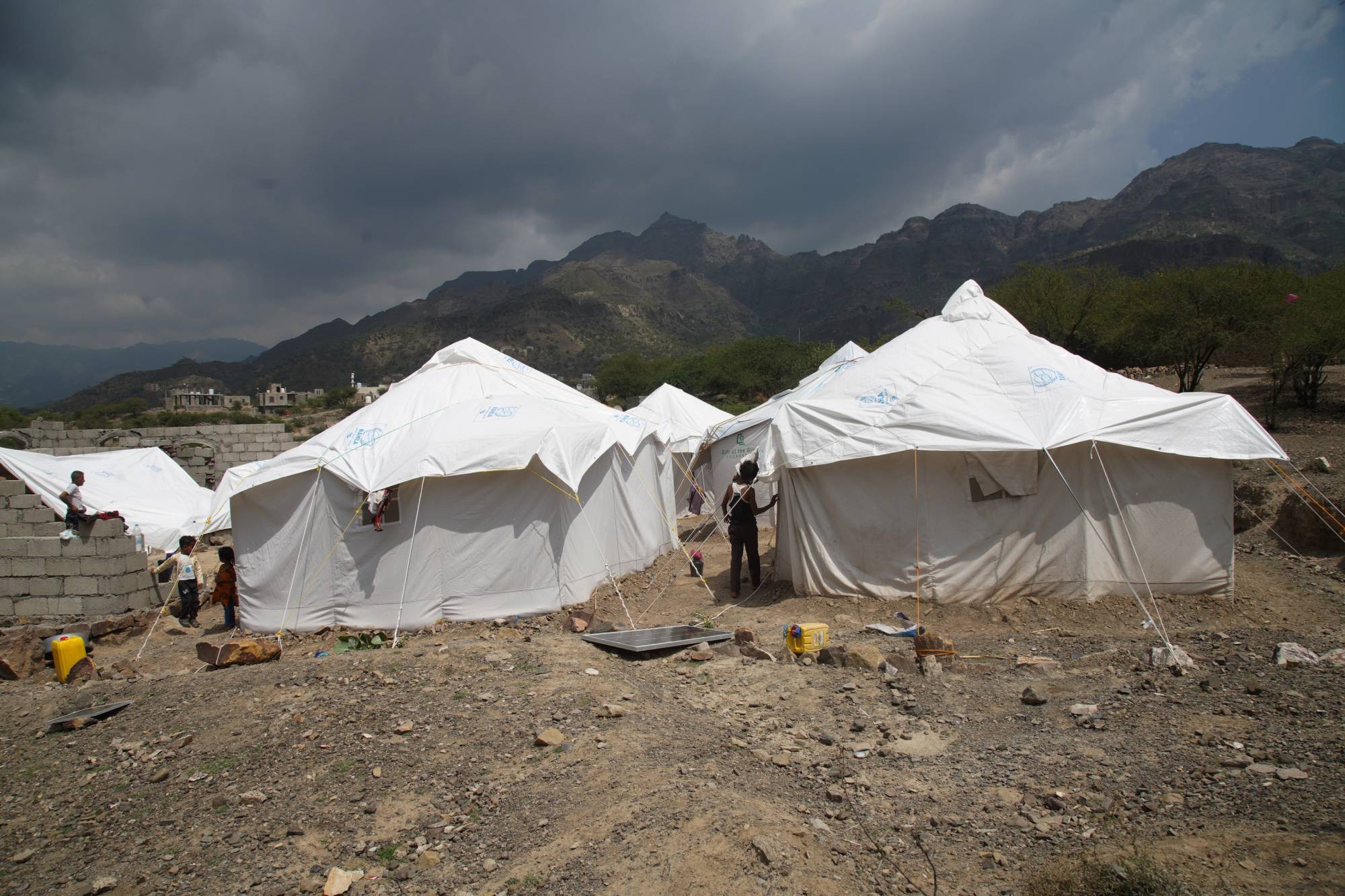
As the number of victims has risen in Yemen, the Situation Report said displacement has grown by more than half in eight days.
The Executive Unit for IDPs consolidated report of September 24 registered 27,413 displaced families (180,513 people) across ten governorates, up from 17,852 families (122,297 people) on September 15.
It said Marib and Al-Dhale have been added as governorates of arrival while Aden has more than tripled its caseload to 3,741 families.
WHO also noted that displaced families face rising risks of cholera, measles, malaria and dengue, and disrupted maternal, mental health and chronic care.
The UN agency warned that the Rapid Response Mechanism (RRM) registrations reached their highest daily levels of the crisis, with 1,315 households on Sep 21 and 1,470 on Sep 23.
Meanwhile, cholera alerts were registered in two displacement sites in Aden and suspected cholera cases reached 7,784 in a week.
Also, WHO said, around 40% of newly displaced households on the West Coast draw drinking water from unprotected wells or surface water, and nearly one third have no lockable latrine.
Hospitals Under Pressure
The UN report said the rise in injuries has placed further strain on the healthcare system, with some hospitals temporarily suspending emergency obstetric and neonatal services and referring patients to other facilities able to accommodate them.
Additionally, fewer facilities are reporting in Marib, Taiz, Al-Dhale and Aden, where only about 60% were fully functional before the escalation as verification is under way.
In an effort to strengthen response, the UN agency said it had sent 258 units of the Interagency Emergency Health Kit (IEHK) and the Trauma and Emergency Surgery Kit (TESK) to Yemen, worth more than $184,000.
It also provided additional supplies valued at around $656,000 to 40 health facilities across 10 governorates, alongside securing additional funding for surgical services, trauma care and the response to epidemic diseases.


