Sudan Drone Strikes Kill 21, Cause Mass Outages in East

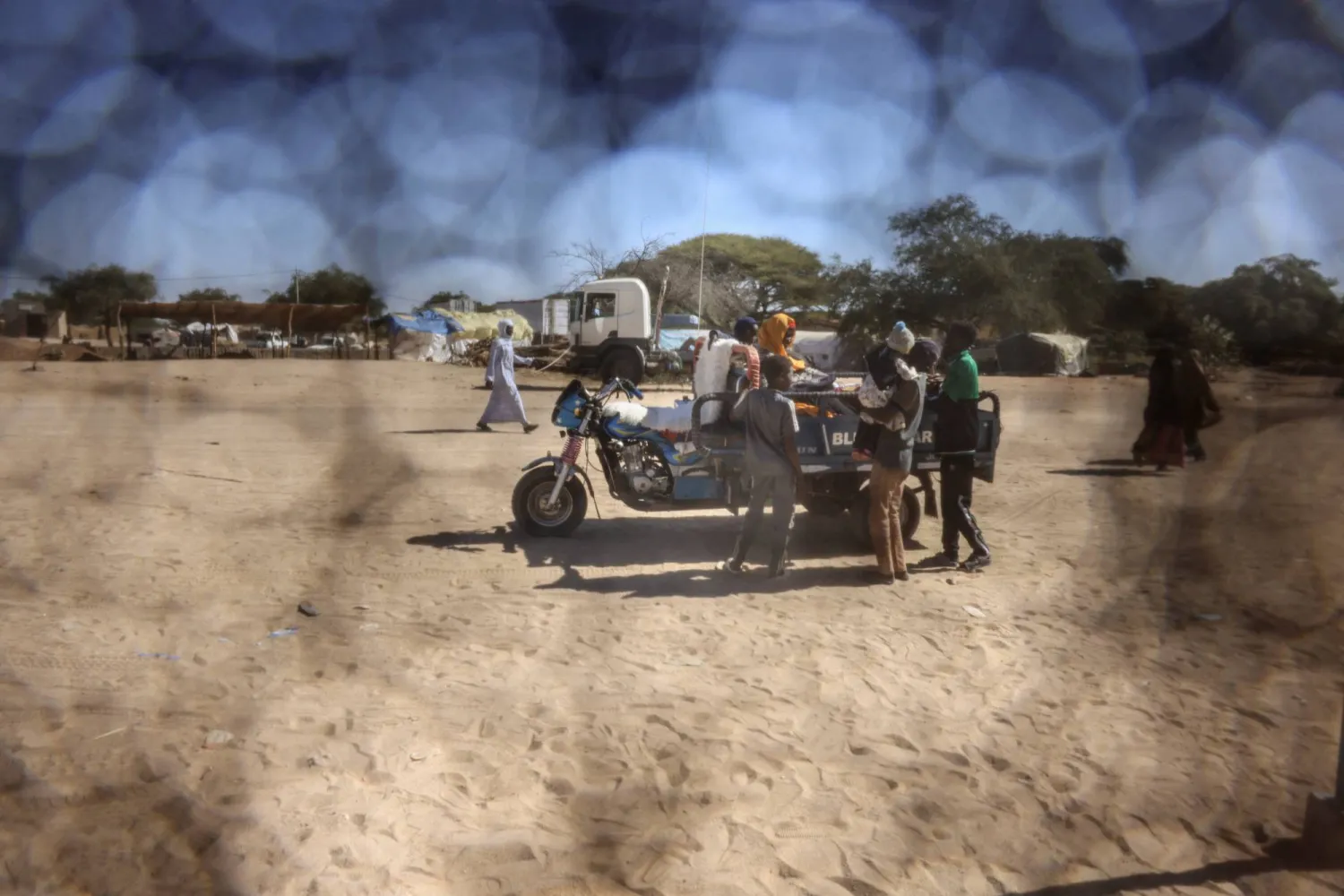
FILE PHOTO: A Sudanese refugee father from Al-Fashir rides on a motorized cart with his family travelling between Chad and Sudan amid the ongoing conflict between the paramilitary Rapid Support Forces (RSF) and the Sudanese army, at the Tine border post in eastern Chad, November 22, 2025. REUTERS/Amr Abdallah Dalsh/File Photo
TT

Sudan Drone Strikes Kill 21, Cause Mass Outages in East

FILE PHOTO: A Sudanese refugee father from Al-Fashir rides on a motorized cart with his family travelling between Chad and Sudan amid the ongoing conflict between the paramilitary Rapid Support Forces (RSF) and the Sudanese army, at the Tine border post in eastern Chad, November 22, 2025. REUTERS/Amr Abdallah Dalsh/File Photo

Sudan's warring sides have traded drone strikes that killed 21 people in the western Darfur region and left vast swathes of the country's east without electricity, medics and witnesses said Tuesday.

A drone strike on a market in Nyala, the de facto capital of Sudan's paramilitary Rapid Support Forces in Darfur, killed 21 people and wounded at least 40 others, a medical source and witnesses told AFP.

One Nyala resident said a market in the city's north was struck by a drone on Monday around 8:00 pm (1800 GMT).

Another said the market was frequented by young men, particularly RSF fighters.

"Twenty-one people were killed in last night's bombing, and more than 40 others injured," a medic at Nyala Hospital said, though he was unable to identify how many were RSF fighters.

Sudan's military, at war with the RSF since April 2023, regularly strikes Nyala, where the RSF has declared an administration rivalling the army-backed internationally recognized government in Khartoum.

The RSF has in turn launched repeated strikes targeting Khartoum's airport, as well as dams and power stations across the country's east.

On Tuesday, "RSF militia drones targeted the Al-Markhiyat transformer station, disrupting the power supply across large parts of Khartoum and Al-Jazira states," a source in the national electricity company told AFP on condition of anonymity.

The strike comes a day after a coordinated RSF drone attack on six power stations left millions without power in Al-Jazira, White Nile, Sennar and Gedaref states.

- Famine risk -

The war is currently being fought primarily via drones, with both sides launching sophisticated attacks from across the country, killing dozens of civilians at a time.

In the first three weeks of October alone, drone strikes killed over 300 people and injured hundreds more, according to a UN tally.

Since it began, the war has killed more than 200,000 people, aid workers estimate, and has triggered the world's largest hunger and displacement crises.

The United Nations has repeatedly warned that attacks on power stations threaten health and services for millions of people.

Close to three million people have returned to Khartoum state since it was recaptured by the army last year, but many have struggled to rebuild their lives in a scarred city.

Power and water supplies remain unreliable, much of the capital remains unsafe from unexploded bombs and many struggle to put food on the table in a collapsed economy.

On Monday, 30 countries including the United States, France and the United Kingdom warned that urgent action was needed to prevent famine expanding across the country.

Sudan is facing "an alarming deterioration" of food security, they said, citing the war, a currency in freefall, higher fuel prices due to the Middle East war and a drought induced by the El Nino climate phenomenon.

Sudan's foreign ministry on Monday insisted the country's food security was "reassuring", in an attempt to "refute claims of famine".

It accused "some countries and organizations" of "politically exploiting the humanitarian situation".

The army has for years denied claims of documented famine and has been accused of blocking access to humanitarian aid.


Israeli Military Says It Detained Egyptian Who Crossed into Its Territory

The border between Egypt and Israel. (Reuters file)
TT

Israeli Military Says It Detained Egyptian Who Crossed into Its Territory

The border between Egypt and Israel. (Reuters file)

The Israeli military said on Tuesday it apprehended an Egyptian civilian overnight after he crossed ‌a border fence ‌from Egyptian ‌territory ⁠into Israel near ⁠Nitzana.

He was transferred to security forces for further questioning, the military ⁠said, without providing ‌additional details.

Egypt and Israel ‌signed a peace treaty in 1979, but cultural and popular ties are limited and marked by distrust.


Hezbollah’s Pledge to Stay Out of Iran War Met with Skepticism in Lebanon

Buildings destroyed by Israeli bombardment in Beirut’s southern suburbs, where a Hezbollah flag flies, on May 6, 2026. (EPA)
TT

Hezbollah’s Pledge to Stay Out of Iran War Met with Skepticism in Lebanon

Buildings destroyed by Israeli bombardment in Beirut’s southern suburbs, where a Hezbollah flag flies, on May 6, 2026. (EPA)

Hezbollah’s pledge to stay out of any new US or Israeli war against Iran has raised doubts in Lebanon over whether the Iran-backed group can resist Tehran’s influence or avoid dragging the country into another conflict.

The reported decision has revived memories of March 2026, when Hezbollah opened the Lebanese front despite earlier promises not to intervene, raising questions about whether domestic pressures or Iranian calculations will determine its next move.

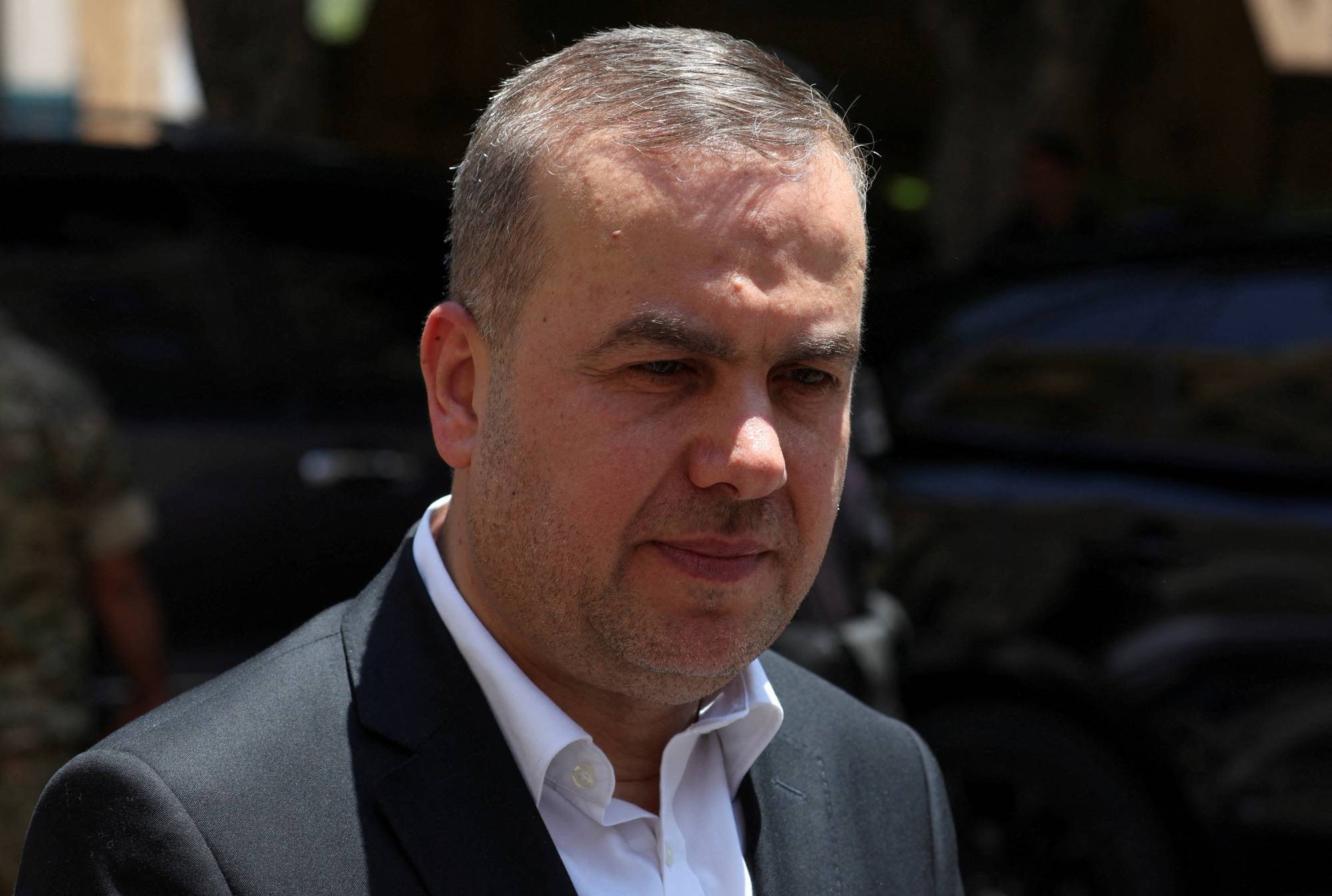
On Monday, Hezbollah lawmaker Hassan Fadlallah insisted that the group’s military decisions were made independently.

“The resistance’s decision is a Lebanese decision taken by its leadership. No one, whether abroad or at home, dictates it,” he said.

Fadlallah maintained that this approach had remained unchanged under former Hezbollah leader Hassan Nasrallah and his successor, Naim Qassem.

He said the group’s position reflected its own assessment of the national interest and its commitment to defending southern Lebanon and liberating occupied territory.

“Iran has never asked us, either in the past or today, to support it against American-Israeli aggression,” he stressed.

Hezbollah MP Hassan Fadlallah. (Reuters)

Tehran’s influence

Ministerial sources told Asharq Al-Awsat that Fadlallah’s reference to the national interest was noteworthy but insufficient to dispel concerns.

They said Lebanon’s president had been indirectly informed that Hezbollah would not join Iran in another war, but warned that the position could change with developments on the battlefield.

They recalled a similar commitment that collapsed within 48 hours during the March conflict.

The sources argued that Hezbollah, which continues to reject government decisions, ultimately “remained subject to the calculations of Iran’s Revolutionary Guard Corps (IRGC), with limited room to act against Tehran’s wishes.”

They also cited “reports of disagreements within the IRGC over a possible war, with some favoring confrontation and others opposing it, adding to uncertainty over the consequences for Lebanon.”

‘Tactical political maneuver’

The destruction, displacement and reconstruction costs of the previous war, particularly in Hezbollah’s support base, could weigh on the group’s calculations.

Another conflict could also deepen domestic divisions over who has the authority to decide on war and peace, amid government efforts to establish exclusive state control over weapons.

But Imad Salamey, a political science professor at the Lebanese American University, described Hezbollah’s position as a “tactical political maneuver.”

He told Asharq Al-Awsat: “Such statements often sought to contain domestic tensions, reassure the Lebanese public and ease pressure on the group without providing genuine guarantees about its military or political conduct.”

Salamey added that “Hezbollah was not bound by rules of engagement imposed by the Lebanese state or subject to an independent national authority overseeing its military decisions.”

“Nor were there legal or international mechanisms to ensure compliance with its commitments,” he noted.

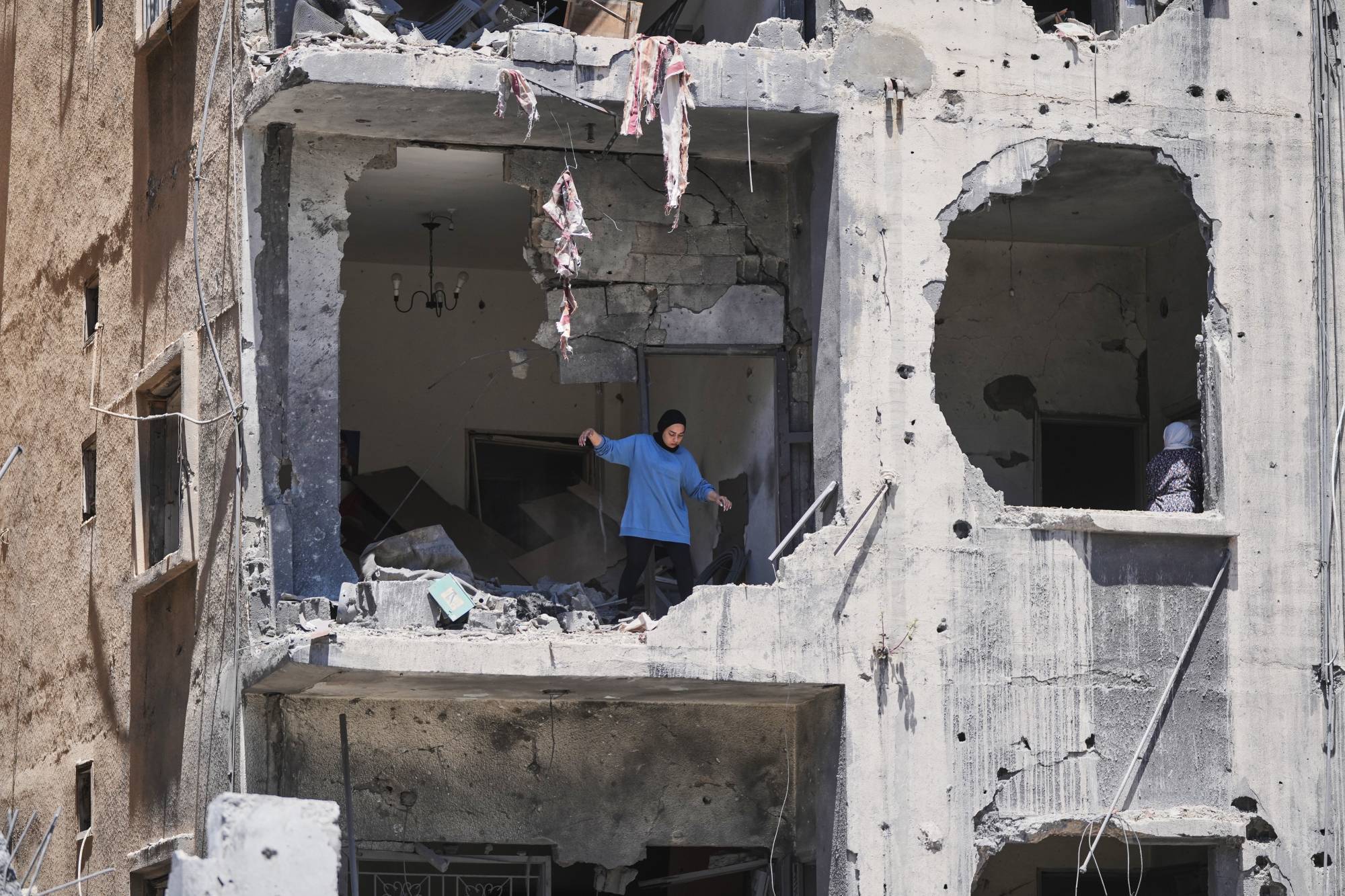
A woman walks through her apartment, which was damaged by Israeli airstrikes in the southern Lebanese city of Tyre on June 17, 2026. (AP)

“The gap between Hezbollah’s promises in 2025 and its military actions in 2026 had reinforced doubts about their credibility,” he remarked.

“While domestic pressures could influence the timing and tone of Hezbollah’s political statements, its strategic decisions remained closely tied to Iran’s regional interests,” Salamey said.

Any decision to stay out of a conflict could therefore be reversed if Tehran’s calculations changed, potentially leaving Lebanon exposed to unilateral military decisions outside state institutions.

Pledge broken

Hezbollah had previously told Parliament Speaker Nabih Berri that it would not intervene in a US war against Iran. Berri subsequently relayed that position to Lebanese officials.

The group nevertheless fired six rockets toward Israel in March 2026.

Reuters reported at the time, citing sources, that Berri felt he had been deceived.

Prime Minister Nawaf Salam also said at the time that the government’s guarantees that Hezbollah would stay out of the conflict “did not last more than 48 hours.”


Sudan Drone Strikes Kill 21, Cause Mass Outages in East

FILE PHOTO: A Sudanese refugee father from Al-Fashir rides on a motorized cart with his family travelling between Chad and Sudan amid the ongoing conflict between the paramilitary Rapid Support Forces (RSF) and the Sudanese army, at the Tine border post in eastern Chad, November 22, 2025. REUTERS/Amr Abdallah Dalsh/File Photo
TT

Sudan Drone Strikes Kill 21, Cause Mass Outages in East

FILE PHOTO: A Sudanese refugee father from Al-Fashir rides on a motorized cart with his family travelling between Chad and Sudan amid the ongoing conflict between the paramilitary Rapid Support Forces (RSF) and the Sudanese army, at the Tine border post in eastern Chad, November 22, 2025. REUTERS/Amr Abdallah Dalsh/File Photo

Sudan's warring sides have traded drone strikes that killed 21 people in the western Darfur region and left vast swathes of the country's east without electricity, medics and witnesses said Tuesday.

A drone strike on a market in Nyala, the de facto capital of Sudan's paramilitary Rapid Support Forces in Darfur, killed 21 people and wounded at least 40 others, a medical source and witnesses told AFP.

One Nyala resident said a market in the city's north was struck by a drone on Monday around 8:00 pm (1800 GMT).

Another said the market was frequented by young men, particularly RSF fighters.

"Twenty-one people were killed in last night's bombing, and more than 40 others injured," a medic at Nyala Hospital said, though he was unable to identify how many were RSF fighters.

Sudan's military, at war with the RSF since April 2023, regularly strikes Nyala, where the RSF has declared an administration rivalling the army-backed internationally recognized government in Khartoum.

The RSF has in turn launched repeated strikes targeting Khartoum's airport, as well as dams and power stations across the country's east.

On Tuesday, "RSF militia drones targeted the Al-Markhiyat transformer station, disrupting the power supply across large parts of Khartoum and Al-Jazira states," a source in the national electricity company told AFP on condition of anonymity.

The strike comes a day after a coordinated RSF drone attack on six power stations left millions without power in Al-Jazira, White Nile, Sennar and Gedaref states.

- Famine risk -

The war is currently being fought primarily via drones, with both sides launching sophisticated attacks from across the country, killing dozens of civilians at a time.

In the first three weeks of October alone, drone strikes killed over 300 people and injured hundreds more, according to a UN tally.

Since it began, the war has killed more than 200,000 people, aid workers estimate, and has triggered the world's largest hunger and displacement crises.

The United Nations has repeatedly warned that attacks on power stations threaten health and services for millions of people.

Close to three million people have returned to Khartoum state since it was recaptured by the army last year, but many have struggled to rebuild their lives in a scarred city.

Power and water supplies remain unreliable, much of the capital remains unsafe from unexploded bombs and many struggle to put food on the table in a collapsed economy.

On Monday, 30 countries including the United States, France and the United Kingdom warned that urgent action was needed to prevent famine expanding across the country.

Sudan is facing "an alarming deterioration" of food security, they said, citing the war, a currency in freefall, higher fuel prices due to the Middle East war and a drought induced by the El Nino climate phenomenon.

Sudan's foreign ministry on Monday insisted the country's food security was "reassuring", in an attempt to "refute claims of famine".

It accused "some countries and organizations" of "politically exploiting the humanitarian situation".

The army has for years denied claims of documented famine and has been accused of blocking access to humanitarian aid.