



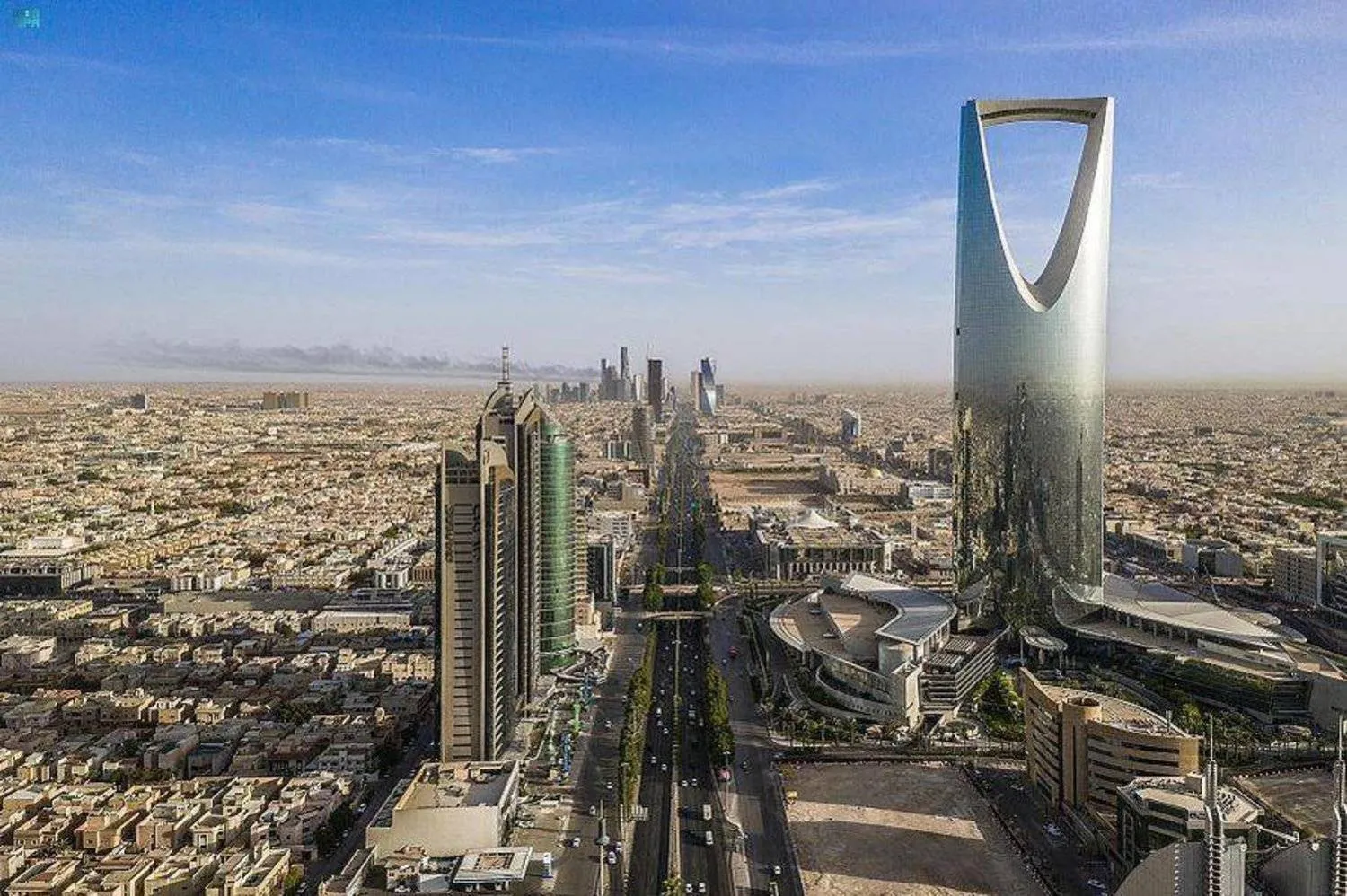

The International Monetary Fund (IMF) issued a report stating that the Saudi economy has been witnessing growth and prosperity and that the Kingdom's fiscal position is strong, expecting the non-oil economy to maintain strong momentum.
The IMF praised the progress Saudi Arabia has made in implementing its Saudi Vision 2030 reform agenda.
In a statement concluding the 2023 Article IV Consultation discussions with the Kingdom, the Fund lauded the acceleration of the Kingdom’s digital transformation, the increase in female participation in the labor market, reforms in the regulatory and business environment, ongoing efforts to invest in human capital, and the continuous growth of non-oil GDP.
The report commended the Kingdom’s continuing efforts to complete economic and financial reforms and achieve Saudi Vision 2030 targets.
"Saudi Arabia was the fastest-growing G20 economy in 2022," with a rate of 8.7 percent, and with non-oil GDP growing at about 4.8 percent.
With the unemployment rate at 8 percent, the report noted that “the Saudi unemployment rate is at a historical low”.
It added that the participation of Saudi women in the labor market has reached record levels at about 37 percent (from 18 percent in 2017), exceeding the target of 30 percent envisioned by Saudi Vision 2030.
The report also welcomed the ongoing national efforts to enhance women's contribution to supporting the national economy.
In addition, the Fund praised the Kingdom's efforts to contain inflation that has cast a shadow over the global economy.
“Average CPI grew by 2.5 percent y-o-y in 2022, in part contained by domestic subsidies/price cap and a strong US dollar. Despite an uptick in early 2023 to 3.4 percent y-o-y, headline inflation is back at 2.8 percent y-o-y in May 2023.”
The IMF emphasized that the continuation of Vision 2030 reforms represents progress in advancing the country’s economic diversification programs to reduce its dependence on oil.
It projected a continuation of the strong momentum of non-oil GDP growth, and that average growth will reach 4.9 percent in 2023, driven by strong consumption spending, increase private investment through projects and programs that enhance the growth of the private sector in addition to the accelerated projects implementation, which will reflect positively on the growth of non-oil GDP, the IMF said.
The report also welcomed the ongoing reform efforts within the framework of the Fiscal Sustainability Program, including improving non-oil revenues, rationalizing spending, and strengthening the public finance framework.
It noted the low and sustainable debt levels and the availability of a strong fiscal space while praising the remarkable progress in public finance transparency through the expanded budget statement and other detailed reports.
IMF stressed that the Kingdom's monetary policy (fixed exchange rate) is appropriate and serves the Kingdom's economy and that the performance of the banking sector remains strong during the current year, thanks to the continuous efforts of the Saudi Central Bank (SAMA) to modernize the regulatory and supervisory frameworks.
This contributed to the achievement of high profitability rates (higher than pre-pandemic levels), in addition to high capital adequacy ratios and low non-performing (NPL) loan ratios.
The report further welcomed the efforts of the Saudi Central Bank to promote the Kingdom as a fintech hub.
Moreover, the report praised the persistent efforts by the Kingdom’s government to enhance governance, fight corruption, and confront the challenges of climate change.
It hailed the plans being implemented to increase renewable energy, the Kingdom's goal to become the largest producer of clean hydrogen in the world, and the tangible role of the Saudi Green Initiative (SGI) in reducing carbon emissions, expecting that these efforts will contribute to reducing emissions to the target level for the year 2030, and indicating that the Kingdom recorded the second-lowest emissions globally per unit produced.
In addition, the report noted the positive transformation in the Saudi housing sector through several programs that contributed to an increase in the percentage of home ownership to 60.6 percent in 2022, in pursuit of the Vision 2030 goal of 70 percent by 2030.
It also stressed the importance of industrial policies in the success of the Kingdom’s efforts toward structural transformation and diversification under Saudi Vision 2030.
Saudi Arabia's digital transformation efforts earned recognition, with high rankings in global digitization metrics. Digital progress has improved financial inclusion, the resilience of the financial sector, and government effectiveness.
Saudi Vision 2030 played a pivotal role in accelerating the pace of digital transformation, according to the IMF.
Commenting on the results of the IMF’s report, the Minister of Finance Mohammed Al-Jadaan welcomed the praise for the reforms witnessed by the Saudi economy and the Kingdom’s continuous efforts to carry out economic and financial reforms.
He noted the Fund’s reference to the Kingdom’s solid fiscal position and the progress it has achieved in the transparency of public finances, in addition to its financial policies and reforms that have supported fiscal policy and mitigated risks.
Jadaan remarked that the report highlighted both current indicators and positive future prospects for the Saudi economy, as well as the continuous progress in implementing the Saudi Vision 2030 agenda and economic transformation.
The IMF stressed the success of the Kingdom’s economy in facing challenges and maintaining financial sustainability that contributed to enhancing its durability and strength while noting the prominent role of economic and structural reforms conducted by the government which achieved sustainable and inclusive economic growth, he said.
A concluding statement was previously issued by the International Monetary Fund's Staff mission following the conclusion of the Article IV Consultations with the Kingdom's government for 2023, and this new IMF report confirms the results of the previous statement.


