Major Contracts, Deals on Day Two of Saudi World Defense Showhttps://english.aawsat.com/business/4836646-major-contracts-deals-day-two-saudi-world-defense-show
Major Contracts, Deals on Day Two of Saudi World Defense Show
At the exhibition in Riyadh, KAI is showcasing advanced air combat systems like the FA-50 and KF-21 fighter jets, along with the Advanced Airborne Vehicle (AAV).
Major Contracts, Deals on Day Two of Saudi World Defense Show
At the exhibition in Riyadh, KAI is showcasing advanced air combat systems like the FA-50 and KF-21 fighter jets, along with the Advanced Airborne Vehicle (AAV).
The second day of the World Defense Show, founded by Saudi Arabia’s General Authority for Military Industries (GAMI), saw a flurry of deals and contracts announced by local, regional, and international defense companies.
These deals included agreements for manufacturing and localizing defense systems, joint manufacturing ventures, and various partnerships in the defense sector.
These agreements align with Riyadh’s efforts to strengthen military industries by localizing defense manufacturing.
At the exhibition, which concludes on Feb.8, the Saudi Ministry of Investment and the GAMI revealed signing 11 partnership agreements with private companies.
Notable partners include Airbus, Lockheed Martin, Leonardo from Italy, IBM from the US for information technology, and Türkiye’s Rocketsan for weapons manufacturing.
These agreements aim to fulfill strategic objectives for Saudi Arabia’s military industries, such as localizing defense manufacturing, enhancing military readiness, boosting industrial participation, and creating promising investment opportunities.
They also support the goals of the Kingdom’s national transformation plan, “Vision 2030,” aiming to localize 50% of military expenditure by 2030 and increase investment contributions to the gross domestic product.
Under the oversight of Saudi Investment Minister Engineer Khalid Al-Falih and GAMI Governor Engineer Ahmed Al-Ohali, a set of agreements were signed.
These agreements cover important areas like boosting technology transfer, setting up local production lines, and training local talent in the defense sector.
GAMI highlighted that the focus of the exhibition is on showcasing the latest advancements across various defense sectors like land, sea, air, space, and security.
These agreements align with GAMI’s strategy to develop investment in the sector by supporting local content and expanding opportunities for skilled national workers.
The aim is to strengthen Saudi Arabia’s defense capabilities and establish the kingdom as a regional and global hub for defense industries.
On his part, Al-Ohali emphasized that these agreements result from ongoing efforts to develop and localize the military industries, enhancing their competitiveness and workforce confidence.
According to the governor, partnerships with the Saudi Investment Ministry and collaborating companies will contribute to strengthening Saudi Arabia’s military industrial capabilities, promoting strategic independence, and optimizing expenditure efficiency.
Moreover, US weapon maker Lockheed Martin has signed agreements for Saudi Arabian companies to manufacture parts of its Terminal High Altitude Area Defense (THAAD) system.
A statement by Lockheed Martin revealed that these sub-contracts will enhance manufacturing capabilities in Saudi Arabia and transfer expertise to strengthen the country’s defense industry.
The main terms of the THAAD defense system procurement contracts stipulate the localization of work in Saudi Arabia, in line with the priorities of Vision 2030 to develop and localize its military industries.
Saudi Arabia is poised to take advantage of these strategies through qualitative international defense partnerships with Lockheed Martin and other major companies, which are manufacturers of innovative equipment that brings mutual benefits to all the parties involved.
Additionally, state-owned Saudi Arabian Military Industries (SAMI) signed a preliminary agreement with Qatar’s Barzan Holdings.
Barzan explained that the initial agreement with SAMI focuses on joint investment and development.
The deal aims to explore shared interests in defense industries, with both sides committed to boosting their collaboration in the future, sources told Asharq Al-Awsat.
Also at the World Defense Show, Airbus restated its commitment to boosting local skills and expertise in Saudi Arabia and the wider region.
Mikail Houari, President of Airbus in Africa and the Middle East, emphasized that their engagement goes beyond just selling products.
They aim to provide guidance, training, and support, contributing to job creation and sustainable economic growth in the area.
The Korean Aerospace Industries (KAI) plans to expand its presence in the Middle East and Africa.
KAI’s CEO stressed the importance of participating in exhibitions like the World Defense Show to boost the company’s business in these regions.
World Bank to Asharq Al-Awsat: Easing of Hormuz Shock to Drive Saudi Growth to 7.9% in 2027https://english.aawsat.com/business/5326495-world-bank-asharq-al-awsat-easing-hormuz-shock-drive-saudi-growth-79-2027
World Bank to Asharq Al-Awsat: Easing of Hormuz Shock to Drive Saudi Growth to 7.9% in 2027
Ships are anchored off the coast of Khasab in Oman's Musandam Governorate, near the Strait of Hormuz, on October 2, 2026. (Photo by AFP)
Saudi Arabia's economy is expected to stage a strong rebound in 2027 as the effects of disruptions to energy and trade flows fade. The World Bank forecasts the Kingdom's GDP to grow by 7.9 percent next year, following a projected 2 percent contraction in 2026.
The crisis linked to the Strait of Hormuz closure has demonstrated that diversifying sources of economic growth is just as important as diversifying energy export routes and logistics infrastructure.
In an interview with Asharq Al-Awsat on the occasion of the release of the World Bank's latest regional economic update, Roberta Gatti, the World Bank's Chief Economist for the Middle East, North Africa, Afghanistan, and Pakistan, said that Saudi Arabia and the United Arab Emirates were able to weather the effects of the Strait of Hormuz closure more effectively than some neighboring energy-exporting countries, thanks to their possession of alternative export routes.
She explained that Saudi Arabia redirected a significant portion of its oil exports through the East-West Pipeline to Red Sea ports, while the UAE's ability to export hydrocarbons through Fujairah helped reduce its dependence on the strait.
According to Gatti, the crisis has reinforced rather than undermined the importance of economic diversification, while simultaneously highlighting another critical dimension of resilience: the diversification of export routes.
In her view, diversifying economic and financial activity across multiple income sources and sectors should be accompanied by diversification of trade routes, export infrastructure, and logistics networks.
This comes as the World Bank forecasts that the economies of the Middle East and North Africa, Afghanistan, and Pakistan region will contract by 2.1 percent in 2026, compared with growth of 3.3 percent in 2025.
At the same time, the economies of the Gulf Cooperation Council (GCC) countries are projected to contract by 4.3 percent, marking one of the most severe shocks to hit the region since the COVID-19 pandemic.
By contrast, the World Bank expects regional growth to rebound strongly to 7.8 percent in 2027, provided that conflict eases and trade and export flows gradually return to normal, driven primarily by the recovery of hydrocarbon production and exports.
Roberta Gatti, the World Bank's Chief Economist for the Middle East, North Africa, Afghanistan, and Pakistan (World Bank)
Saudi Arabia and Resilience
Gatti says the conflict highlighted several strengths that enhanced the Saudi economy's ability to absorb the shock, foremost among them the Kingdom's substantial financial reserves, its ongoing efforts toward economic diversification, and its capacity to redirect a significant share of oil exports through Red Sea ports.
These factors helped preserve a degree of resilience in the face of disruptions to trade and energy flows, compared with what the consequences might have been in the absence of such alternatives.
She explained that Saudi Arabia's ability to diversify its export routes was a key factor in mitigating the impact of disruptions in the Strait of Hormuz, while the economy's trajectory in the coming period underscores the importance of continuing to invest in this resilience.
According to the World Bank's latest forecasts, the Saudi economy is expected to contract by around 2 percent in 2026, before regaining strong momentum and expanding by approximately 7.9 percent in 2027 as trade and energy flows gradually return to normal.
Gatti stressed that the economy would have been affected far more severely had it not been for the availability of alternative export routes, particularly through the East-West Pipeline and Red Sea ports.
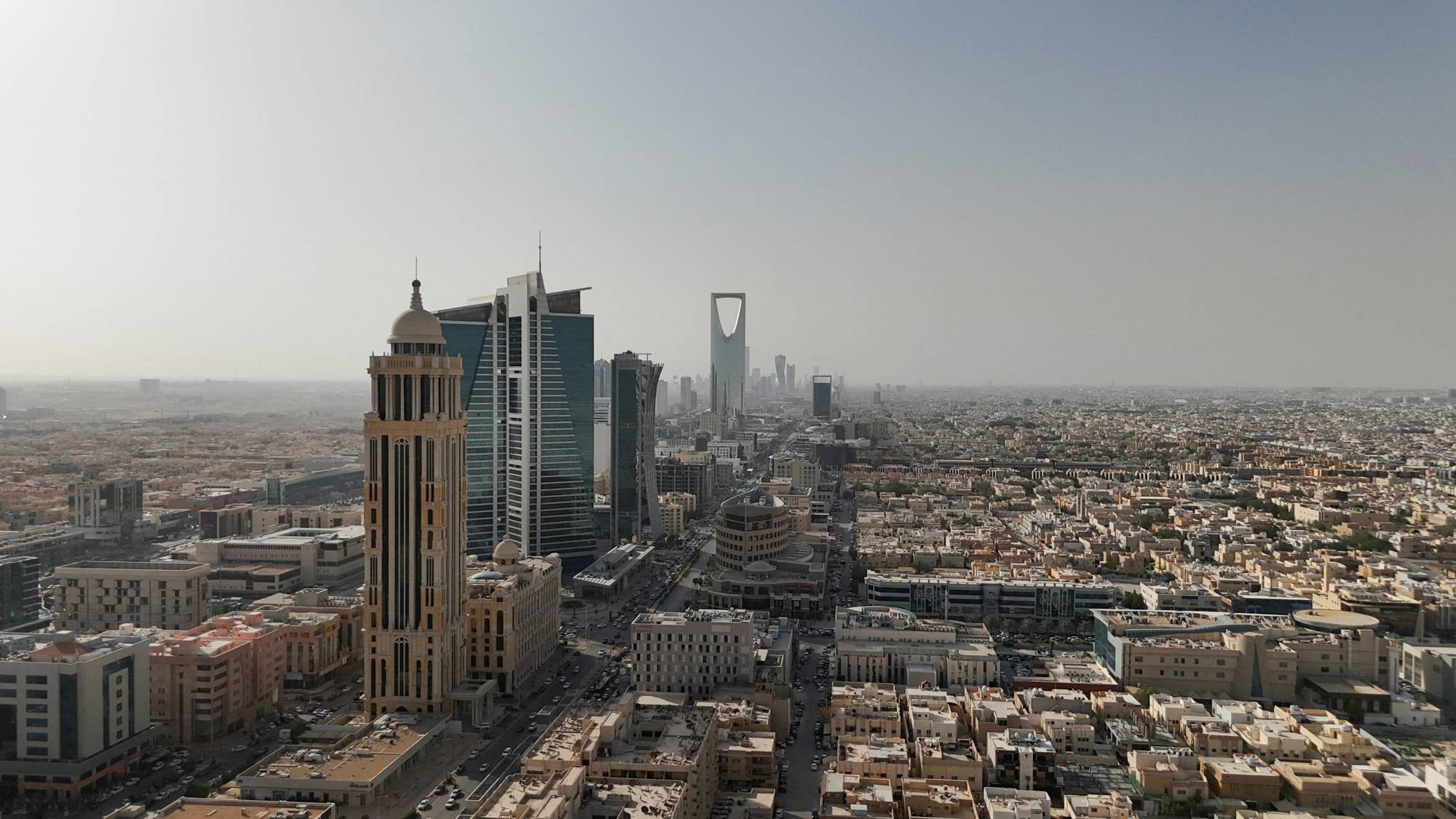
The Saudi capital, Riyadh (Reuters)
Hormuz Shock Hits Gulf Exports
Gatti says the disruption of the Strait of Hormuz had a profound impact on the World Bank's growth projections. Regional output is expected to contract by 2.1 percent in 2026, representing a decline of 5.7 percentage points from the growth forecasts issued before the conflict erupted in January.
This downturn is largely attributable to the severe disruptions suffered by Gulf oil and gas exporters. The World Bank expects all Gulf Cooperation Council (GCC) economies, with the exception of Oman, to contract during 2026.
The crisis led to a drop of more than 50 percent in oil tanker traffic through the Gulf, while regional oil production fell from approximately 26 million barrels per day to 16 million barrels per day in March.
Despite the magnitude of the shock, its global repercussions were more contained than might have been expected from a similar supply disruption. Several factors helped absorb part of the shortfall, including a pre-existing oil surplus in global markets, the rerouting of some shipments outside the strait, increased production in other regions, withdrawals from inventories, and weaker demand in East Asia.
However, the effects varied considerably among Gulf economies. Countries most dependent on the Strait of Hormuz experienced the steepest declines in output, while alternative export routes in Saudi Arabia and the United Arab Emirates helped mitigate the impact of the disruption.
The World Bank projects that Qatar's economy will contract by 20.9 percent in 2026, Kuwait's by 14.6 percent, Iraq's by 12.4 percent, and Bahrain's by 2.9 percent. At the same time, disruptions affecting tourism, aviation, and logistics services have imposed additional burdens on economic activity.
Strong Rebound in 2027
Gatti believes that the primary channel through which the shock was transmitted to Gulf economies was the decline in export volumes, compounded by damage to infrastructure. If trade routes return to normal and energy exports resume, a large share of the lost output could be recovered relatively quickly, explaining the World Bank's forecast of a strong rebound in 2027. For Saudi Arabia, the Bank expects economic growth to reach 7.9 percent next year.
However, Gatti stresses the need to distinguish between a rebound and a recovery. After a sharp decline in output, rapid growth often reflects the restoration of production from depressed levels rather than a corresponding improvement in underlying economic fundamentals or productivity.
Under the World Bank's baseline scenario, the conflict is assumed to continue until the end of 2026, followed by de-escalation and a gradual normalization of trade flows. Accordingly, regional growth, excluding Iran, is expected to rise to 7.8 percent in 2027 as export flows recover.
Nevertheless, repairing damaged infrastructure could take time, investments may remain on hold amid uncertainty, and fiscal reserves could be weaker than they were before the crisis.
Gatti warns that higher shipping costs, weaker investor confidence, lower tourism revenues, subdued global demand, and tighter financing conditions could prolong the economic impact of the conflict long after the immediate disruptions have ended.
She further notes that prolonged periods of uncertainty may delay investment decisions, weaken business confidence, and slow the accumulation of both physical and human capital, increasing the risk that a temporary shock could evolve into a prolonged slowdown in economic growth.
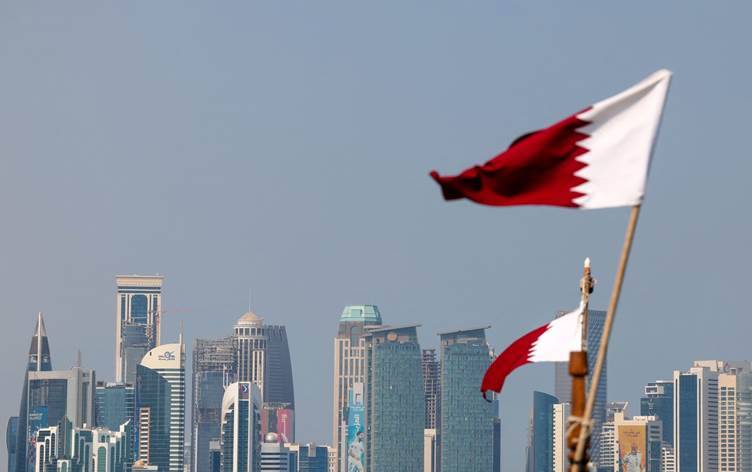
This photo shows a view of Doha, Qatar. (AFP)
The Gulf Retains a Cost Advantage
Despite the severity of the shock, Gatti believes that GCC economies still enjoy an important structural advantage, as they remain among the world's lowest-cost and most competitive producers of oil and gas.
As trade flows return to normal, these economies will, in her view, be well positioned to remain key suppliers to global markets. However, the policy challenge extends beyond restoring economic activity in the short term. It also involves continuing economic diversification, strengthening resilience, and protecting both human and productive capital during the crisis.
Gatti argues that such investments are essential to ensure that a temporary disruption does not become a permanent loss of growth potential.
Artificial Intelligence: The New Frontier of Productivity Diversification
Alongside the energy crisis, Gatti sees artificial intelligence (AI) as a potential new source of growth and productivity for the region. However, realizing its full potential will require addressing three major gaps: localization, adoption, and foundational capital, in addition to strengthening private-sector dynamism.
She explains that weak investment, limited training and innovation, as well as state dominance in some economies, corruption, and political instability, constrain companies' ability to adopt new technologies and translate them into broad productivity gains.
Gaps in the AI Ecosystem
The localization gap highlights the importance of local data and language capabilities. Although Arabic is spoken by more than 500 million people, it accounts for less than 1 percent of global website content, while local dialects remain a weakness in Arabic-language AI models.
The adoption and foundational-capital gaps are reflected in limited productive use of AI, shortages in digital skills, and disparities in infrastructure. The region scores below the OECD average in creative-thinking assessments, while mobile broadband subscription rates in eight economies, including Egypt, Iraq, and Pakistan, remain below levels expected for their income levels.
Saudi Arabia's Growing Regional Role
According to Gatti, Saudi Arabia stands out as one of the region's most advanced AI ecosystems. The Kingdom rose from 33rd place out of 36 economies in 2017 to 19th place in 2024 on Stanford University's Global AI Vibrancy Index.
She believes the real test lies in translating substantial investments in data centers and digital infrastructure into widespread adoption by businesses, workers, and public institutions, thereby boosting productivity and accelerating non-oil sector growth.
Saudi Arabia could play a leading role in building a regional AI ecosystem through its computing capacity, data centers, and AI model development capabilities, while developing economies across the region could contribute talent, sector-specific expertise, and local data.
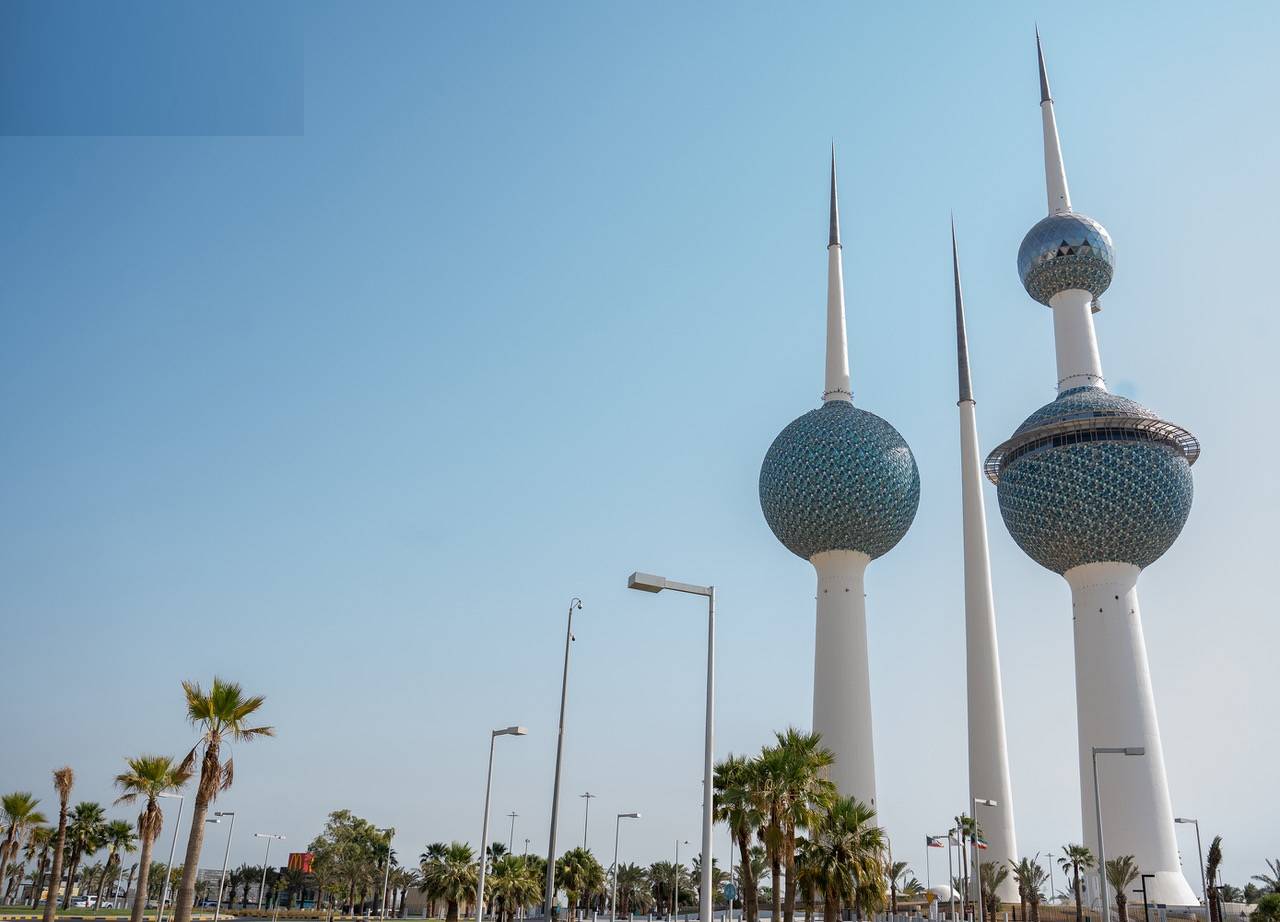
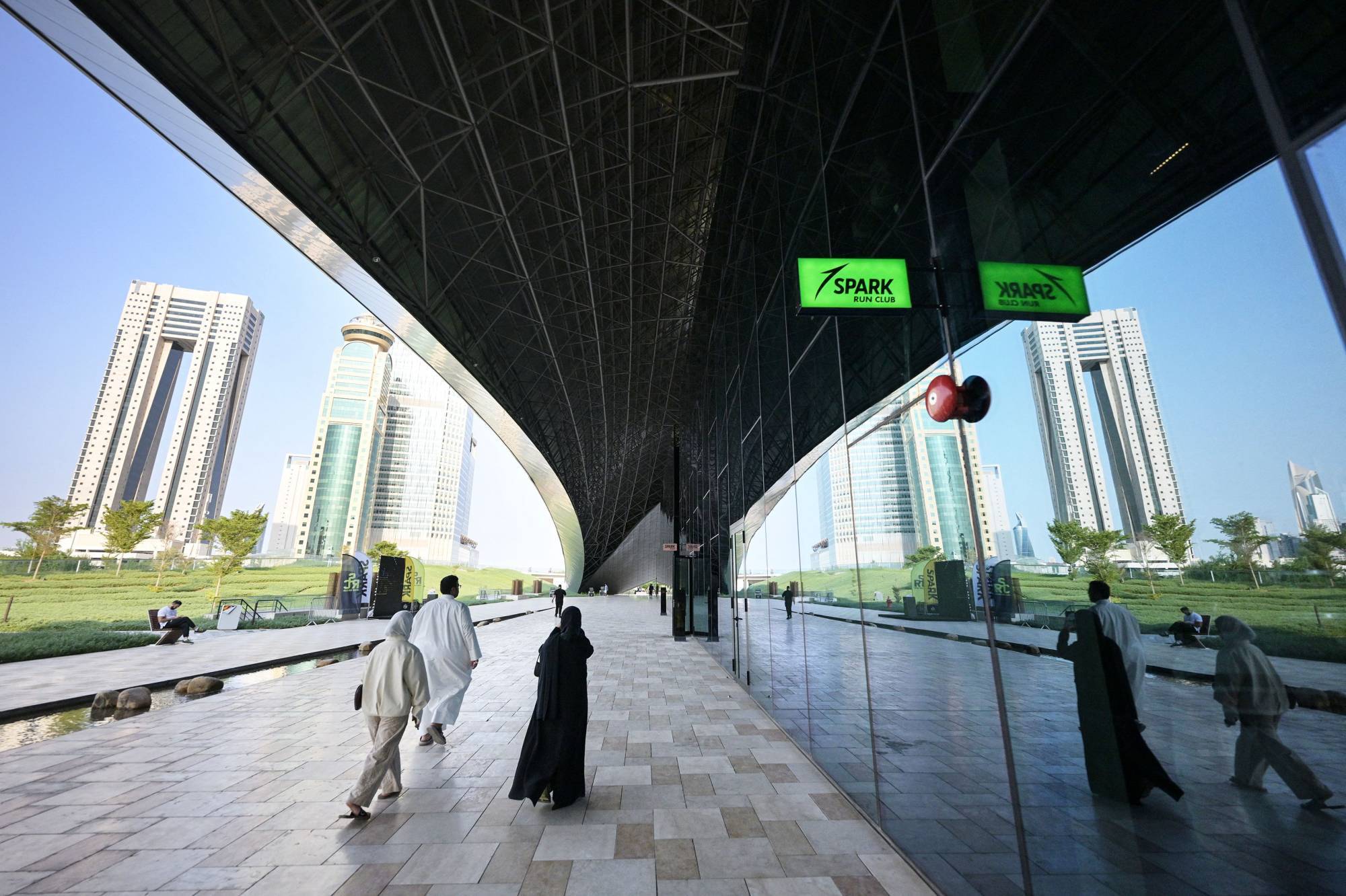
Kuwait Towers (KUNA)
Regional Cooperation: An Opportunity to Strengthen Resilience
Gatti believes that the greatest risk to the outlook for 2027 lies in the continued disruption of trade and energy flows, which could weigh on investment, logistics, tourism, and business confidence, thereby delaying the recovery.
At the same time, however, the crisis presents an opportunity to accelerate regional cooperation, particularly in the field of artificial intelligence. Gulf countries possess advanced infrastructure and computing capabilities, while other economies in the region offer talent, data, and innovation. This complementarity could create new sources of growth, boost productivity, and enhance economic resilience beyond the oil cycle.
For Saudi Arabia, Gatti argues that the Hormuz experience underscored the importance of combining economic diversification with the diversification of trade and export routes. With the Saudi economy projected to grow by 7.9 percent in 2027, the opportunity lies in transforming the post-shock rebound in output into more sustainable growth driven by productivity, investment, and non-oil sectors, while continuing to strengthen trade and export infrastructure capable of withstanding future disruptions.
World Bank Projects Regional Growth to Reach 7.8% in 2027https://english.aawsat.com/business/5326486-world-bank-projects-regional-growth-reach-78-2027
(FILES) An aerial view shows ships anchored off the coast of Khasab in Oman's Musandam Governorate, near the Strait of Hormuz, on October 2, 2026. (Photo by AFP)
World Bank Projects Regional Growth to Reach 7.8% in 2027
(FILES) An aerial view shows ships anchored off the coast of Khasab in Oman's Musandam Governorate, near the Strait of Hormuz, on October 2, 2026. (Photo by AFP)
The World Bank said Tuesday that if the Middle East conflict subsides by the end of this year, regional growth excluding Iran is projected to rebound to 7.8% in 2027.
In a report titled “From Divide to Opportunity: AI, Jobs, and Growth,” the Bank said that regional output is projected to contract by 2.1% on average in 2026, after expanding 3.3% in 2025.
The report on the economic update on Middle East, North Africa, Afghanistan & Pakistan reveals a sharp deterioration compared with its April forecasts. At that time, the Bank projected that the region's economies, excluding Iran, would grow by 1.8 percent in 2026, while it expected the economies of the Gulf Cooperation Council (GCC) countries to expand by 1.3 percent.
But growth expectations for the region have been revised downward by approximately 3.9 percentage points compared with the April forecast. Meanwhile, the outlook for GCC economies has shifted from 1.3 percent growth to a 4.3 percent contraction, representing a deterioration of 5.6 percentage points.
Hormuz Upends Gulf Calculations
This shift reflects the widening scope of the shock since April, as the repercussions of the closure of the Strait of Hormuz and the disruption of energy exports continue to unfold, with the effects spreading to trade, tourism, logistics services, and financial markets.
The World Bank expects the economies of GCC countries to contract by an average of 4.3 percent in 2026, compared with growth of 4.4 percent in 2025.
This marks a notable departure from traditional energy crises, in which rising oil prices typically boost the revenues of energy-exporting countries. In the current crisis, however, the disruption of oil shipments through the Strait of Hormuz has constrained producers' ability to export crude oil, making higher prices insufficient to offset the impact of reduced export volumes.
In contrast, oil-importing economies have shown greater resilience, with the World Bank forecasting their growth rate to rise to 4.3 percent in 2026, compared with 3.9 percent in 2025.
The repercussions of the conflict are not confined to the energy sector. They have also spread to tourism, aviation, and logistics services, while disruptions in shipping have increased import costs and placed additional strain on supply chains, particularly affecting food prices.
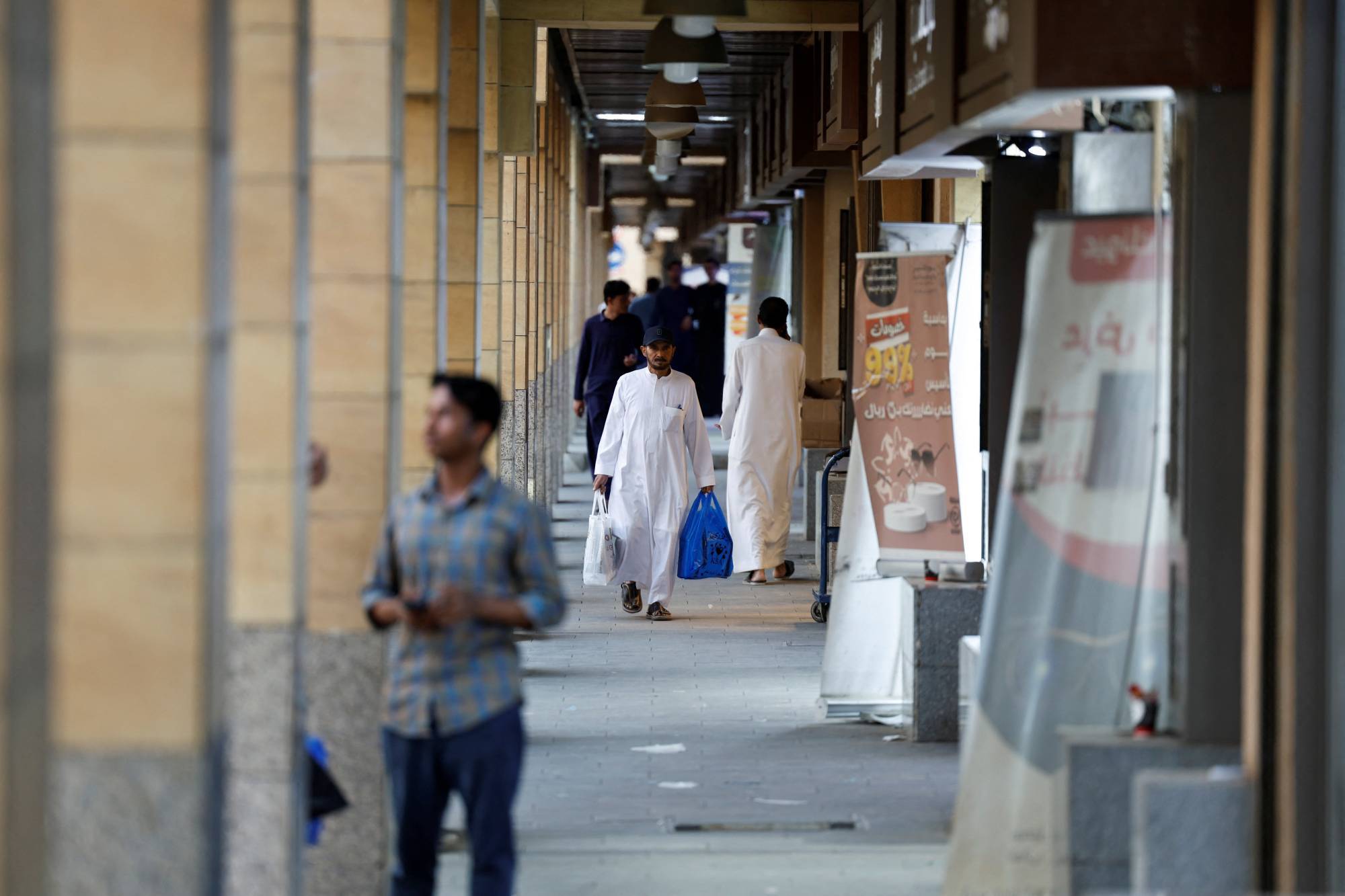
A man walks with shopping bags in a local souq down town Riyadh, Saudi Arabia, May 31, 2025. REUTERS/Hamad I Mohammed
Saudi Arabia Maintains its Recovery Path
As for Saudi Arabia, the World Bank expects real GDP per capita, which is projected to stand slightly above its 2019 level in 2025, to fall below that benchmark in 2026 before the economy benefits from a recovery in hydrocarbon production and exports as the shock recedes.
On the fiscal front, the World Bank estimates that the Kingdom's budget deficit will reach 6.6 percent of GDP in 2026, before narrowing to 3.7 percent in 2027.
The Bank also expects an improvement in the current account balance, with the deficit declining from 1.4 percent of GDP in 2026 to 0.9 percent in 2027.
These projections suggest that the most significant impact of the conflict will be concentrated in 2026, while financial and external indicators are expected to improve in the following year as hydrocarbon production and exports recover.
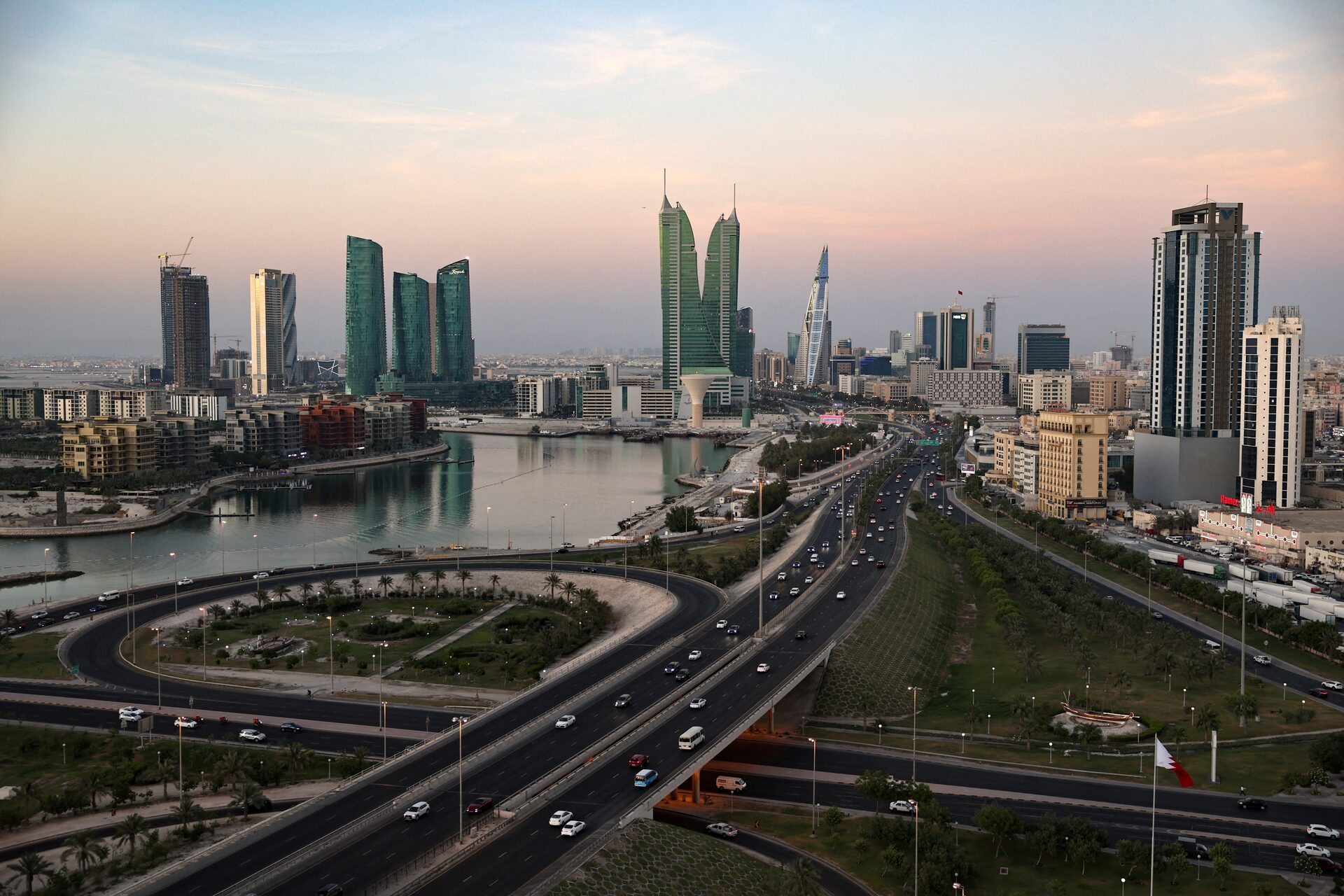
A general view of the skyline in downtown Manama, Bahrain, June 22, 2025. REUTERS/Hamad I Mohammed
Poverty Rising Across the Region
In fragile and conflict-affected economies, the latest shock is compounding pre-existing vulnerabilities. The World Bank notes that poverty in the Middle East and North Africa, Afghanistan, and Pakistan is becoming increasingly concentrated in fragile and conflict-affected settings.
The region accounts for roughly 14 percent of the world's population living in extreme poverty, making it second only to Sub-Saharan Africa. It is also the only region in the world where poverty levels remain above their pre-pandemic levels.
In 2024, some 14.3 percent of the region's population lived on less than $3 a day, compared with 10.4 percent globally. Meanwhile, 26.9 percent lived on less than $4.20 a day, compared with 18.9 percent worldwide.
The World Bank expects these negative trends to persist through 2026, with poverty becoming increasingly concentrated in conflict-affected and fragile economies, where displacement, weak labor markets, and the erosion of assets and basic services make recovery more difficult.
Strong Recovery Possible if Conflict Eases
The World Bank believes the region is capable of achieving a strong recovery if the intensity of the conflict declines by the end of 2026. Excluding Iran, the report projects regional growth to reach 7.8 percent in 2027, driven primarily by a rebound in hydrocarbon production and exports.
However, the recovery will not be automatic. The effects of damaged infrastructure, postponed investments, and the depletion of fiscal buffers could continue to weigh on growth long after the immediate shock has subsided.
Ousmane Dione, the World Bank's Vice President for the Middle East and North Africa, Afghanistan, and Pakistan, said: “Protecting vulnerable households, restoring productive capacity, and investing in more resilient energy and transport infrastructure will be critical to ensuring that a temporary shock does not leave lasting losses in human capital, growth prospects, and living standards.”
“Countries that are able to build up resilience and capacity now will be well positioned to take advantage of the opportunities of the future, particularly in artificial intelligence,” he added.
Kuwaitis at Shaheed park in Kuwait city. AFP
Artificial Intelligence: An Opportunity for Growth
Alongside the repercussions of the conflict, the report highlights a long-term transformation that could reshape the region's economies: the rise of artificial intelligence (AI).
According to Roberta Gatti, the World Bank's Chief Economist for the Middle East and North Africa, Afghanistan, and Pakistan, AI could enhance the productivity of 13 to 20 percent of jobs across the region, while fewer than 10 percent of jobs face a near-term risk of automation.
The report suggests that AI's primary impact in the region is likely to come through higher productivity rather than job losses, with workers and businesses that are able to adopt these tools effectively standing to benefit the most.
However, realizing these gains will require addressing a number of structural obstacles that continue to limit the spread of technology. These include the underrepresentation of the region's languages and data in global AI systems, low levels of AI adoption, gaps in human capital and infrastructure, and the limited dynamism of the private sector.
Regional Cooperation
The report notes that regional cooperation could be one of the most important avenues for maximizing the benefits of AI, particularly given the varying levels of technological capacity across countries in the region.
Leading countries such as Saudi Arabia and the United Arab Emirates could share their expertise in AI model development and governance with other regional economies, while middle-income countries could contribute local talent and data resources.
More fragile economies, meanwhile, could benefit from what the report describes as "small AI" solutions: low-cost technologies designed for specific purposes that can operate on basic mobile devices. These tools could help improve essential public services and support local businesses.
The report concludes that the region's ability to overcome the current shock will depend not only on the recovery of oil production and exports, but also on addressing structural weaknesses and investing in infrastructure and human capital. Such efforts would enable artificial intelligence to become an additional driver of productivity, economic growth, and long-term development.
AI Borrowing Binge Rattles US Marketshttps://english.aawsat.com/business/5326454-ai-borrowing-binge-rattles-us-markets
Tech giants are raising debt to finance the construction of data centers that power AI. Brandon Bell / GETTY IMAGES NORTH AMERICA/AFP
The world's richest companies can no longer rely on their massive cash piles alone to stay in the artificial intelligence race and have suddenly started borrowing massively in a shift that is sending repercussions across the world.
Rising US interest rates, including on the Treasury bonds that anchor the global economy, are sending tremors through the financial world, and some analysts point to the AI borrowing bonanza as one of the culprits, said AFP.
From next to nothing in 2024, tech sector borrowing has reached around $500 billion in the nine months since January, as Google, Meta, Amazon, Microsoft and others raise debt hand over fist to finance the chips, servers and data centers that power AI.
Goldman Sachs expects a further ramp-up in 2027, to $1.2 trillion.
"This is not something that we've seen before," said Chris Della Fave, senior vice president at fundraising advisory firm Post Oak Group, who estimates that AI now accounts for 25 percent of all corporate bond issuance, up from 4 percent two years ago.
In inflation-adjusted terms, the AI sector is expected to borrow more this year than US cable operators did to build out the entire internet, or than railroad companies did during the 19th-century US rail boom.
So far, investors have eagerly snapped up the chance to lend to the tech giants, but they have demanded returns that would have been unthinkable for such blue-chip companies not long ago.
Even Meta has had to offer more than 7 percent a year, while riskier cloud data center specialists have gone above 9 percent.
The impact reaches well beyond the companies building AI -- their debt is even starting to crowd out demand for the US government bonds that anchor the financial system.
An investor who might otherwise buy a US Treasury bond "might decide to buy Microsoft" instead, said Mark Malek, chief investment officer at Siebert Financial, referring to the tech giant's bonds.
That shift pushes up the rates Washington pays to borrow, he explained.
This adds to the other force driving up US borrowing costs: inflation, fueled by the war against Iran and high energy prices.
The interest rate on 10-year US government bonds -- Wall Street's benchmark and widely seen as the most important number in global finance, setting the tone for everything from mortgages to car loans -- is now above 5.30 percent, its highest level since 2002.
- 'Sharper correction' -
Adding to the volatility, hedge funds had piled into US government bonds like never before, holding 7 percent of all those in circulation at the end of 2025, though that share has since fallen.
Hedge funds, which place big bets on markets, move their money far faster than more cautious investors such as insurers and pension funds.
Even if the war and the oil situation stabilized, Della Fave said, "I wouldn't expect the yields to dramatically reduce, to be honest, because of this influence of the AI debt situation."
Beyond the rising cost of borrowing, some are questioning the risks of betting on an AI boom that could hit a wall, as the dot-com bubble did in 2000.
Even a moderate slowdown in the frenzied pace of construction, delays on certain projects or weaker-than-expected revenue growth could trigger a shock in financial markets, Malek warned.
In late September, the Bank of England's Financial Policy Committee warned that "the risk of a sharper correction persists," particularly if concerns about the pace of AI development or adoption hit earnings expectations.
In July, amid some second-guessing about the AI boom, the tech-heavy Nasdaq index fell nearly 7 percent.
Against this backdrop, cloud specialist Oracle is sometimes seen as a bellwether.
With massive debt ($125 billion), cash reserves that shrink every quarter and a possible delay on a huge data center project in New Mexico, several warning lights are flashing for Larry Ellison's group.
"Let's say Oracle has a problem... They can't pay for something," Malek said. Trouble with its debt "could trigger contagion" across AI finance as a whole, he added.
لم تشترك بعد
انشئ حساباً خاصاً بك لتحصل على أخبار مخصصة لك ولتتمتع بخاصية حفظ المقالات وتتلقى نشراتنا البريدية المتنوعة