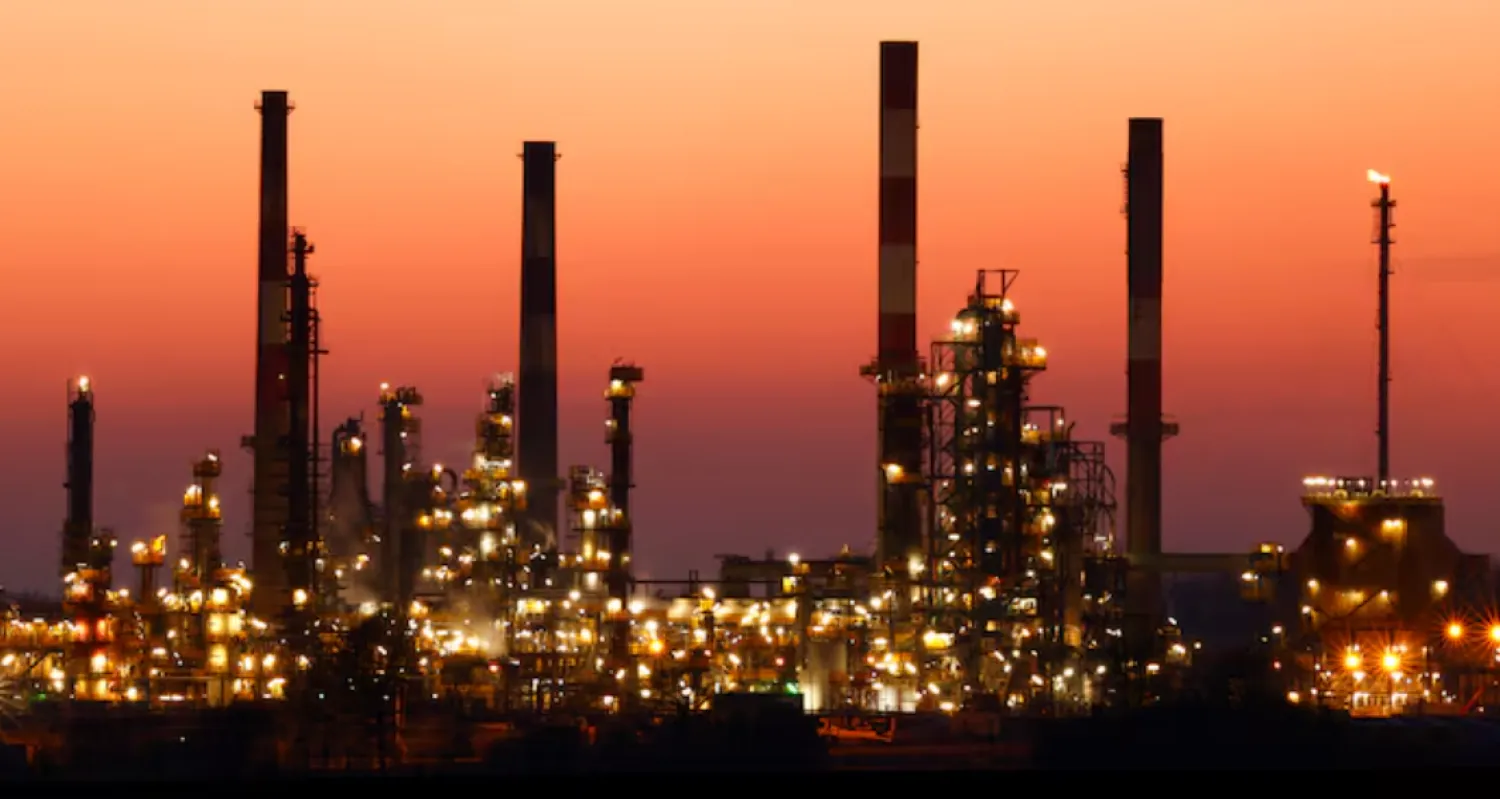
South Africa’s Minister of Electricity, Kgosientsho Ramokgopa, said that Saudi Aramco is likely to pump $10 billion to invest in his country’s petrochemical sector, amid expectations that ACWA Power will announce more investments in the renewable energy sector.
Speaking on the sidelines of his participation in the World Economic Forum in Riyadh, Ramokgopa revealed that Saudi Arabia is the largest Gulf investor in the renewable energy sector in his country.
On Saudi-South African relations, he told Asharq Al-Awsat in an interview that “relations between the two countries improved from the time South Africa gained its freedom in 1994. This year this relationship coincides with a very important milestone in South Africa’s history as South Africa simultaneously celebrates 30 years of democracy it also celebrates 30 years of good bilateral relations between South Africa and the Kingdom of Saudi Arabia.
“Following this in 1995 our first democratically elected President Nelson Mandela visited the Kingdom and his legacy since then has ensured that all subsequent Heads of State from my country have visited. Our current president Cyril Ramaphosa visited twice, the first time in 2018 and more recently in October 2022, when he met with His Royal Highness the Crown Prince and Prime Minister, Mohammed bin Salman.
“Since then, there have been more than ten high-level visits between our two countries”, he said.
He added that investments from Saudi Arabia “shows significant progress with huge investments in SAs renewable energy sector. Saudi Arabia is SAs largest investor from the GCC region. Following President Ramaphosa’s State Visit in 2022, ACWA Power is expected to announce further investments in the renewable energy sector. A further US$10bn in investment is expected in the petrochemical sector, through Saudi Aramco. The recent investment was by Maaden investing in South Africa’s Chemicals sector in a Sales, Marketing & Support project.
“In March 2023, Saudia announced a resumption of direct flights to South Africa and earlier this month, the Saudi government announced that “It was agreed to include the Republic of South Africa [will be] among the group (A) countries where its nationals can obtain a tourist visa online (e-visa) or upon arrival.” As soon as this is implemented we will be the first African country to receive this privilege; whilst at the same time Saudi nationals do not require visas to visit South Africa for a ninety-day stay.”
“One of the key announcements made during the State Visit by President Ramaphosa in October 2022, was that Saudi Arabia will embark on importing red meat from South Africa. Robust engagements between the relevant authorities from the two countries have resulted in the uplifting of a 19-year-old ban and since February 2024, South African red meat and red meat products have been available on the shelves of major grocery stores throughout the Kingdom”, the Minister noted.
“In October 2023 Saudi Arabia announced the introduction of Saudi e-visas for citizens of 49 countries including South Africa, with a quick and easy-to-use online portal, and affordable fees. Making South Africa the first African country to receive the e-visa for Saudi Arabia”.
“All of this is a clear indication of our strong growing relations. We look forward to ensuring that the work and effort that we as leaders of our countries continue to be reflected in the efforts being done by our support teams both economically and politically”, the Minister underscored.
On his participation in Davos in Riyadh, Ramokgopa stated that “participating in this WEF roundtable presents a significant opportunity to engage in critical dialogues on global economic and developmental challenges. It serves as a platform for exchanging ideas, forging partnerships, and advancing collective efforts towards sustainable development and prosperity”.
He added: “At the forefront of my participation are several pressing topics that concern not only South Africa but the entire global community. Firstly, ensuring access to reliable and affordable electricity remains a paramount concern. Electricity is the lifeblood of modern economies, essential for driving industrialization, powering innovation, and improving the quality of life for millions. Addressing energy poverty and enhancing energy access are imperative for fostering inclusive growth and development.
“Secondly, the transition towards renewable energy and the mitigation of climate change are central to our discussions. The world is facing unprecedented environmental challenges, and the urgency to decarbonize our energy systems cannot be overstated. Embracing clean and sustainable energy sources is not only an environmental imperative but also presents significant economic opportunities, particularly for regions abundant in renewable resources like South Africa.
“Moreover, the importance of fostering innovation and leveraging technology in the energy sector cannot be overlooked. Embracing digitalization, smart grids, and energy storage solutions are pivotal for enhancing the efficiency, reliability, and resilience of our energy infrastructure”.
He continued: “This year’s Riyadh gathering holds immense importance for the region and the world at large. It provides a platform for African nations to articulate their priorities, showcase their potential, and attract investments that can drive sustainable development and economic growth. By engaging in constructive dialogues and forging partnerships, we can collectively address shared challenges, unlock opportunities, and pave the way for a more prosperous and sustainable future for all”.
On the prospects of cooperation with Saudi Arabia in the field of energy, clean energy and electric energy, the Minister stated that investment from Saudi Arabia shows significant progress with huge investments in SAs renewable energy sector. Saudi Arabia is SAs largest investor from the GCC region. According to FDI markets, Saudi investment into South Africa is estimated at $1.62 bn with 563 jobs created. The recent investment was in 2022 by Maaden investing in South Africa’s Chemicals sector in a Sales, Marketing & Support project. Maaden, a mining company and a subsidiary of Saudi Arabia-based Public Investment Fund, has opened a new regional office in South Africa. Saudi investment into SA is focused in sectors such as oil and gas, renewable energy, business and financial services, real estate, software and IT services and transportation. In this regard South Africa’s position is to attract investment from Saudi Arabia in the following areas:
- Investment in the Special Economic Zones and Industrial Development Zones: Oil and gas, which involve oil storage and building of an oil refinery with opportunities in Saldanha Bay and Richards Bay Special Economic Zones (SEZs).
- Green economy: Power generation in terms of independent power generation, energy infrastructure and alternative energy.
- Renewable energy: Solar PV and Concentrated Solar Power - manufacturing/assembly.
About South Africa’s plan to secure energy and electricity, Ramokgopa said: “In addressing South Africa's energy security needs, the government has laid out a comprehensive plan guided by key policy documents such as the 2023 draft Integrated Resource Plan (IRP) and the 2022 Energy Action Plan. These documents serve as the cornerstone of our strategy to ensure a reliable, sustainable, and inclusive energy future for the nation”.
The South African Minister added: “Our plan focuses on several key pillars:
Diversification of Energy Sources: The IRP emphasizes the importance of diversifying our energy mix to reduce dependency on any single energy source. This includes increasing the share of renewable energy sources such as solar, wind, and hydroelectric power while also maintaining a balanced mix that includes coal, natural gas, nuclear, and energy storage technologies.
Promotion of Renewable Energy: The government is committed to significantly increasing the contribution of renewable energy to our energy supply. Through the Renewable Energy Independent Power Producer Procurement Program (REIPPPP) and other initiatives, we aim to expand our renewable energy capacity, harnessing South Africa's abundant solar and wind resources.
Investment in Infrastructure: Ensuring reliable and efficient energy infrastructure is crucial for energy security. The Energy Action Plan outlines measures to invest in and upgrade our electricity transmission and distribution networks, enhancing their capacity and resilience to meet growing demand.
Whilst our efforts have focused on the supply and demand side of the energy value chain, we have now forged ahead to play a more aggressive role in mapping and planning for investment in the maintenance, modernization, and expansion of the national grid in Transmission infrastructure. This work includes the institutional and funding requirements in this regard. It is expected that 53GW will require a connection to the grid by 2032, which in turn requires over 14,000km of new transmission lines, amounting to planned investments of around $20b (USD) over the next ten years.
Energy Efficiency and Conservation: The government recognizes the importance of energy efficiency and conservation in optimizing energy use and reducing demand. The Energy Action Plan includes initiatives to promote energy-efficient technologies, practices, and behavior among consumers and businesses.
The economic contribution of the energy sector is significant and multifaceted. Energy is a vital enabler of economic activity, contributing to sectors such as manufacturing, mining, agriculture, and services. In terms of growth rate, our National Treasury's medium-term outlook has improved slightly, with an average growth of 1.6% forecast, compared with 1.4% in the 2023 Medium Term Budget Policy Statement (MTBPS)”.