Motor Insurance Revenues in Saudi Arabia Grow by 38% in 2023

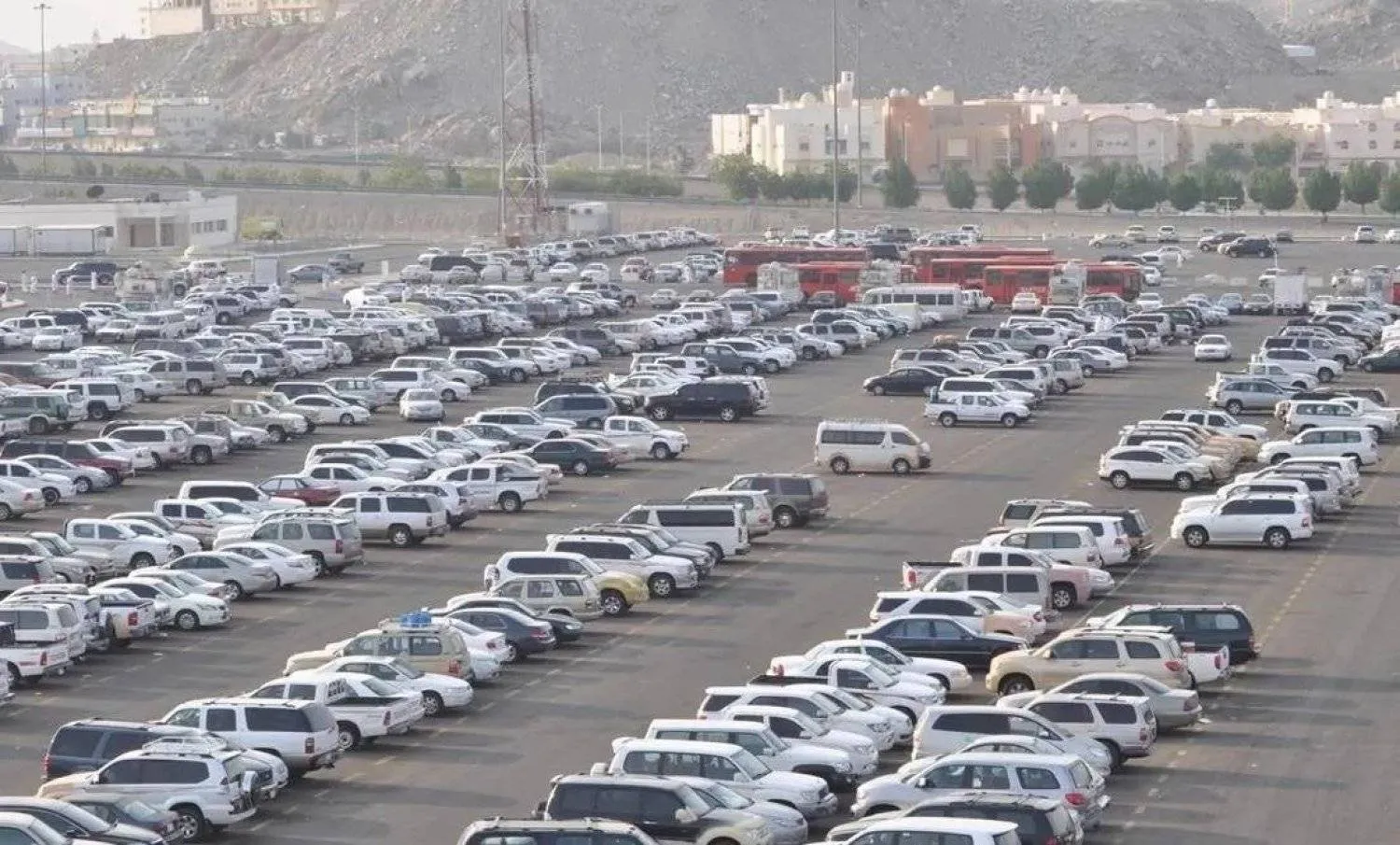
A car parking in Makkah. (SPA)
TT

Motor Insurance Revenues in Saudi Arabia Grow by 38% in 2023

A car parking in Makkah. (SPA)

In 2023, the vehicle insurance sector in Saudi Arabia generated approximately SAR 12 billion ($3.19 billion), accounting for 21 percent of the total insurance market revenue. This marks a significant 38 percent increase compared to 2022, according to an official at Standard & Poor’s International Credit Rating Agency.

In an interview with Asharq Al-Awsat, Mario Shukr, a credit analyst at Standard & Poor’s, attributed this growth to several factors. Key among them were price adjustments for previously unprofitable business lines and a government-led campaign to reduce the number of uninsured vehicles in the Kingdom, which resulted in a surge in insurance premium income.

Additionally, Shukr pointed to an increased demand for vehicle insurance, including from leasing companies.

Shukr added that overall insurance market revenues are likely to grow by about 15 to 20 percent in 2024, with the vehicle insurance sector potentially exceeding this growth due to ongoing efforts to reduce the number of uninsured vehicles.

He noted that after two years of significant operating losses in 2021 and 2022, the vehicle insurance sector rebounded strongly in 2023 and is likely to continue performing well in 2024, thanks to appropriate pricing and robust growth.

However, he cautioned that one of the main challenges ahead is the possibility of increased competition in Saudi Arabia, which could drive vehicle insurance prices down again, potentially impacting operational performance in 2025.

Moreover, with rising costs at the regional and international levels, managing expenses could pose a challenge for insurers, he remarked.

In August 2023, the Saudi cabinet approved the establishment of the Insurance Authority, which aims to regulate the sector in the Kingdom in a way that supports and enhances its effectiveness and growth. The Authority also works to protect the rights of the insured and beneficiaries, contribute to financial stability, and establish the principles of the insurance contractual relationship.


Russia Extends Ban on Gasoline Exports Until February

Gasoline tank trucks are seen outside the Rosneft Achinsk oil refinery plant, one of the biggest Siberian fuel suppliers, near the town of Achinsk, some 188 km (117 miles) west of Krasnoyarsk, April 28, 2011. REUTERS/Ilya Naymushin
TT

Russia Extends Ban on Gasoline Exports Until February

Gasoline tank trucks are seen outside the Rosneft Achinsk oil refinery plant, one of the biggest Siberian fuel suppliers, near the town of Achinsk, some 188 km (117 miles) west of Krasnoyarsk, April 28, 2011. REUTERS/Ilya Naymushin

Russia has extended the temporary ban on gasoline and fuel exports, including producers and intermediaries, until the end of next February, the Russian news agency Interfax said, citing a government website.

“The new decree extended the temporary ban on the export of gasoline outside the country until February 28, 2026, inclusive. It will be valid for all exporters, including direct producers,” the website wrote.

The decree also extends the ban on the export of marine fuel, vacuum gas oil and other types of gas oils, including volumes purchased at exchange auctions, until 28 February 2026. In this case, the restriction will not apply to direct producers of petroleum products.

Russia introduced the measures at the end of August due to the exacerbation of the fuel crisis.

Several major refineries were attacked by drones in August and September, including Surgutneftegaz's Kirishinefteorgsintez refinery, Lukoil's Volgograd refinery and Rosneft's Samara group of refineries.

Prices for gasoline, which are tightly monitored by authorities, were up 10.2%, above general inflation, since the start of the year, with the spike in part attributed to a step up in Ukrainian attacks on Russian refineries.

Last October, US President Donald Trump mentioned “long lines waiting for gasoline” and said the Russian “economy is going to collapse.”

Trump said his Russian counterpart Vladimir Putin should settle the war in Ukraine which was making Russia look bad.

Asked about Trump's remarks at an energy conference in Moscow, Deputy Prime Minister Alexander Novak, who oversees energy and the economy for the government, said that Russia had a stable supply of gasoline.

“We have a stable domestic market supply, we see no problems in this regard,” Novak said.

“The balance is maintained between production and consumption, and we, on the part of the government and the relevant ministries, are doing everything to ensure that this remains the case.”

Russia's seaborne oil product exports fell 17.1% in September from August to 7.58 million metric tons due to less fuel production as various refineries were impacted by drone attacks, data from industry sources and Reuters calculations showed.

The economy is slowing sharply this year and the government forecasts gross domestic product (GDP) growth of 1.0% after 4.3% growth in 2024 and 4.1% growth in 2023, though the International Monetary Fund has downgraded its 2025 forecast to 0.6% from 0.9%.


Hong Kong Expects 3.2% Growth this Year, Seeks to Maintain Momentum

FILE PHOTO: Tourists relax on the waterfront in front of Victoria Harbour, with the iconic skyline buildings as a backdrop, in Hong Kong, China June 28, 2023. REUTERS/Tyrone Siu/File Photo
TT

Hong Kong Expects 3.2% Growth this Year, Seeks to Maintain Momentum

FILE PHOTO: Tourists relax on the waterfront in front of Victoria Harbour, with the iconic skyline buildings as a backdrop, in Hong Kong, China June 28, 2023. REUTERS/Tyrone Siu/File Photo

Hong Kong Financial Secretary Paul Chan raised his 2025 economic growth forecast to 3.2% on Sunday, saying the city would bolster its role as a financial center, innovation hub and trade center to maintain the momentum.

In February, Chan had forecast growth of between 2% and 3%.

Hong Kong, the world's biggest venue for initial public offerings this year, will lure more listings from companies in areas such as Southeast Asia and the Middle East and will actively promote internationalization ⁠of China's yuan currency, Chan said in a blog post.

The city will also focus on developing artificial intelligence and biotech to lead the global race in technology and will strengthen its role as a trade hub by helping more Chinese companies expand overseas, Reuters quoted him as saying.

"Looking into ⁠next year, Hong Kong's economy is expected to keep the good trend of growth," Chan said. "Finance, tech innovation and trade will be Hong Kong's key engines of growth as the city actively embraces China's development strategy."

Hong Kong has one of the world's best-performing stock markets this year, with the Hang Seng Index up 30%.

Resilient exports, brisk fixed-asset investment and recovering consumption have helped Hong Kong's growth beat forecast, Chan said.

To ⁠bolster its status as a financial center, Hong Kong will strengthen the competitiveness of its stock market and develop areas including bonds, money market, fintech, commodities and gold trading, he said.

In terms of innovation, Hong Kong will develop AI into a "core industry,” as the technology will define economies' competitiveness and reshape the global economic landscape, he said.

The city is also establishing a center for cross-border supply chain management and trade finance, to better help Chinese companies expand offshore, Chan said.


China Passes Revised Foreign Trade Law to Bolster Trade War Capabilities

Containers are seen at the port in Shanghai, China, Oct. 13, 2025. (AFP)
TT

China Passes Revised Foreign Trade Law to Bolster Trade War Capabilities

Containers are seen at the port in Shanghai, China, Oct. 13, 2025. (AFP)

China on Saturday passed revisions to a key piece of legislation aimed at strengthening Beijing's ability to wage trade war, curb outbound shipments from strategic minerals, and further open its $19 trillion economy.

The latest revision to the Foreign Trade Law, approved by China's top legislative body, will take effect on March 1, 2026, state news agency Xinhua reported on Saturday.

The world's second-largest economy is overhauling its trade-related legal frameworks partly to convince members of a major trans-Pacific trade bloc created to counter China's growing influence that the manufacturing powerhouse ‌deserves a seat at ‌the table, as Beijing seeks to reduce ‌its ⁠reliance on the US.

Adopted ‌in 1994 and revised three times since China joined the World Trade Organization in 2001, most recently in 2022, the Foreign Trade Law empowers policymakers to hit back against trading partners that seek to curb its exports and to adopt mechanisms such as "negative lists" to open restricted sectors to foreign firms.

The revision also adds a provision that foreign trade should "serve national economic and social development" and help build China ⁠into a "strong trading nation", Xinhua said.

It further "expands and improves" the legal toolkit for countering external challenges, according ‌to the report.

The revision focuses on areas such ‍as digital and green trade, along ‍with intellectual property provisions, key improvements China needs to make to meet the ‍standards of the Comprehensive and Progressive Agreement for Trans-Pacific Partnership, rather than the trade defense tools the 2020 revamp honed in on following four years of tariff war with the first Trump administration.

Beijing is also sharpening the wording of its powers in anticipation of potential lawsuits from private firms, which are becoming increasingly prominent in China, according to trade diplomats.

"Ministries have become more concerned about private sector criticism," ⁠said one Western trade diplomat with decades' of experience working with China. "China is a rule-of-law country, so the government can stop a company's shipment, but it needs a reason."

"It's not totally lawless here. Better to have everything written out in black and white," they added, requesting anonymity, as they were not authorized to speak with media.

China's private exporting firms attracted global attention in November after the French government moved to suspend the Chinese e-commerce platform Shein.

The Chinese government increasingly could also find itself at odds with private enterprise when seeking to carry out sweeping bans, ‌such as Beijing's prohibition of all Japanese seafood imports, as Asia's top two economies continue to feud over Taiwan, trade diplomats say.