Oil Inches up After Trump Cancels Chevron’s Venezuela License https://english.aawsat.com/business/5116628-oil-inches-after-trump-cancels-chevron%E2%80%99s-venezuela-license%C2%A0
Oil Inches up After Trump Cancels Chevron’s Venezuela License
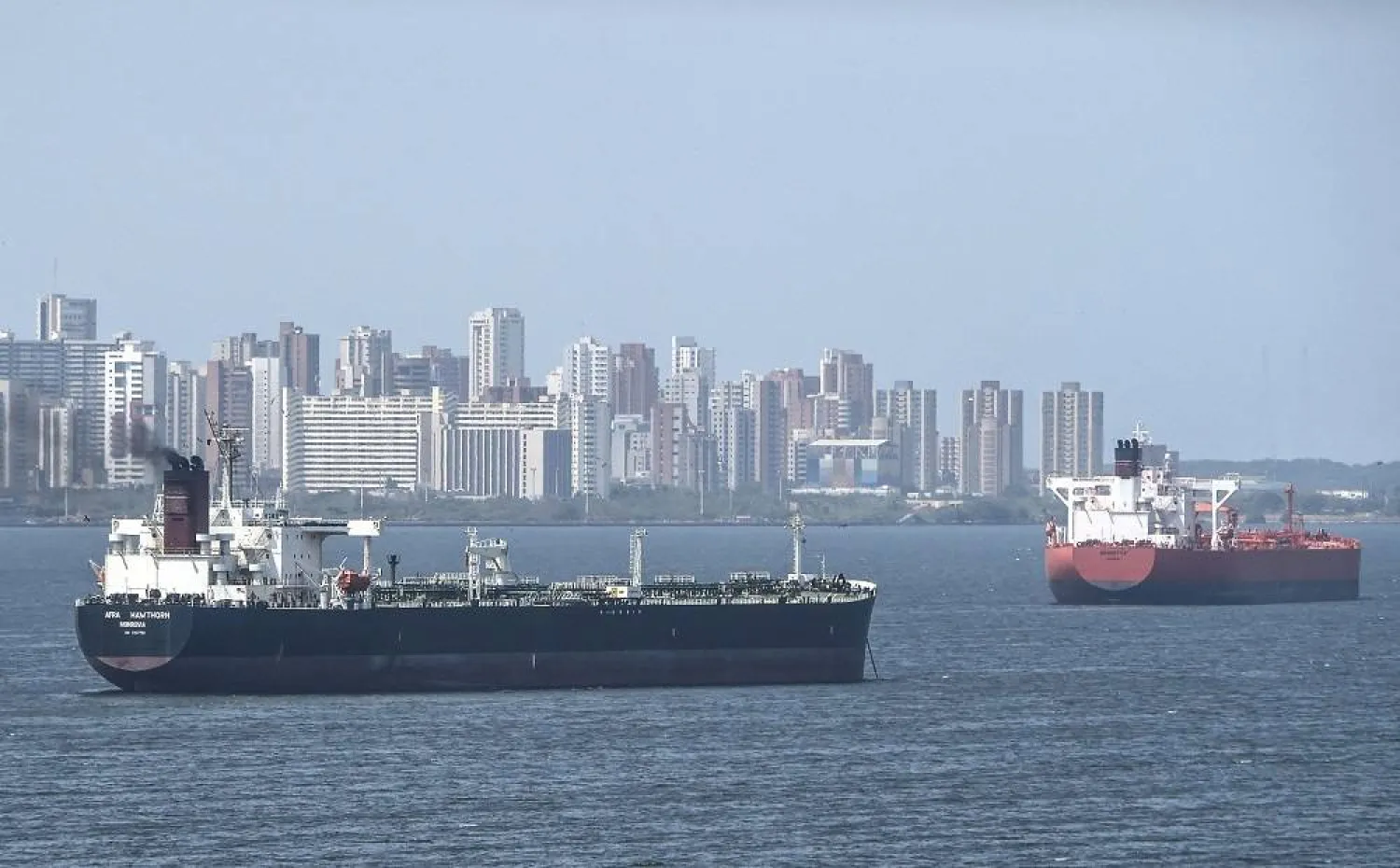
Oil tankers sail the Maracaibo Lake in Maracaibo, Venezuela on March 15 , 2019. (AFP)
TT
TT
Oil Inches up After Trump Cancels Chevron’s Venezuela License
Oil tankers sail the Maracaibo Lake in Maracaibo, Venezuela on March 15 , 2019. (AFP)
Oil prices edged up on Thursday after sliding in the previous two sessions, with supply worries resurfacing after US President Donald Trump announced a reversal of a license given to Chevron to operate in Venezuela.
Brent crude oil futures was up 2 cent at $72.55 a barrel by 0731 GMT. US West Texas Intermediate crude oil futures were up 6 cents at $68.68 per barrel.
A day earlier, the contracts settled at their lowest since December 10 due to a surprise build in US fuel inventories that hinted at weakening demand and hopes for a potential peace deal between Russia and Ukraine. Both benchmarks have lost about 5% so far this month.
Trump on Wednesday said he was reversing a license given to Chevron to operate in Venezuela by his predecessor Joe Biden more than two years ago.
Chevron exports about 240,000 barrels per day of crude from its Venezuela operations, over a quarter of the country's entire oil output. Ending the license means Chevron will no longer be able to export Venezuelan crude.
"The Venezuela news triggered unwinding after the recent sell-off amid Russian-Ukraine ceasefire talks," said Hiroyuki Kikukawa, president of NS Trading, a unit of Nissan Securities.
"Potential buying from the US Strategic Petroleum Reserve also supported the market since WTI was trading near its lowest level in over two months," he said.
Last week, Trump said his administration would quickly fill up the SPR. He criticized Biden for tapping the SPR to bring down the price of gasoline.
Market participants remain focused on Trump's Russian-Ukrainian peace talks. Trump said Volodymyr Zelenskiy would visit Washington on Friday to sign an agreement on rare earth minerals, while the Ukrainian leader said the success of the deal would hinge on those talks and continued US aid.
US crude oil stockpiles fell unexpectedly last week as refining activity ticked higher, while gasoline and distillate inventories posted surprising gains, the Energy Information Administration said on Wednesday.
"Since this is a seasonal off-peak period, with demand shifting from kerosene to gasoline, the sell-off driven by rising product inventories has likely run its course," NS Trading's Kikukawa said.
Separately, Goldman Sachs said in a note on Wednesday that the US administration's dual goals of commodity dominance and affordability reinforce the bank's Brent $70-85 range baseline, a range that is conducive to robust US supply growth.
Riyadh Air Launches First Domestic Service to Jeddah
The launch marks a key step in the carrier's strategy to expand its destination network from the Saudi capital. SPA
Riyadh Air, Saudi Arabia's new national carrier, launched on Sunday its first domestic flight from Riyadh to King Abdulaziz International Airport in Jeddah.
The move is part of Riyadh Air's plans to expand its domestic network through daily flights between Riyadh and Jeddah and strengthen connectivity between major destinations across the Kingdom.
The inaugural flight arrived from King Khalid International Airport in Riyadh with Minister of Hajj and Umrah Tawfig Al-Rabiah, President of the General Authority of Civil Aviation Abdulaziz Al-Duailej, Riyadh Air board member Raid Ismail, and several aviation-sector leaders on board.
They were received by Chairman of the Board of Directors of Jeddah Airports Company (JEDCO) Raed Al-Mudaiheem, JEDCO CEO Mazen Johar, and representatives of government and security agencies operating at the airport.
The launch marks a key step in the carrier's strategy to expand its destination network from the Saudi capital. The inaugural flight departed King Khalid International Airport (RUH) at 9:00 a.m. and landed at King Abdulaziz International Airport (JED) at 10:50 a.m.
Riyadh Air launched the route with two daily flights. Frequencies will increase to three daily flights from June 18 and four daily flights from July 2.
The route is being launched amid strong demand growth. According to aviation analytics firm OAG, the Riyadh-Jeddah route ranked as the world's fifth-busiest domestic air route in 2025, with 9.8 million seats.
By operating the service, Riyadh Air supports national strategies by providing additional seat capacity that contributes to the growth of the Kingdom's tourism, business, and economic sectors.
Riyadh Air CEO Tony Douglas said the launch of flights to Jeddah marks an important milestone in the airline's journey toward building a broad network connecting Saudi Arabia with the world. He noted that the route serves a large segment of business and leisure travelers and supports the goals of Saudi Vision 2030 to develop the aviation sector and strengthen air connectivity.
JEDCO CEO Mazen Johar said the new service reflects integration among the components of the Kingdom's aviation ecosystem and contributes to expanding travel options and enhancing passenger services. He added that King Abdulaziz International Airport served more than 14.8 million passengers through nearly 84,000 flights during the first quarter of 2026, reflecting continued growth in operational activity.
The new flights support Riyadh Air's goal of reaching more than 100 destinations worldwide. The route also facilitates business travel, tourism, and Hajj and Umrah traffic while reinforcing Riyadh's position as a major international air-connectivity hub.
Saudi Housing Surpasses One Million Contracts as 70% Homeownership Target Nearshttps://english.aawsat.com/business/5283961-saudi-housing-surpasses-one-million-contracts-70-homeownership-target-nears
Saudi Housing Surpasses One Million Contracts as 70% Homeownership Target Nears
Construction work in the 'Shams Al-Diyar' project, part of the housing program in Riyadh (SPA)
Saudi Arabia continues to reshape its real estate sector at a rapid pace, achieving structural advances that have placed quality of life at the heart of urban development. The enabling of nearly 33,000 Saudi families to obtain their first home during the first quarter of 2026 underscores the efficiency of the regulatory framework in advancing the goals of Vision 2030 and moving toward its target of raising homeownership to 70 percent.
This momentum, which lifted the homeownership rate to 66.24 percent by the end of 2025, coincides with the Real Estate Development Fund and the Sakani program surpassing the milestone of one million subsidized contracts, reflecting a profound transformation in the structure of the market and greater integration across its financing and regulatory components.
Integrated Regulatory Environment
In an analysis of first-quarter 2026 figures, Mohammed Al-Rassasmah, spokesperson for the Ministry of Municipalities and Housing, told Asharq Al-Awsat that enabling 32,983 Saudi families to own their first home in just three months reflects the integration of the housing ecosystem across its various components, from developing the regulatory and legislative environment to expanding housing options and providing financing solutions and partnerships with the private sector.
Al-Rassasmah explained that the carefully planned expansion of housing projects and the diversification of real estate products have helped meet the needs of different segments of Saudi families. He pointed to the decisive role played by digital transformation in improving procedural efficiency and accelerating access to suitable housing solutions for beneficiaries.
He noted that this achievement builds on what Minister of Municipalities and Housing Majed Al-Hogail announced at the beginning of this year regarding the homeownership rate among Saudi families exceeding 66.24 percent by the end of 2025, demonstrating the success of the housing system in expanding ownership opportunities across the Kingdom.
Partnership With the Private Sector
Within this development path, Al-Rassasmah said partnerships with the private sector represent one of the key enablers of growth in the housing sector, contributing directly to increased real estate supply and faster development.
He added that real estate developers now offer a diverse range of housing products that meet families' aspirations, while the ministry continues to improve the investment environment and promote competitiveness.
He noted that the sector's transformation is no longer limited to developing individual housing units but now extends to creating integrated urban communities that provide services, facilities, infrastructure, and quality-of-life opportunities. This, he said, enhances the attractiveness of cities and improves the efficiency of long-term economic development.
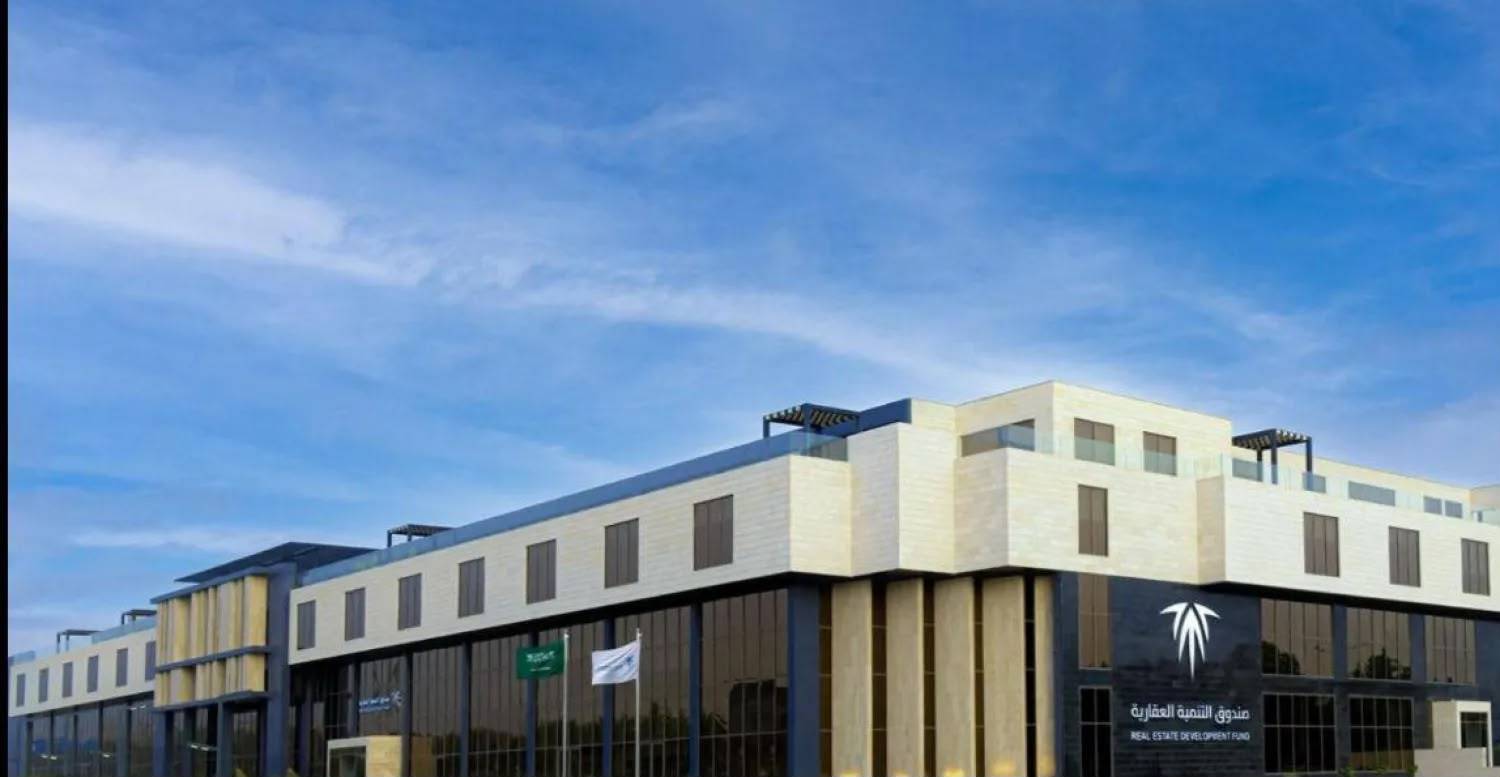
Headquarters of the Real Estate Development Fund in Riyadh (Fund's website)
Off-Plan Sales Projects
Regarding off-plan sales projects, Al-Rassasmah said they have become one of the most important tools supporting increased housing supply and accelerating real estate development in recent years.
He explained that these projects have enabled the implementation of larger and more diverse developments, providing broader opportunities for ownership.
He stressed that the strict regulatory and oversight framework imposed by the ministry has enhanced the credibility of such projects and protected buyers' rights, increasing confidence in the market and significantly boosting demand. As a result, they have become one of the most reliable pathways supporting first-home ownership.
Long-Term Strategic Vision
The ministry's spokesperson also stressed that the ministry approaches housing demand from a long-term strategic perspective focused on increasing supply and improving the efficiency of the real estate market through empowering developers, developing land and master plans, stimulating investment flows, and expanding housing projects in areas experiencing high demand.
He explained that increasing supply and diversifying housing options contribute positively to market balance and help provide more suitable solutions for beneficiaries, alongside the ministry's ongoing efforts to enhance transparency, develop real estate indicators, and improve market efficiency to ensure it remains attractive and stable.
Al-Rassasmah concluded by describing mortgage finance as one of the key pillars behind the rise in homeownership rates in recent years through the provision of diverse and accessible financing solutions that have strengthened the purchasing power of Saudi families.
He noted that 23,222 families benefited from housing support services during the first quarter of this year alone, and added that cooperation among the housing ecosystem, financing institutions, and the Real Estate Development Fund helped push the number of subsidized contracts beyond 1.02 million by the end of last March.
According to Al-Rassasmah, the transformation currently taking place in the sector reflects a comprehensive structural shift that supports the sustainability of the real estate market and enhances citizens' quality of life in line with national ambitions.
Iraq Cancels $764 million Baghdad Airport Project over Corruption Concernshttps://english.aawsat.com/business/5283941-iraq-cancels-764-million-baghdad-airport-project-over-corruption-concerns
Iraq Cancels $764 million Baghdad Airport Project over Corruption Concerns
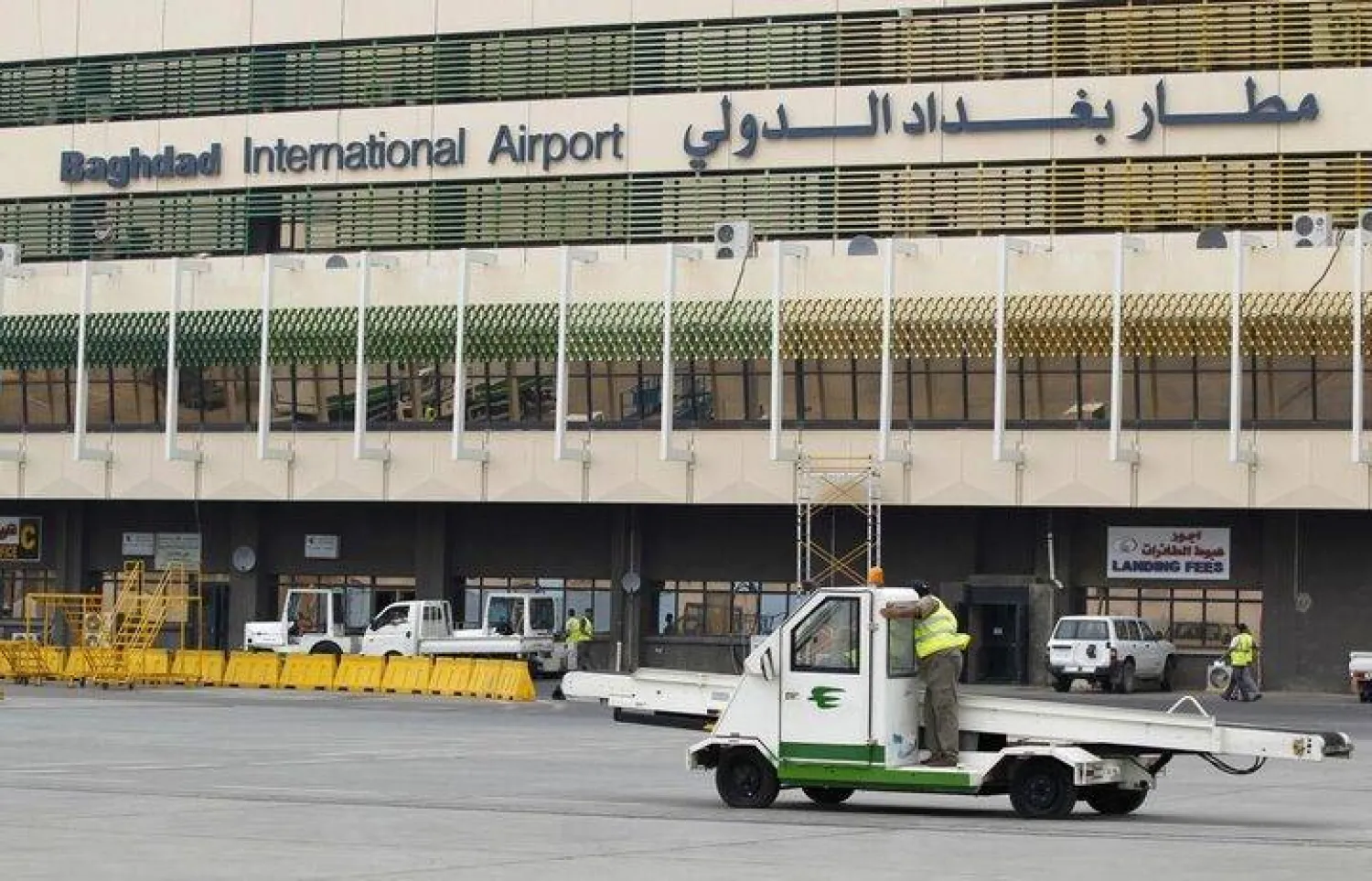
Ali al-Zaidi has decided to cancel the Baghdad International Airport development project - File photo/Reuters
Iraqi Prime Minister Ali al-Zaidi has decided to cancel the Baghdad International Airport development project after corruption suspicions were raised, Iraqi state media reported on Sunday, citing a government source.
The project involves a $764 million contract awarded last year to a consortium of Luxembourg-based Corporacion America Airports (CAAP) and Iraqi real estate firm Amwaj International, aimed at upgrading and expanding the capital’s main airport, Reuters reported.
Two government sources speaking on condition of anonymity due to the sensitivity of the matter told Reuters that officials raised concerns about potential irregularities over the tendering process and contract terms.
The move follows a drive against corruption which has meant growing scrutiny within government institutions.
The airport upgrade had been presented as a key infrastructure project to modernize Iraq’s aviation sector and increase capacity at Baghdad International Airport, which has suffered from years of underinvestment.
لم تشترك بعد
انشئ حساباً خاصاً بك لتحصل على أخبار مخصصة لك ولتتمتع بخاصية حفظ المقالات وتتلقى نشراتنا البريدية المتنوعة