Saudi Arabia’s PIF Tops Global Sovereign Wealth Funds in Brand Value for 2nd Consecutive Yearhttps://english.aawsat.com/business/5169472-saudi-arabia%E2%80%99s-pif-tops-global-sovereign-wealth-funds-brand-value-2nd-consecutive
Saudi Arabia’s PIF Tops Global Sovereign Wealth Funds in Brand Value for 2nd Consecutive Year
TT
TT
Saudi Arabia’s PIF Tops Global Sovereign Wealth Funds in Brand Value for 2nd Consecutive Year
Brand Finance, a leading global brand valuation consultancy, announced on Monday that Saudi Arabia’s Public Investment Fund (PIF) has once again topped the list of the world’s most valuable and fastest-growing sovereign wealth funds for 2025, with a brand value of $1.2 billion, reflecting an 11% increase compared to 2024.
According to Brand Finance’s annual report, which evaluates the largest sovereign wealth funds and asset management brands, PIF earned an A+ rating for brand strength and ranked second globally with a score of 62.9. It also placed seventh in brand value relative to assets under management (AUM), standing out as the only sovereign wealth fund among the top 10 on this index.
The report highlighted PIF’s brand as the fastest-growing among global sovereign wealth funds in 2025, attributing this growth to several key achievements. These include the consistent expansion of its AUM, driven by the strong performance of Saudi companies and the maturation of projects aligned with the Kingdom’s Vision 2030.
Furthermore, the fund’s proactive efforts to raise awareness of its initiatives and its unwavering commitment to sustainable growth and impact have bolstered its brand performance.
Brand valuation encompasses assessing the effectiveness of brand performance and its influence on stakeholder behavior and financial outcomes, both directly and indirectly. This includes attracting investors and securing funding, recruiting and retaining talent, and generating positive media coverage.
Brand Finance Chairman and CEO David Haigh underlined the significant role of impact investments in boosting brand awareness and reputation, particularly on the international sports stage.
He stated that the PIF stands out through several notable examples, most prominently through its investment in Newcastle United, transforming the club into a competitive, title-winning team. Additionally, the fund’s sponsorships in globally renowned sports such as golf, tennis, and electric motor racing further elevate its brand presence.
The PIF focuses on pursuing its strategic goals to drive positive economic impact within the Kingdom and ensure sustainable returns. It is recognized as one of the world’s most influential investors and actively fosters new sectors and opportunities that shape the global economy while accelerating economic transformation in Saudi Arabia.
According to a Global SWF report, the fund jointly ranked first worldwide for compliance and performance in governance, sustainability, and resilience (GSR) standards, achieving a 100% compliance rate by 2025 among 200 sovereign investors. It holds an Aa3 credit rating with a stable outlook from Moody’s and an A+ rating with a stable outlook from Fitch Ratings, underscoring its strong financial standing.
File photo: Storage tanks of an oil refinery of Essar Oil, which runs India's second biggest private sector refinery, are pictured in Vadinar in the western state of Gujarat, India, October 4, 2016. REUTERS/Amit Dave/File photo
India Says Will Keep Expanding Oil Refining Capacity
File photo: Storage tanks of an oil refinery of Essar Oil, which runs India's second biggest private sector refinery, are pictured in Vadinar in the western state of Gujarat, India, October 4, 2016. REUTERS/Amit Dave/File photo
India will continue to build new crude oil refineries in order to ensure supply chain security even as Western nations shut processing units, Prime Minister Narendra Modi said.
“No new refinery has come up in the US in the last five decades and capacity in Europe has also been constantly declining,” Bloomberg quoted Modi as saying on Saturday, as he inaugurated the country’s first new refinery in a decade. He said India will continue to expand capacity.
The 180,000-barrels-a-day greenfield refinery in the heart of Rajasthan’s Thar desert, which has 2.4 million tons a year of petrochemical capacity and was built at a cost of $8.3 billion, is likely to be the only new refinery commissioned globally this year, according to BloombergNEF analysts.
The facility expands India’s refining capacity at a time when much of the West is shutting plants and investment elsewhere has slowed, highlighting New Delhi’s strategy of betting that robust domestic fuel demand, slower-than-expected electric-vehicle adoption and exports of refined products will continue to justify billions of dollars in new oil-processing infrastructure.
Meanwhile, traders have sold gasoline produced by Indian refiner Nayara Energy to Russia, which is grappling with fuel shortages triggered by Ukrainian attacks on its energy infrastructure, two sources with direct knowledge of the matter said on Thursday.
Reuters reported on Wednesday that Russia had begun seaborne imports of gasoline from India, without naming the supplier.
Reuters said that at least 60,000 metric tons of gasoline had been dispatched from India to Russia, citing an industry source, with another source saying that two tankers, carrying 30,000 to 40,000 tons each, had been sent.
Egypt Expects €1.5 billion from EU Assistance Package in Coming Dayshttps://english.aawsat.com/business/5292038-egypt-expects-%E2%82%AC15-billion-eu-assistance-package-coming-days
Egypt Expects €1.5 billion from EU Assistance Package in Coming Days
The Central Bank of Egypt in downtown Cairo (Asharq Al-Awsat)
Egypt expects to receive €1.5 billion ($1.72 billion) from the European Union in the coming days, the first of two remaining tranches of a €5 billion macro-financial assistance package, Foreign Minister Badr Abdelatty said on Saturday.
Speaking at a press conference in Egypt's new administrative capital alongside European Commissioner for the Mediterranean Dubravka Suica, Abdelatty said the outstanding €3 billion would be disbursed in two equal tranches of €1.5 billion each, Reuters reported.
He said Cairo hoped the last payment would be transferred by the start of the autumn.
The EU has so far disbursed €2 billion of the package, having transferred an initial €1 billion tranche in January 2025 and a second €1 billion earlier this year.
The macro-financial assistance forms part of a broader €7.4 billion funding deal the EU announced in 2024, which also includes €5 billion in concessional loans.
Saudi Hospitality Boom: 50 Global Brands Race Ahead with $120 Billion in Investmentshttps://english.aawsat.com/business/5292021-saudi-hospitality-boom-50-global-brands-race-ahead-120-billion-investments
Saudi Hospitality Boom: 50 Global Brands Race Ahead with $120 Billion in Investments
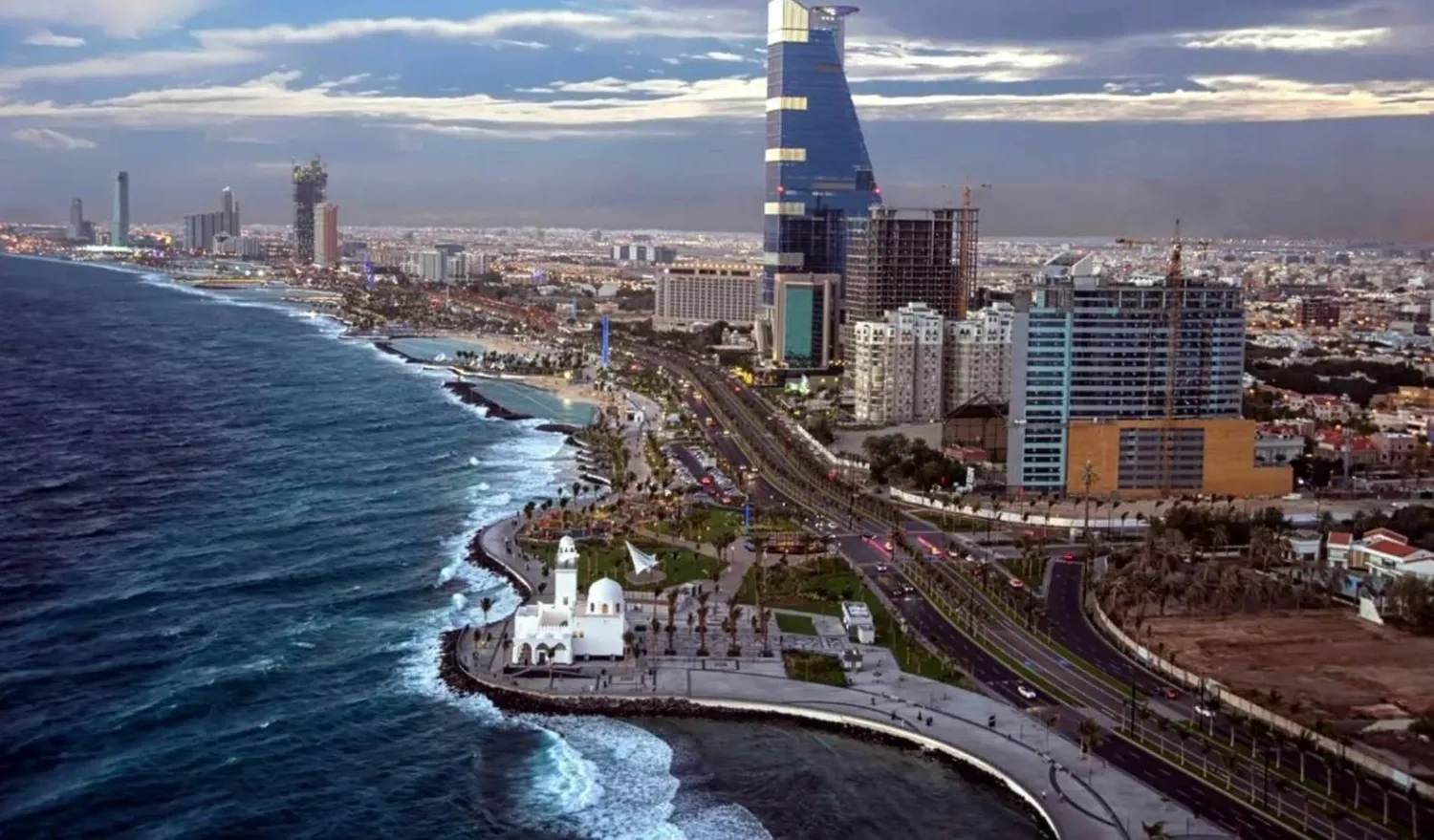
Jeddah Corniche stands out as one of the Kingdom's premier destinations for landmark tourism and hospitality developments (SPA).
Saudi Arabia continues to cement its position as one of the fastest-growing hospitality markets in the region and the world, driven by the rapid expansion of mega tourism projects and emerging destinations. This momentum is prompting the world's leading hotel companies to accelerate their investments and launch unprecedented projects across the Kingdom.
During the first half of this year, Saudi Arabia's hospitality sector continued to attract major investments, with leading international hotel groups announcing new hotel openings and signing record expansion agreements across the Kingdom's cities and flagship developments.
This activity coincides with Saudi Arabia maintaining the largest hotel pipeline in the Middle East, driven by pioneering destinations such as NEOM, the Red Sea, Qiddiya, and Diriyah, alongside continued growth in Riyadh, Makkah, and Madinah.
An Asharq Al-Awsat review found strong alignment between the expansion plans of these hospitality brands and the objectives of Saudi Vision 2030. According to the latest Ministry of Tourism data, more than 50 global hospitality brands are expanding in the Kingdom through investments exceeding $120 billion, with plans to add more than 200,000 new hotel rooms. The private sector plays a pivotal role, contributing around 50 percent of these investments to meet growing demand and cater to the diverse preferences of travelers, from luxury hotels and coastal resorts to heritage and rural accommodations.
In this context, investors and tourism industry experts said the momentum reflects a qualitative transformation that is enhancing service standards and strengthening competitiveness, supported by an attractive investment environment and flexible regulatory frameworks that have successfully streamlined the investment journey for both foreign and domestic investors.
Global Investments
At the beginning of 2026, Marriott announced an agreement to add five new hotels in Jeddah, Makkah, and Madinah, providing more than 2,700 rooms.
Sofitel, the French luxury hospitality brand owned by Accor, also announced the official opening of the Sofitel Riyadh Hotel & Convention Center.
Knowledge Economic City also announced a DoubleTree by Hilton hotel, the first property within the city's master plan. Designed to offer a new level of comfort and connectivity in Madinah, the project comes as Red Sea Global recently officially opened the SLS Red Sea Resort on Shura Island, marking the brand's first property in the Kingdom. The resort features 150 luxury accommodations, including guestrooms, suites, and private pool villas, in addition to a full-service spa, a cinema, and a range of vibrant leisure facilities.
Meanwhile, Saudi-based Blacksand and Marriott International signed an agreement to develop 10 new hotels across the Kingdom, adding more than 1,300 hotel rooms over the next four years. The deal reflects the strong momentum in Saudi Arabia's hospitality and tourism sectors in line with the objectives of Saudi Vision 2030.
In April, the King Abdullah Financial District Development and Management Company (KAFD DMC), the entity responsible for managing and operating the district, opened W Riyadh – KAFD, marking the debut of the W Hotels brand in Saudi Arabia.
In the latest of these developments, The Ascott Limited recently announced plans to open Ascott Villas Riyadh in the fourth quarter of 2026. The project will be the company's first villa community in the Kingdom and will comprise 86 villas in Riyadh's Hittin district.
The announcement also reflects The Ascott Limited's broader expansion strategy, as the company seeks to strengthen its presence in the Saudi market as part of its plan to reach 15,000 units across the Kingdom by 2030, capitalizing on the continued growth of the tourism and business sectors in Riyadh and other major cities.
Reflecting the growing appeal of the Saudi market to leading international investors, Dar Global announced a strategic partnership with The Trump Organization to develop Trump International Tower Jeddah. The landmark luxury project, which will feature a five-star hotel and high-end branded residences, underscores the transformation of the Red Sea coastline into a magnet for some of the world's most prestigious hospitality and luxury brands.
A rendering of the new Ascott Villas Riyadh project (Asharq Al-Awsat).
Investor Confidence
Majed Al Hokair, a businessman and investor in the tourism and entertainment sector, told Asharq Al-Awsat that the Kingdom's growing success in attracting global hotel brands reflects a qualitative transformation in its tourism sector.
"The focus is no longer simply on increasing the number of hotels. It is now about building an integrated tourism ecosystem that caters to a wide range of visitor segments," he said.
Al Hokair said the entry and expansion of prestigious international brands in cities such as Riyadh, Jeddah, Makkah, and Madinah reflects investors' confidence in the future of the Saudi market. It also enhances service quality and raises the level of competition, ultimately improving the visitor experience.
He added that tourists' preferences have evolved in recent years, and the Kingdom is increasingly able to meet those changing expectations through a diverse portfolio of hospitality offerings, including luxury hotels, boutique hotels, resorts, rural accommodations, and heritage accommodations, all distinguished by high standards of quality.
National Talent
For his part, tourism investor Nasser Abdulaziz Al Ghaylan told Asharq Al-Awsat that the continued momentum in the entry and expansion of global hotel brands will position Saudi Arabia among the region's leading tourism and investment destinations in the years ahead, particularly with the rollout of major developments such as NEOM, the Red Sea, Qiddiya, and Diriyah, alongside the objectives of Saudi Vision 2030.
Al Ghaylan said the long-term success of these investments will depend on continued investment in developing Saudi talent, enhancing the visitor experience, and providing a diverse and sustainable range of tourism offerings, ensuring balanced growth that further strengthens the Kingdom's position on the global tourism map.
The Ministry of Tourism recently released a report titled Global Investments in Saudi Tourism to coincide with its participation in the Future Hospitality Summit, held in Riyadh from June 22 to 24. The report highlighted the growing interest among international investors in entering the Saudi tourism market and expanding their presence in the Kingdom.
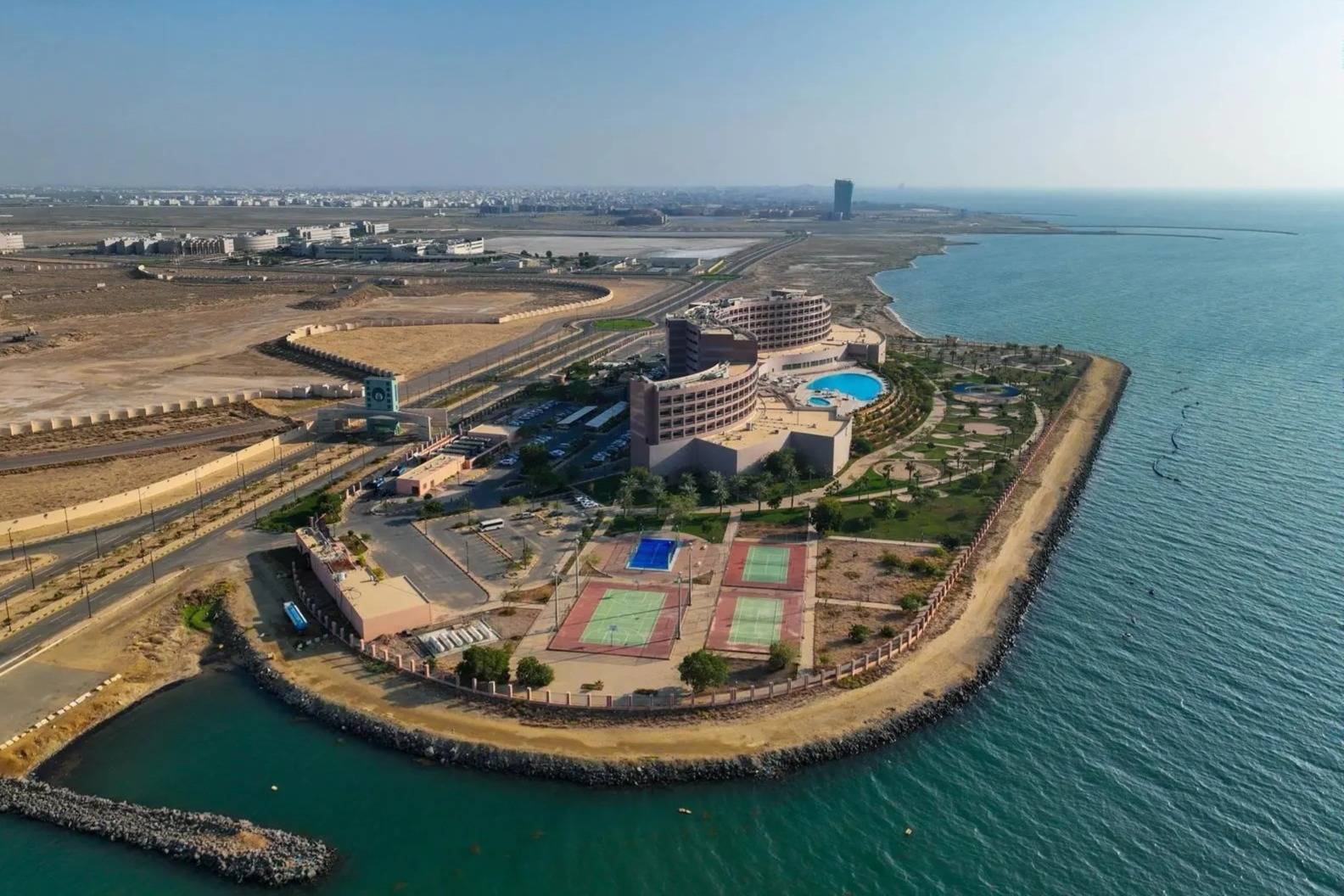
Mövenpick Resort Al Khobar enhances the appeal of tourism destinations along the Eastern Province's coastline (SPA).
The report notes that more than 50 global hospitality brands are expanding across the Kingdom, supported by growing tourism demand and a comprehensive investment environment that has positioned Saudi Arabia as the Middle East's largest tourism market in terms of tourism development projects.
It highlights key indicators reflecting the sector's accelerating momentum, including investments exceeding $120 billion and the addition of more than 200,000 new hotel rooms by 2030, with around 50 percent of those projects expected to be financed by the private sector.
The report also highlights the investment environment underpinning the sector's growth, pointing to significant improvements in the tourism sector's regulatory framework, streamlined licensing procedures, investment incentives, digital services, and business centers that help shorten the investor journey, enhance clarity around regulatory requirements, and facilitate access to the relevant government entities.
لم تشترك بعد
انشئ حساباً خاصاً بك لتحصل على أخبار مخصصة لك ولتتمتع بخاصية حفظ المقالات وتتلقى نشراتنا البريدية المتنوعة