


Saudi Arabia: New Rules Regulating Foreign Investment in Main Market Enter Into Force

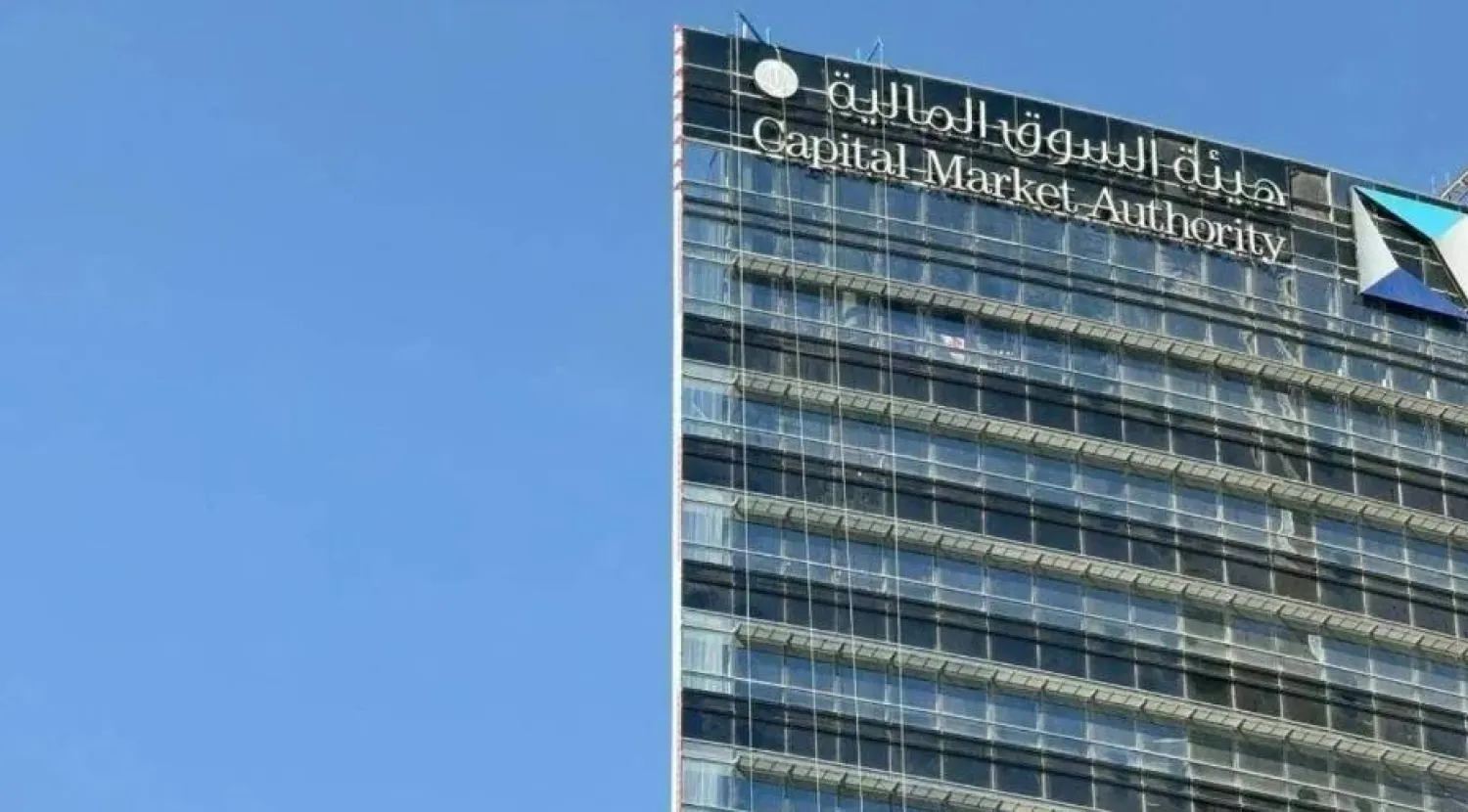
The headquarters of the Capital Market Authority (CMA) in the Saudi capital Riyadh. Asharq Al-Awsat
TT

Saudi Arabia: New Rules Regulating Foreign Investment in Main Market Enter Into Force

The headquarters of the Capital Market Authority (CMA) in the Saudi capital Riyadh. Asharq Al-Awsat

New rules regulating foreign investment in Saudi Arabia's main financial market have entered into force, allowing foreign individuals and companies to invest in local securities, bonds, and funds, according to the regulations of the Capital Market Authority (CMA), as published in the Official Gazette on Friday.

These regulations, which generally exempt citizens of the Gulf Cooperation Council (GCC) countries, amend several previous frameworks, including the authorized persons regulations, the rules for qualified foreign financial institutions investment, and the investment accounts instructions.

Under the new rules, six categories of non-resident foreigners are now permitted to access the market.

The rules impose a maximum ownership limit of 10% for each non-resident foreign investor (excluding strategic investors), and a total cap of 49% for all foreign investors in any listed company. Additionally, foreign strategic investors are prohibited from selling their shares for two years following acquisition.

Comprehensive Reforms
This move is part of a broader set of capital market reforms. In July, the CMA’s board approved amendments to the investment funds regulations, real estate investment funds regulations, and the glossary of defined terms, aiming to update the regulatory framework in line with global best practices and to enhance transparency and market governance.

Managed Assets
In 2024, the CMA approved the launch of 44 new investment funds, including equity, money market, endowment, exchange-traded, and real estate funds.

By the end of last year, the total value of managed assets in the Saudi financial market exceeded SAR1 trillion for the first time, reflecting a growth of 20.9% compared to 2023.

The number of investment funds reached 1,549, and the number of subscribers in public and private funds rose to more than 1.72 million, an increase of 47% during the same period.

Saudi Arabia leads G20 countries in several global financial market indicators, according to the 2024 World Competitiveness Yearbook by the International Institute for Management Development (IMD).

Strategic Transformation

Head of Asset Management at Arbah Capital Mohammed al-Farraj said that the implementation of the new rules regulating foreign investment in the Kingdom’s main market represents a "strategic shift that enhances the attractiveness of the Saudi financial market and cements its position as a leading financial hub regionally and globally."

In remarks to Asharq Al-Awsat, al-Farraj said: “The Saudi market ... enjoys a competitive advantage over regional markets such as the UAE, Qatar, and Egypt, making it an appealing destination for long-term foreign capital.”

This openness aligns with the standards of developed market indices such as MSCI and FTSE, which could help attract more capital inflows and strengthen international confidence, he added.

He also told the newspaper that expanding investment opportunities to include bonds and investment funds in addition to equities "adds new depth to the market and boosts liquidity in debt instruments.”

This encourages global asset managers to enter through local platforms or establish joint funds.

Al-Farraj acknowledged that foreign investors may face challenges, such as "the time needed to understand the local regulatory framework and compliance requirements.”



Gold Price Surge Helps Swiss National Bank Make $33 Billion Profit

(FILES) A worker polishes gold bullion bars at the ABC Refinery in Sydney on August 5, 2020. (Photo by DAVID GRAY / AFP)
TT

Gold Price Surge Helps Swiss National Bank Make $33 Billion Profit

(FILES) A worker polishes gold bullion bars at the ABC Refinery in Sydney on August 5, 2020. (Photo by DAVID GRAY / AFP)

The Swiss National Bank made a profit of around 26 billion Swiss francs ($32.52 billion) in 2025, the central bank said on Friday, thanks to big increases in gold prices as investors headed for safe-havens assets last year.

The provisional figures were a decline from the record 80.7 billion franc profit the SNB made in 2024, ‌but were ‌still in the top ‌five ⁠profits the ‌central bank has made in its 119-year history

The SNB's 2025 profit was boosted by a 36.3 billion franc valuation gain in its gold holdings, as investors bought the precious metal to protect them from the ⁠global economic turmoil unleashed by US President Donald Trump's ‌tariffs.

The figure was the ‍biggest ever profit ‍the SNB has made from gold, helped ‍by the precious metal gaining 64% in value in 2025, boosting the value of the 1,040 metric tons of gold it holds.

The central bank's profits, however, were held back by a 9 billion franc ⁠loss on its foreign currency positions.

The overall annual profit figure was in line with the 23.5 billion francs to 28.5 billion francs forecast by UBS.

As a result, the SNB will be able to make a payout of 4 billion francs to the Swiss central government and cantonal governments, and a dividend of 15 ‌francs per share to investors.


New Aramco Digital Network to Enable Secure Industrial Connectivity across Saudi Arabia

New Aramco Digital Network to Enable Secure Industrial Connectivity across Saudi Arabia
TT

New Aramco Digital Network to Enable Secure Industrial Connectivity across Saudi Arabia

New Aramco Digital Network to Enable Secure Industrial Connectivity across Saudi Arabia

Aramco Digital, the technology subsidiary of Saudi Aramco, is set to launch the Kingdom’s national industrial communications network operating in the 450 MHz band. Designed to deliver secure, highly reliable industrial connectivity across Saudi Arabia, the network will support sectors that require continuous operations and dependable communications for critical assets and facilities.

As part of the launch, Aramco Digital will introduce a comprehensive portfolio of 450 MHz-based industrial digital solutions, including tailored connectivity packages for various sectors and a new generation of smart radios developed specifically for demanding industrial environments, SPA reported.

These smart radios combine rugged, industrial-grade design with advanced capabilities such as AI, enhanced sensing technologies, extended battery life through improved energy efficiency, and real-time data processing at the device level. Together, these features will support operational accuracy, reliability, and continuity in complex operating conditions.

The network will enable a broad range of Industrial Internet of Things (IIoT) applications, including asset condition and performance monitoring, fleet and equipment tracking, air quality and environmental sensing, smart video surveillance, smart metering, lighting and infrastructure control, and industrial mobility and fleet management solutions. These capabilities will enhance operational transparency, support automation, and improve efficiency across both industrial and service sectors.

The network is intended to underpin the Kingdom’s next phase of industrial development and support the objectives of Saudi Vision 2030. By providing a highly reliable national communications infrastructure, the network will enable advanced automation, intelligent systems, and digital services in vital sectors.


Oil Rises as Market Focuses on Venezuela and US Sanctions Plans

A view shows disused oil pump jacks at the Airankol oil field operated by Caspiy Neft in the Atyrau Region, Kazakhstan April 2, 2025. REUTERS/Pavel Mikheyev
TT

Oil Rises as Market Focuses on Venezuela and US Sanctions Plans

A view shows disused oil pump jacks at the Airankol oil field operated by Caspiy Neft in the Atyrau Region, Kazakhstan April 2, 2025. REUTERS/Pavel Mikheyev

Oil prices rose on Thursday after two days of declines as investors assessed Venezuela developments and reports on progress of proposed US sanctions legislation against countries doing business with Russia.

Brent crude futures were up 59 cents, or 0.98%, at $60.55 a barrel by 1038 GMT. US ‌West Texas Intermediate ‌crude gained 58 cents, or 1%, ‌to $56.57.

Higher ⁠prices ​are ‌led by the US President allowing the Russia sanctions bill to advance, as it raises fears of further disruption to Russian oil exports, said PVM analyst Tamas Varga. Republican Senator Lindsey Graham said on Wednesday that Trump had given the green light on the legislation, adding that the bill could be put ⁠to a vote as early as next week.

Both benchmarks fell more than ‌1% for a second day on Wednesday, ‍with market participants expecting ‍abundant global supply this year. Analysts at Morgan Stanley forecast ‍a surplus of as much as 3 million barrels per day in the first half of 2026. US gasoline and distillate stocks increased by more than analyst expectations in the week ended January ​2, while crude stocks fell, the Energy Information Administration said on Wednesday. On Tuesday, Washington announced a deal with ⁠Caracas to gain access to up to $2 billion of Venezuelan crude. The deal initially could require the rerouting of cargoes that were bound for China, sources told Reuters. Chinese independent refiners that consume much of the country's Venezuelan imports could switch to Iranian oil to make up the shortfall. The US seized two Venezuela-linked oil tankers in the Atlantic Ocean on Wednesday, one sailing under Russia's flag, as part of President Donald Trump's aggressive push to dictate oil flows in the Americas and force ‌Venezuela's socialist government to become an ally.