




Saudi Arabia is preparing to take a major step toward liberalizing its stock market, with regulators proposing to scrap long-standing restrictions that limit foreign participation.
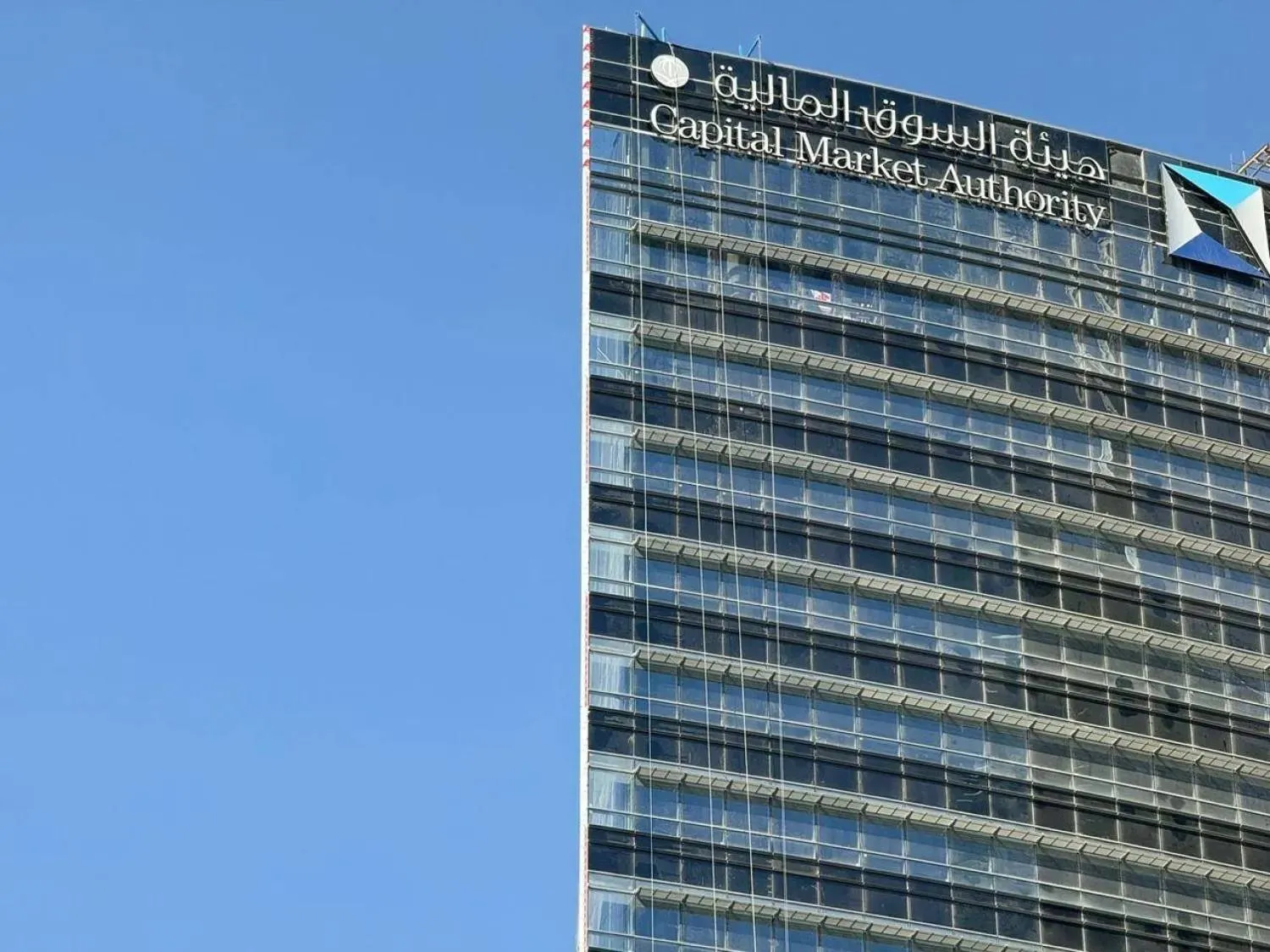
The Capital Market Authority (CMA) announced it is seeking feedback on a draft plan that would allow all categories of non-resident foreign investors to directly buy and trade shares in the Kingdom’s main market.
If approved, the plan would abolish the Qualified Foreign Investor (QFI) system, a framework that has governed access for overseas investors since the market first opened a decade ago. By eliminating eligibility requirements and complex registration procedures, the change is expected to expand the investor base and attract greater inflows of global capital.
The CMA said the consultation period on the proposed amendments will run for 30 days, ending on October 31, 2025.
Under the new rules, the swap agreements once used as a workaround for non-resident foreigners - giving them only economic benefits of Saudi equities without direct ownership - would also be phased out. Instead, foreign investors would be able to hold shares outright, bringing the Kingdom closer in line with global market practices.
The CMA described the initiative as part of its “gradual approach” to opening the market, building on earlier reforms and paving the way for future liberalization. In July 2025, it had already eased procedures for Gulf Cooperation Council (GCC) citizens and residents, allowing them easier access to Saudi equities.
Regulators say the latest move is designed to enhance the Kingdom’s role as a global financial hub and to deepen liquidity in the region’s largest stock exchange. According to CMA, the step aims to consolidate the market’s position as an international platform capable of attracting stronger foreign capital flows.
The expected impact is significant. Foreign investment in Saudi equities has grown rapidly in recent years, reaching SAR 412 billion ($109.9 billion) by the end of the second quarter of 2025, an increase of 471 percent compared with the end of 2015, according to CMA data.


