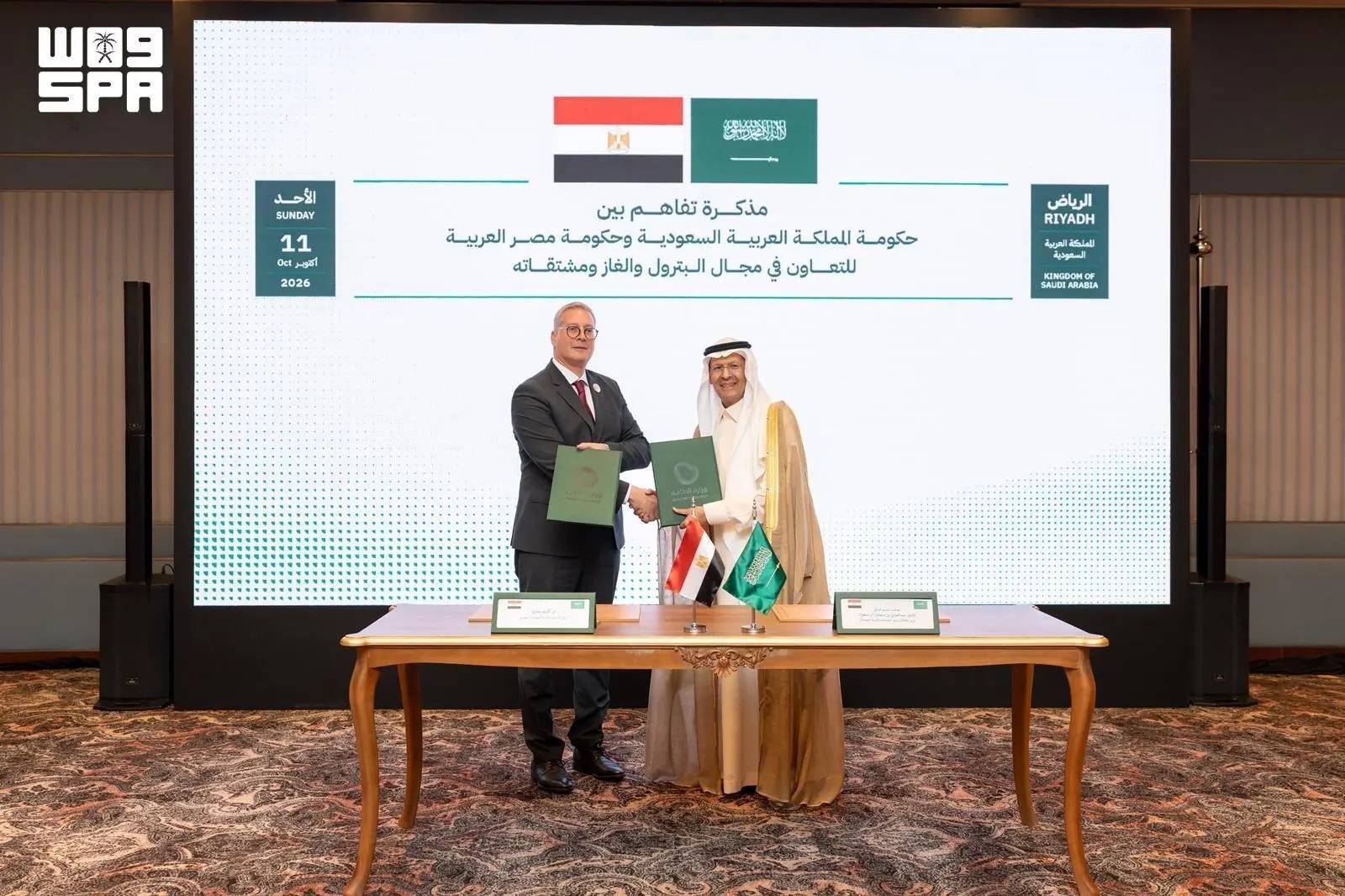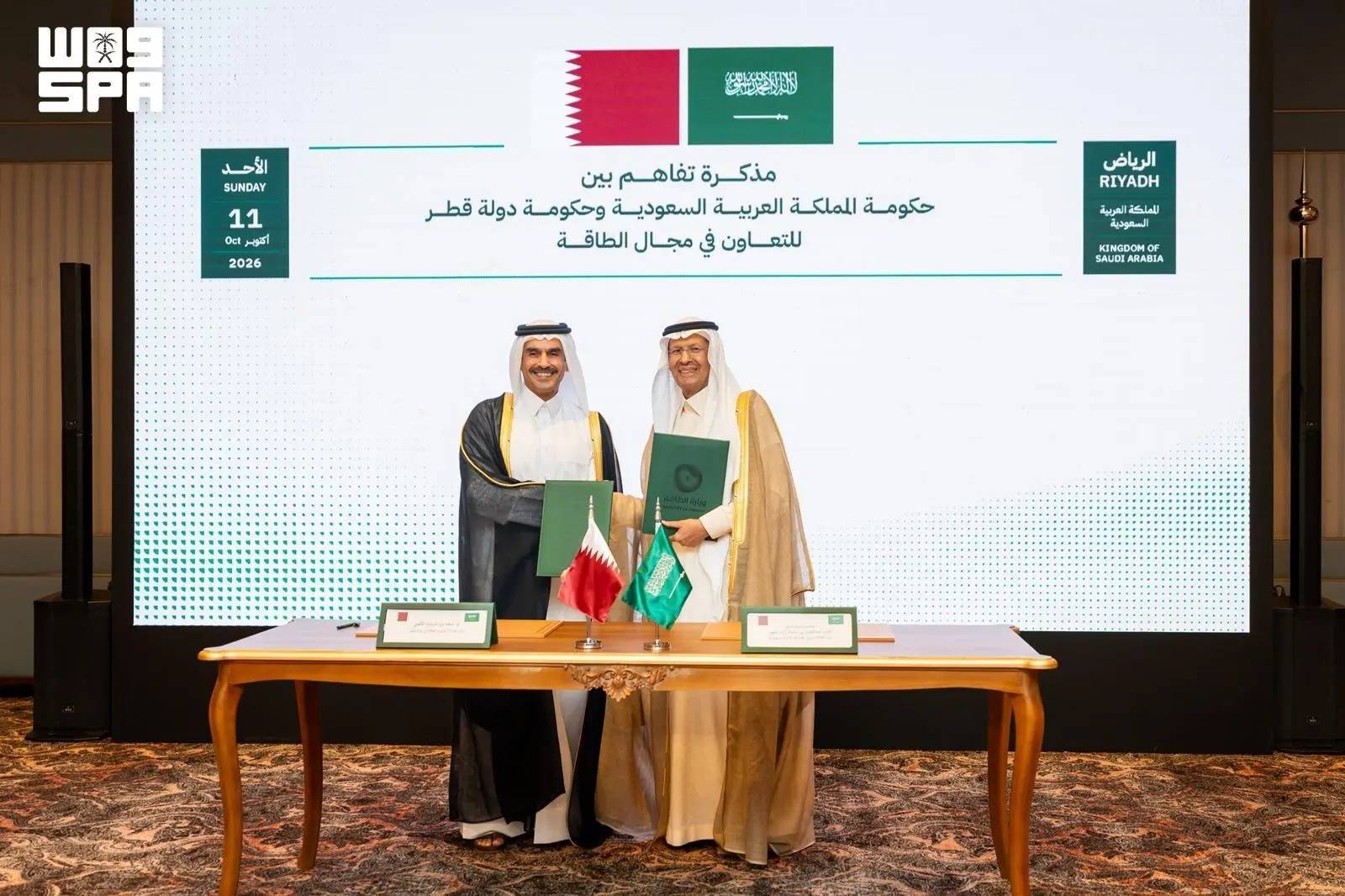

Saudi Arabia’s Minister of Energy, Prince Abdulaziz bin Salman, announced that the Kingdom and Russia are preparing to host a joint business forum, which will bring together approximately 100 Russian companies and business leaders alongside participants from the Saudi private sector. The initiative is designed to broaden economic and investment cooperation between the two countries beyond the traditional energy sector.
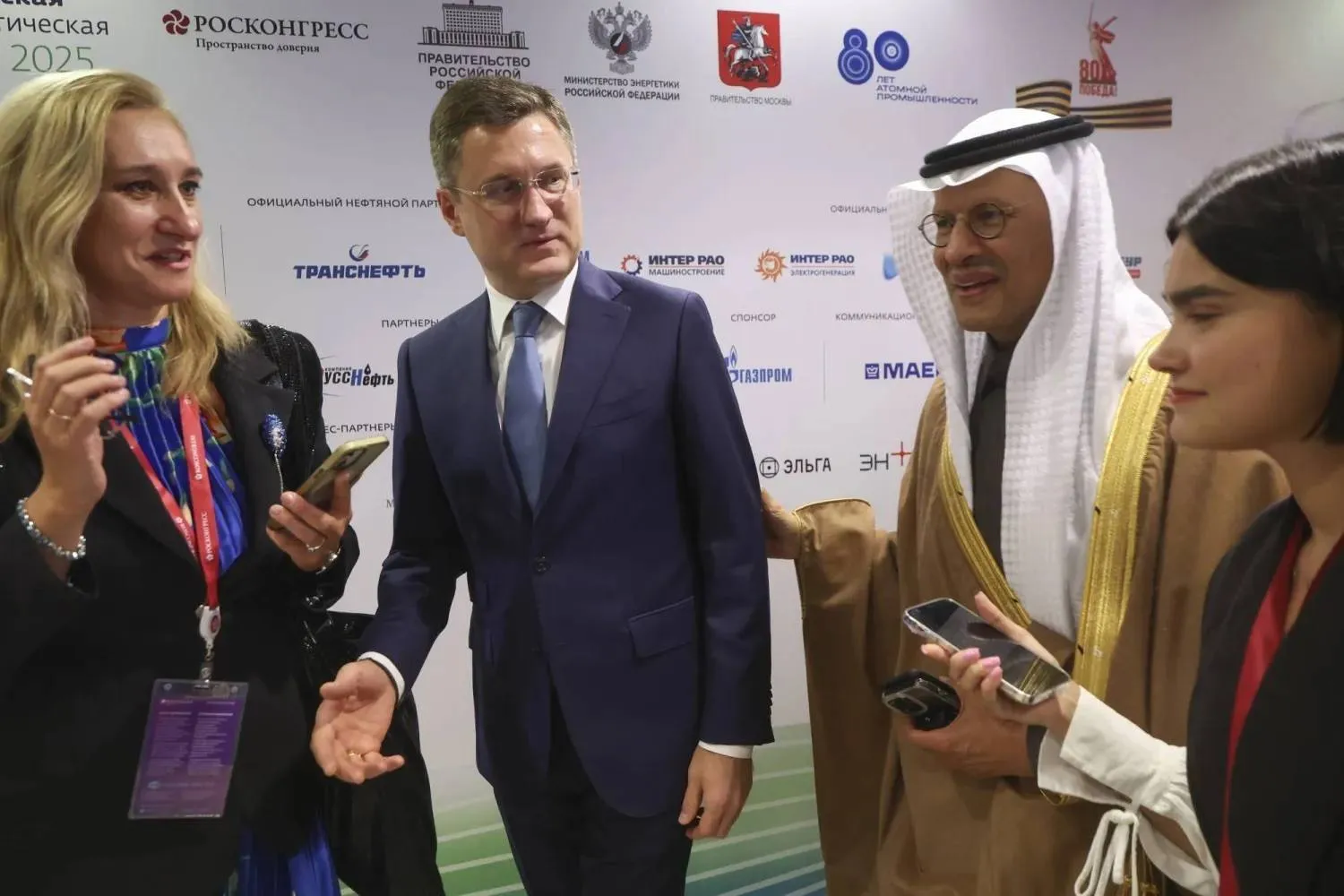
Speaking at Russian Energy Week 2025 in Moscow, Prince Abdulaziz emphasized that energy security and economic prosperity are essential foundations for addressing sustainability and climate change. “Without energy security and economic prosperity, I don’t believe it will be possible to tackle sustainability and climate change,” he stated.
The upcoming forum represents a significant boost to Saudi-Russian relations, which now span 11 key sectors and involve more than 27 institutional partners from both sides. This reflects a steady and strategic expansion of bilateral ties, according to the minister.
A statement from the Russian government confirmed that Prince Abdulaziz held talks with Russian Deputy Prime Minister Alexander Novak on the sidelines of the conference. Discussions focused on developing joint projects in liquefied natural gas (LNG), hydropower, and nuclear energy. Novak stressed that collective work within OPEC+ serves both countries’ long-term interests and strengthens their economies.
This follows earlier reports indicating that Saudi Arabia is finalizing several energy agreements to be signed during the upcoming Saudi-Russian Joint Governmental Committee meeting in Riyadh on November 6. The aim is to reinforce ongoing cooperation across multiple sectors.
Prince Abdulaziz confirmed that Saudi Arabia will host the joint business forum, expressing optimism that it will result in a number of new agreements. He explained that the event builds on six years of growing collaboration in fields such as industrial projects, power networks, and tourism. Direct flights between Riyadh and Moscow were recently launched, reflecting the rapid growth in tourism between the two nations.
According to Interfax, bilateral trade between Saudi Arabia and Russia grew by 62.7% last year. Russian investments in the Kingdom increased sixfold, while Saudi investments in Russia rose by 11%. Over the past decade, the two sides have launched more than 40 joint projects in information technology, transport, infrastructure, and petrochemicals.
Novak said Russia expects global oil demand to rise this year at a pace similar to last year. He noted that the country has the capacity to increase production, though its output in September remained slightly below its OPEC+ quota. Russian oil production reached 9.321 million barrels per day in September, up 148,000 barrels from August but still 94,000 barrels short of the quota.
He added that Moscow will not submit a new compensation schedule to OPEC+, explaining that it is already offsetting excess output accumulated earlier this year. Russia plans to maintain its current schedule, which includes a reduction of 34,000 barrels per day through the end of the year.
Oil prices are currently trading around $62 per barrel for Brent crude and $58 for US crude — their lowest levels in five months.
OPEC Secretary-General Haitham Al Ghais underscored the critical role of oil in ensuring stable energy supplies. He explained that economic growth, population expansion, and technological advancement all point to rising global energy demand in the decades ahead.
OPEC forecasts that oil will account for about 30% of the global energy mix by 2050, with primary energy demand rising by 23%. The organization continues to call for increased investment in the oil and gas sector, projecting that $18.2 trillion will be needed by 2050, up from $17.4 trillion estimated last year.