




The World Bank has reaffirmed its determination to continue supporting Yemen’s development agenda, commending the government’s economic and financial reform efforts and its commitment to meeting loan obligations despite mounting fiscal challenges.
During a meeting in Washington with the Bank’s vice president, Ousmane Dione, Yemen’s Minister of Planning and International Cooperation Waed Badhib stressed the importance of aligning the new Country Partnership Framework with the country’s national priorities. He called for more flexible operational models that allow direct government implementation of development projects.
The minister expressed concern over proposed shifts in the Bank’s strategy, emphasizing the need to sustain development assistance during the ongoing conflict - not just after its end - and to clearly distinguish between humanitarian and development support.
He highlighted progress achieved in partnership with the central bank, including relative currency stability and improved domestic resource mobilization, despite the impact of Houthi attacks on international shipping.
The World Bank’s portfolio in Yemen exceeds $2 billion, focusing on essential services, infrastructure, and institutional capacity building. Those efforts have helped prevent the collapse of key state institutions, according to official sources.
Job creation remains a top national priority, Badhib said, urging the Bank to boost coordination with its affiliated investment and guarantee institutions.
He called for more private sector support, improved investment conditions, and innovative financing tools to reduce risks, alongside reforms to make state-owned enterprises financially sustainable and to expand non-oil sectors, such as agriculture and fisheries.
The minister also pointed to the upcoming Food Security Conference in Riyadh as a key platform for advancing food security goals. He urged the Bank to extend fisheries and water projects and increase support for renewable energy, telecommunications, and value-added industries.
The Bank’s vice president confirmed that the new strategy for conflict-affected states is designed to enhance the impact of development assistance, not reduce resources for Yemen. He said positive developments on operational policy assessments are expected soon.
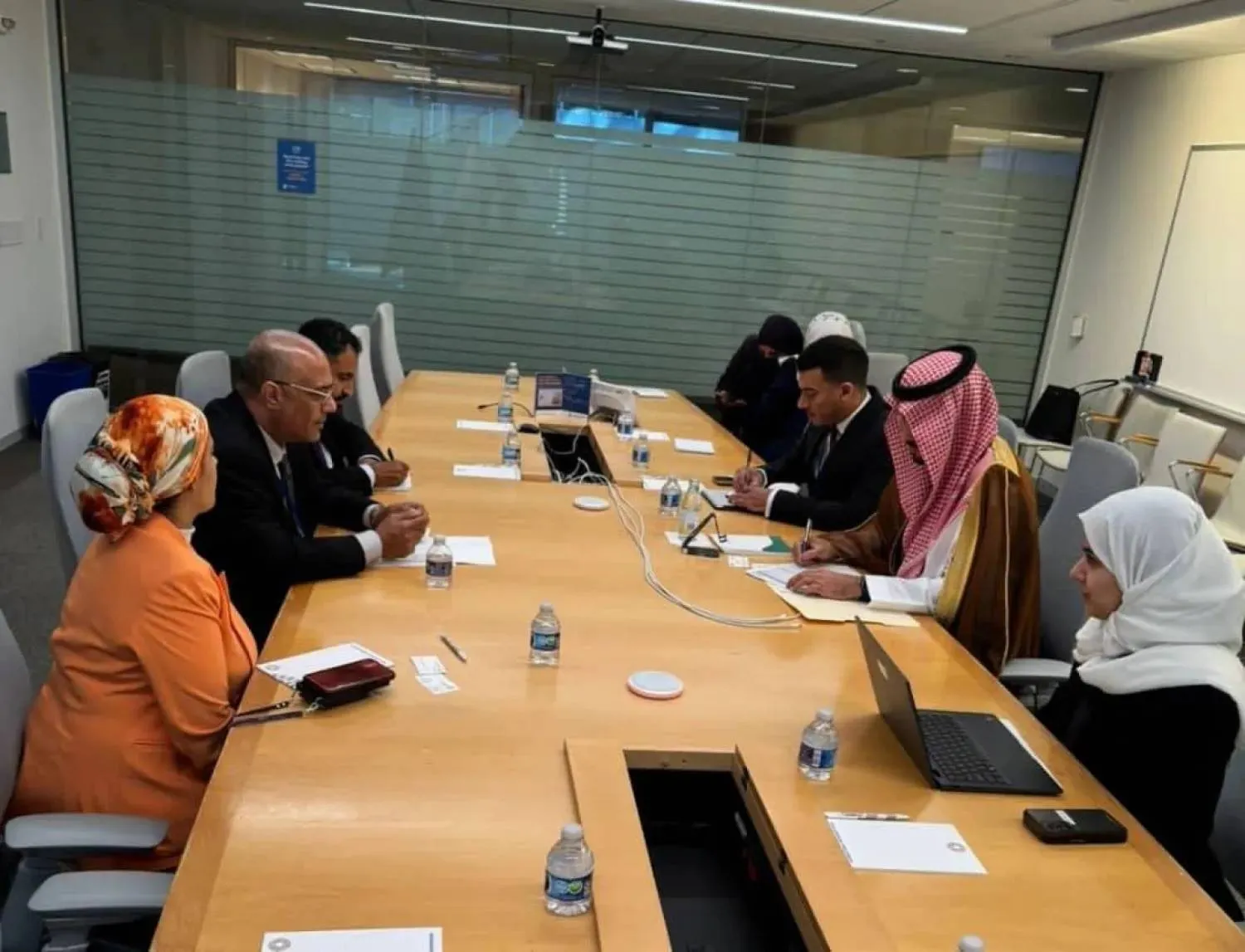
In a related meeting, the Yemeni minister discussed with Saudi Assistant Minister of Finance Abdullah Bin Zaraah ways to strengthen Saudi support for Yemen’s positions at the World Bank.
He expressed gratitude for the Kingdom’s continued backing. The Saudi official, for his part, reiterated Riyadh’s commitment to supporting Yemen’s stability and development through international platforms and World Bank mechanisms.


