




The International Monetary Fund (IMF) has affirmed that economies in the Middle East and Central Asia continue to demonstrate strong resilience and adaptability despite heightened geopolitical tensions and global economic shocks. The Fund projects that growth in the region will accelerate to around 4% in 2025, driven by the dynamism of non-oil sectors, stronger fiscal indicators, and the successful implementation of structural reforms in many countries.
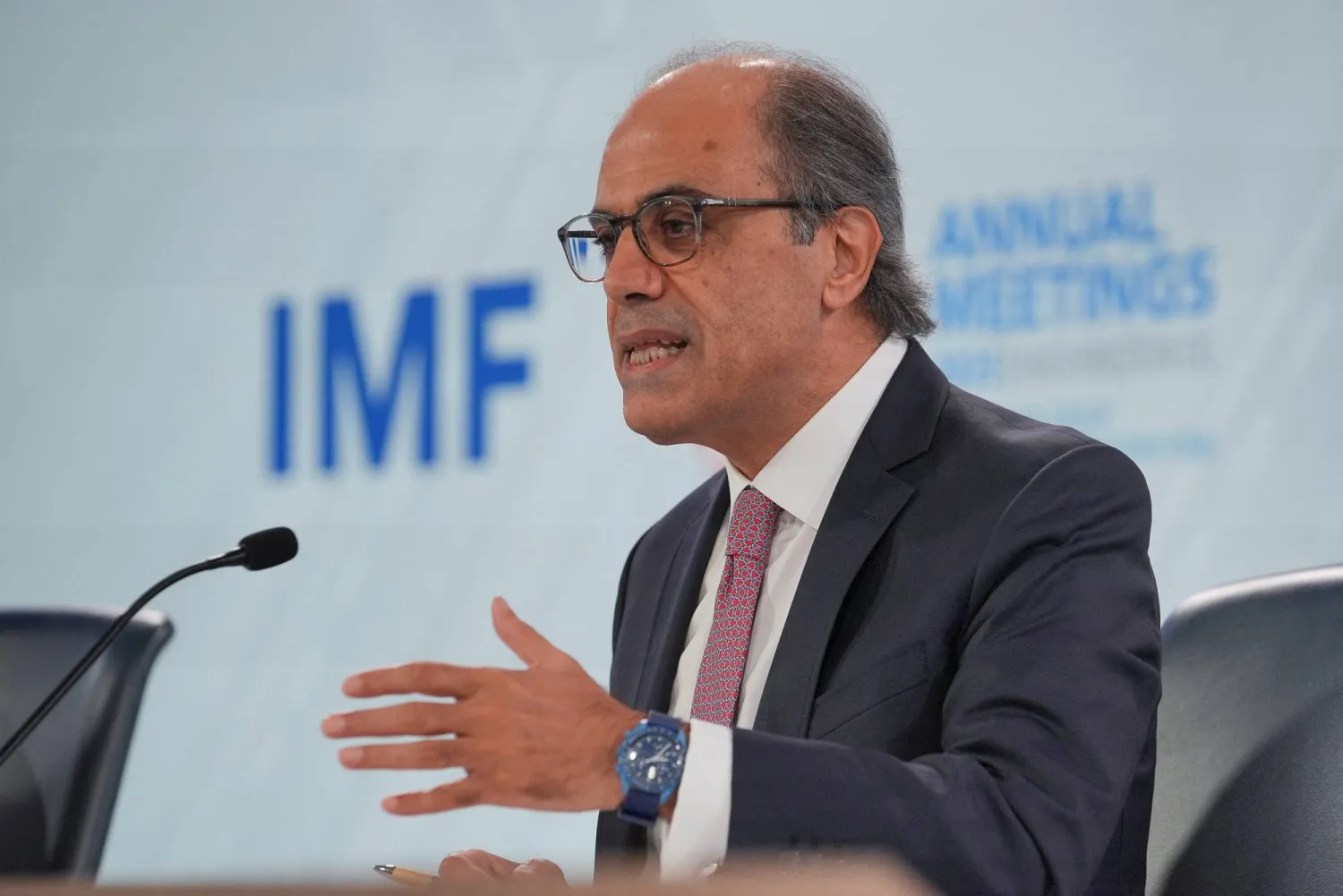
The remarks came during a press briefing held on Friday by Jihad Azour, Director of the IMF’s Middle East and Central Asia Department, on the sidelines of the IMF–World Bank Annual Meetings in Washington. Azour outlined the key findings of the latest Regional Economic Outlook report and highlighted the challenges facing the region’s economies.
Resilience and Turning Point
“Economies in the region have shown significant resilience and flexibility in confronting external shocks and geopolitical tensions,” Azour said. He described the current moment as a “period of reassessment” following the ceasefire agreement in Gaza, emphasizing the need to translate economic stability into more inclusive, sustainable growth that can generate jobs.
Azour noted that countries like Egypt and Jordan stand as examples of how economies can absorb the impact of nearby conflicts while maintaining financial stability.
Gulf Economies Lead in Diversification
Azour praised the performance of Gulf Cooperation Council (GCC) countries, saying they have “successfully and gradually diversified their economies in recent years,” relying increasingly on non-oil sectors. This shift has contributed to stable growth rates, lower unemployment, and rising private investment.
He pointed to the efforts of Saudi Arabia, the UAE, and Qatar to develop technology, tourism, and renewable energy sectors as a model for broader economic transformation. Prudent fiscal policies, he added, have strengthened the banking sector and kept public debt levels low.
Azour explained that the impact of recent US–China tariff measures on the region has been limited, as trade ties with the US are relatively modest and energy exports have largely been exempt from tariffs.
Egypt’s Economic Gains
The IMF official singled out Egypt for “notable improvement” since the launch of its economic reform program with the Fund. Inflation has eased significantly, projected to drop to around 11.8% in the coming year. Growth is expected to reach 4.3% in FY 2024/25 and 4.5% in FY 2025/26, while public debt is set to decline gradually as fiscal discipline improves.
He stressed the importance of enhancing the business climate, expanding private sector participation, and redefining the role of the state as an enabler rather than a competitor. While there are no plans to extend the current program with Egypt, Azour said the focus remains on accelerating private sector–led job creation and strengthening social protection.
Despite the war in Gaza reducing Suez Canal revenues by roughly $7 billion and slowing tourism, Egypt has shown strong financial and economic adaptability, he noted.
Uneven but Positive Regional Outlook
The IMF expects regional growth to rise from 2.1% in 2024 to 4% in 2025. Oil exporters are projected to see growth increase from 2.3% to 4%, supported by a gradual ramp-up in oil production and non-oil activity. Oil-importing countries such as Egypt, Jordan, Morocco, and Tunisia are also expected to recover, with growth rising from 1.5% to 3.9% on average. The Caucasus and Central Asia are forecast to grow by 4.4%, helped by higher commodity prices and remittance inflows.
Post-Conflict Uncertainty
Azour said the post-ceasefire period in Gaza represents a crucial stage for reassessment. While final reconstruction cost estimates are not yet available, he emphasized that “the international community’s priority should be supporting reconstruction in a way that ensures financial stability and gradually revives economic activity.”
He warned, however, that ongoing instability in Gaza, Yemen, Lebanon, and Syria remains a major source of uncertainty that could undermine investor confidence and strain public finances.
Policy Vigilance and Reform
Azour cautioned that inflation remains elevated in several energy-importing countries, urging governments to keep monetary policy vigilant to curb price pressures. He called for sustained structural reforms to boost governance and transparency, improve public spending efficiency, and invest in education, digital infrastructure, and innovation.
He stressed that the IMF’s strategy is to support inclusive and sustainable growth that reduces inequality and addresses climate challenges.
“We are optimistic about the region’s trajectory,” Azour concluded. “But turning economic resilience into inclusive growth requires determination. The IMF will continue to support governments in building confidence and stability. The region has all the ingredients to be a key driver of global growth in the coming years.”


