
BlackRock: Our Investments in Saudi Arabia Are Doubling, the $5 Bln from PIF Is Only the Beginning

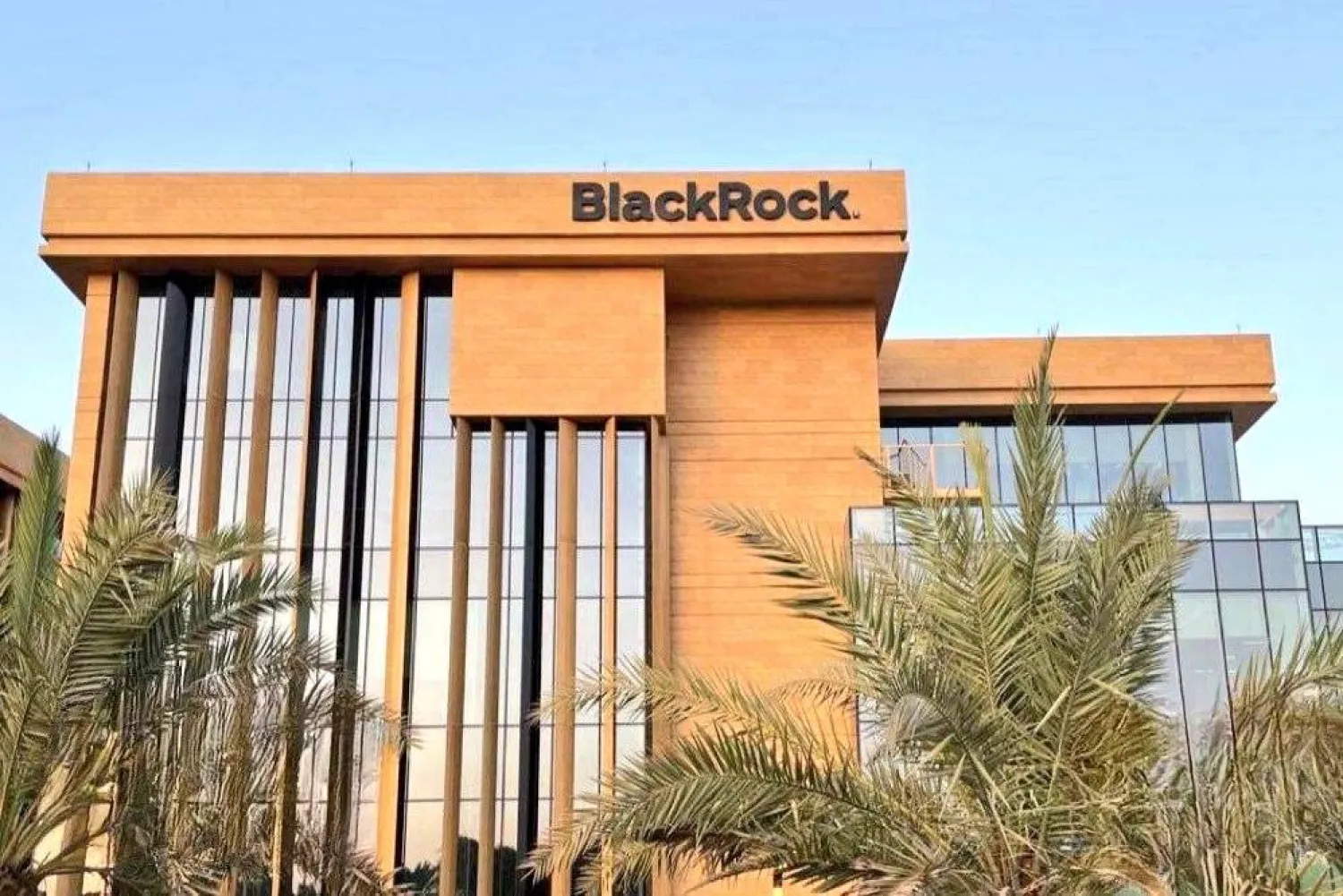
BlackRock’s headquarters in Riyadh. (BlackRock)
TT

BlackRock: Our Investments in Saudi Arabia Are Doubling, the $5 Bln from PIF Is Only the Beginning

BlackRock’s headquarters in Riyadh. (BlackRock)

BlackRock is reinforcing its long-term investment strategy in Saudi Arabia, viewing the Kingdom as a cornerstone of its regional growth plans. Kashif Riaz, Managing Director for the Middle East and head of the BlackRock Riyadh Investment Management Platform, said the company’s partnership with Saudi Arabia’s Public Investment Fund (PIF) marks the beginning of a significant expansion in scale and scope.

The first five billion euros are only the beginning, he told Asharq Al-Awsat, referring to the landmark investment that established a multi-asset platform in the Saudi capital.

The five-billion-euro commitment stems from the strategic alliance announced last year between BlackRock and PIF.

Speaking on the sidelines of the Future Investment Initiative (FII) conference in Riyadh, which gathered leading figures from global finance and industry last week, Riaz said the collaboration is designed to grow exponentially as Saudi Arabia’s capital markets deepen and diversify.

During the same event, Larry Fink, BlackRock’s Chairman and CEO, noted that the strong global interest in Saudi opportunities reflects international confidence in the Kingdom’s economic reforms and transformation, which have positioned it among the top emerging destinations for foreign investment.

Riaz explained that BlackRock Riyadh has already begun managing equity funds focused on Saudi and Gulf markets, with strategies spanning both active and index-based portfolios.

The company has also built specialized teams for fixed income and sukuk, and recently concluded a major infrastructure deal with Saudi Aramco. The $11 billion (SR41 billion) transaction, finalized during the FII conference, involves developing the Jafurah gas field in partnership with a consortium led by Global Infrastructure Partners, a BlackRock subsidiary.

He said the Riyadh platform was created to connect local and international investors with opportunities in the Saudi economy. The country’s financial landscape, he noted, is undergoing rapid transformation as family offices and digital investment platforms emerge as new engines of growth alongside sovereign and pension funds.

The company’s objective is to make BlackRock funds accessible to a wide range of investors - institutional and individual - through digital channels and wealth management networks, he added.

As part of its technological innovation, BlackRock has launched an AI-driven investment fund that uses artificial intelligence and data science to analyze stocks listed on the Tadawul exchange. The system integrates financial data, corporate reports, and social media activity to generate a data-backed view of each company.

Riaz said this method reflects BlackRock’s long-established systematic investment approach, which has been refined over decades and adapted to Saudi Arabia’s unique market dynamics.

He also outlined a project being developed with the Saudi Real Estate Refinance Company (SRC) to establish a secondary mortgage market, enabling banks to securitize housing loans into asset-backed securities.

He said progress is well under way, following a pilot issuance in August conducted with the Saudi Central Bank and the housing sector. According to him, the new market will help banks expand lending for home ownership, infrastructure, and new developments, while offering international investors safe, well-regulated financial products.

Looking ahead, Riaz identified housing, renewable energy, artificial intelligence, data centers, transport, and logistics as the key sectors driving BlackRock’s strategy in Saudi Arabia over the coming decade.

He said the firm’s focus has shifted more toward infrastructure investment than private equity, supported by a specialized fund that targets major strategic projects across the Gulf region. The Jafurah partnership, he noted, is one example of this broader regional vision.

BlackRock’s infrastructure portfolio now spans digital infrastructure, renewable energy, gas, water-related industries, and logistics. Globally, the firm holds stakes in major airports, including London Gatwick and several in Malaysia, and has formed partnerships in port operations such as King Abdullah Port on Saudi Arabia’s Red Sea coast.

Beyond deploying capital, Riaz said BlackRock’s strategy in the Kingdom centers on developing local talent and expertise. The company currently employs about 40 people in Saudi Arabia, 80 percent of them nationals.

It has also launched a graduate hiring program that recruits Saudi university students domestically and abroad, several of whom now hold leadership positions. Some Saudi professionals have even returned from BlackRock’s New York offices to Riyadh to help expand the firm’s local capabilities.

BlackRock was the first major global asset manager to establish a regional headquarters in Riyadh. Its initiatives align closely with Saudi Vision 2030, which seeks to diversify the economy, attract foreign investment, and stimulate non-oil sectors.


Indian Minister to Asharq Al-Awsat: We Expect Steady Growth in Tourism Between New Delhi and Riyadh

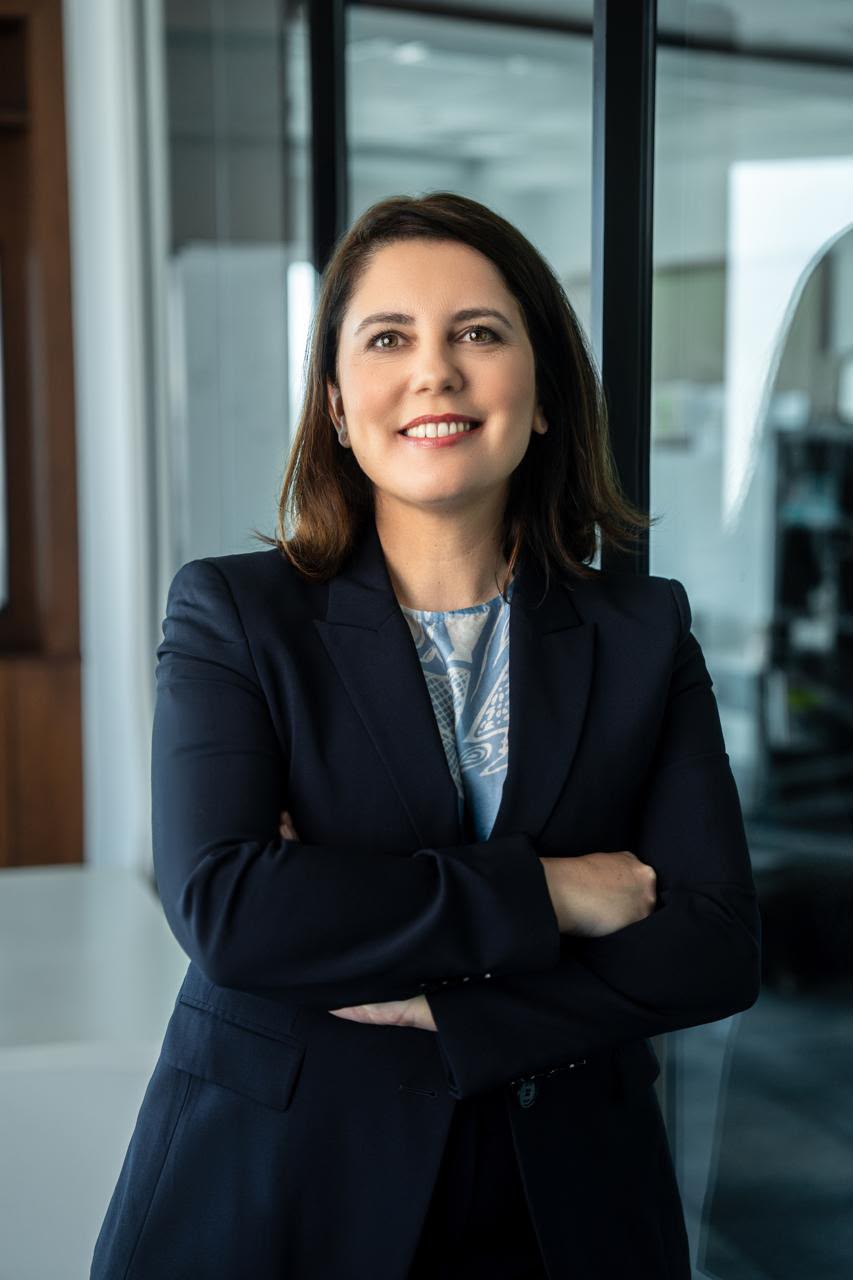
Saudi Minister of Culture Prince Badr bin Abdullah bin Farhan holding talks with India’s Minister of Tourism and Culture Gajendra Singh Shekhawat,X)
TT

Indian Minister to Asharq Al-Awsat: We Expect Steady Growth in Tourism Between New Delhi and Riyadh

Saudi Minister of Culture Prince Badr bin Abdullah bin Farhan holding talks with India’s Minister of Tourism and Culture Gajendra Singh Shekhawat,X)

India’s Minister of Tourism and Culture Gajendra Singh Shekhawat said he was optimistic about the future of tourism ties between his country and Saudi Arabia, saying that many young Saudis choose India as a favored tourist destination, while a good number of Indian tourists traveled to Saudi Arabia last year, expecting further steady growth in this movement over the coming years.

Building on this, he affirmed his country’s commitment to establishing broad practical cooperation with Riyadh, covering key sectors including economy, culture, and tourism. He also highlighted a set of challenges facing the global tourism sector, calling for joint governmental efforts to strengthen its resilience and adopt sustainability principles.

Speaking to Asharq Al-Awsat on the sidelines of the UN Tourism 26th General Assembly in Riyadh, the Indian minister said that global tourism is undergoing a major transformation that requires “stronger collaboration between governments and industry to enhance resilience, embrace sustainability, and ensure benefits are shared widely.” He looked forward to launching future joint production projects and initiatives with Saudi Arabia.

On this occasion, he congratulated Saudi Arabia for their successful hosting of the Assembly this year, noting that he had seized the opportunity to interact with his counterpart Ministers in Tourism and Culture during the visit, and to visit some prominent historical and cultural sites in the Kingdom.

Challenges Facing the Sector

The Indian minister acknowledged that the global tourism sector is going under a period of adjustment and facing multiple interconnected challenges, while international travel has rebounded post-pandemic, with many destinations still suffering from staff shortages, limited air connectivity, and uneven business recovery.

He added that climate change continues to pressure the sector to adopt sustainable practices, while geopolitical tensions and safety concerns affect traveler confidence. Tourists increasingly seek meaningful, tech-driven, and eco-conscious experiences, prompting destinations to rethink their travel offerings. Popular destinations face over-tourism, whereas emerging ones often lack the infrastructure for responsible growth. Persistent issues also include skills shortages, slow digital adoption among smaller operators, and the need for more inclusive and accessible tourism.

Tourism’s Economic Contribution

Regarding the size and economic contribution of tourism in India, and the steps taken by the Indian government to attract more foreign tourists, Shekhawat said that India is a prominent tourist destination and has shown consistent growth over the last few years.

He added that tourism contributes about 5% of the total GDP and supports close to 80 million direct and indirect jobs, serving as a principal source of foreign exchange earnings.

Shekhawat noted that his government has launched comprehensive reforms and focused investments to grow the tourism sector, including visa reforms, destination development, emphasis on healthcare and wellness tourism, and international partnerships.

He confirmed that India has opened the e-visa process where Saudi nationals can apply online and receive tourism visa within 72 hours.

India–Saudi Cooperation

Shekhawat emphasized that India and Saudi Arabia share deep-rooted cultural and historical ties based on centuries of exchange, trade, and people-to-people connections, stressing that cultural and tourism cooperation remain key pillars of our strategic partnership.

He said: “To further strengthen this bond, a Ministerial Committee on Tourism and Cultural Cooperation was established under the India–Saudi Arabia Strategic Partnership Council during the State Visit of Hon’ble Prime Minister of India to the Kingdom in April 2025.”

The Minister added: “During my current visit, I had a fruitful meeting with Saudi Minister of Culture, HH Prince Badr bin Abdullah bin Farhan Al-Saud and we also signed an MoU on Cultural Cooperation between our two countries. We discussed ways to enhance our cultural ties, promote exchanges between our cultural institutions, and intensify participation in each other’s cultural events and festival.”

Shekhawat concluded: “Many young Saudis choose India as a favored tourist destination, and a good number of Indian tourists traveled to Saudi Arabia last year. We expect these numbers to grow steadily over the coming years.”


Saudi Industrial Production Index Increases by 9.3% in September

GASTAT said Saudi Arabia’s Industrial Production Index for September 2025 rose by 9.3%. SPA
TT

Saudi Industrial Production Index Increases by 9.3% in September

GASTAT said Saudi Arabia’s Industrial Production Index for September 2025 rose by 9.3%. SPA

The General Authority for Statistics (GASTAT) announced on Monday that Saudi Arabia’s Industrial Production Index for September 2025 rose by 9.3% compared to the same month last year.

Compared to September 2024, the sub-indices for mining and quarrying and for manufacturing activities rose by 11.0% and 6.3%, respectively.

The sub-index for electricity, gas, steam, and air conditioning supply increased by 12.6%, while the sub-index for water supply, sewerage, waste management, and remediation activities grew by 9.2%.

The oil activities index increased by 10.1%, while the non-oil activities index rose by 7.3% compared to September 2024.


Riyadh, Ottawa Launch Foreign Investment Agreement and Reactivate Joint Commission

The Saudi Minister of Investment meets with the Canadian Minister of Trade. Asharq A-Awsat
TT

Riyadh, Ottawa Launch Foreign Investment Agreement and Reactivate Joint Commission

The Saudi Minister of Investment meets with the Canadian Minister of Trade. Asharq A-Awsat

Saudi Arabia and Canada have launched negotiations on a Foreign Investment and Protection Agreement in the Canadian capital, Ottawa, a move reflecting the shared commitment to strengthening bilateral economic relations.

The talks coincided with a visit by a high-level Saudi delegation led by the Minister of Investment, Eng. Khalid Al-Falih, during which both sides announced the reactivation of the Joint Economic Commission.

These developments are gaining significant momentum, supported by Canada’s endorsement of Saudi Vision 2030 and the two countries’ willingness to expand their economic partnership across vital and non-oil sectors.

The Canadian Ambassador to Saudi Arabia, Jean-Philippe Linteau, told Asharq Al-Awsat that Canada was thrilled to welcome Al-Falih.

“His meetings with Prime Minister Mark Carney, Minister of Trade Maninder Sidhu and Foreign Minister Anita Anand, as well as with senior Canadian business leaders, were a clear illustration of Canada’s desire to grow the economic partnership between Saudi Arabia and Canada,” said Linteau.

The diplomat added that “there is growing momentum because of Canada’s support for the Kingdom’s Vision 2030 goals and the visit helped advance key engagement on trade and investment as well as partnerships in sectors such as education, mining, AI and infrastructure.”

In 2024, Saudi Arabia was Canada’s largest merchandise trading partner in the Middle East. Two-way merchandise trade between the two countries in 2024 was valued at approximately $4.1 billion.

Over 150 Canadian companies are active in Saudi Arabia, offering competitive solutions in artificial intelligence and frontier technology, healthcare, infrastructure, mining, defense products, and creative industries.

During their meeting in Ottawa, Sidhu and Al-Falih announced the launch of negotiations for a Foreign Investment and Protection Agreement between Canada and Saudi Arabia. They also announced the reactivation of the Joint Economic Commission, a treaty-based mechanism to promote trade and economic initiatives of mutual benefit.

Sidhu and Al-Falih welcomed the October 23 signing of a memorandum of understanding between Export Development Canada and the Saudi EXIM Bank.

The increased partnership between Canada and Saudi Arabia will boost business opportunities, increase bilateral trade and unlock export opportunities and investments in Canadian and Saudi Arabian companies alike.

The two ministers also discussed future strategic sector partnerships between Canadian and Saudi Arabian companies, including in the areas of artificial intelligence and frontier technologies, healthcare, infrastructure, mining, defense, and creative industries.

They also met with business leaders and industry stakeholders, participated in a business round table with Invest in Canada and focused on deepening Canada-Saudi relations by highlighting commercial success stories between Canadian and Saudi companies.

“Saudi Arabia is an important market for Canada as our largest bilateral merchandise trading partner in the Middle East. We’re committed to advancing economic cooperation and mutually beneficial investment opportunities to foster greater commercial prosperity for Canadians and Saudis,” Sidhu said in a statement.

“I look forward to strengthening the relationship between our two countries and promoting continued cooperation for our businesses, industries and workers,” he added.