Saudi-US Partnership Makes the Kingdom a Global AI Leaderhttps://english.aawsat.com/business/5210429-saudi-us-partnership-makes-kingdom-global-ai-leader
Saudi-US Partnership Makes the Kingdom a Global AI Leader
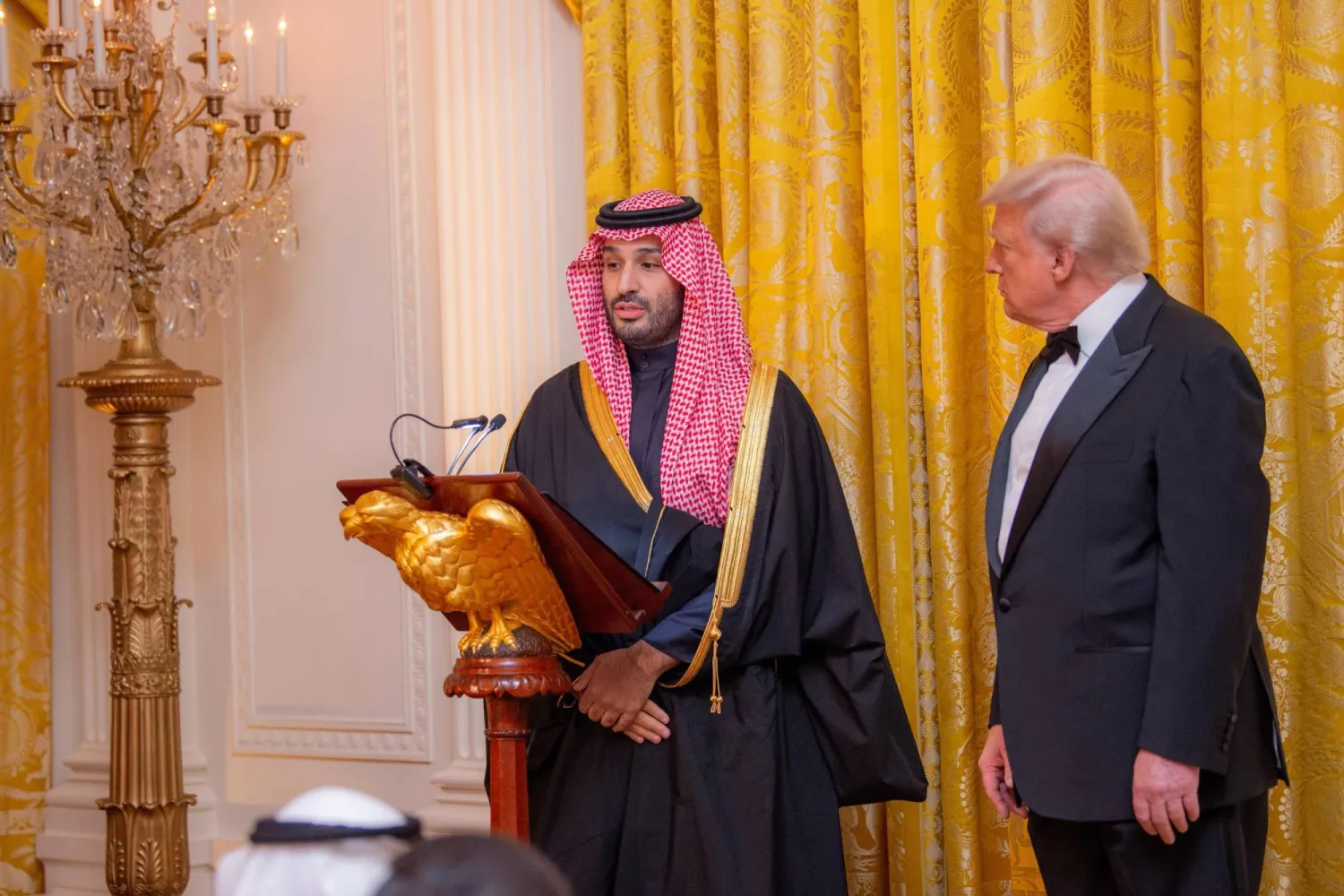
18 November 2025, US, Washington: Saudi Arabia's Crown Prince, Mohammed bin Salman attends a dinner at the White House with US President Donald Trump. Photo: -/Saudi Press Agency/dpa
Saudi-US Partnership Makes the Kingdom a Global AI Leader
18 November 2025, US, Washington: Saudi Arabia's Crown Prince, Mohammed bin Salman attends a dinner at the White House with US President Donald Trump. Photo: -/Saudi Press Agency/dpa
Saudi Arabia and the United States have signed an artificial intelligence strategic partnership during Saudi Crown Prince Mohammed bin Salman’s visit to Washington.
“Signing the US-Saudi AI Strategic Partnership builds on our 92 years of partnership, and aims to drive the intelligence age and make the Kingdom a global AI leader,” Saudi Minister of Communications and Information Technology Eng. Abdullah Alswaha said on X on Tuesday.
“We welcome US investors and partners under the leadership of the Crown Prince and the US President,” he added.
Key pillars
The key pillars of the partnership include enabling and providing advanced Graphics Processing Units (GPUs) within the Kingdom, building and developing AI infrastructure and data centers across Saudi Arabia, and expanding joint research and development in AI and facilitating knowledge transfer.
The partnership is built on the Kingdom’s competitive advantage, including its leadership in the energy sector, strategic geographic location, abundant land suitable for building hyperscale data centers and the largest cluster of digital talent in the region.
US-Saudi Arabia investment forum
Tesla CEO Elon Musk and Nvidia CEO Jensen Huang will take part in a discussion on advances in artificial intelligence and technology at a US-Saudi Arabia investment forum in Washington on Wednesday, according to a document seen by Reuters.
"This conversation will explore the emerging forces shaping the next wave of technological progress, highlighting the architectures, models, and investments powering a more intelligent and interconnected future," the document said.
The event is planned for the day after the Saudi Crown Prince met with US President Donald Trump at the White House.
The discussion will be moderated by Alswaha.
Both Musk and Huang attended a dinner Trump held for the Crown Prince.
Also taking part in the event are the CEOs from Chevron, Palantir, Aramco, Qualcomm, Cisco, Adobe, General Dynamics and Pfizer, according to the agenda.
GE Vernova Targets Annual Gas Turbine Production Capacity of 30 GW by 2030https://english.aawsat.com/business/5330742-ge-vernova-targets-annual-gas-turbine-production-capacity-30-gw-2030
GE Vernova Targets Annual Gas Turbine Production Capacity of 30 GW by 2030
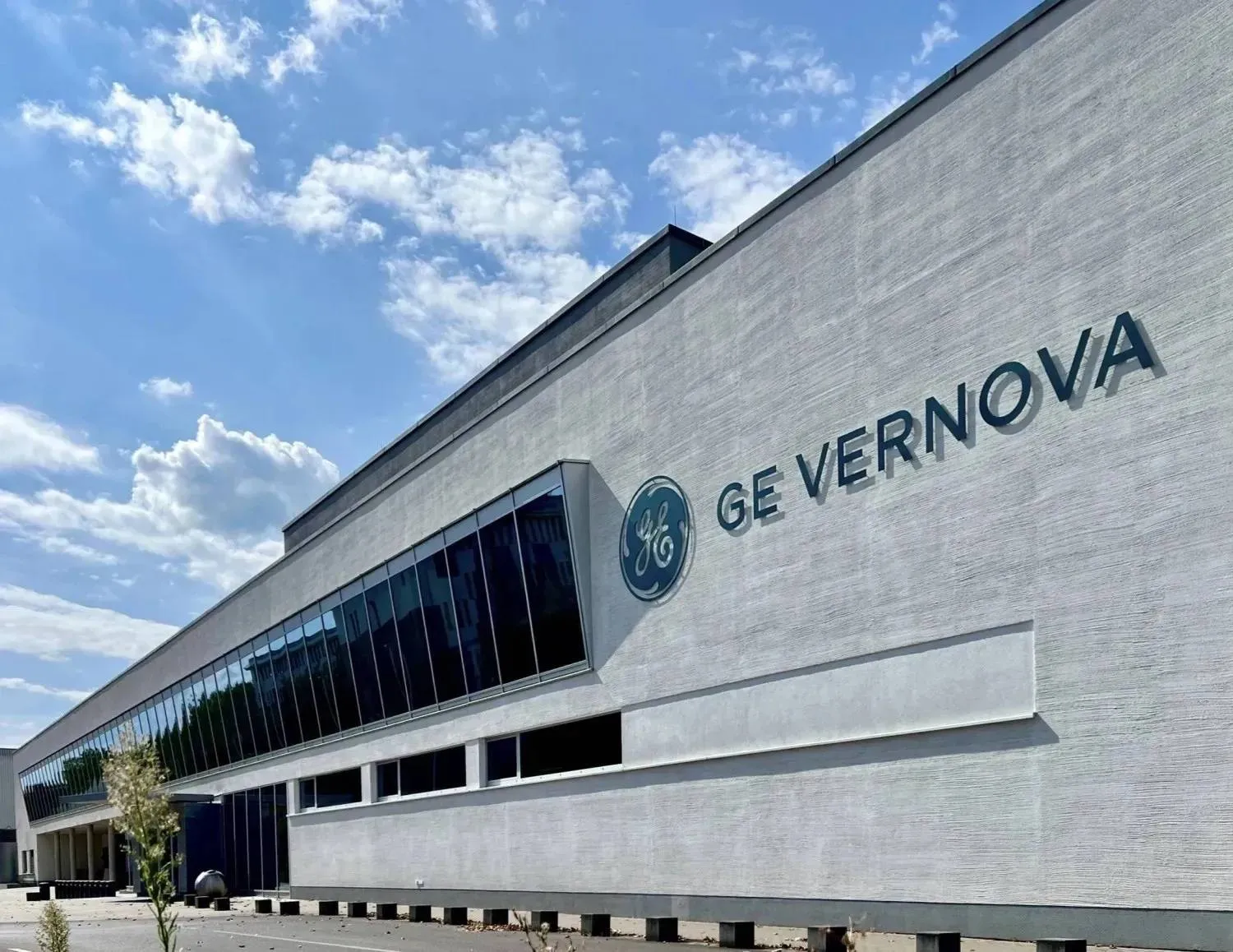
The GE Vernova headquarters. (Asharq Al-Awsat)
Global electricity demand is rising as artificial intelligence applications and data centers expand and industrial activity grows, increasing the need for additional power generation capacity and more efficient, reliable electricity transmission and distribution networks.
To meet this demand, GE Vernova plans to invest about $11 billion in manufacturing and research and development through 2028, as part of a plan to increase its annual gas turbine production capacity to 30 gigawatts by 2030.
Hisham Al-Bahkali, President of GE Vernova Saudi Arabia, told Asharq Al-Awsat that accelerating electricity demand, driven by AI, data centers and industrial expansion, underscores the importance of securing additional energy sources to ensure supply security.
GE Vernova is a global US company specializing in energy technology, power generation and grid solutions, operating in approximately 100 countries worldwide.
The company has maintained a presence in Saudi Arabia for more than 90 years, with manufacturing, maintenance and research and development operations through its GE Manufacturing and Technology Center (GEMTEC) in Dammam and a grid solutions facility in Al-Khobar. Its exports from the Kingdom reach more than 40 countries worldwide.
Al-Bahkali said it was "unrealistic to talk about completely abandoning conventional fuels in favor of clean energy," adding that the practical solution lies in combining conventional and renewable energy sources while leveraging modern technologies to increase electricity generation and reduce emissions.
Natural gas helps meet rising demand
Al-Bahkali said the digital revolution had not diminished the importance of natural gas but instead reinforced its necessity, as data centers and large industrial facilities require continuous, reliable electricity around the clock, even as solar and wind energy projects expand.
He said modern gas-fired power plants were no longer limited to providing baseload electricity but had become an essential component in balancing power systems, allowing countries to expand renewable energy projects while ensuring stable electricity supplies to support economic and industrial growth and digital development.
Meeting the energy sector's needs requires a diversified mix of natural gas, renewable energy and nuclear power, alongside grid development, rather than relying on a single solution, he added.
Regarding data centers, Al-Bahkali explained that GE Vernova's role goes beyond supplying equipment to helping develop their infrastructure through heavy-duty gas turbines that provide stable baseload power and electrification solutions, including transformers, switchgear and software used to manage power transmission.
He said the company uses AI-powered diagnostic solutions and digital integration to help operators extend the operational life of assets, improve efficiency and prepare equipment for the future use of hydrogen blends.
Grid equipment shortages pose biggest obstacle to project expansion
Al-Bahkali said the energy sector should be viewed as an integrated, interconnected system because adding new power generation capacity would be of little value if electricity could not be transmitted and distributed to consumers efficiently and reliably.
"The pace of power plant construction and transmission and distribution grid upgrades is slower than the sharp increase in electricity consumption," he went on to say.
Developers face delays in connecting projects to the grid, mounting connection backlogs and aging networks in need of modernization, he added. These challenges are particularly evident in data center and AI projects, which cannot begin operating without a guaranteed power supply.
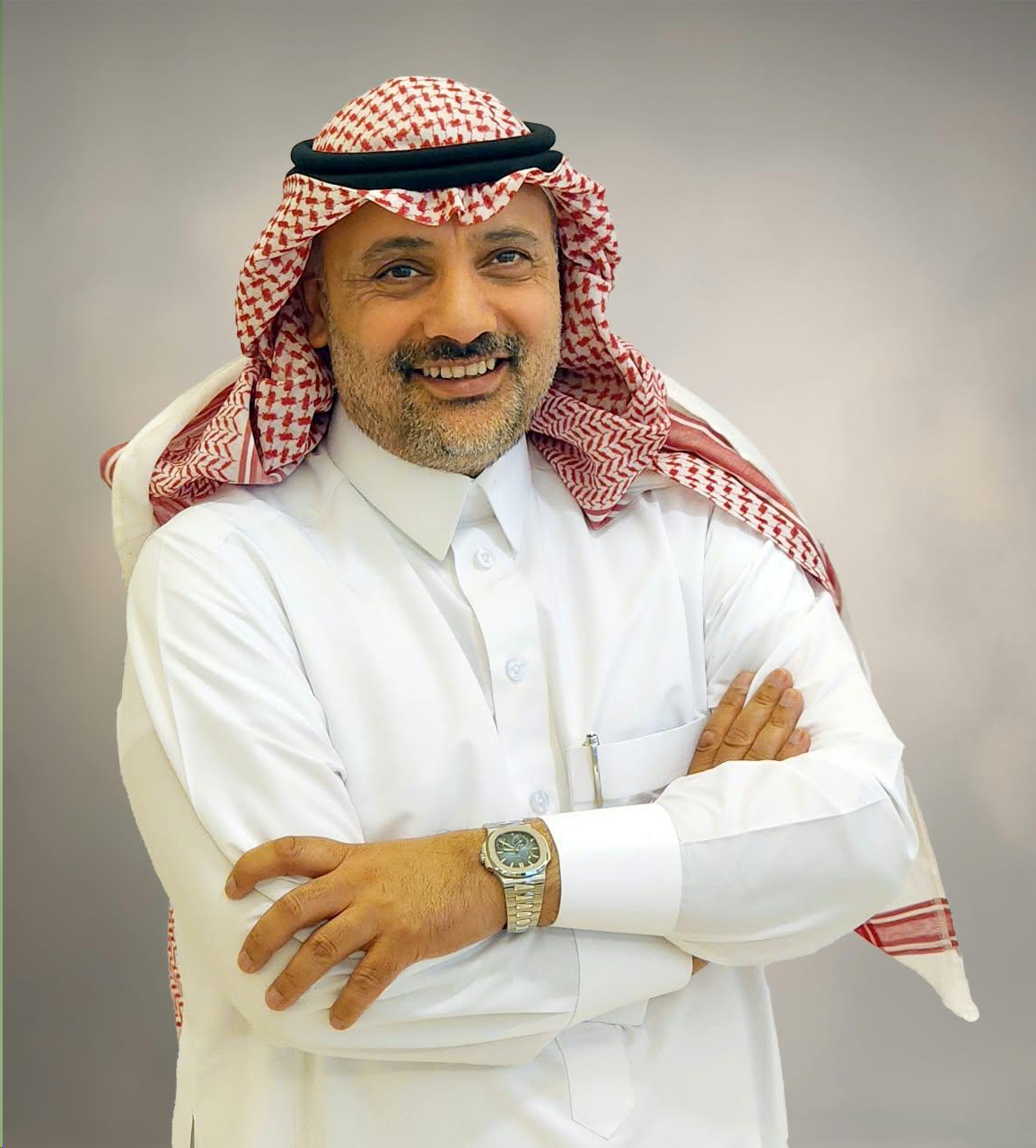
Hisham Al-Bahkali, President of GE Vernova Saudi Arabia. (Asharq Al-Awsat)
"Shortages of essential grid equipment, such as transformers and electricity transmission and distribution equipment, have become the biggest obstacle to project expansion," he stressed.
To address the problem, Al-Bahkali called for a two-track approach: accelerating the construction of new power lines while using digital software and smart systems to maximize the capacity of existing networks, making them more intelligent, flexible and efficient.
Saudi Arabia balances natural gas and renewable energy
Turning to the Saudi market, Al-Bahkali said the Kingdom was leading an energy sector transformation program under Vision 2030, alongside efforts to diversify and digitalize its economy, generating additional electricity demand while continuing to pursue carbon emissions reduction targets.
He said Saudi Arabia aims to achieve a power generation mix of 50% renewable energy and 50% natural gas by 2030.
Al-Bahkali expects greater integration between large-scale renewable energy projects, highly flexible gas-fired power plants, grid modernization projects and advanced energy management solutions.
He said GE Vernova was proud of its presence in the Kingdom for more than 90 years and continued to support efforts to modernize power plants, improve grid flexibility and expand local industrial capabilities.
The company's initiatives with Saudi partners include high-efficiency gas technologies, grid stability solutions and localization efforts aligned with Saudi Vision 2030 objectives.
Company expands annual turbine manufacturing capacity
On supply chains, Al-Bahkali said rising electricity demand, together with grid modernization and energy transition projects, had increased pressure on manufacturers and suppliers worldwide.
Delays in delivering essential equipment, including gas turbines, transformers and control systems, have become among the most significant challenges facing power companies, affecting project implementation schedules.
Addressing these challenges requires expanding manufacturing capacity, strengthening supplier partnerships and planning projects earlier, he said, noting that building new factories and increasing production capacity take time and require close cooperation among technology companies, governments and customers.
Against this backdrop, GE Vernova has allocated approximately $11 billion for capital expenditure and research and development through 2028 to expand its manufacturing capabilities and accelerate innovation.
The company is working to increase its annual gas turbine manufacturing capacity to 20 gigawatts, followed by 24 gigawatts by 2028 and 30 gigawatts by 2030, responding to growing demand for dispatchable power sources, driven largely by AI data centers and utilities.
Al-Bahkali said GE Vernova was increasing production at its existing facilities by applying lean manufacturing methods, gradually investing in equipment and expanding the use of automation and robotics, rather than building entirely new factories.
He also stressed the importance of localizing manufacturing, developing national talent and establishing domestic supply chains to strengthen resilience and create economic value.
Manufacturing and maintenance capabilities in Saudi Arabia
Al-Bahkali said GE Vernova has manufacturing, maintenance and research and development capabilities in Saudi Arabia, including its GE Manufacturing and Technology Center (GEMTEC) and an integration facility in Al-Khobar, both in the Eastern Region.
GEMTEC houses one of the company's largest gas turbine maintenance centers worldwide, alongside the GE Saudi Advanced Turbines (GESAT) facility, which specializes in manufacturing heavy-duty gas turbines, their auxiliary units and components.
The complex also includes a regional decarbonization center of excellence for the Middle East and North Africa, designed to help develop low-carbon solutions for the Kingdom's energy system.
According to Al-Bahkali, the complex's services have reached more than 40 countries worldwide.
The Al-Khobar facility provides power plant control and grid management technologies, helping ensure reliable integration of the Kingdom's grid infrastructure while supporting the modernization and expansion of its energy system.
Al-Bahkali said this local presence helps transform customer relationships from commercial transactions into long-term strategic partnerships, reducing delays, improving project planning visibility and accelerating implementation.
Vietnam Signs Free Trade Deal with Four European Countrieshttps://english.aawsat.com/business/5330716-vietnam-signs-free-trade-deal-four-european-countries
Vietnam's President To Lam (C), Liechtenstein's Prime Minister Brigitte Haas (3rd L) and Switzerland's President Guy Parmelin (3rd R) pose with delegates during the signing ceremony for the Vietnam-EFTA Free Trade Agreement (VEFTA) in Hanoi on October 18, 2026. (Photo by Nhac NGUYEN / AFP)
Vietnam Signs Free Trade Deal with Four European Countries
Vietnam's President To Lam (C), Liechtenstein's Prime Minister Brigitte Haas (3rd L) and Switzerland's President Guy Parmelin (3rd R) pose with delegates during the signing ceremony for the Vietnam-EFTA Free Trade Agreement (VEFTA) in Hanoi on October 18, 2026. (Photo by Nhac NGUYEN / AFP)
Vietnam and four European nations outside the EU signed a free trade agreement in Hanoi on Sunday, seeking to diversify their markets as US tariffs disrupt global commerce.
The deal, between Southeast Asia's fastest-growing economy and the European Free Trade Association (EFTA), which includes Iceland, Liechtenstein, Norway and Switzerland, eliminates or reduces customs duties, including on imports of industrial, fish and agricultural products.
The deal was signed in the capital in the presence of Vietnam's top leader To Lam and representatives of EFTA governments.
Vietnam said the agreement showed the parties' resolve to "reinforce the rules-based trading system amid continued volatility in the global economy", according to a government statement.
It was also expected to help Vietnam "diversify its import and export markets" and "integrate more deeply into global value chains", the government said.
Vietnam and EFTA concluded negotiations in July, more than a decade after the free trade talks officially began in 2012.
The parties relaunched negotiations in September last year, after they had stalled since 2018.
The agreement followed a global trade-disrupting tariff blitz by the United States under President Donald Trump which has left Vietnam with a hefty tax on its US exports amid ongoing negotiations with Washington.
Experts say the new deal reflected a shared initiative to diversify commercial ties and reduce reliance on major trading partners.
"As the US increasingly exerts trade pressure on European countries, the agreement is a joint effort to turn economic integration into greater strategic autonomy and to develop alternative commercial relationships rather than relying exclusively on their largest partners," history and politics scholar Do Dinh Lam Khang told AFP.
For Vietnam, closer ties with EFTA economies could support its ambition to move into higher-value-added activities, Khang added.
The agreement covers trade in goods and services, intellectual property rights, trade remedies and sustainable development, among other areas, both parties say.
Bilateral trade between the EFTA and Vietnam last year was valued at 4.8 billion euros ($5.4 billion), according to the association.
Electrical and mechanical machinery, fish and pharmaceutical products were the EFTA nations' top exports to Vietnam last year.
Machinery, footwear and apparel were manufacturing hub Vietnam's major exports to the EFTA.
The association was created as a counterpart to the European Economic Community, precursor of the European Union which its four member states are close to but have not joined.
Lagarde: Sustainable Finances Key for Economic Stabilityhttps://english.aawsat.com/business/5330710-lagarde-sustainable-finances-key-economic-stability
European Central Bank President Christine Lagarde speaks during a press conference following the ECB Governing Council meeting at the guest house of the Deutsche Bundesbank in Berlin, Germany, September 10, 2026. REUTERS/Annegret Hilse/File Photo
Lagarde: Sustainable Finances Key for Economic Stability
European Central Bank President Christine Lagarde speaks during a press conference following the ECB Governing Council meeting at the guest house of the Deutsche Bundesbank in Berlin, Germany, September 10, 2026. REUTERS/Annegret Hilse/File Photo
European Central Bank (ECB) president Christine Lagarde stressed on Saturday the importance of sound public finances when she addressed ministers in charge of budgets from around the world in Thailand.
In her statement to the International Monetary and Financial Committee that comprises global finance ministers and central bankers, she said fiscal sustainability remains a “crucial anchor” for broader economic stability, according to Bloomberg.
“It is important to maintain sound fiscal policies, including by adhering to fiscal rules, and, where debt is high, to consolidate, re-prioritize spending and enhance the efficiency and effectiveness of public finances to rebuild buffers,” Lagarde noted.
“Governments should strive to ensure that any fiscal response to the energy shock is temporary, targeted and tailored,” she added.
Her remarks come after a week of intense debate in the Thai capital, where the International Monetary Fund (IMF) held its annual meetings.
Discussions focused on the risks hanging over the global economy as it faces rising debt levels, an artificial intelligence revolution and increasingly complicated geopolitics.
“A return to an international economic order grounded in openness, predictability and the rule of law would help trade and investment flourish,” Lagarde said.
Turning to the eurozone, Lagarde reiterated the ECB’s assessment that economic growth faces downside risks, while inflation risks remain tilted upward.
“The energy shock is too large to ‘look through’ but a measured response remains appropriate to keep inflation in check,” she said.
ECB raised interest rates twice – in June and September – and is widely expected to deliver another hike at the end of the year.
Lagarde also said that more than 30 central banks have expressed interest in the Eurosystem’s enhanced repo facility, which aims to support the smooth transmission of monetary policy and reinforces the international role of the euro.
لم تشترك بعد
انشئ حساباً خاصاً بك لتحصل على أخبار مخصصة لك ولتتمتع بخاصية حفظ المقالات وتتلقى نشراتنا البريدية المتنوعة