


France Pushes for Deeper Economic Partnership with Saudi Arabia

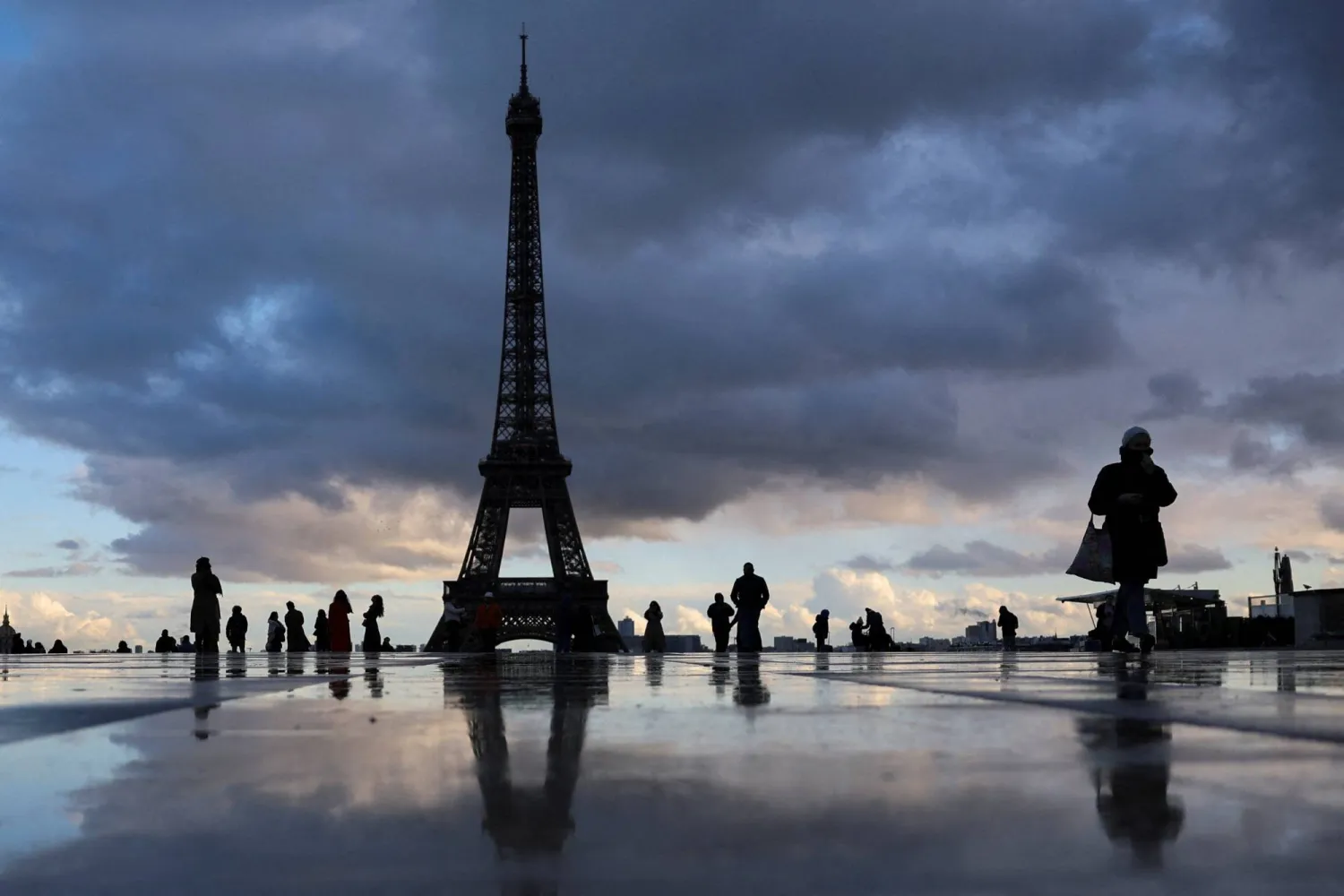
Tourists walk around Trocadero Square near the Eiffel Tower on a cold day in Paris, France, November 19, 2025. REUTERS/Sarah Meyssonnier
TT

France Pushes for Deeper Economic Partnership with Saudi Arabia

Tourists walk around Trocadero Square near the Eiffel Tower on a cold day in Paris, France, November 19, 2025. REUTERS/Sarah Meyssonnier

A full agenda awaits Nicolas Forissier, France’s minister delegate for foreign trade, during his three-day visit to Saudi Arabia on November 21, a trip that comes as Paris seeks to deepen its economic and commercial ties with Riyadh.

According to the program circulated by the French Foreign Ministry, Forissier is scheduled to meet the Saudi minister of transport and logistics services and the minister of energy, industry and mineral resources on Saturday and Sunday.

He will also take part in the Saudi French Business Forum, hold talks with French economic advisers in Riyadh, and meet the director general of the Riyadh Expo 2030 authority.

His program includes meetings with Saudi business leaders, the director general of Kingdom Holding Company, and the Saudi chair of the business forum.

In a symbolic gesture, Forissier will visit the Qiddiya tourism and entertainment project, the King Fahd Metro station, and its control and monitoring center.

During the Business Forum, a number of contracts between the Saudi and French sides will be signed.

A statement from the French Foreign Ministry said the visit reflects Paris’s desire to strengthen the bilateral economic partnership and support French companies involved in the major transformation projects under Saudi Arabia’s Vision 2030.

The ministry said the trip would highlight French expertise in key sectors that include infrastructure, transport, energy, industry and services.

Paris views the visit as a new stage in strengthening France’s presence in Saudi Arabia and supporting the kingdom’s efforts to diversify its economy. It said Forissier’s meetings with Saudi government officials will be dedicated to discussing joint projects under preparation in those main sectors.

Paris also considers the Riyadh Business Forum, which Forissier will help open, an opportunity to showcase French capabilities and offerings in major events, particularly Expo 2030 and the 2034 World Cup.

French diplomatic sources said the trip is Forissier’s first to Saudi Arabia since he assumed his post and that it carries political, economic and strategic dimensions.

They said its purpose is to bolster bilateral relations, reinforce French participation in Saudi mega-projects, and position France as a principal partner in the major international events Riyadh will host in the coming years.

Paris sees the minister’s visit as an extension of the momentum created by President Emmanuel Macron’s 2024 visit to Saudi Arabia, which saw the announcement of around 10 billion euros in contracts and commercial commitments, along with the signing of a treaty establishing a partnership council to guide long-term French Saudi cooperation.

According to the diplomatic sources, the visit comes at a pivotal moment as the Kingdom advances an unprecedented economic transformation under Vision 2030, covering energy, transport, infrastructure, tourism, technology, entertainment and smart cities.

Paris wants to underline that its companies active in these sectors are already significant players.

It cites examples that include Alstom, which built six lines of the Riyadh Metro and is preparing to bid for a seventh, the Paris transport authority RATP, which helps operate the network, and Bouygues Construction, which is implementing the Qiddiya project. France also points to Accor’s role in developing AlUla.

According to the sources, Paris values the high level of trust Saudi authorities place in its companies and their role in delivering upcoming major events.

Official figures show that trade between Saudi Arabia and France reached 7.6 billion euros last year, while France ranked third among major investors with direct investment in the Saudi economy amounting to 17.4 billion dollars in 2023.


Business-Friendly Climate Draws 123,000 New Commercial Registrations in Saudi Arabia

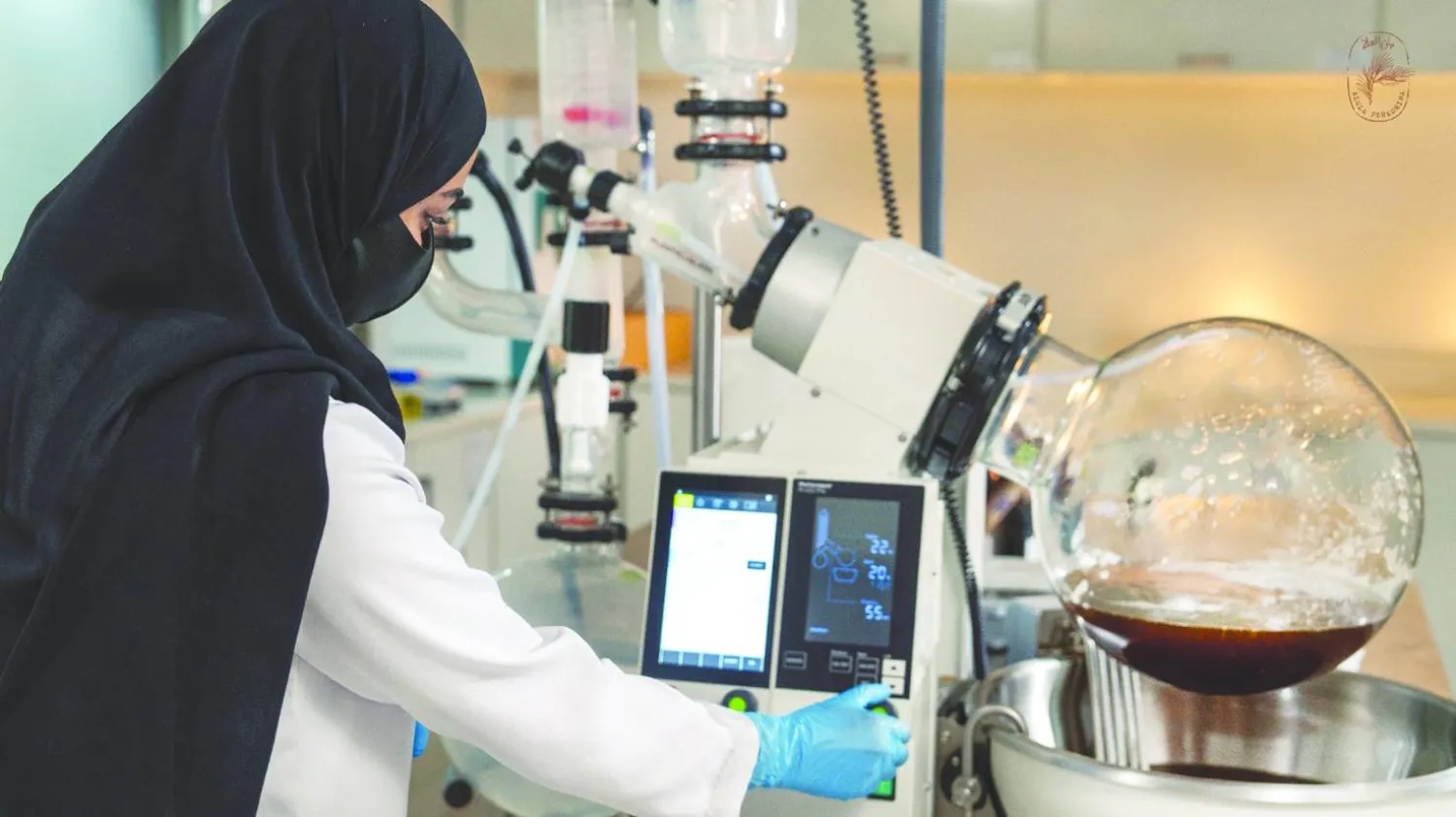
 Employees at the Saudi Business Center (SPA). 
 Employees at the Saudi Business Center (SPA). 
TT

Business-Friendly Climate Draws 123,000 New Commercial Registrations in Saudi Arabia

 Employees at the Saudi Business Center (SPA). 
 Employees at the Saudi Business Center (SPA). 

Saudi Arabia’s business environment attracted 123,000 new commercial registrations in the fourth quarter of 2025, pushing the total number of active registrations past 1.8 million by year-end. Foreign investment in the healthcare sector surged by nearly 560 percent over the past three years, highlighting strong international confidence in the Saudi market.

According to a recent report by the Ministry of Commerce, reviewed by Asharq Al-Awsat, the number of active sole proprietorship registrations reached 1.26 million by the end of 2025, reflecting 20 percent growth over the past five years.

Active limited liability companies (LLCs) totaled 571,000, with a sharp 183 percent increase over five years. Meanwhile, the number of joint-stock companies grew 50 percent over the same period to 4,733 active registrations.

Regional and Sectoral Performance

Riyadh led the Kingdom in new commercial registrations during the final quarter of 2025 with 45,600 records, followed by the Eastern Province with more than 20,000, and Makkah Region with 19,200.

The construction sector topped all industries, with more than 66,000 registrations issued during the quarter. It was followed by wholesale and retail trade with 24,900, and manufacturing industries with 23,700, while the remainder was spread across other activities.

The report also highlighted a strong rise in e-commerce sales conducted via Mada cards in October, which hit a record SAR 30.7 billion ($8.1 billion) - a 68 percent year-on-year increase, up SAR 12.4 billion ($3.3 billion) from October 2024, according to data from the Saudi Central Bank (SAMA).

Healthcare Sector Momentum

The Ministry of Commerce said Saudi Arabia continues to roll out development projects aimed at improving healthcare quality and capacity by strengthening national talent, adopting innovative digital solutions, and upgrading medical facilities.

The Kingdom ranks first regionally in healthcare investment, with agreements signed at the recent Global Health Exhibition in Riyadh valued at about SAR 133 billion ($35.4 billion). Foreign investment in the sector has expanded by more than 560 percent in three years, with healthcare contributing 5 percent of GDP.

Healthcare-related activities saw strong growth in the fourth quarter, including medical laboratories (+33%), pharmaceutical manufacturing (+31%), physiotherapy centers (+31%), and telemedicine and remote care services (+30%).

E-Commerce and High-Growth Sectors

Active e-commerce registrations rose 9 percent year-on-year to 43,800 by the end of the fourth quarter, up from 40,000 in the same period of 2024. Strengthening the e-commerce ecosystem is a key objective of the National Transformation Program, with Saudi Arabia ranked among the world’s top 10 fastest-growing e-commerce markets.

Promising sectors highlighted by the report include artificial intelligence, gaming, cybersecurity, health software, and electric vehicle charging stations. AI-related registrations grew 34 percent to more than 19,000, while gaming rose 27 percent to 841 registrations. UI/UX design activities climbed 28 percent to 18,900.

Cybersecurity registrations increased 27 percent to 9,700, while health and medical software surged 85 percent to 4,300. Power generation and distribution activities grew 27 percent, and EV charging station operations expanded 26 percent to 4,300 registrations.

Investment Deals and Forums

The report cited the success of the Biban Forum, recently held in Riyadh, which generated agreements and launches exceeding SAR 38 billion ($10.1 billion). Investment deals worth SAR 22.2 million ($5.9 million) benefited 55 startups, with participation from 1,021 companies across 66 countries.

It also highlighted the Northern Borders Forum, which offered more than 240 investment opportunities valued at SAR 40 billion ($10.6 billion) across sectors including livestock, food, mining and energy, tourism, environment, and logistics.


SABIC Reshapes Global Footprint With $950m Divestment Deals

A SABIC employee (company website) 
TT

SABIC Reshapes Global Footprint With $950m Divestment Deals

A SABIC employee (company website) 

Saudi Basic Industries Corporation (SABIC) has announced a major overhaul of its global portfolio, accelerating its exit from petrochemical and engineering plastics assets in Europe and the Americas through two divestment deals worth a combined $950 million.

The move marks a fundamental shift in the company’s operating model and investment identity. It comes as part of an intensive portfolio-optimization program launched in 2022, aimed at boosting returns on capital, freeing up cash, and refocusing investments on higher-growth markets and more sustainable profit margins.

Following the announcement, SABIC shares came under heavy selling pressure on Thursday, falling to 48.78 riyals — their lowest level since April 2009. The decline reflected investor reaction to deal details that include non-cash losses of about $4.88 billion (18.3 billion riyals), stemming from the fair-value revaluation of divested assets. These charges are expected to weigh on the company’s fourth-quarter 2025 results.

While the market response was cautious, analysts say the accounting hit represents a necessary short-term sacrifice to build a leaner, more competitive company aligned with the new centers of global economic growth in East Asia. The divestments also fit within SABIC’s longer-term strategic shift that began in 2020, when Saudi Aramco acquired a 70% stake in the company from the Public Investment Fund for $69.1 billion in the largest deal in the history of the Saudi stock market.

Focus on Higher-Margin Markets

According to SABIC, the first transaction involves the sale of its European petrochemicals business to investment firm AEQUITA for an enterprise value of $500 million. The second covers the sale of its thermoplastics engineering plastics business in Europe and the Americas to Mutares SE & Co. KGaA for $450 million, with potential additional payments linked to future free cash flow over the next four years or a subsequent resale of the business.

SABIC said the transactions represent a key step in reshaping its portfolio, sharpening its focus on higher-margin markets and products with strong competitive advantages, while redeploying capital into opportunities that deliver stronger returns and improved free cash flow. The company stressed that the divestments will not detract from its commitment to technology and innovation or its ability to serve customers worldwide.

Short-Term Pain, Long-Term Gain

SABIC chairman Khalid Al-Dabbagh described the deals as a “transformational step” in the company’s strategy to maximize shareholder value by strengthening cash generation.

Chief executive Abdulrahman Al-Fageeh said the transactions extend the portfolio-optimization program launched in 2022, which included earlier exits from functional forms and the Hadeed and Alba businesses. He said the strategy allows SABIC to reshape its portfolio more effectively and concentrate on areas where it has clear and sustainable competitive advantages in a rapidly changing global environment.

For his part, Chief financial officer Salah Al-Hareky added that the divestments reflect SABIC’s disciplined approach to capital management. Freeing up capital for redeployment into higher-return opportunities, he said, will improve capital efficiency and enhance returns over the medium to long term.

Assets Involved

The European petrochemicals business being sold includes the production and marketing of ethylene, propylene, polyethylene, polypropylene and value-added polymer compounds, with manufacturing sites in the UK, the Netherlands, Germany and Belgium.

The engineering thermoplastics deal covers SABIC assets producing materials such as polycarbonate, polybutylene terephthalate and ABS resins, with manufacturing facilities in the United States, Mexico, Brazil, Spain and the Netherlands. Mutares co-founder and chief executive Robin Laik said the priority after completion will be ensuring business continuity and supporting employees during the transition, while unlocking the full potential of the assets as a standalone platform.

Completion of both transactions remains subject to customary conditions and regulatory approvals, including employee consultations where required. SABIC expects the deals to close in the second half of 2026.

Analysts see the exits from lower-return assets as a catalyst for improved margins and stronger free cash flow, positioning SABIC for a more resilient and profitable phase beyond the near-term pressures on its share price.


Lebanon Signs Gas Exploration Deal with International Consortium Amid Economic Crisis

In this photo released by the Lebanese Government press office, Lebanese Prime Minister Nawaf Salam, right background, attends the signing of an international consortium deal for gas exploration in the cost of southern Lebanon between the Lebanese government and representing officials from the international consortium consisting of France's Total, Italy's ENI, and state-owned oil and gas company Qatar Energy, in Beirut, Lebanon, Friday, Jan. 9, 2026. (Lebanese Government press office via AP)
TT

Lebanon Signs Gas Exploration Deal with International Consortium Amid Economic Crisis

In this photo released by the Lebanese Government press office, Lebanese Prime Minister Nawaf Salam, right background, attends the signing of an international consortium deal for gas exploration in the cost of southern Lebanon between the Lebanese government and representing officials from the international consortium consisting of France's Total, Italy's ENI, and state-owned oil and gas company Qatar Energy, in Beirut, Lebanon, Friday, Jan. 9, 2026. (Lebanese Government press office via AP)

Lebanon ’s government on Friday signed a deal with an international consortium to explore gas in an offshore area bordering Israel. 

The deal for exploration at the so-called Block 8 off the coast of southern Lebanon comes after Lebanon and Israel signed a 2022 agreement over their maritime border. The new deal is the latest to be granted by Lebanon to international companies to search for gas in its territorial waters. 

Cash-strapped Lebanon hopes that future gas discoveries will help the country pull itself out of the worst economic and financial crisis in its modern history. 

The deal was signed at the government’s headquarters in downtown Beirut by Energy Minister Joe Saddi from the Lebanese side and officials from the international consortium consisting of France’s TotalEnergies, Italy’s ENI, and state-owned oil and gas company Qatar Energy. 

TotalEnergies said in a statement that the consortium plans to start with a 1,200-square kilometer (463 square mile) 3D seismic survey to assess the area’s exploration potential. 

In 2017, Lebanon approved licenses for France’s TotalEnergies, Italy’s ENI and Russia’s Novatek to move forward with offshore oil and gas development for two of 10 blocks in the Mediterranean Sea, including one that was at the time in a disputed part with neighboring Israel. 

The companies did not find viable amounts of oil and gas in one of the blocks north of Beirut, and drilling in another in the south was repeatedly postponed because of the maritime border dispute with Israel. Lebanon and Israel later signed a deal over their maritime border in 2022. 

In August 2023, an offshore drilling rig began operations in the Mediterranean Sea off Lebanon’s coast. 

That did not give positive results, but Patrick Pouyanné, Chairman and CEO of TotalEnergies, said in a statement that they will keep trying in other areas. 

“We remain committed to pursue our exploration activities in Lebanon,” said Pouyanné. “We will now focus our efforts on Block 8, together with our partners Eni and QatarEnergy and in close cooperation with Lebanese authorities.” 

On Oct. 8, 2023 Lebanon’s Hezbollah started firing rockets toward Israeli posts along the border to back its Hamas allies a day after the Palestinian group attacked southern Israel. The war lasted 14 months during which Hezbollah was severely weakened. 

In January 2023, Lebanon, ENI, TotalEnergies and state-owned oil and gas company Qatar Energy signed an agreement in which the Qatari firm replaced Novatek. Under the deal, Qatar Energy takes Novatek’s 20% stake in addition to 5% each from ENI and TotalEnergies, leaving the Arab company with a total stake of 30%. TotalEnergies and ENI will each have 35% stakes.