


Saudi Arabia Prepares to Allow Foreign Property Ownership in January

Riyadh, Saudi Arabia (Reuters)
TT

Saudi Arabia Prepares to Allow Foreign Property Ownership in January

Riyadh, Saudi Arabia (Reuters)

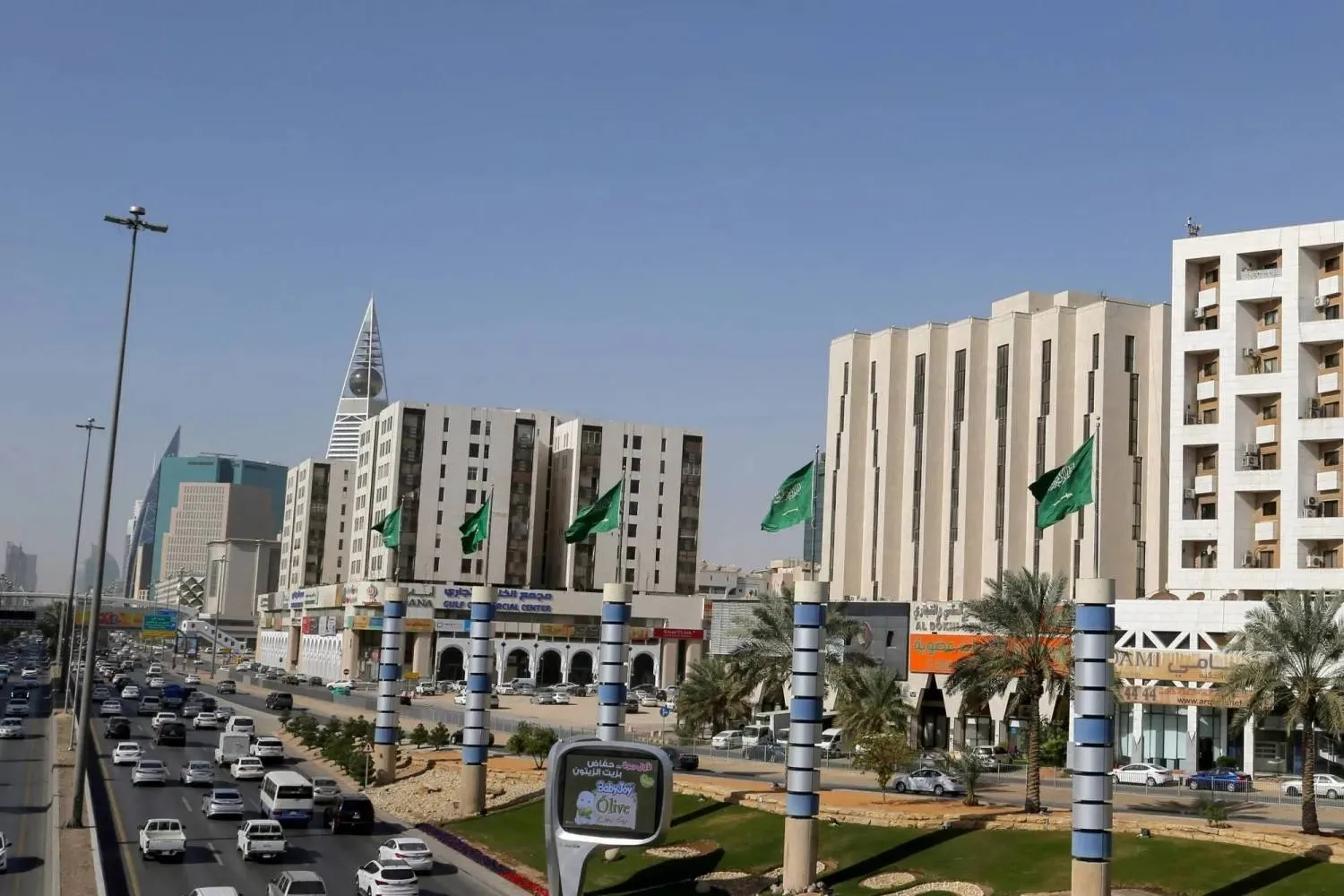
Saudi Arabia is preparing to enter a new phase of economic openness in the real estate sector, with the updated law regulating property ownership by non-Saudis set to take effect in January.

The law, approved by the Saudi cabinet in July, is a strategic step to regulate real estate ownership by non-Saudis, both individuals and entities. Its main objective is to boost the real estate sector’s contribution to gross domestic product and diversify national income sources away from oil, in line with Vision 2030 goals.

The General Authority for Real Estate, the body responsible for implementation, is currently drafting the executive regulations and defining the geographic scope of areas where foreigners will be allowed to own and invest in property. These details are expected to be announced before the law comes into force.

The new legislation also aims to retain global talent by enabling long term residency and improving urban and housing quality.

Scope of ownership

Saudi Minister of Municipalities and Housing Majed Al-Hogail said in a televised interview last week that the system allowing foreigners to own residential property would be implemented next month across all Saudi cities, except for four, Makkah, Madinah, Jeddah and Riyadh.

In those cities, ownership will be permitted in specific designated areas. Resident expatriates will be allowed to own one residential unit.

In contrast, the system offers broader flexibility in other economic sectors, with foreign ownership open across all Saudi cities without exception in the commercial, industrial and agricultural sectors.

Fahd bin Suleiman, executive director of non-Saudi property ownership at the authority, said in November that areas designated for foreign ownership in Riyadh, Jeddah and the holy cities of Makkah and Madinah were still under review and would be announced “very soon” alongside the executive regulations governing the new rules.

He said those areas would be “very wide” and include what are known as mega projects, with foreign ownership ratios expected to range between 70 percent and 90 percent.

Bin Suleiman added that buyers would be required to be Muslim to purchase property in the two holy cities, but would otherwise face limited restrictions.

“In general, there are no major conditions, and we do not want to impose constraints. When comparing the current law with the updated one, the difference will be clear,” he said.

Market expectations

Commenting on the imminent implementation of the updated system, several real estate experts told Asharq Al-Awsat that the law would generate additional demand for ready built housing units and increase liquidity in the property market.

They said it would also encourage international companies to establish headquarters and projects in the Kingdom, supporting economic activity and laying the foundation for a more stable and growing real estate sector.

They expect the positive impact to be most evident in Riyadh, Jeddah, Makkah, Taif and Madinah, as well as cities near tourist destinations, with initial effects emerging in the third and fourth quarters of 2026 and extending into 2027.

Real estate expert and marketer Saqr Al-Zahrani said the system’s implementation would mark a turning point for the Saudi property market by expanding the base of market participants and prompting many expatriates to move from renting to ownership, particularly in permitted cities.

This shift, he said, would create additional demand for ready built units and planned residential communities, boosting sales activity and market liquidity.

Raising property quality

Al-Zahrani added that opening commercial, industrial and agricultural ownership to foreigners across all cities would give international companies stronger incentives to establish operations in Saudi Arabia, supporting economic growth and long term real estate sector stability.

He said one of the first expected changes would be an improvement in property quality, as developers move toward higher specifications and better planning to meet the needs of a broader buyer base.

The market is also likely to see an increase in organized supply, driven by the entry of local and international investors and developers targeting new demand.

The updated system, he said, would support price stability, as ownership by expatriates and foreigners tends to be long term, reducing short term speculation.

It would also enhance transparency and governance through accompanying legal and regulatory controls, while creating wider opportunities for the financing sector to develop tailored products for expatriates and foreigners, boosting lending activity and liquidity.

Al-Zahrani said the announcement of the system’s implementation would trigger immediate inquiries and interest, but the real impact on transaction volumes would emerge gradually, with initial signs expected in the second quarter of 2026, as the first deals are completed.

Clear indicators such as higher trading volumes, faster project delivery and increased foreign investor participation are likely to materialize in the third and fourth quarters, once the market has absorbed the executive regulations and begun to interact with them in a stable manner.

He said the first year of implementation would be a transition period, with the strongest effects becoming evident in the second half of 2026 and beyond.

Varying impact by geography

Real estate expert Ahmed Al Faqih said the system’s impact would vary by location, with the strongest positive effects expected in the Makkah region and its cities, including Jeddah and Taif, as well as Madinah. Riyadh, he said, would also play a prominent role in attracting non-Saudi capital for both ownership and investment.

Al Faqih said capital targeting tourism investment would likely focus on cities near tourist areas, such as Taif, Abha and Jazan, as well as Tabuk due to its proximity to the Neom project.

He expects the first year of implementation to serve as a testing and evaluation phase, with the system’s impact becoming more evident in 2027. He said the law would support key Vision 2030 objectives, including income diversification and reducing reliance on oil, while creating hundreds of thousands of job opportunities for Saudi men and women.

System incentives

The updated law aims to regulate real estate ownership by non-Saudis in line with Vision 2030, attract foreign direct investment into the Saudi property market and increase the sector’s contribution to the economy.

It also seeks to retain global talent by enabling long term settlement, raise the contribution of non-oil sectors, support sustainable economic growth and improve urban living standards.

Under the law, non-Saudis are permitted to own property or acquire rights within geographic areas designated by the cabinet, based on a proposal from the Real Estate General Authority and approval by the Council of Economic and Development Affairs. This includes specifying eligible rights, maximum ownership ratios and related controls.

The law also allows a non-Saudi resident natural person to own one residential property outside the designated geographic scope, excluding Makkah and Madinah. Ownership in those two cities requires the buyer to be Muslim.

Non listed companies partly owned by non-Saudis are permitted to own property within the designated areas, including Makkah and Madinah, provided they are established under Saudi company law. They may also own property outside those areas for operational purposes or employee housing, as defined by the regulations.

Listed companies, investment funds and special purpose entities are allowed to own property across the Kingdom, including Makkah and Madinah, in accordance with rules issued by the Capital Market Authority in coordination with the real estate authority and other relevant bodies.

The law stipulates that its application does not affect rights granted under other systems, such as the Premium Residency Program or Gulf Cooperation Council agreements, and that foreign ownership does not confer any additional privileges beyond legal rights.

It also introduces a fee of up to 5 percent of the property transaction value for non-Saudi ownership, with details to be set out in the executive regulations.

Violations may result in fines or warnings, while providing misleading information can lead to fines of up to 10 million riyals and, in some cases, court ordered sale of the violating property.


Egypt Signs Renewable Energy Deals Worth $1.8 Billion

The Wolf Moon, the first supermoon of 2026, lights up the night sky in Cairo, Egypt, January 3, 2026. REUTERS/Mohamed Abd El Ghany
TT

Egypt Signs Renewable Energy Deals Worth $1.8 Billion

The Wolf Moon, the first supermoon of 2026, lights up the night sky in Cairo, Egypt, January 3, 2026. REUTERS/Mohamed Abd El Ghany

Egypt has signed renewable energy deals worth a combined $1.8 billion, state TV reported on Sunday.

Among the deals were contracts with Norwegian renewable energy developer Scatec and China's Sungrow.

Egypt hopes to have renewable energy reach 42% of its electricity generation mix by 2030, but officials say the goal will be ⁠at risk without more international support.

The first project will be the construction by Scatec of a solar energy plant to generate electricity and energy storage stations in Upper Egypt's Minya, ⁠an Egyptian cabinet statement said.

It would have a generation capacity of 1.7 gigawatts supported by battery storage systems with total capacity of 4 gigawatt hours.

A second project will be a Sungrow factory to manufacture energy storage batteries at the Suez Canal Economic Zone. A share of the factory's output ⁠would be supplied to the first project, the cabinet said.

The deals also include power purchase agreements, with Scatec signing a deal for total capacity of 1.95 gigawatts and 3.9 gigawatt hours of battery storage systems, the Norwegian company said in a statement.


Iraq Says Gas Flaring to Reach Zero by End-2028

Iraq’s Prime Minister Mohammed Shia al-Sudani inspects the electricity ministry pavilion at the Iraq Energy Exhibition and Conference
TT

Iraq Says Gas Flaring to Reach Zero by End-2028

Iraq’s Prime Minister Mohammed Shia al-Sudani inspects the electricity ministry pavilion at the Iraq Energy Exhibition and Conference

Iraq’s Prime Minister Mohammed Shia al-Sudani stated on Saturday that the government is moving forward with the development of clean and renewable energy sectors.

Speaking at the opening of the Iraq Energy Exhibition and Conference, al-Sudani said Iraq has made significant progress in capturing associated gas, with the rate of flaring reduced by more than 72%.

He said flaring will be fully eliminated by the end of 2028.

“We have infrastructure projects at the level of the Ministry of Oil that ensure export capacity and the diversification of export outlets,” al-Sudani said, according to the Iraqi News Agency.

He added that Iraq is holding talks with international companies to invest in associated gas and free gas in oil fields and exploration blocks, expressing hope that the conference would help reinforce this direction. He said the government has also moved toward establishing a permanent platform to secure Iraq’s gas needs through imports or future exports.

Al-Sudani stated that the Ministry of Electricity is working to increase power generation under an ambitious plan that exceeds 57,000 megawatts through the Siemens and GE project.

He added that the ministry is also advancing renewable energy projects, both large and small, with a plan at the district and subdistrict levels in Baghdad and other provinces to transition to renewable energy, which is expected to be implemented by next summer.

He said the government is placing strong emphasis on both conventional and renewable energy in a way that ensures sustainable development.

Al-Sudani stated that the exhibition showcases Iraq’s position as a promising market with significant opportunities in the energy sector, through various projects, partnerships, and investment opportunities.

He said the government has made significant progress in boosting energy production through major oil projects in partnership with global companies, including TotalEnergies and BP, adding that talks are ongoing with ExxonMobil, Chevron, and other international firms.

Talks with Chevron

Iraq’s Oil Minister Hayan Abdul Ghani said talks are underway with Chevron regarding the West Qurna 2 oil field, which is operated by Lukoil and represents the company’s largest foreign asset.

Chevron and Exxon Mobil are among the potential bidders for Lukoil’s overseas assets following the imposition of US sanctions on the Russian oil producer.

Speaking to reporters after the opening of the energy exhibition and conference, Abdul Ghani stated that negotiations with Chevron over the West Qurna 2 field in Basra province are ongoing.

He added that Basra Oil Company, the second partner in the field, has not yet taken over operations following Lukoil’s withdrawal.

Al-Sudani opened the 11th edition of the Iraq Energy Exhibition and Conference in Baghdad on Saturday, with the participation of more than 450 local, Arab, and international companies specializing in energy and investment.

The event runs for three days.

The Iraqi Company for Exhibitions and Commercial Services said the conference, held at the Baghdad International Fairgrounds from Jan. 10 to 12, will feature panel discussions, specialized workshops, and meetings aimed at supporting the energy sector and expanding partnership and investment opportunities, with participation from more than 450 companies.

Iranian gas

Iraq’s Ministry of Electricity said there are no indications that Iranian gas supplies will resume soon.

A ministry spokesperson stated that media outlets were notified via a message from Iran on Telegram, which indicated that gas supplies had been halted due to low temperatures and Tehran’s domestic gas needs.

Iraq announced in December that Iranian gas supplies had ceased, resulting in the shutdown of some power generation units and load reductions at others. The Ministry of Electricity said the grid lost between 4,000 and 4,500 megawatts as a result.

Iran supplies between 30% and 40% of Iraq’s gas and electricity needs.

Electricity ministry officials previously stated that peak winter demand in Iraq reaches approximately 48,000 megawatts, while domestic production stands at around 27,000 megawatts, forcing the country to rely on imports to bridge the gap.


IMF: Saudi Transformation on Track Supported by Deeper Reforms

The Saudi capital, Riyadh (Reuters)
TT

IMF: Saudi Transformation on Track Supported by Deeper Reforms

The Saudi capital, Riyadh (Reuters)

Saudi Arabia enters a new phase described as one of the most sensitive and influential in the course of its economic transformation, according to the International Monetary Fund (IMF), which said next year will be pivotal for the Kingdom thanks to deeper reforms implemented throughout the past years.

In a “country focus” released last month, Amine Mati and Yuan “Monica” Gao Rollinson, both in the IMF’s Middle East and Central Asia Department, showed that growth in Saudi Arabia has been fueled not only by investment, but also by people as private sector job creation has surged, particularly among women while unemployment rates reached record-lows.

The two economists said the resilience shown in 2025 underscores the progress already achieved in reducing the economy’s exposure to oil fluctuations.

They said that despite oil prices falling nearly 30% below their 2022 peak, the non-oil economy maintained strong momentum.

“This strength reflects the impact of Saudi Vision 2030 reforms—diversification gaps with emerging markets have narrowed, and the business environment now rivals that of advanced economies,” the two IMF experts said.

At the same time, Saudi Arabia is strategically shifting some of its spending priorities, with some of its investment focus moving toward AI and advanced technologies as part of its broader effort to diversify the economy.

The IMF paper said deeper reforms—including the steadfast implementation of recently enacted laws that ease access for foreign investors— will help foster an investor-friendly business environment and attract more private investment.

At the banking sector, it noted that the Saudi Central Bank’s continued vigilance in monitoring emerging risks will be critical in preventing vulnerabilities from building up.

“As conditions evolve, the central bank should continue to proactively deploy prudential measures to keep the financial system resilient,” it said.

Over time, deepening capital markets—so that companies can raise more financing through bonds and equity—will help ease pressure on banks, facilitate credit for small and medium enterprises, and create a more balanced mix of funding for the economy.

Looking ahead, Saudi Arabia faces a new test: how to sustain reform momentum in an era of potentially lower oil revenues without slipping back into the stop-and-go cycles that followed past oil booms, the two IMF economists said.

They said fortunately, Saudi Arabia approaches this challenge from a position of relative strength thanks to public debt-to-GDP ratios that remain low while foreign assets are still ample.

At the same time, the IMF noted that the sustainability of such progress relies on Saudi Arabia’s ability to anchor spending decisions within a consistent, multi-year framework will be vital for maintaining long-term sustainability.

The Fund showed that sustaining Saudi Arabia’s growth momentum will increasingly depend on two engines: a skilled workforce and a vibrant private sector.

Deeper reforms—including the steadfast implementation of recently enacted laws that ease access for foreign investors— will help foster an investor-friendly business environment and attract more private investment.

“The sovereign wealth fund can act as a complementary catalyst here by spurring new projects and partnerships, while making sure it leaves ample room for both domestic and international private investors to thrive,” the IMF paper noted.

Last October, the IMF had raised Saudi Arabia's economic growth forecast to 4% for 2026, supported by the expansion of non-oil activities and higher oil prices.

Meanwhile, the Saudi Finance Ministry forecasted real GDP growth of 4.6% in 2026, driven by non-oil activities and private-sector leadership.
