
Gulf Development Boom Redefines the Consulting Industry

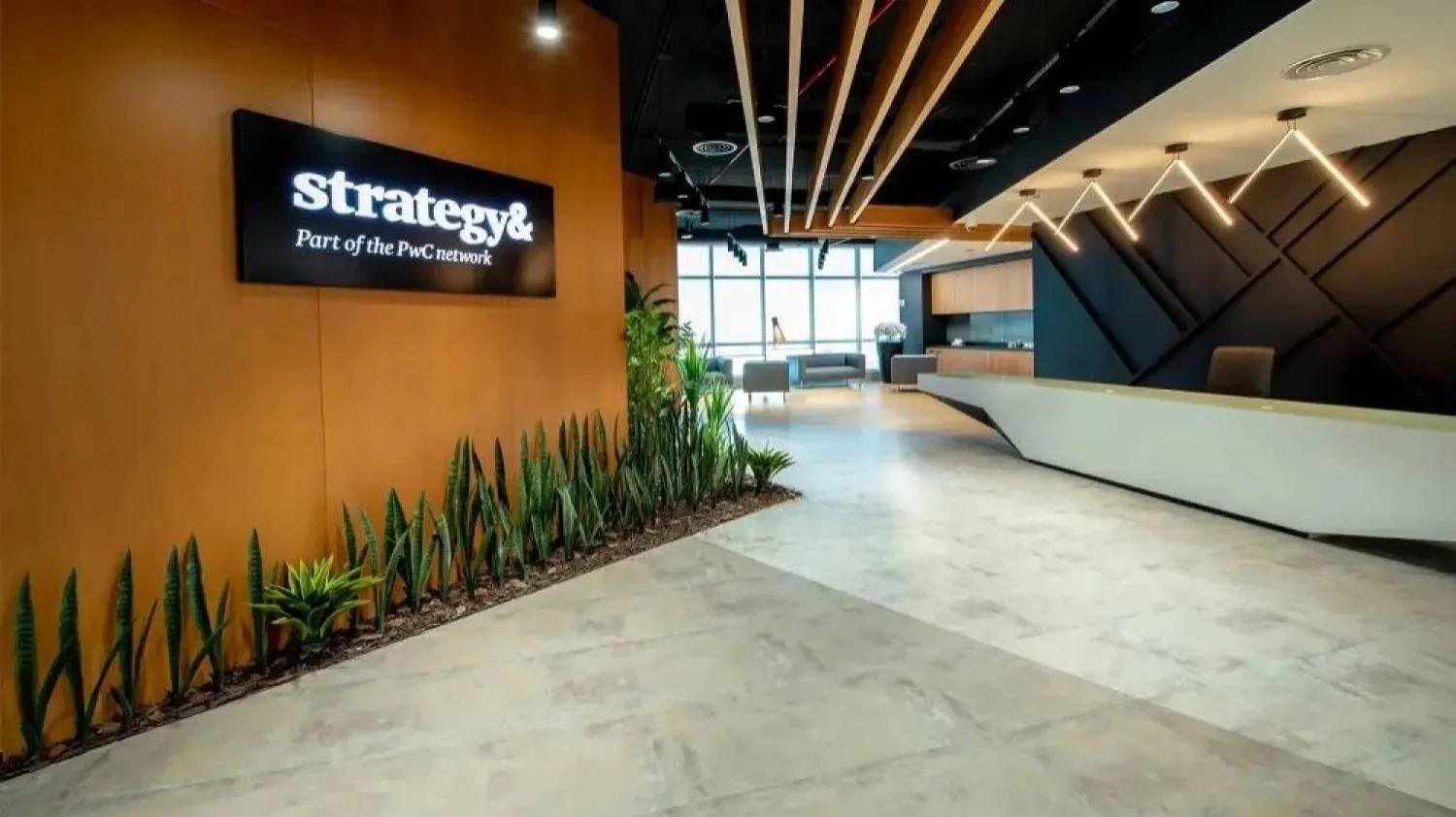
The consulting market in the Gulf is undergoing rapid transformation, driven by rising expectations, intensifying competition, and the pursuit of long-term value (Asharq Al-Awsat). 
TT

Gulf Development Boom Redefines the Consulting Industry

The consulting market in the Gulf is undergoing rapid transformation, driven by rising expectations, intensifying competition, and the pursuit of long-term value (Asharq Al-Awsat). 

The rapid acceleration of development programs across the Gulf, powered by national visions and landmark mega-projects, is transforming not only the region’s economies but also the consulting industry that supports them.

As governments and companies pursue unprecedented scale and ambition, they are increasingly seeking advisory partners capable of delivering measurable impact, practical execution, and long-term capability building, rather than strategies that remain confined to paper.

Recent studies indicate that as investment levels rise and expectations intensify, the central challenge is no longer the formulation of bold strategies, but their translation into tangible economic and institutional outcomes.

This shift has reshaped the consulting landscape, raising the bar for performance at a time when traditional advisory models are no longer sufficient. Clients now demand integrated solutions that generate real change, embed knowledge, and create value that extends well beyond theoretical recommendations.

According to a study by Strategy&, obtained by Asharq Al-Awsat, governments and companies across the region are increasingly prioritizing multidisciplinary expertise that combines global perspective with deep local understanding. In this new environment, a consulting firm’s credibility is defined by its ability to convert recommendations into measurable, on-the-ground results.

Jad Hajj, Managing Director and Regional Leader of Strategy& Middle East, part of the PricewaterhouseCoopers network, said ambitious transformation agendas will remain central to the region’s future.

“What distinguishes the current phase is the growing emphasis on sustainable value,” he said. “Governments and private-sector companies are looking for partners who can deliver outcomes, integrate knowledge transfer across the value chain, and bring a deep understanding of local priorities.”

The sector’s growth has attracted a broader range of players, from specialized local firms and in-house advisory teams within government entities and corporations, to technology companies offering innovative consulting services. This diversification is reshaping the market and intensifying competition. “This environment compels all participants to clearly demonstrate the value they bring,” Hajj added.

Mega-Projects and Integrated Ecosystems

Mega-projects and economic diversification initiatives across the Gulf underscore the importance of value creation in this phase, as they reshape regional economies at scale. The central challenge lies in execution, ensuring that investments translate into lasting economic impact by building integrated ecosystems, strengthening institutional and industrial capabilities, and embedding technology and artificial intelligence to support long-term growth.

These dynamics are most evident in Saudi Arabia, the largest and fastest-growing consulting market in the Gulf. Flagship developments such as the Red Sea destination and Qiddiya continue to advance the Kingdom’s diversification agenda and drive transformation across multiple sectors.

This fast-evolving environment requires consulting firms to strengthen coordination during execution, apply rigorous performance measurement, and deliver targeted insights aligned with national priorities to maximize impact.

“We are experiencing a fundamental transformation across all sectors, and consulting is no exception,” Hajj stated, adding: “Clients now expect a seamless link between strategy and execution, which requires close collaboration with local partners and sustained capability building. At the same time, innovations such as artificial intelligence are reshaping delivery models and governance to ensure lasting results.”

Technology and Gulf Talent

Artificial intelligence sits at the center of the consulting sector’s evolution, offering both efficiency gains and structural change. Hajj noted that AI enables faster and deeper analysis, allowing consultants to devote more time to stakeholder engagement and long-term strategic design.

AI is also narrowing the gap between strategy and execution by overcoming scale and capability constraints and enabling firms to provide practical tools that help clients implement strategies and track outcomes. While AI enhances speed and quality, Hajj emphasized that critical judgment, accountability, and sector insight remain core human responsibilities.

Alongside technological change, firms are investing in local talent development to ensure sustainable impact. Strategy& has launched initiatives such as the 10-month “Qadat Program for Gulf Nationals,” aimed at equipping high-potential graduates with hands-on experience and leadership skills to support national visions.

A Rapidly Evolving Market

The Gulf consulting market is undergoing rapid change, driven by higher expectations, intensifying competition, and a growing focus on long-term value. Success is no longer measured by advice alone, but by the tangible outcomes delivered and the capabilities embedded within organizations after projects conclude.

Hajj underlined: “This region is redefining what it means to be a trusted advisor... Clients expect measurable results, capability building, and sustained engagement. While the journey continues, this is a pivotal moment to contribute meaningfully to the region’s long-term ambitions.”


Saudi Crown Prince’s Directives Cut Riyadh Property Prices by 3%

A general view of Riyadh, Saudi Arabia. (SPA)
TT

Saudi Crown Prince’s Directives Cut Riyadh Property Prices by 3%

A general view of Riyadh, Saudi Arabia. (SPA)

Real estate prices in Saudi Arabia’s capital fell 3% in the final quarter of last year, reversing a 1% rise in the previous quarter, in a shift that highlights the on-the-ground impact of policy moves ordered by Prince Mohammed bin Salman bin Abdulaziz, Crown Prince and Prime Minister, to rein in soaring property costs across the Kingdom, particularly in Riyadh.

According to an index issued by the General Authority for Statistics on Tuesday, the real estate price index in Saudi Arabia fell 0.7% in the fourth quarter of last year compared with the same period of 2024.

The decline was driven mainly by weaker performance in the residential sector, which carries the most significant weight in the index, as its annual rate of change fell 2.2%.

The commercial sector continued to see a slight slowdown in growth momentum, while maintaining positive annual growth of 3.6%.

A real balance

Real estate specialists told Asharq Al-Awsat that the Crown Prince’s directives have become evident on the ground after property prices in Riyadh surged to unprecedented levels, prompting government intervention to curb the increases and enable citizens to own their first homes without excessive financial burdens.

Real estate analyst Khaled Al-Mobid said the 0.7 % decline in the real estate price index in the fourth quarter of 2025 reflects the market’s entry into a phase of real balance after years of rapid price increases, describing it as a healthy indicator that supports, rather than weakens, market sustainability.

“What we are witnessing today is not a loss in value, but a logical price correction, particularly in the residential sector, due to increased supply, improved regulation, and greater awareness among market participants, whether buyers or investors,” Al-Mobid told Asharq Al-Awsat.

He added that this balance creates better opportunities for end users, redirects investment toward appropriate products at fair prices, and curbs short-term speculation, serving the real estate economy over the medium and long term.

Housing stability

Real estate specialist Ahmed Omar Basudan told Asharq Al-Awsat that the sector has seen declines in many regions of the Kingdom, as buyers await the effects of government decisions issued under the Crown Prince’s direction.

He cited recent measures, including the announcement of the names of beneficiaries of subsidized land grants in northern Riyadh, located in some of the area’s best neighborhoods.

Basudan said the decision to fix residential rental prices in Riyadh for five years also contributed to the decline in the capital’s real estate market, as tenants are experiencing a period of housing stability, reducing demand for purchases at this stage.

He added that recent amendments to fees on undeveloped land and vacant properties, which have been implemented and are now being collected, also played a role, prompting landowners to move quickly to sell some plots at competitive prices to avoid bearing those fees.

Data from the General Authority for Statistics showed that residential real estate prices fell in the fourth quarter of last year compared with the same quarter of 2024, with the sector declining 2.2%. The drop was driven by a 2.4% fall in residential land prices, a 2.5% decline in apartment prices, a 1.3% decrease in villa prices, and a 0.2% drop in residential floor prices.

Quarterly comparison

The real estate price index fell 0.4% in the fourth quarter of last year, at a slower pace than in the third quarter.

The index was affected by a 0.4% decline in the residential sector, driven by a 0.7% drop in residential land prices, a 0.4% fall in apartment prices, and a 0.2% decrease in residential floor prices, while villa prices rose 0.8%.

At the regional level, the annual real estate price index fell 0.7% nationwide in the fourth quarter of last year, with Riyadh recording a 3% decline, compared with a 1% increase in the third quarter.

The Eastern Province posted the highest real estate price increase at 4%, followed by Makkah at 2.5%, Tabuk and Jazan at 1.1% each, and Al-Jawf at 0.4%.

By contrast, Hail, the Northern Borders region, and Madinah recorded the steepest declines, at 8.9%, 6.8%, and 6.1%, respectively.


Saudi Industry Minister Meets with Global Leaders at World Economic Forum to Advance Partnerships

Saudi Minister of Industry and Mineral Resources Bandar Alkhorayef held a series of high-level meetings with government officials and global business leaders at the World Economic Forum. (SPA)
TT

Saudi Industry Minister Meets with Global Leaders at World Economic Forum to Advance Partnerships

Saudi Minister of Industry and Mineral Resources Bandar Alkhorayef held a series of high-level meetings with government officials and global business leaders at the World Economic Forum. (SPA)

Saudi Minister of Industry and Mineral Resources Bandar Alkhorayef held on Tuesday a series of high-level meetings with government officials and global business leaders on the sidelines of the Kingdom's participation in the 2026 World Economic Forum in Davos.

As part of the Saudi delegation, Alkhorayef participated in a meeting with Swiss President Guy Parmelin. The meeting reviewed the robust strategic partnership between their nations and explored avenues to deepen cooperation in the industrial and mining sectors, aiming to expand bilateral ties to serve mutual interests.

Alkhorayef met with CEO of BlackRock Larry Fink, and President and CEO of the World Economic Forum Børge Brende. Talks focused on boosting the partnership between the Kingdom and the forum, exploring new cooperation in advanced manufacturing and critical minerals, and strengthening joint efforts to fortify industrial and mining supply chains.

In a series of bilateral meetings, Alkhorayef met with leaders of major global firms, including CEO of Capgemini Aiman Ezzat, Senior Partner at Bain & Company Dr. Jörg Gnamm, and CEO of Copa-Data Stefan Reuther. The meetings focused on unlocking opportunities for collaboration in advanced manufacturing, digital solutions, industrial automation, and smart systems. The officials emphasized leveraging global consulting expertise to boost factory efficiency, accelerate the Kingdom's industrial transformation, and bolster the competitiveness of its industrial and mining sectors.


Saudi-US Trade and Investment Council Meetings Kick Off in Riyadh

Chaired by the GAFT, the Saudi-US Trade and Investment Council aims to strengthen economic cooperation between the two countries by reviewing trade and investment policies, addressing barriers, and supporting technical dialogue among relevant entities. (SPA)
TT

Saudi-US Trade and Investment Council Meetings Kick Off in Riyadh

Chaired by the GAFT, the Saudi-US Trade and Investment Council aims to strengthen economic cooperation between the two countries by reviewing trade and investment policies, addressing barriers, and supporting technical dialogue among relevant entities. (SPA)

Technical team meetings of the Saudi-US Trade and Investment Council (TIFA) kicked off in Riyadh on Tuesday.

Held under the theme “A Platform for Dialogue, Partnership, and Economic Growth,” the meetings were attended by Deputy Governor of the General Authority of Foreign Trade (GAFT) for International Relations Abdulaziz Alsakran, Assistant United States Trade Representative for Europe and the Middle East Bryant Trick, with the participation of 20 entities from both sides.

Chaired by the GAFT, the Saudi-US Trade and Investment Council aims to strengthen economic cooperation between the two countries by reviewing trade and investment policies, addressing barriers, and supporting technical dialogue among relevant entities.

The council focuses on five main objectives: developing trade and investment policies; facilitating trade and addressing technical and regulatory barriers; supporting cooperation on sanitary and phytosanitary measures and agricultural products; enhancing intellectual property protection; and advancing digital trade, innovation, and emerging technologies.

Saudi government entities participating in the council work to develop initiatives and activities that help elevate cooperation between the two countries and achieve its objectives, serving mutual interests.

Over the past ten years, trade exchange between Saudi Arabia and the United States has reached $500 billion, making the United States the Kingdom’s second-largest import partner. Trade exchange since 2020 has recorded a growth rate exceeding 50%, reflecting the depth and strength of economic relations between the two countries.