Saudi E-Commerce Hits Record Monthly Sales over SAR30.7 Billion in October

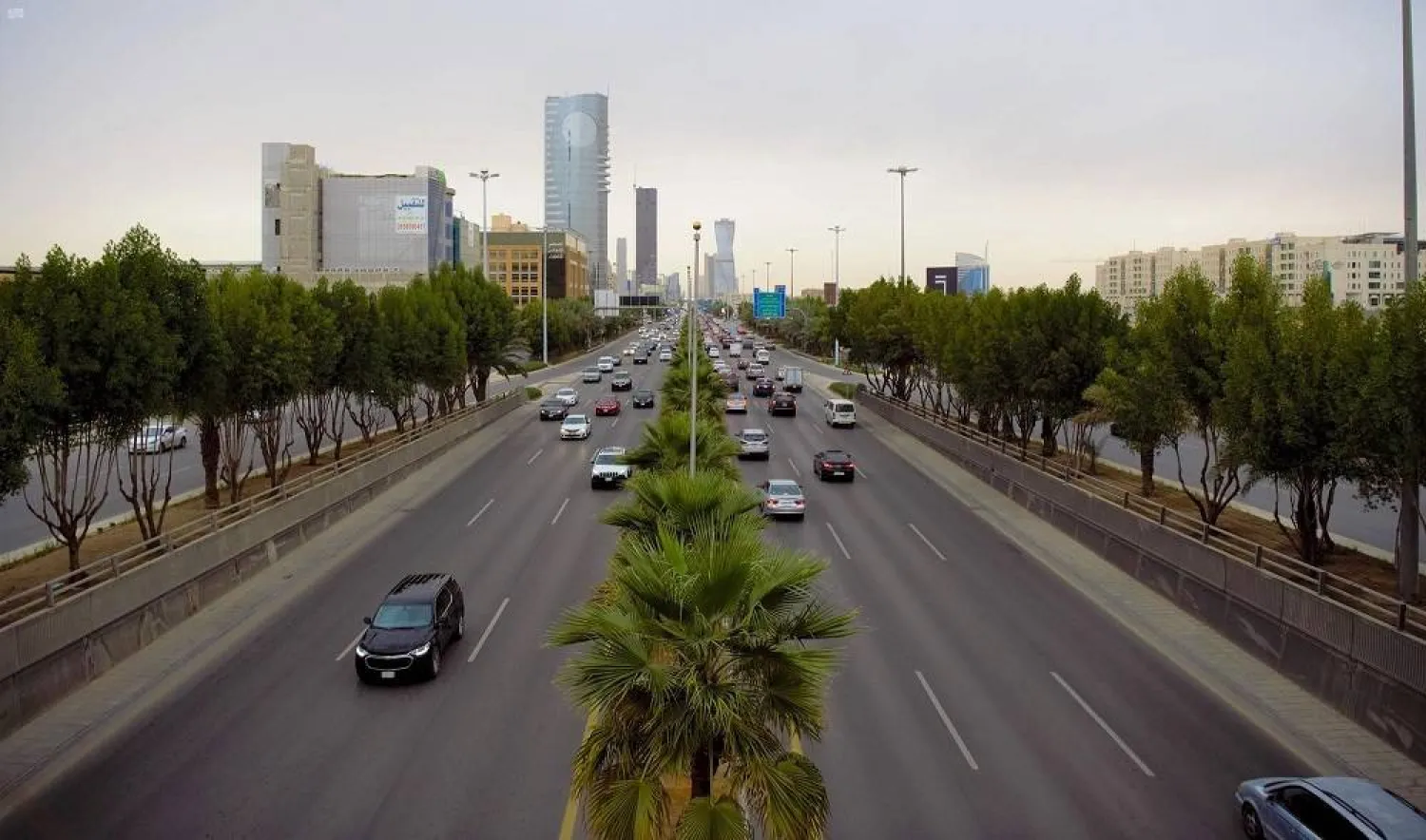
A view of Riyadh, Saudi Arabia. (SPA file)
TT

Saudi E-Commerce Hits Record Monthly Sales over SAR30.7 Billion in October

A view of Riyadh, Saudi Arabia. (SPA file)

E-commerce sales in Saudi Arabia via "mada" cards soared to an all-time monthly high in October 2025, surpassing SAR30.7 billion.

The surge in sales represents a 68% year-on-year increase, totaling about SAR12.4 billion more than the SAR18.3 billion recorded in October 2024, according to the Saudi Central Bank (SAMA) statistical bulletin on Wednesday.

E-commerce sales for the third quarter (Q3) of 2025 hit SAR88.3 billion, up 15.2% from the previous quarter, representing an increase of about SAR11.6 billion over the SAR76.6 billion recorded in Q2.

On a monthly basis, e-commerce sales in October rose 6%, gaining approximately SAR1.6 billion over September’s total of SAR29.1 billion.

From January to October, "mada" data showed e-commerce sales grew 47.3%, rising by around SAR9.9 billion over the SAR20.9 billion recorded in January.

These figures cover transactions made via "mada" cards on e-commerce websites, apps, and digital wallets, and do not include credit-card payments.


Strait of Hormuz Ship Crossings Remain in Single Digits

FILE PHOTO: Vessels near the Strait of Hormuz, as seen from Musandam, Oman, September 2, 2026. REUTERS/Stringer/File Photo
TT

Strait of Hormuz Ship Crossings Remain in Single Digits

FILE PHOTO: Vessels near the Strait of Hormuz, as seen from Musandam, Oman, September 2, 2026. REUTERS/Stringer/File Photo

Vessel transits through the Strait of Hormuz remained in the single digits at four on Tuesday, down from seven a day earlier, preliminary shipping data showed on Wednesday, falling well short of the 10-day average of 18.

The drop in traffic through the waterway that handled one-fifth of the world's oil and liquefied ⁠natural gas supply before ⁠the Iran war comes after attacks in the region intensified.

Of the total on Tuesday, two ships were exiting and two were entering, according to the data.

No very large crude carriers ⁠or liquefied natural gas tankers were involved.

Some ships may be sailing through the waterway with their transponders turned off and they are therefore not counted.

One very large gas carrier, Salute, carrying around 470,000 barrels of liquefied petroleum gas exited via the Iranian route, while Panamax-sized tanker Nautilus, carrying around 510,000 barrels of naphtha, exited ⁠via ⁠an unknown dark route, Reuters reported.

The two ships that entered were both laden, with one being a short-range dirty products tanker and the other a dry bulk carrier. Both entered via the Iranian route.

Meanwhile, the number of ships sailing through the Bab el-Mandeb Strait was at 22, little changed on Tuesday compared with a day ago at 24.


Türkiye 2027 Inflation Target Realistic, Minister Says

People shop at the Eminonu district of Istanbul, Türkiye, April 25, 2025. (Reuters)
TT

Türkiye 2027 Inflation Target Realistic, Minister Says

People shop at the Eminonu district of Istanbul, Türkiye, April 25, 2025. (Reuters)

Türkiye's 2027 inflation target in its medium-term program is regarded as realistic by markets, provided that the Iran war does not continue next year, Finance Minister Mehmet Simsek said in an interview with broadcaster Haberturk on Wednesday.

Türkiye should normally operate a floating ‌exchange rate regime, ‌as it provides the ‌basis ⁠for responding correctly ⁠to shocks, Simsek said.

Türkiye has always provided wage increases of at least the rate of inflation for all public workers and retirees, and will continue to do so, ⁠he added.

Once inflation ‌falls to ‌single digits, mandatory export proceeds sales requirements could ‌be lifted in favor of ‌a freer regime, he also said.

Conditions for removing the mandatory export sales requirement have not yet been met and ‌Türkiye will review the matter when they arise.

The government expects ⁠inflation ⁠to slow to 28.4% this year and to 21% in 2027 before dropping to single digits in 2029 — about two years later than previously predicted.

The US-sanctioned Golden Global Yatirim bank is small and poses no systemic risk, Simsek also said, calling on other banks to comply with international regulations and strengthen compliance.


Bahrain's Alba Says Produces 1.3 Million Tons Per Year of Aluminium

The Bahraini capital (Reuters)
TT

Bahrain's Alba Says Produces 1.3 Million Tons Per Year of Aluminium

The Bahraini capital (Reuters)

Aluminium Bahrain, known as Alba, is currently producing aluminium at an annualized rate of 1.3 million metric tons, versus a pre-Iran war capacity of around 1.6 million tons, its CEO said on Wednesday.

Alba, which describes itself as the world's biggest aluminium smelter on one site, shut down production ⁠lines 1, 2, and ⁠3 following the outbreak of the war as the closure of the Strait of Hormuz restricted exports. The plant was then hit by an Iranian attack in late March.

Alba is now operating lines 4, 5 and 6 at its smelter, equivalent to 1.3 ⁠million tons per year, Ali Al Baqali told Reuters on the sidelines of the Fastmarkets Aluminium Conference in Budapest.

He described the Iranian strike as a "small, minor attack.”

"We got damages and we already repaired them. Nothing needed," Al Baqali said, adding that Alba had been covered by insurance.

Its overall capacity will return to 1.6 million tons when it completes its acquisition of French smelter Aluminium Dunkerque in the next couple of months, Al ⁠Baqali said.

To ⁠maintain production, Alba is bringing in 300 to 350 trucks carrying raw material alumina on a daily basis, the CEO said.

"We are managing to receive around 7,000 metric tons of alumina every day," Al Baqali said, describing the logistics operation as "expensive,” but offset by the high London Metal Exchange aluminium price and premiums for physical metal.

Alba is exporting metal via the Saudi port of Jeddah on the Red Sea and from Sohar in Oman, Al Baqali said, as hostilities in the Middle East continue.