



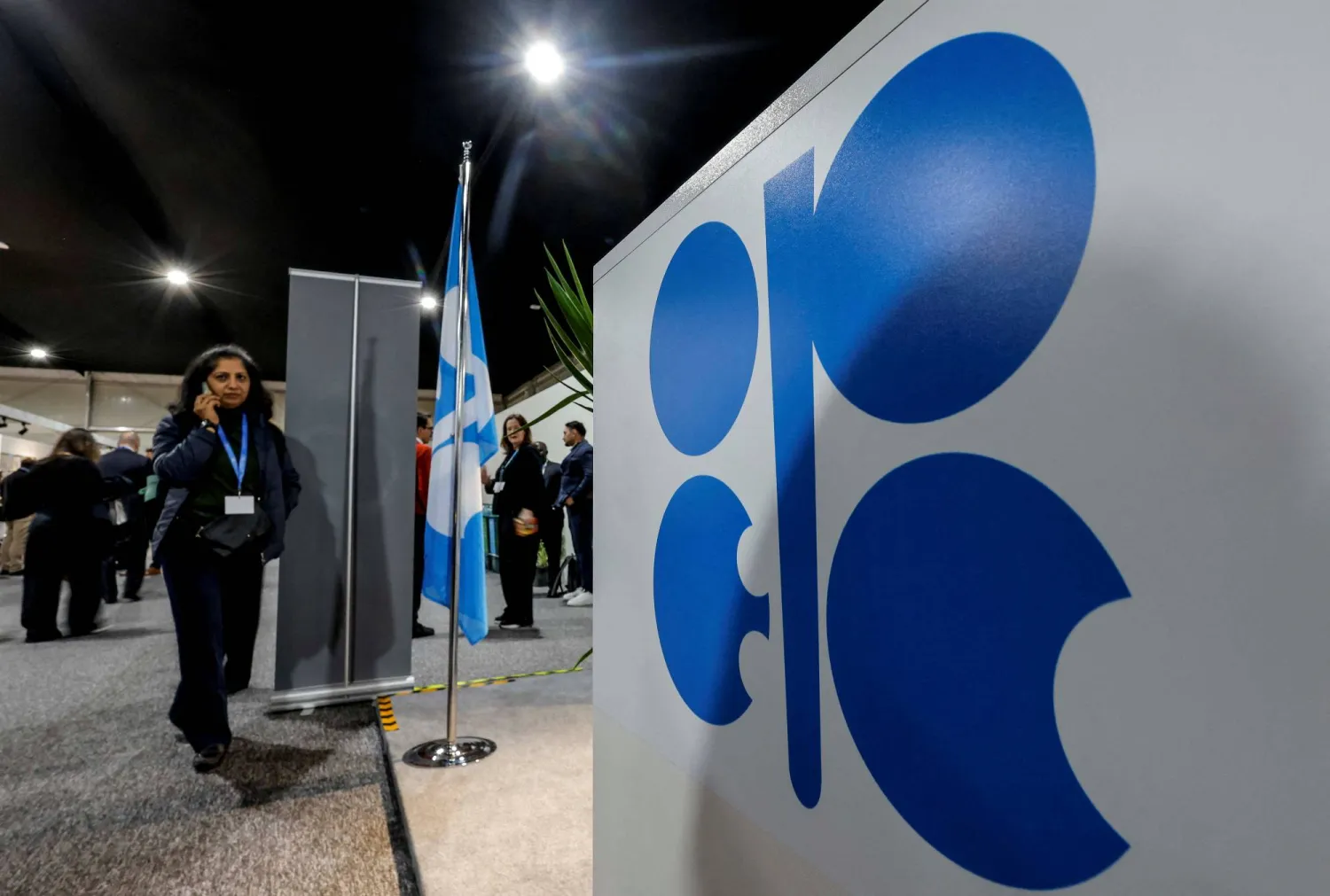

OPEC+ countries have confirmed the suspension of the planned increase in oil production during the first quarter of 2026, as eight key producers reaffirmed their commitment to market stability amid a steady global economic outlook and what they described as healthy oil market fundamentals.
During a virtual meeting, Saudi Arabia, Russia, Iraq, the United Arab Emirates, Kuwait, Kazakhstan, Algeria, and Oman reaffirmed their decision issued on November 2, 2025, to pause the increases in January, February and March 2026, due to seasonal factors.
Their decision came a day after the arrest of Venezuelan President Nicolás Maduro, whose country holds the world’s largest oil reserves.
The alliance had agreed last November to an additional oil production increase of 137,000 barrels per day starting in December, but decided to freeze the increase planned for the first quarter due to seasonal factors.
Sunday's meeting of OPEC+ members, which pumps about half the world's oil, came after oil prices fell more than 18% in 2025 — their steepest yearly drop since 2020 — amid growing oversupply concerns.
In a statement issued following their meeting, the eight OPEC+ reaffirmed their commitment to market stability amid a steady global economic outlook and what they described as healthy oil market fundamentals.
The alliance stressed that 1.65 million barrels per day voluntary cuts may be restored in part or in full in a gradual manner, depending on future market trends.
“The countries will continue to closely monitor and assess market conditions, and in their continuous efforts to support market stability, they reaffirmed the importance of adopting a cautious approach and retaining full flexibility to continue pausing or reverse the additional voluntary production adjustments, including the previously implemented voluntary adjustments of the 2.2 million barrels per day announced in November 2023,” the statement said.
The eight countries will meet next on Feb. 1, the statement added.
The members raised oil output targets by around 2.9 million barrels per day in 2025, equal to almost 3% of world oil demand, to regain market share.
The eight members agreed in November to pause output hikes for January, February and March due to relatively low demand in the northern hemisphere winter.
OPEC has in the past managed to overcome many internal rifts, such as over the Iran-Iraq War, by prioritizing market management over political disputes.
Yet the group is facing other crises, with Russian oil exports falling due to US sanctions over its war in Ukraine, and Iran facing protests and US threats of intervention.
On Saturday, the United States captured Maduro, and US President Donald Trump said Washington would take control of the country until a transition to a new administration becomes possible, without saying how this would be achieved.
Venezuela has the world's largest oil reserves, but its oil production has plummeted due to years of mismanagement and sanctions.
Analysts said it is unlikely to see any meaningful boost to crude output for years, even if US oil majors do invest the billions of dollars in the country that Trump promised.


