
Data released by Saudi Arabia’s General Authority for Statistics (GASTAT) showed that the Kingdom’s non-oil exports (including re-exports) increased by 20.7% in November compared with the same month in 2024.
This rise coincided with a marked improvement in the surplus of the merchandise trade balance, which grew by 70.2%, driven by higher total exports and a slight decline in imports.
According to the report, the main contributor to the growth in non-oil exports was the sector of “machinery, electrical equipment and parts,” which topped the list of exported goods, accounting for 24.2% of total non-oil exports.
Re-exports also played a pivotal role, recording a surge of 53.1%, supported by an increase of more than 81% in exports of electrical equipment within this category.
Meanwhile, national non-oil exports (excluding re-exports) grew by 4.7%, while oil exports rose by 5.4%. Notably, the share of oil exports in total exports declined to 67.2%, compared with 70.1% in November last year.
Imports recorded a slight decline of 0.2% compared with November 2024, which directly contributed to raising the coverage ratio of non-oil exports to imports to 42.2%. These figures had a positive impact on the merchandise trade balance, whose surplus rose by 70.2%.
China remained Saudi Arabia’s leading trading partner, accounting for 13.5% of total exports and 26.7% of total merchandise imports. The United Arab Emirates and Japan ranked second and third among the Kingdom’s top export destinations, while the United States and the United Arab Emirates followed China in the list of import sources.
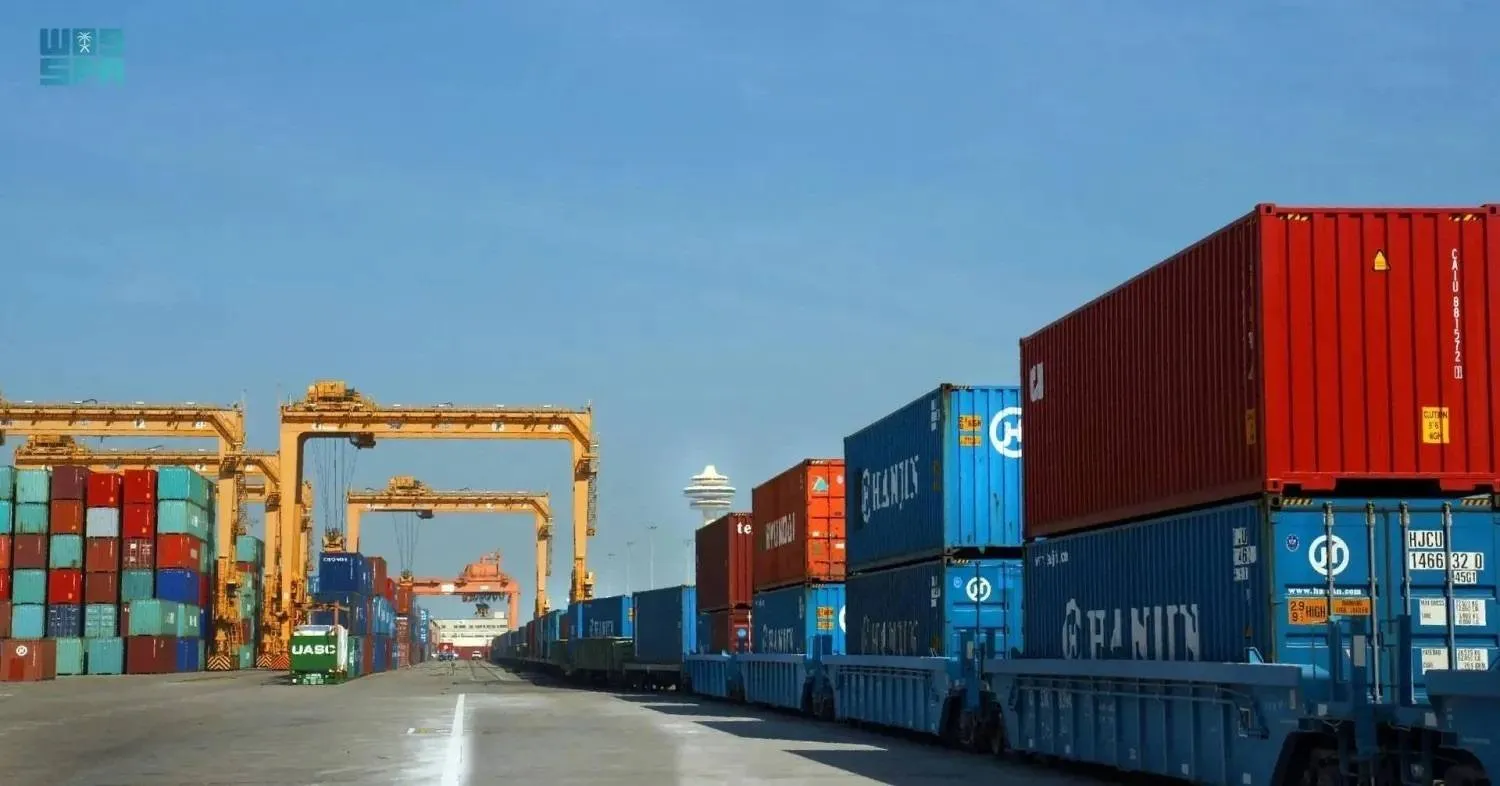
In terms of customs gateways, King Abdulaziz Port in Dammam emerged as the main entry point for imports, with a share of 22.8%. Meanwhile, King Abdulaziz International Airport in Jeddah ranked first among the Kingdom’s main gateways for non-oil exports, accounting for 17.2% of total export operations in this sector.