
Saudi Arabia plans to inject more than 300,000 new housing units into Riyadh over the next three years as part of a broader government strategy to stabilize the capital’s real estate market, announced Majed Al-Hogail, Minister of Municipalities and Housing and Chairman of the Board of the General Real Estate Authority.
Speaking at the opening of the fifth edition of the Real Estate Future Forum 2026 in Riyadh on Monday, Al-Hogail said the capital already has more than 100 million square meters of developed, ready-to-build land.
The forum brought together decision-makers, experts and investors from more than 140 countries, with around 300 speakers from government, business and the public and private sectors, highlighting the growing global prominence of Saudi Arabia’s real estate industry.
Al-Hogail stressed that the Kingdom has adopted “real estate balance” as a strategic policy aimed at improving efficiency and fairness in the sector through precise regulatory tools and informed analysis of market dynamics.
He highlighted a historic surge in mortgage financing, which rose from SAR 82 billion in 2017 to nearly SAR 900 billion (about $240 billion) by 2025, making real estate finance a major pillar of the national economy, accounting for around 27 per cent of Saudi banks’ total loan portfolios.
Homeownership
On homeownership, Al-Hogail said the rate of Saudi citizens owning homes exceeded 66 percent in 2025, with more than one million beneficiaries of government housing support programs. He outlined ambitious targets to support an additional 367,000 beneficiaries and raise the homeownership rate to 70 percent by 2030.
Riyadh has over 100 million square meters of developed land ready for use and is expected to receive more than 300,000 new housing units within three years, he went on to say.
He also highlighted the role of the National Housing Company, the region’s largest real estate developer, which has delivered around 300,000 housing units across 16 cities and plans to add another 300,000 units in the next phase.
This growth, he said, reflects the maturity of the market and rising confidence among investors and citizens alike.
Real estate investment
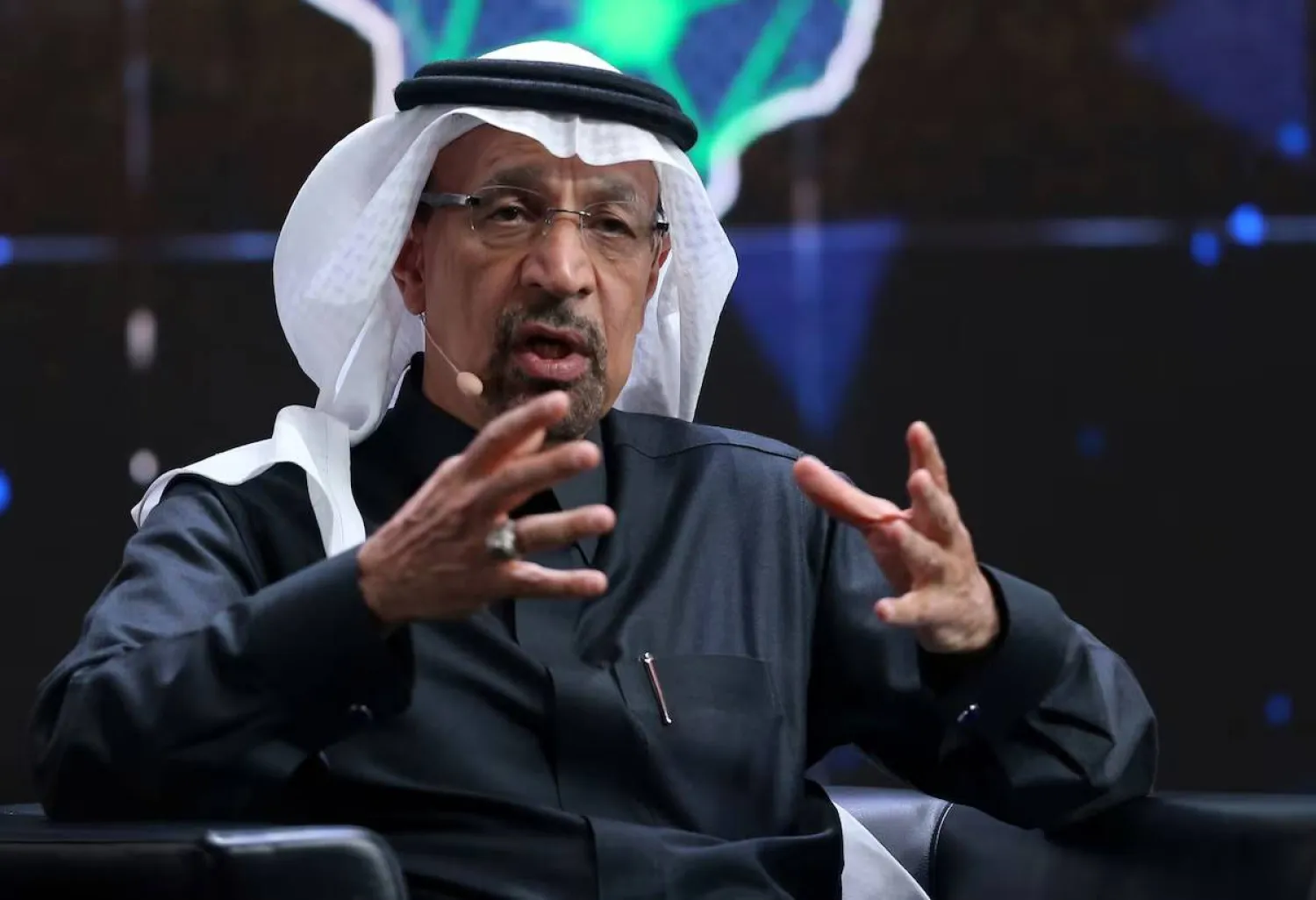
Saudi Minister of Investment Khalid Al-Falih described real estate as a safe haven for economic stability amid global geo-economic uncertainty and volatile markets.
The real estate and construction sector forms a “solid foundation” for national growth, contributing about 13 percent of Saudi Arabia’s GDP, he stressed. This momentum is supported by large-scale investments led by the Public Investment Fund (PIF), which have exceeded $400 billion since the launch of Vision 2030.
Tourism projects and urban transformation
Saudi Minister of Tourism Ahmed Al Khateeb said the Kingdom is now “leading global change” in urban development and the creation of major tourism destinations.
Saudi Vision 2030 has transformed the concept of city design, shifting from merely serving local residents to also welcoming visitors and meeting their needs, he remarked.
He cited mega-projects such as NEOM, the Red Sea project and Diriyah as examples of this transformation, arguing that the Kingdom’s ability to develop previously untouched regions, such as Tabuk and the Red Sea islands, gives it a unique advantage in delivering architectural and technological models that inspire the world.
Quality of life
Al Khateeb also noted the launch of the Global Quality of Life Index, developed in partnership with UN-Habitat. The index is the first of its kind to measure quality of living based on comprehensive criteria, including infrastructure and essential services.
Rather than assessing happiness or education in isolation, it evaluates the overall ecosystem of services that matter to residents and visitors, focusing on accessibility, affordability and quality.
Al Khateeb stressed the importance of sustainability in the economy, employment and the environment, describing it as the most critical component of quality of life and a core responsibility embedded in national visions.
Tourism has been a key driver in reducing unemployment in Saudi Arabia to record lows comparable to OECD and G20 countries, with the sector creating 250,000 new jobs for Saudis since the launch of the national tourism strategy in 2019, he added.
Partnerships and agreements
Abdullah Al-Hammad, Chief Executive Officer of the General Real Estate Authority, said the sector has become an influential player in the global economy.
He noted that the forum coincides with the implementation of regulations allowing non-Saudis to own real estate, opening unprecedented global opportunities for the Saudi market and showcasing the Kingdom’s geographical diversity and cultural depth.
Al-Hammad added that previous editions of the forum resulted in agreements and partnerships worth more than $50 billion (SAR 187.5 billion), describing the figure as clear evidence that discussions at the forum are transforming into concrete decisions, investments and projects on the ground.