


Riyadh Implements More Than 8,000 Infrastructure Projects

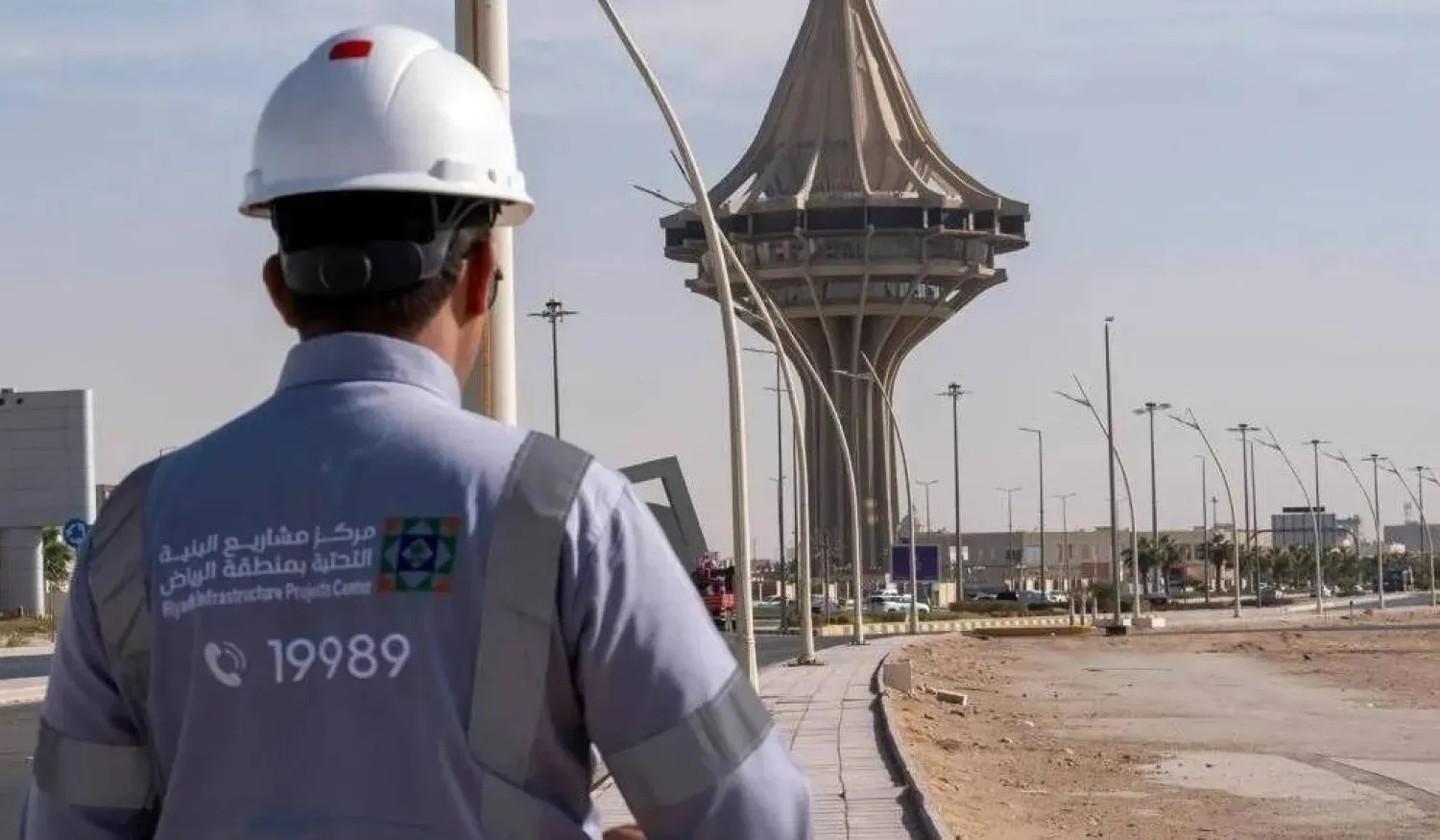
An employee at the Riyadh Infrastructure Projects Center (SPA)
TT

Riyadh Implements More Than 8,000 Infrastructure Projects

An employee at the Riyadh Infrastructure Projects Center (SPA)

The Riyadh Infrastructure Projects Center said it coordinated and delivered more than 8,000 infrastructure projects across the Saudi capital in 2025 under a comprehensive master plan launched last year.

The center explained that the plan is built on an integrated spatial and scheduling methodology designed to unify efforts, improve planning and execution efficiency, and reduce conflicts between projects.

The approach helped cut infrastructure project delivery times by 24 percent and generated cost savings through stronger governance, reduced unnecessary road resurfacing, and fewer service disruptions.

The methodology allows projects to be managed within a single regulatory framework that links spatial planning with implementation timelines and provides a centralized source of data.

This framework supports informed decision-making and improves coordination among the energy, water, telecommunications and road sectors.

According to the center, implementation of the master plan led to the resolution of 9,550 spatial conflicts and the management of 82,627 scheduling overlaps, in addition to addressing 436 conflicts related to major public events. These measures reduced project clashes, accelerated delivery, improved operational stability, and minimized the impact of construction on traffic flow and surrounding activities.

The center said the comprehensive master plan is one of its core strategic mandates and has become a unified regulatory reference that strengthens integration among government entities and raises the level of institutional coordination.

Working with more than 22 relevant stakeholders, the center exceeded its first-year targets by 108 percent.

It added that the achievements reflect a commitment to sound regulatory practices that support the sustainability of infrastructure projects, enhance service quality, and maximize developmental impact across the Riyadh region.


Iraq in Talks with Gulf States on Pipeline Exports beyond Hormuz

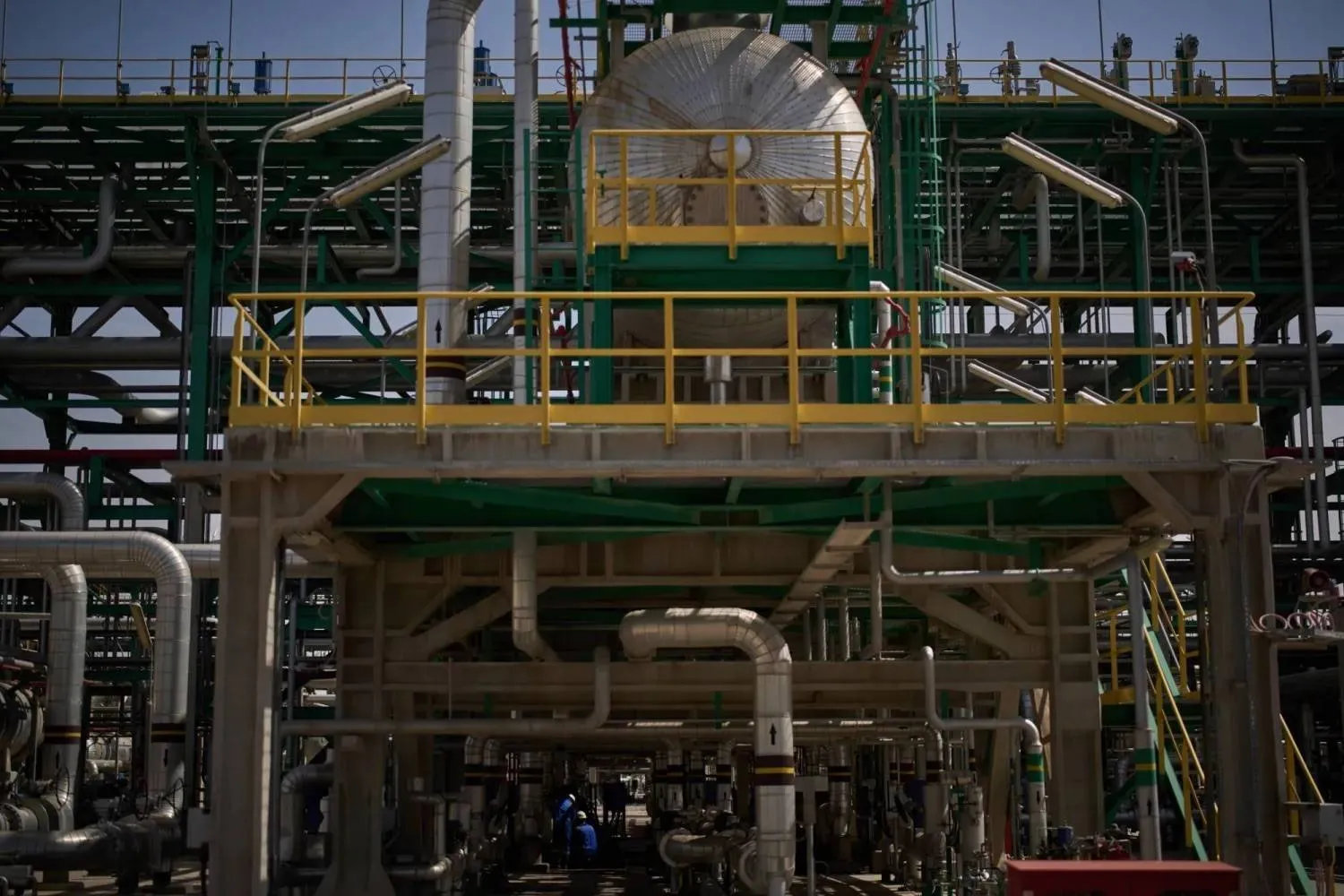
Workers carry out maintenance on a pipeline at a gas separation station in the Zubair oil field near Basra (AP). 
TT

Iraq in Talks with Gulf States on Pipeline Exports beyond Hormuz

Workers carry out maintenance on a pipeline at a gas separation station in the Zubair oil field near Basra (AP). 

Iraq is in talks with Gulf countries to use their pipeline networks to secure alternative oil export routes beyond the Strait of Hormuz, the state oil marketer SOMO said Thursday.

The move is part of an emergency strategy by the oil ministry to tap regional infrastructure and bypass maritime chokepoints, ensuring Iraqi crude continues to reach global markets while offsetting higher transport costs linked to the current crisis.

Ali Nizar al-Shatari, head of the State Organization for Marketing of Oil (SOMO), said the ministry is prioritizing negotiations to access Gulf pipeline systems extending beyond the Strait of Hormuz and into the Arabian Sea, allowing exports to avoid areas of military tension.

“The goal is to secure stable routes that guarantee efficient flows of Iraqi oil at lower transport costs,” Shatari said, adding that Iraq generated about $2 billion in oil revenues in March, up 28 percent from February.

He said SOMO exported around 18 million barrels of crude from Basra, Kirkuk and the Kurdistan region by using all available outlets, including southern ports that operated until early March and northern routes to Türkiye’s Mediterranean port of Ceyhan.

As part of efforts to diversify export options, Shatari revealed that the first shipments of fuel oil and Basra Medium crude successfully reached Syrian ports.

He noted that Iraq had signed a deal to export 50,000 barrels per day via this route, describing cooperation with Syria as “very significant,” with storage and security provided to ensure safe delivery to the port of Baniyas.

The route has proven effective and could become a permanent option after the crisis, he added.

Shatari further noted that the oil ministry is close to completing repairs on the Iraq-Türkiye pipeline, which suffered extensive damage in previous years.

Technical teams have inspected the most difficult terrain, with about 200 kilometers (125 miles) still to be assessed in the coming days before full pumping of Kirkuk crude resumes.

In a notable logistical move, Iraq has begun pumping Basra crude northwards for export via Ceyhan.

Flows started at 170,000 barrels per day and are expected to stabilize between 200,000 and 250,000 bpd, helping offset disrupted southern exports and supply energy-hungry markets in Europe and the Americas.

Shatari said Iraq has benefited from rising global prices by selling Kirkuk crude — a medium-grade oil — at strong premiums.

He also confirmed the reactivation of an agreement with the Kurdistan region to reuse the pipeline through the region to Ceyhan, helping lift total exports to 18 million barrels in March.

This came despite a drop in production in Kurdistan fields to about 200,000 bpd due to security threats, he added.


World Food Prices Rose in March as Iran War Lifted Energy Costs, FAO Says

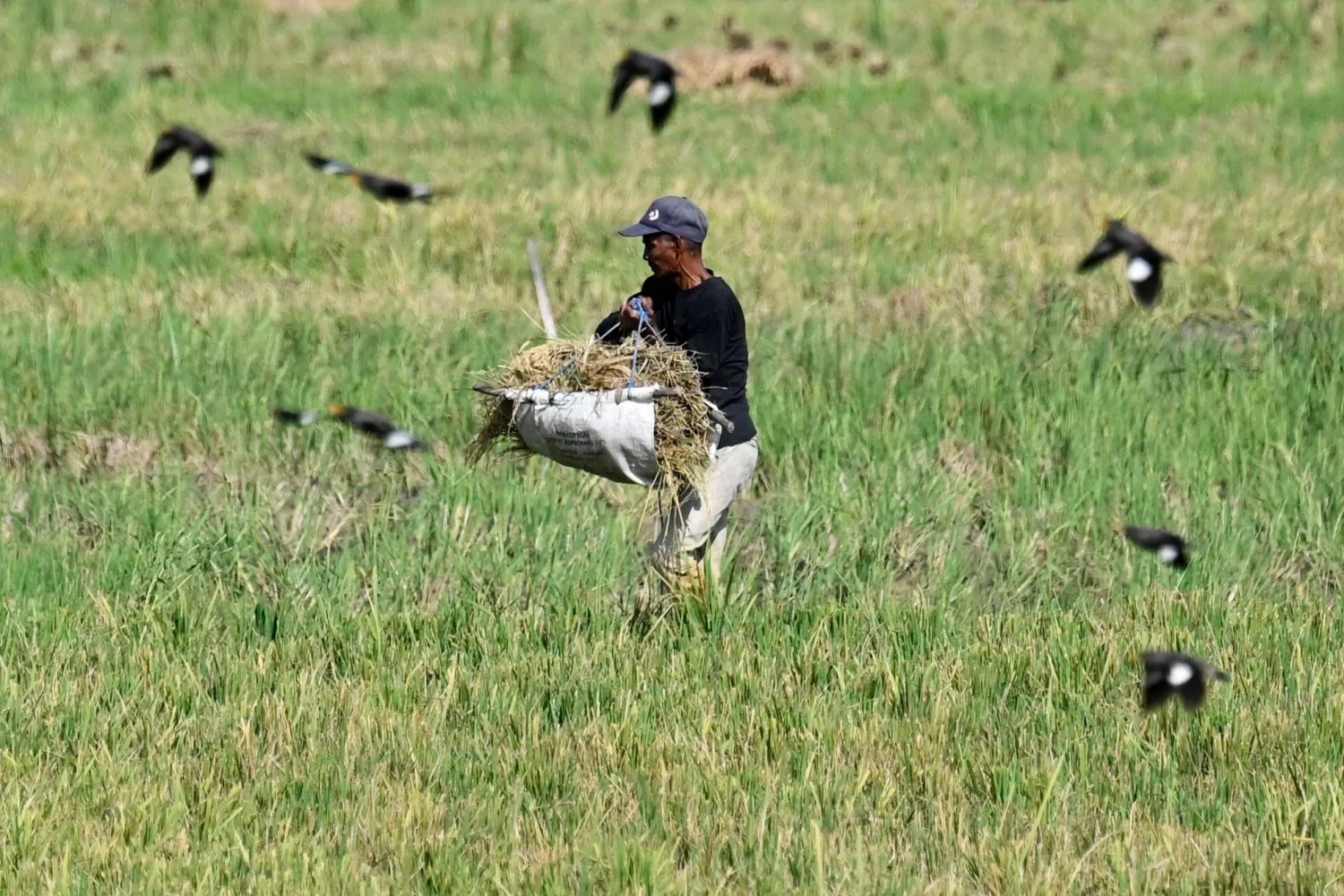
 A farmer carries harvested rice at a paddy field in Samahani, Aceh province on April 2, 2026. (AFP)
A farmer carries harvested rice at a paddy field in Samahani, Aceh province on April 2, 2026. (AFP)
TT

World Food Prices Rose in March as Iran War Lifted Energy Costs, FAO Says

 A farmer carries harvested rice at a paddy field in Samahani, Aceh province on April 2, 2026. (AFP)
A farmer carries harvested rice at a paddy field in Samahani, Aceh province on April 2, 2026. (AFP)

The war in the Middle East has pushed food commodity prices higher due to higher energy and fertilizer costs, the UN's food agency said Friday. 

The UN's Food and Agriculture Organization (FAO) said its Food Price Index, which measures the monthly changes in international prices of a basket of food commodities, had increased 2.4 percent in March from February. 

It was the second rise in a row, which the agency said was largely due to higher energy prices linked to conflict in the Middle East. 

Within the index, the category of vegetable oil saw the sharpest rise, of 5.1 percent over February, as palm oil prices reached their highest point since the middle of 2022, due to effects from spiking crude oil prices, FAO said. 

However, a "broadly comfortable" supply of cereal has cushioned the damaged from the conflict, FAO said. 

"Price rises since the conflict began have been modest, driven mainly by higher oil prices and cushioned by ample global cereal supplies," said FAO Chief Economist Maximo Torero in a statement. 

But he warned that if the conflict goes on beyond 40 days and the high prices on fertilizer continue, "farmers will have to choose: farm the same with fewer inputs, plant less, or switch to less intensive fertilizer crops". 

"Those choices will hit future yields and shape our food supply and commodity prices for the rest of this year and all of the next." 

Disruptions to production and supply chain routes had also introduced "additional uncertainty" into the outlook for wheat and maize, FAO found. 


Turkish Inflation Near 2% Monthly in March, Below Forecasts

A full moon rises behind Galata Tower, in Istanbul, Türkiye, Thursday, April 2, 2026. (AP)
TT

Turkish Inflation Near 2% Monthly in March, Below Forecasts

A full moon rises behind Galata Tower, in Istanbul, Türkiye, Thursday, April 2, 2026. (AP)

Turkish consumer price inflation was 1.94% month-on-month in March, while the annual figure fell to 30.87%, data from the Turkish Statistical Institute showed ‌on Friday.

In ‌a Reuters ‌poll, ⁠monthly inflation was ⁠forecast to be 2.32%, with the annual rate seen at 31.4%, driven by ⁠a rise in ‌fuel prices ‌and weather-related pressures ‌on food inflation.

In ‌February, consumer prices rose 2.96% month-on-month and 31.53% year-on-year, broadly in ‌line with estimates and reinforcing expectations that ⁠the ⁠disinflation process may be stalling.

The data also showed the domestic producer index rose 2.30% month-on-month in March for an annual increase of 28.08%.