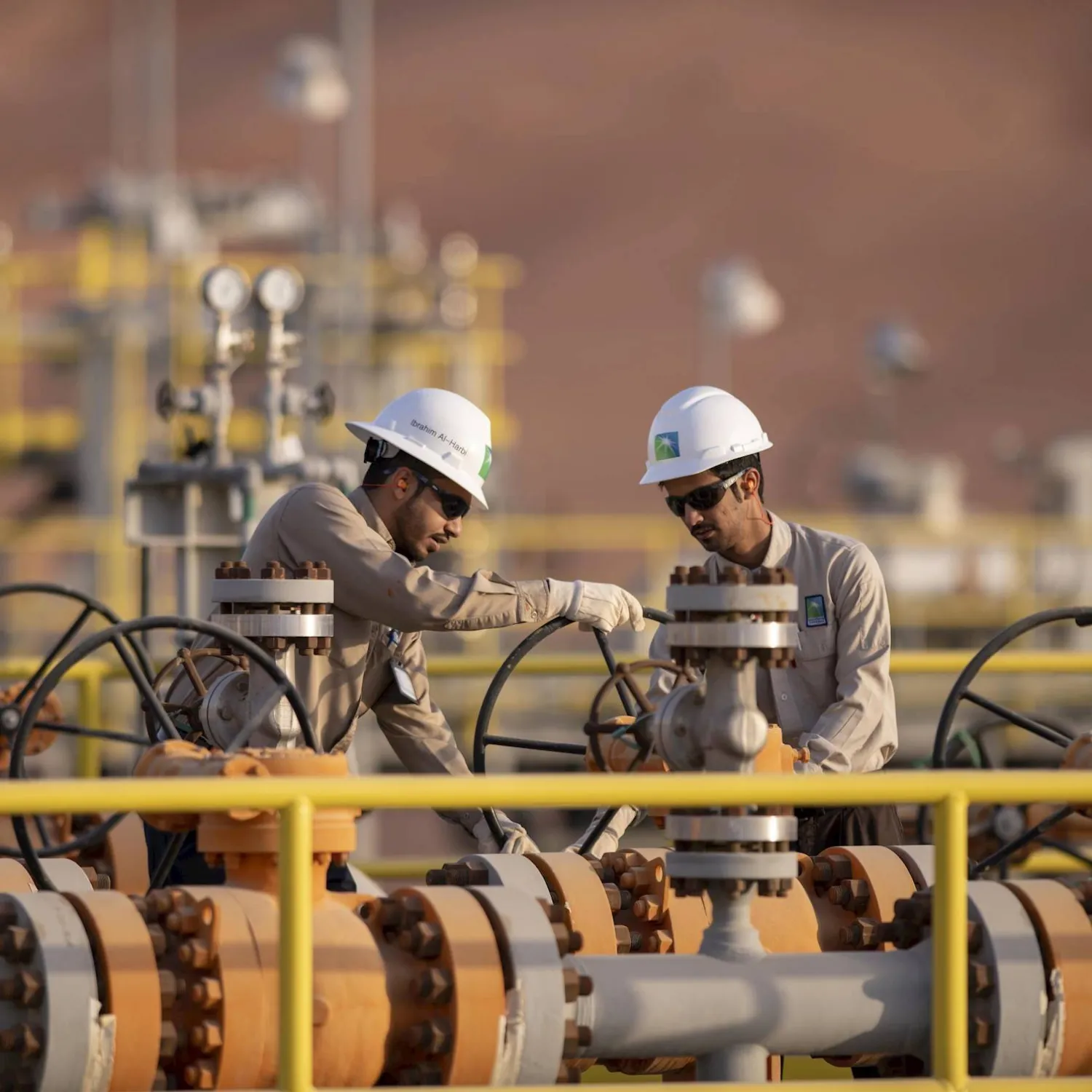

Saudi Arabia demonstrated exceptional readiness and a rapid response in containing the fallout from the recent attacks on some of its oil facilities, restoring operations in record time. It swiftly repaired damage and brought production systems back online with high efficiency.
The Kingdom’s success in restoring full crude throughput via the East–West pipeline, returning the Manifa facility to full operating capacity, and countering attempts to disrupt critical infrastructure underscores its technical and professional capabilities.
This was achieved through a highly professional emergency response system that thwarted attempts to cut off a key artery of global energy supply.
Saudi Arabia’s Ministry of Energy announced on Sunday the full restoration of crude throughput via the East–West pipeline to approximately 7 million barrels per day, along with the return of the Manifa facility to its full operating capacity of around 300,000 barrels per day. This came just days after assessing damage from the attacks. Efforts are still ongoing to restore the full production capacity of the Khurais field, estimated at 300,000 barrels per day.
The East–West pipeline (Petroline) stretches 1,200 kilometers from Abqaiq in the east to Yanbu on the Red Sea coast and serves as a primary alternative route for crude exports in light of the closure of the Strait of Hormuz.
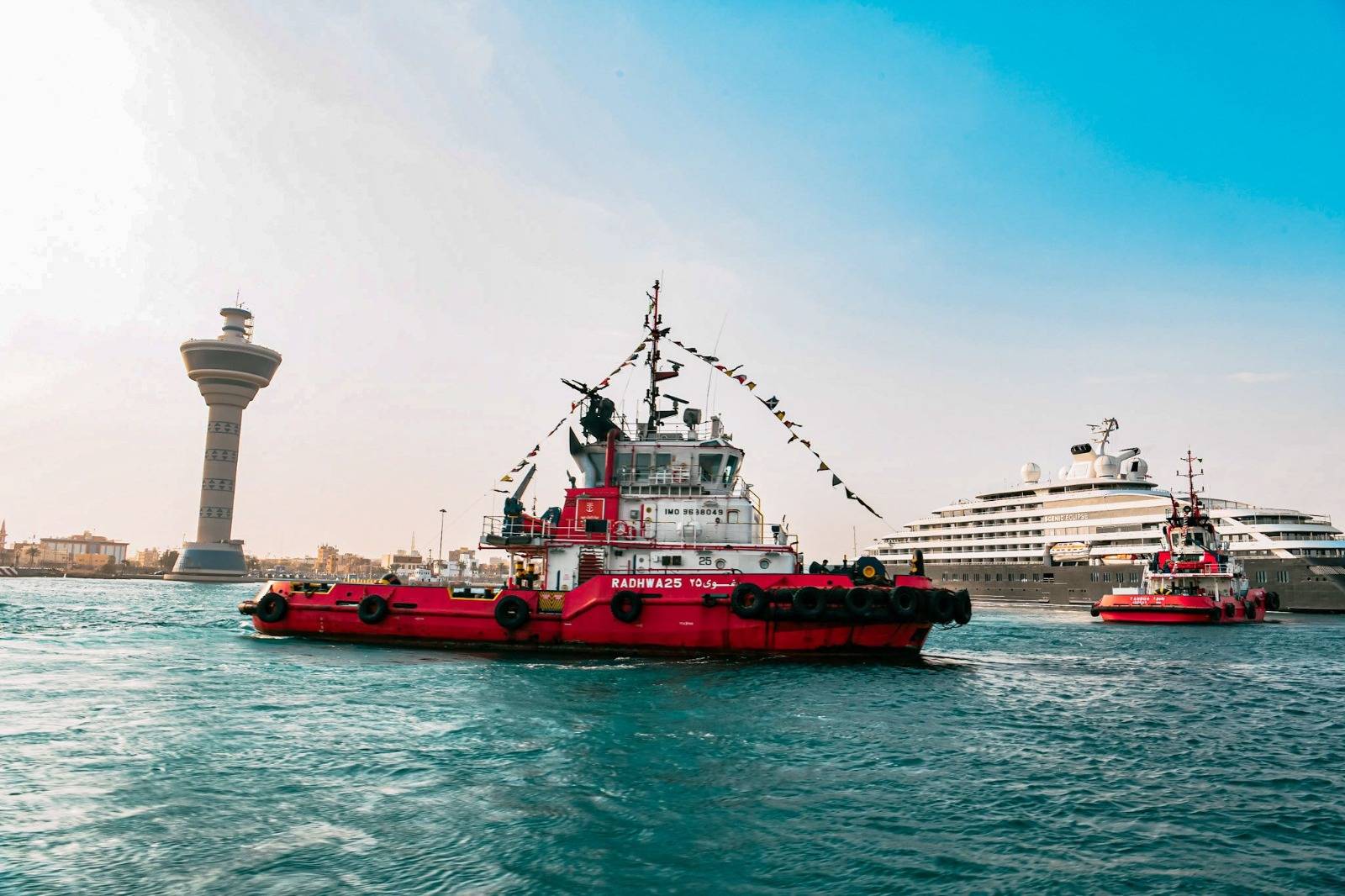
The Kingdom activated an emergency plan to increase exports via this pipeline to the Red Sea amid the effective closure of the strait due to ongoing regional conflict, which has constrained a major export route for Gulf producers. As a result, oil tankers were rerouted to Yanbu port to load shipments, providing a critical supply artery for global markets.
Operational Flexibility and a Global Safety Valve
The operational flexibility demonstrated by Saudi Aramco and the broader energy system reflects a qualitative shift, underscoring the Kingdom’s ability to protect its assets through advanced engineering and technical infrastructure capable of rapid recovery.
This response extended beyond the technical dimension, reaffirming Saudi Arabia’s firm commitment to ensuring the stability of oil supplies and strengthening its position as a reliable supplier capable of managing crises with high efficiency.
The swift restoration of operations also sends a reassuring signal to global markets that Saudi energy security remains a stabilizing force for the international economy, regardless of the severity of threats. It reinforces the Kingdom’s leadership role in supporting global stability and the reliability of its supplies under the most challenging geopolitical conditions.
In remarks to Asharq Al-Awsat, energy expert and former adviser to the Saudi oil minister, Dr. Mohammad Al-Sabban, said the Kingdom has, for decades, particularly since the 1970s, proven itself a dependable source of global oil supplies under all circumstances.
He noted that Saudi Aramco’s response reflects a high level of efficiency and preparedness, successfully addressing the impact of attacks that disrupted around 300,000 barrels per day in production, in addition to damage affecting the East–West pipeline.
He added that the company was able within a short period to restore affected refined products, repair faults, and resume operations efficiently, highlighting the Kingdom’s strong resilience and Aramco’s accumulated expertise in crisis management and navigating global market fluctuations.
Al-Sabban said restoring throughput to around 7 million barrels per day via the East–West pipeline, as announced by the Ministry of Energy, sends a clear reassurance to global markets regarding the stability of Saudi supplies.
He stressed that these developments confirm Saudi Arabia’s ability to remain a reliable energy supplier, particularly amid ongoing geopolitical challenges in the Gulf region, including tensions surrounding the Strait of Hormuz.
The East–West pipeline, built in the last century, has become a strategic and vital corridor for Saudi oil exports to global markets.